Passer au contenu

Panier

Votre panier est vide

Céramiques anciennes

Céramiques anciennes du Japon, de la péninsule coréenne, de Chine, d’Asie du Sud-Est et d’Occident. Elles comprennent les céramiques des six anciens fours du Japon, la porcelaine blanche Joseon, le céladon de Goryeo, les céramiques chinoises, les céramiques d’Annam, les céramiques de Sawankhalok, les faïences de Delft et d’autres céramiques d’époques et de régions différentes.
Trier par

704 produits

Collection

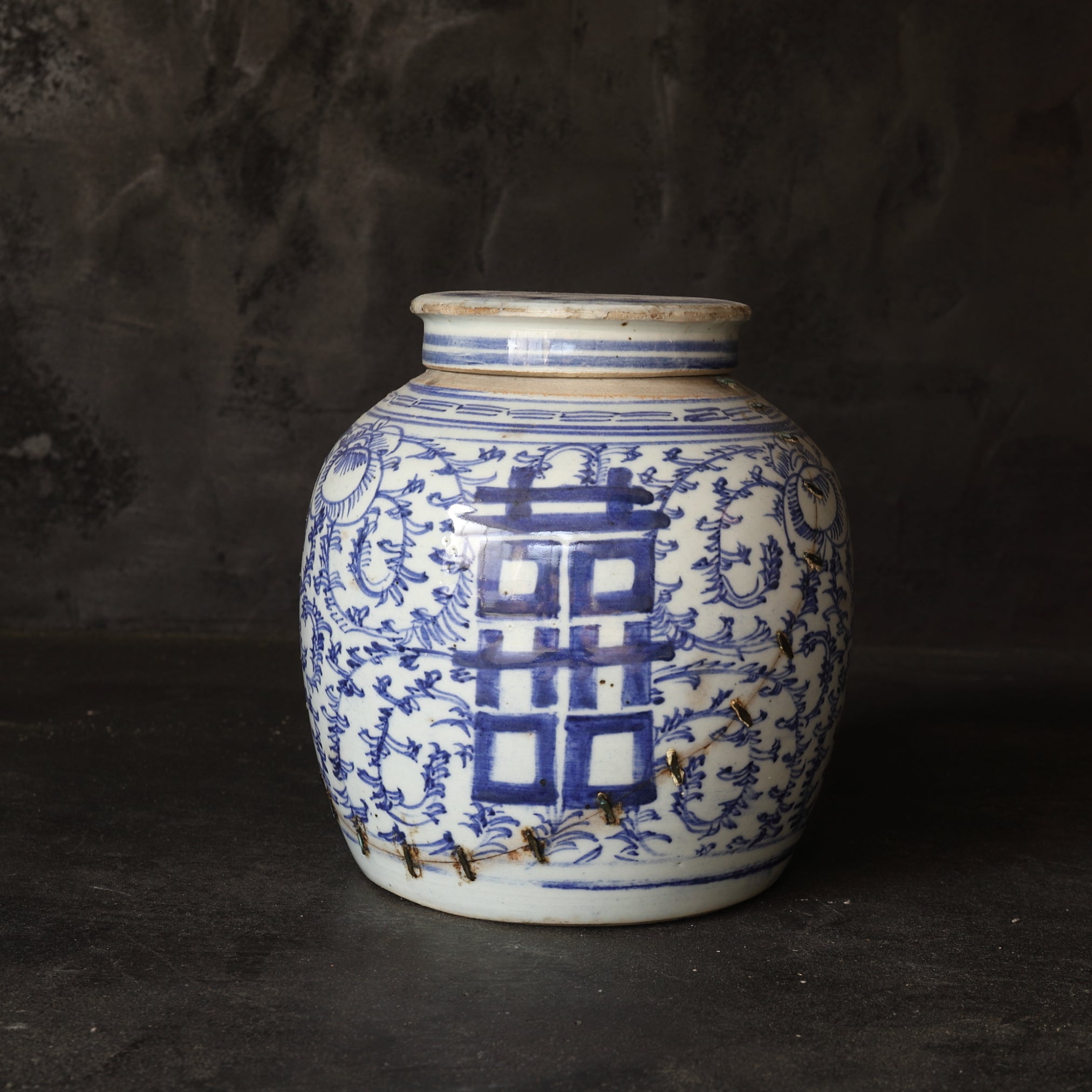
POT À COUVERCLE, Porcelaine bleu et blanc avec motif de double bonheur, Dynastie Qing (1616–1911 apr. J.-C.)POT À COUVERCLE, Porcelaine bleu et blanc avec motif de double bonheur, Dynastie Qing (1616–1911 apr. J.-C.)
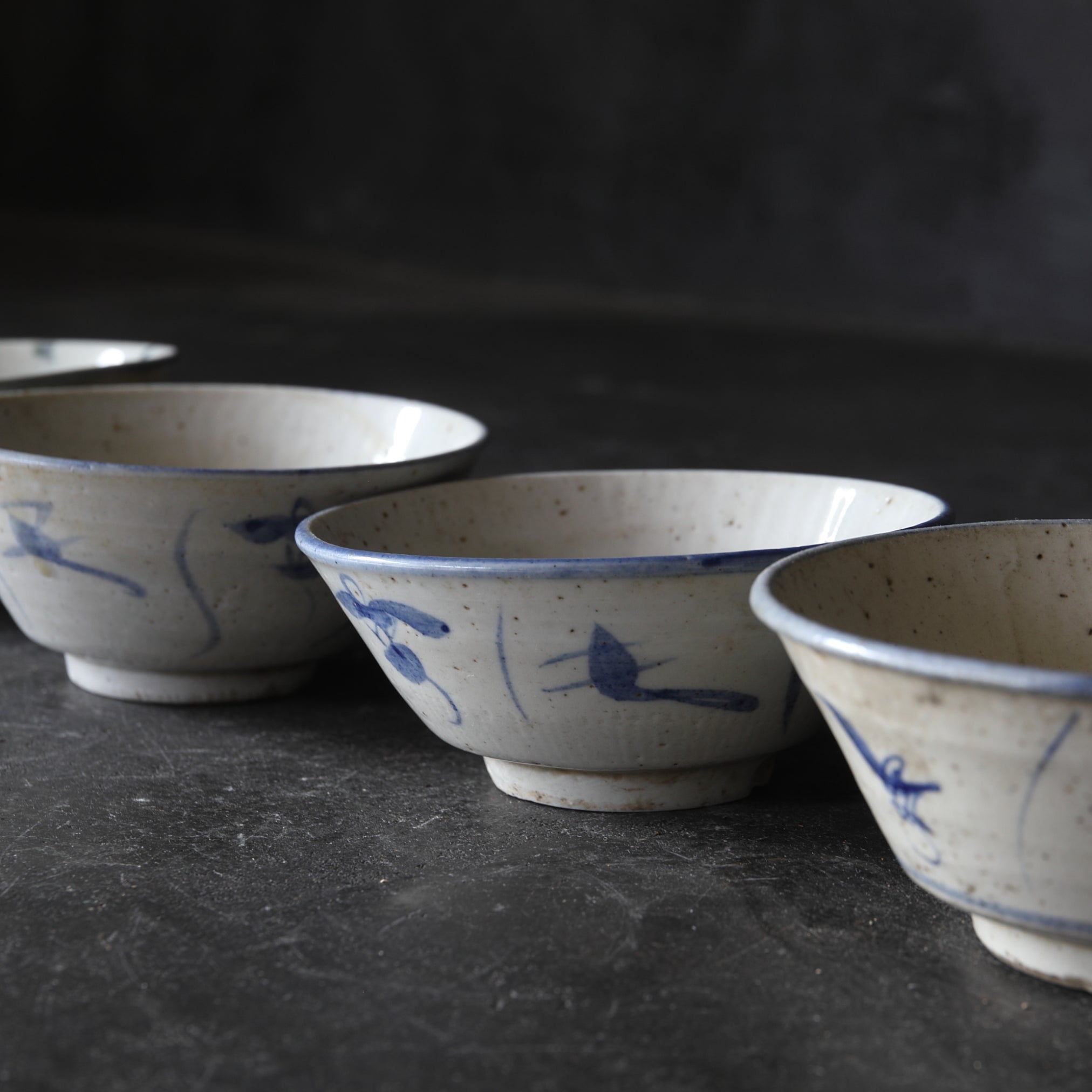
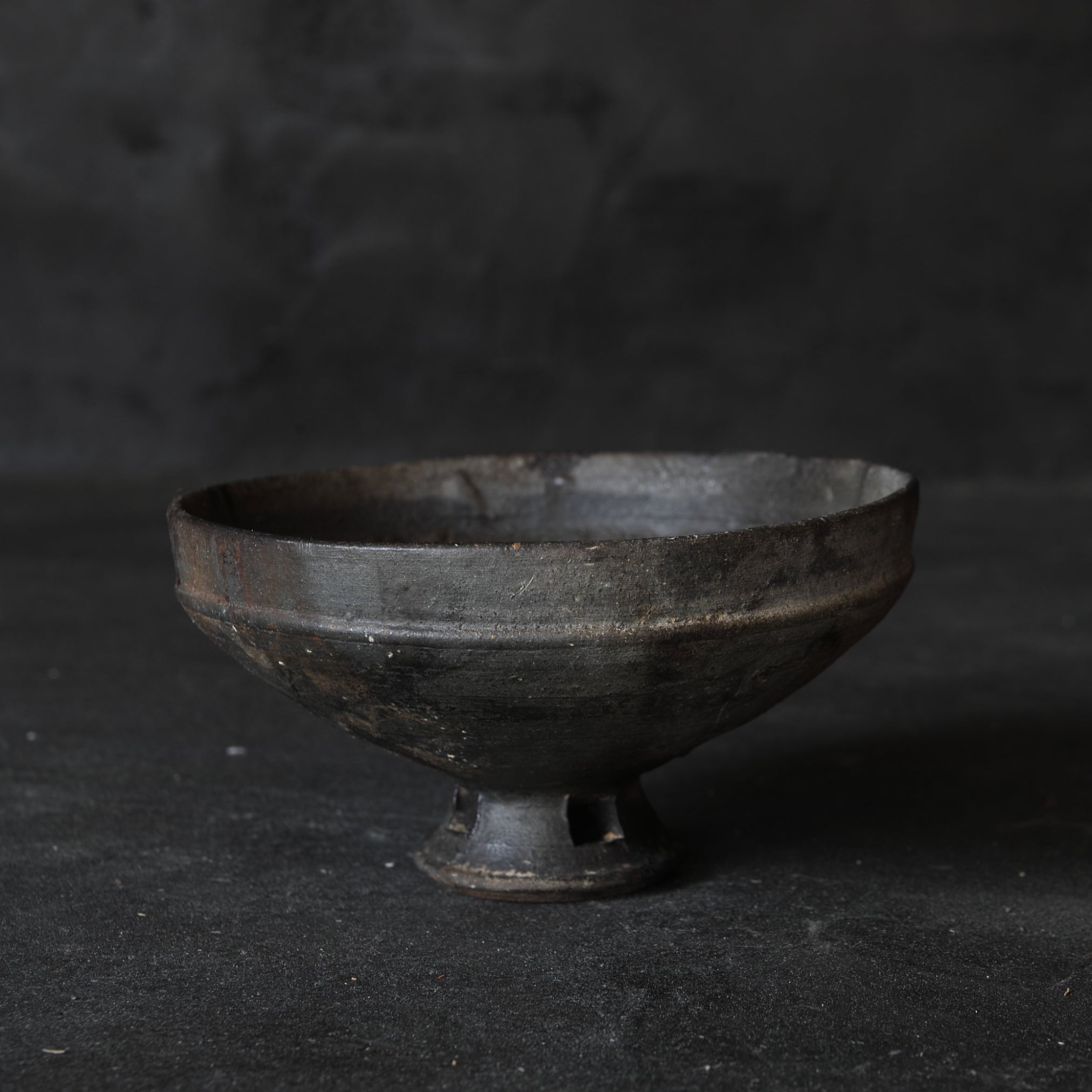
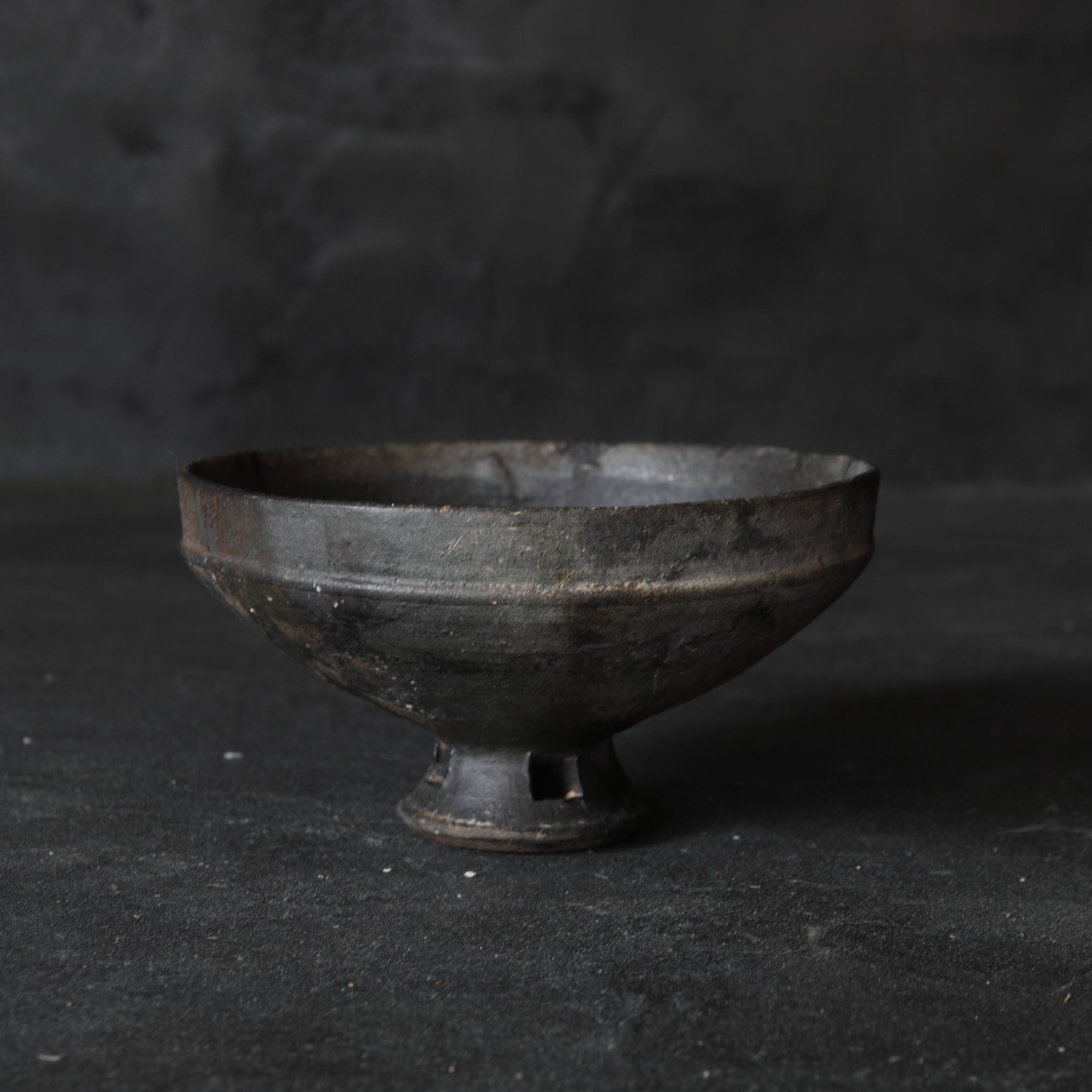
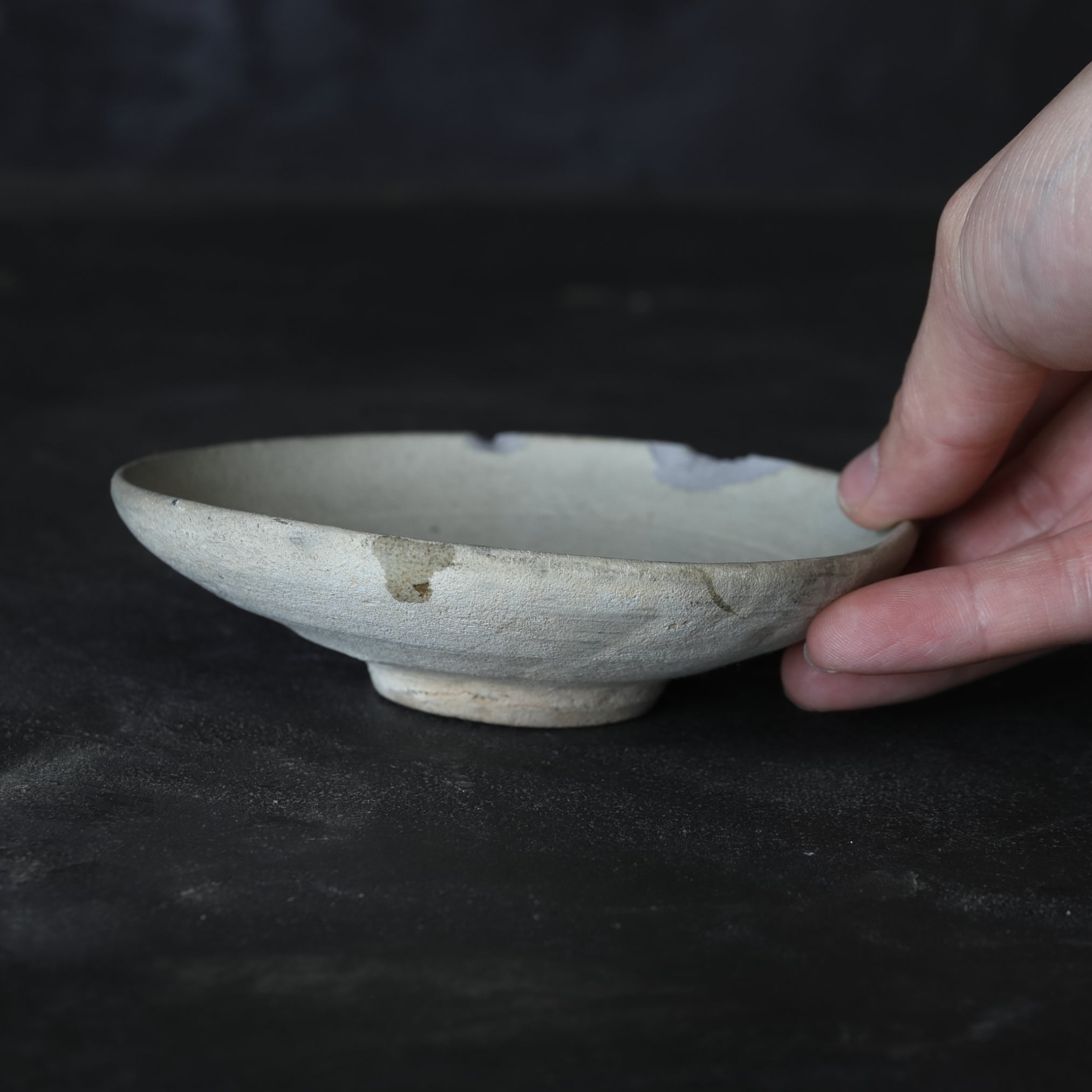
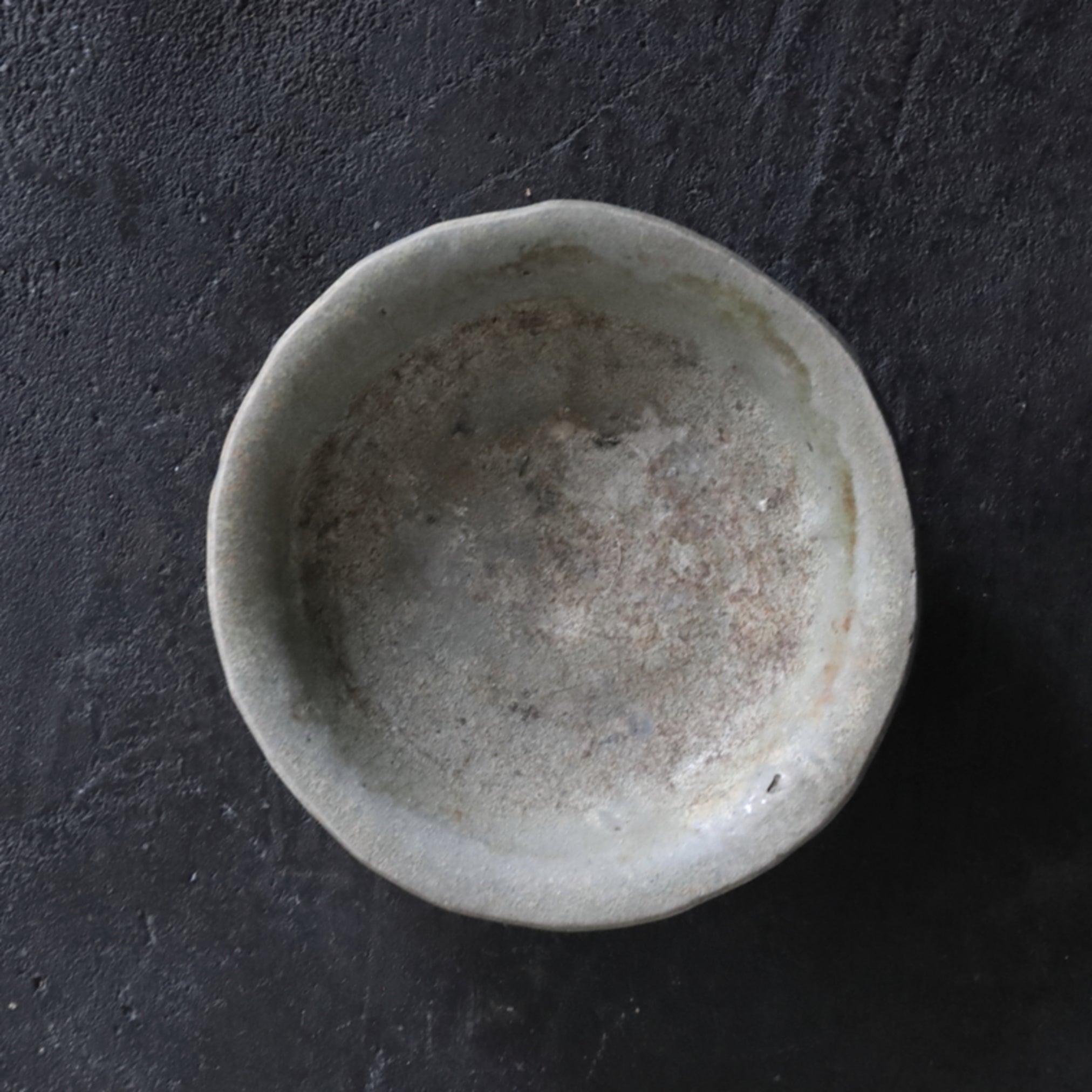
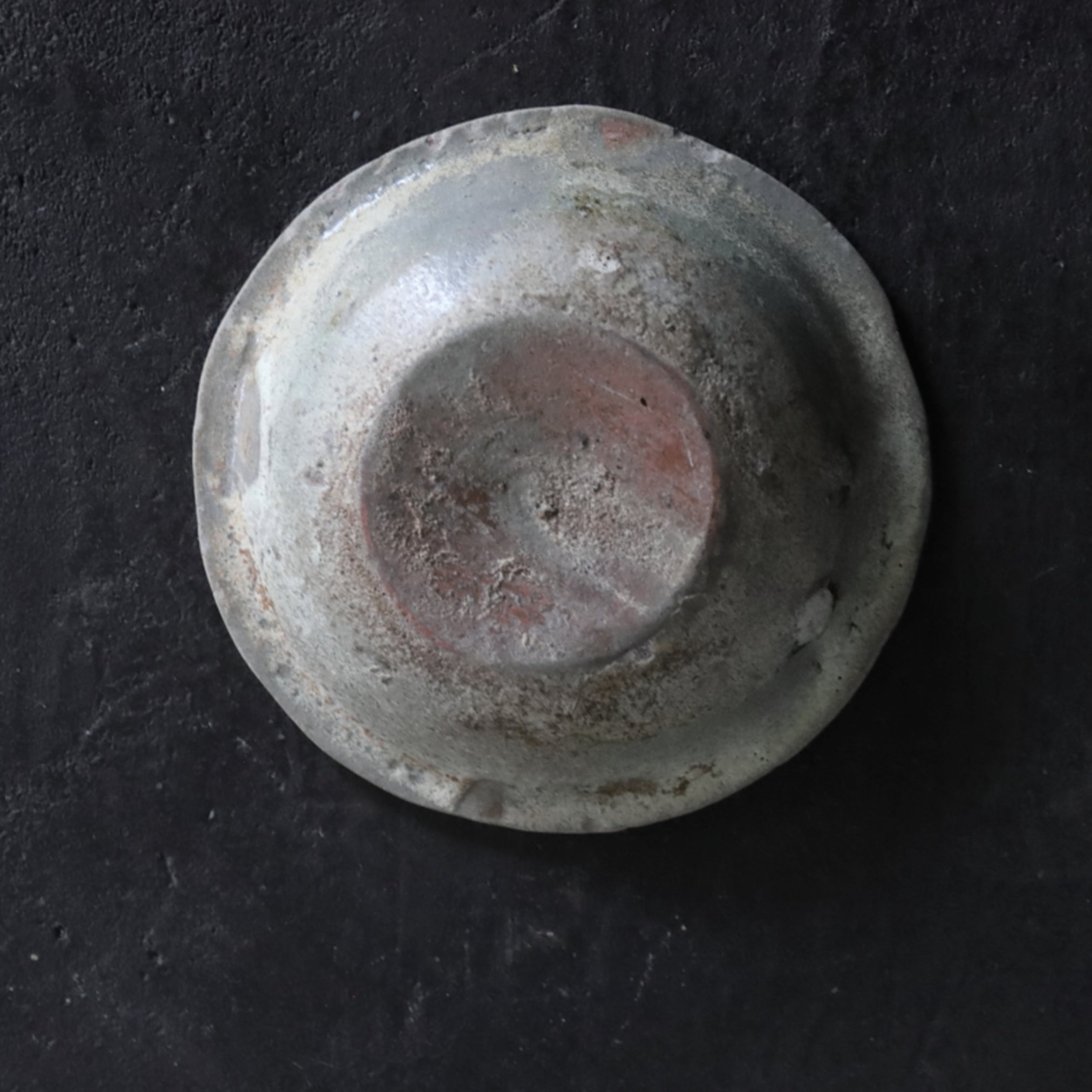
BOL, Céramique Sue, Période Kofun (250–581 apr. J.-C.)BOL, Céramique Sue, Période Kofun (250–581 apr. J.-C.)
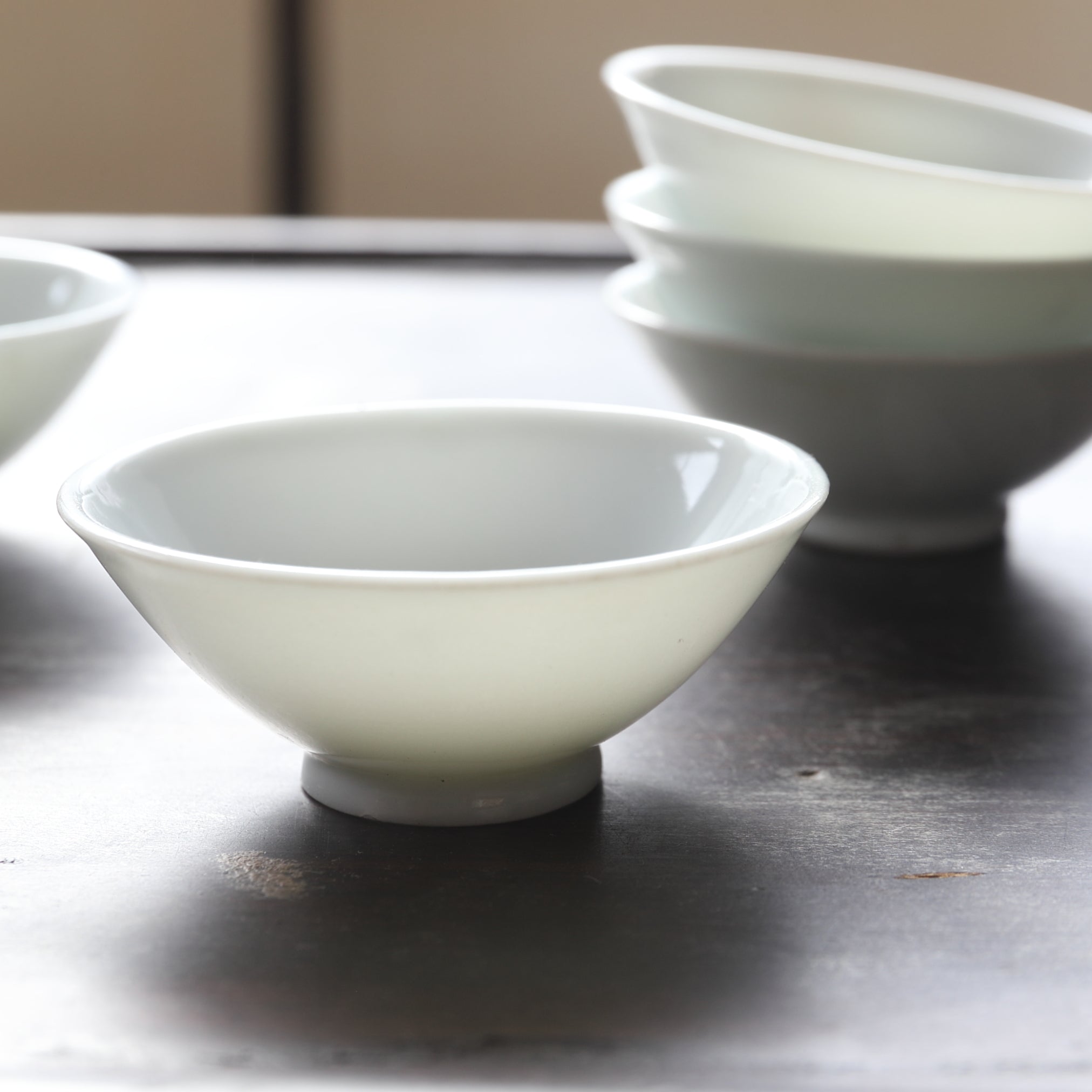
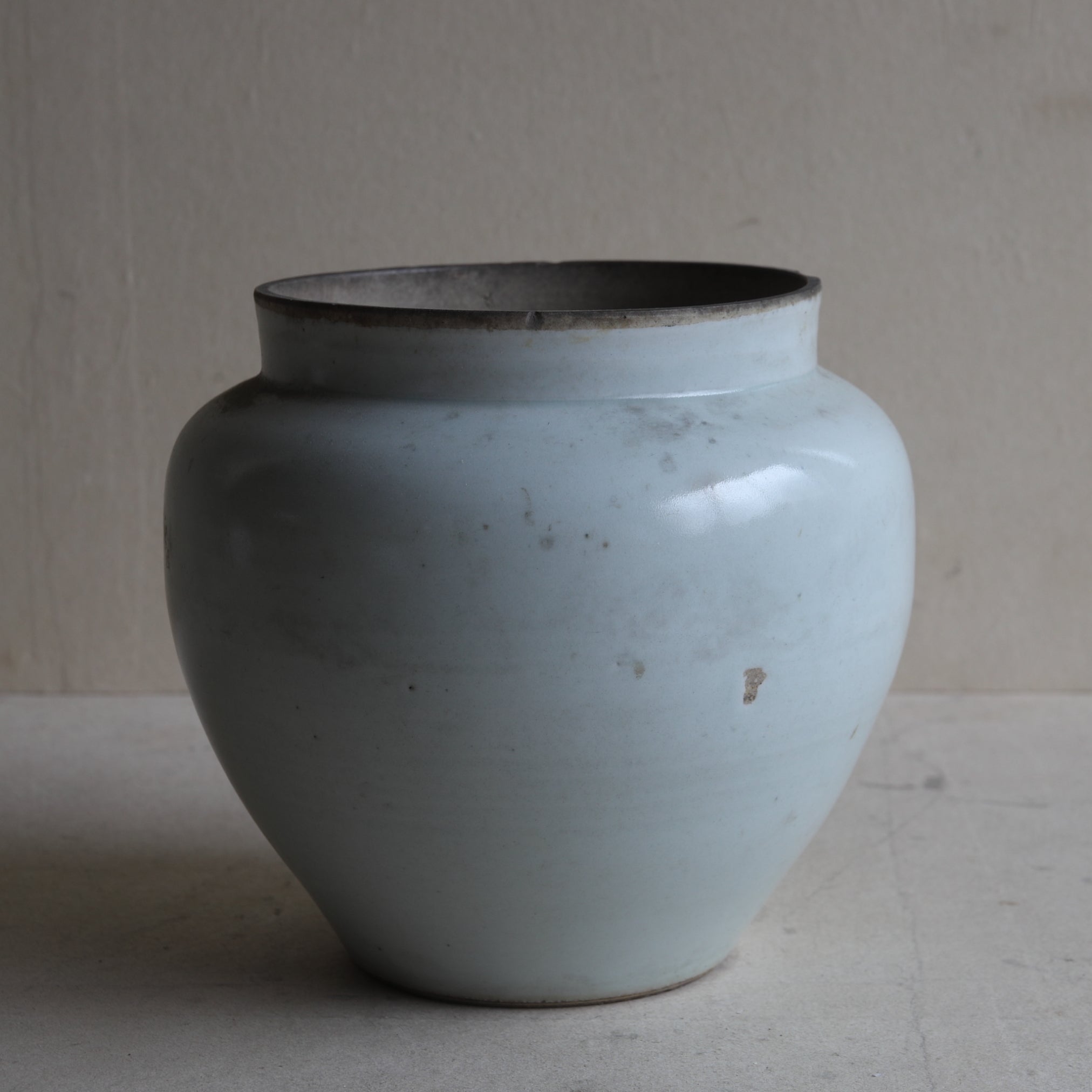
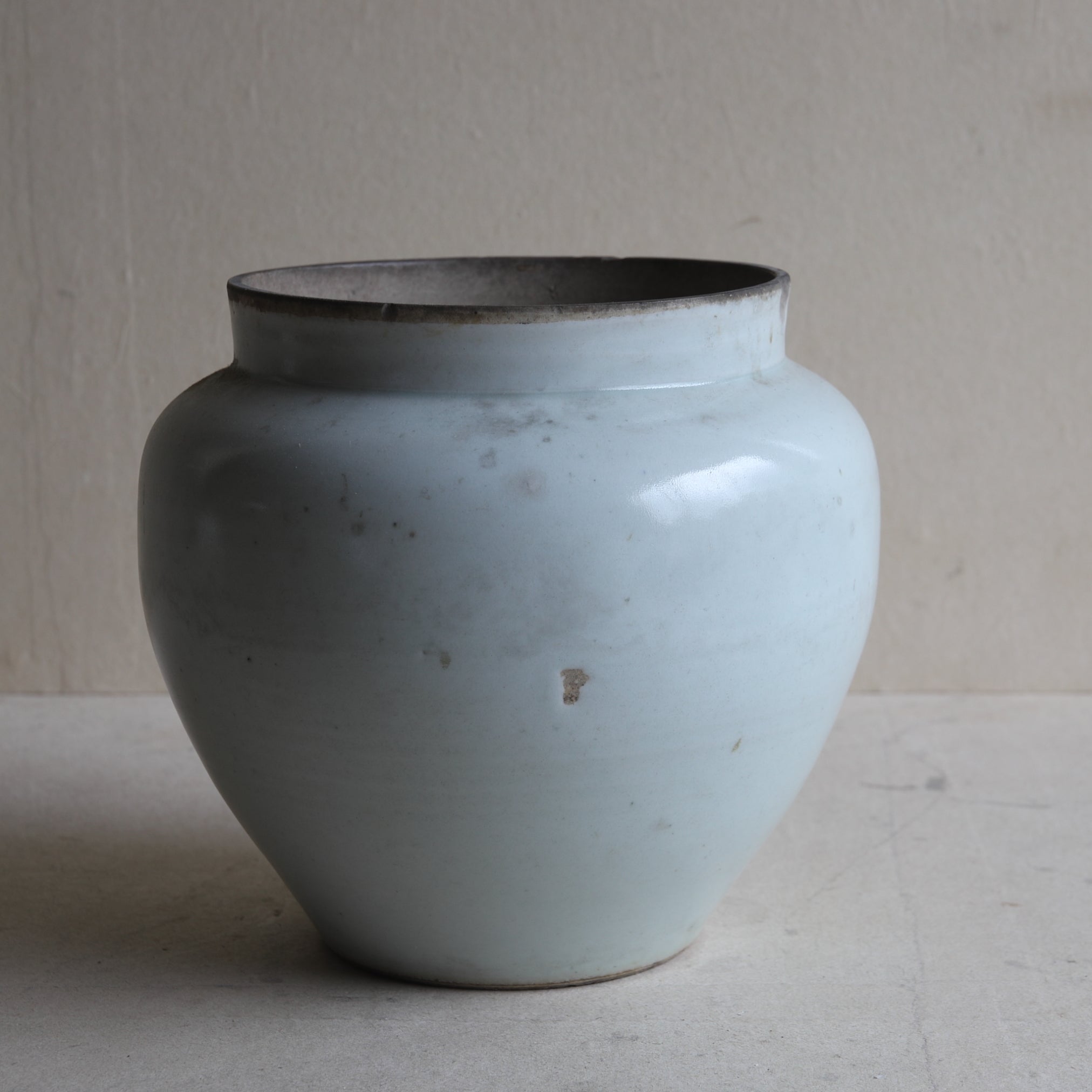
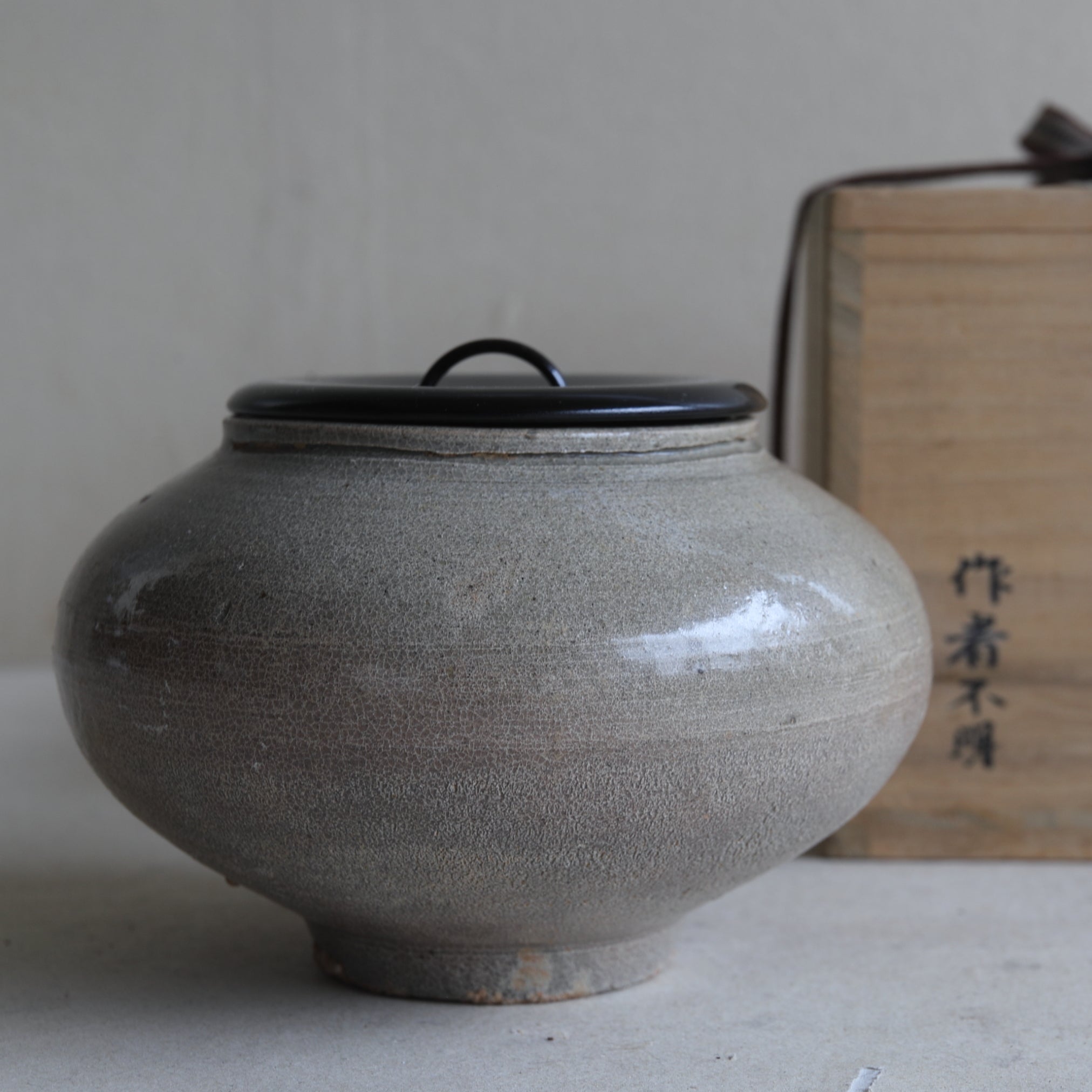
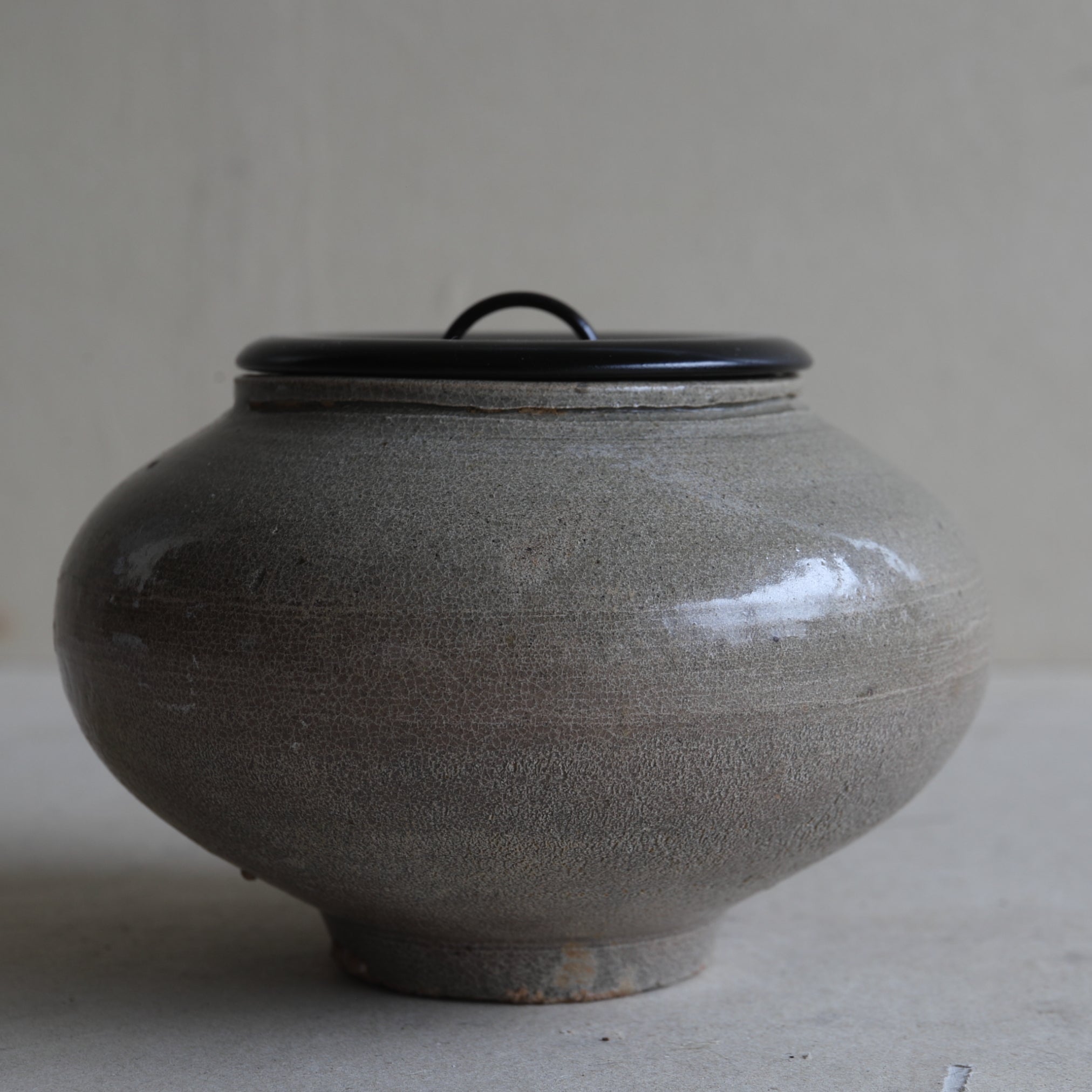
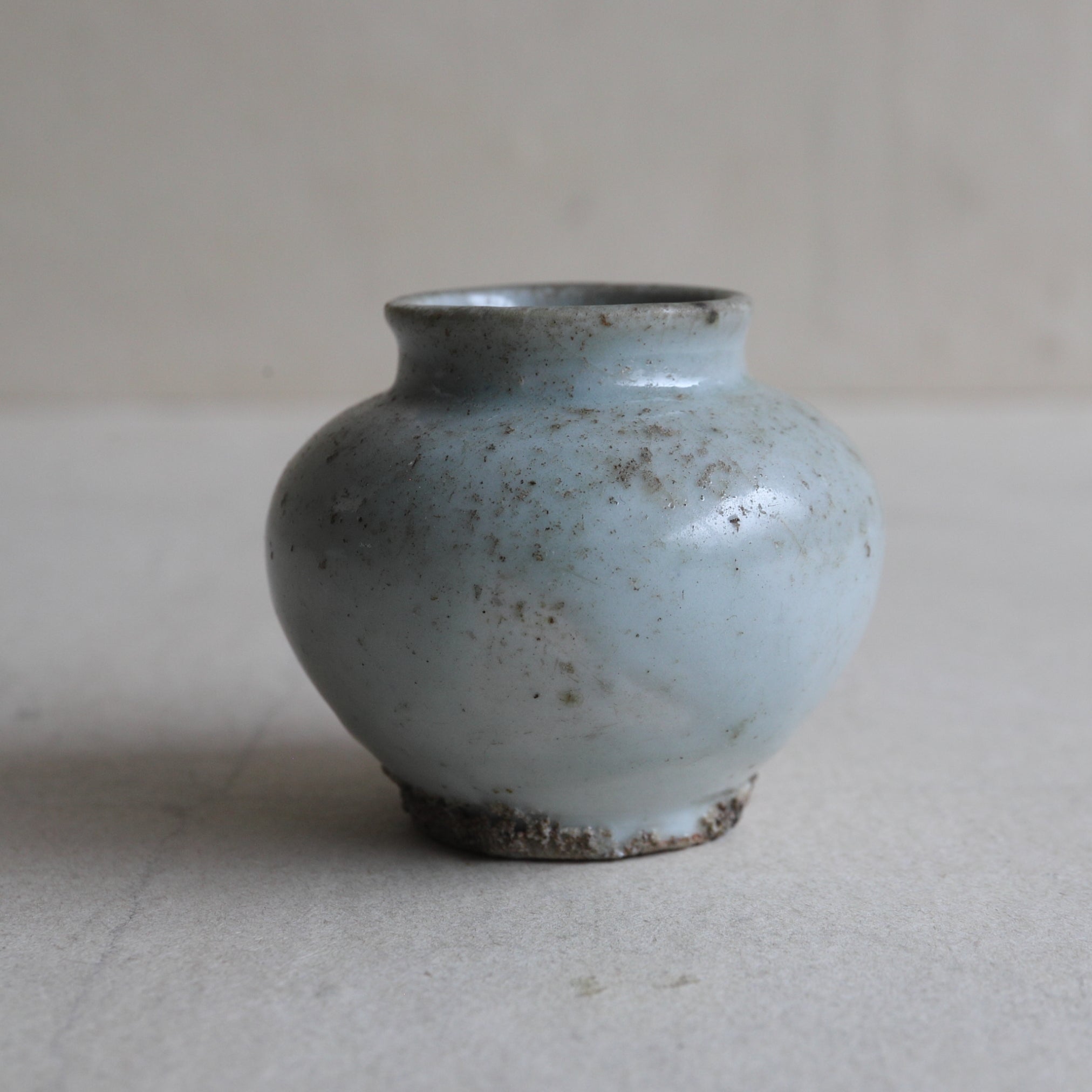
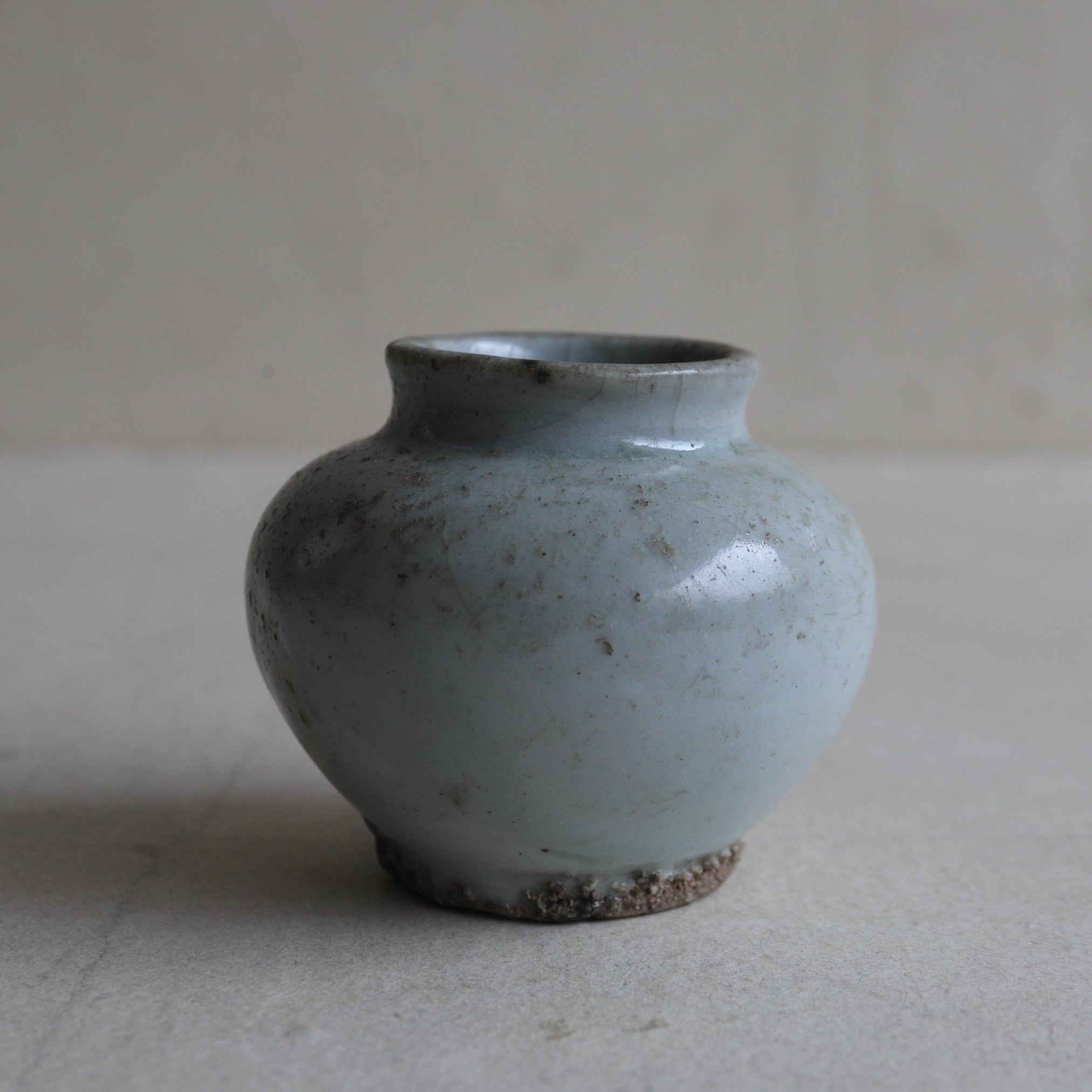
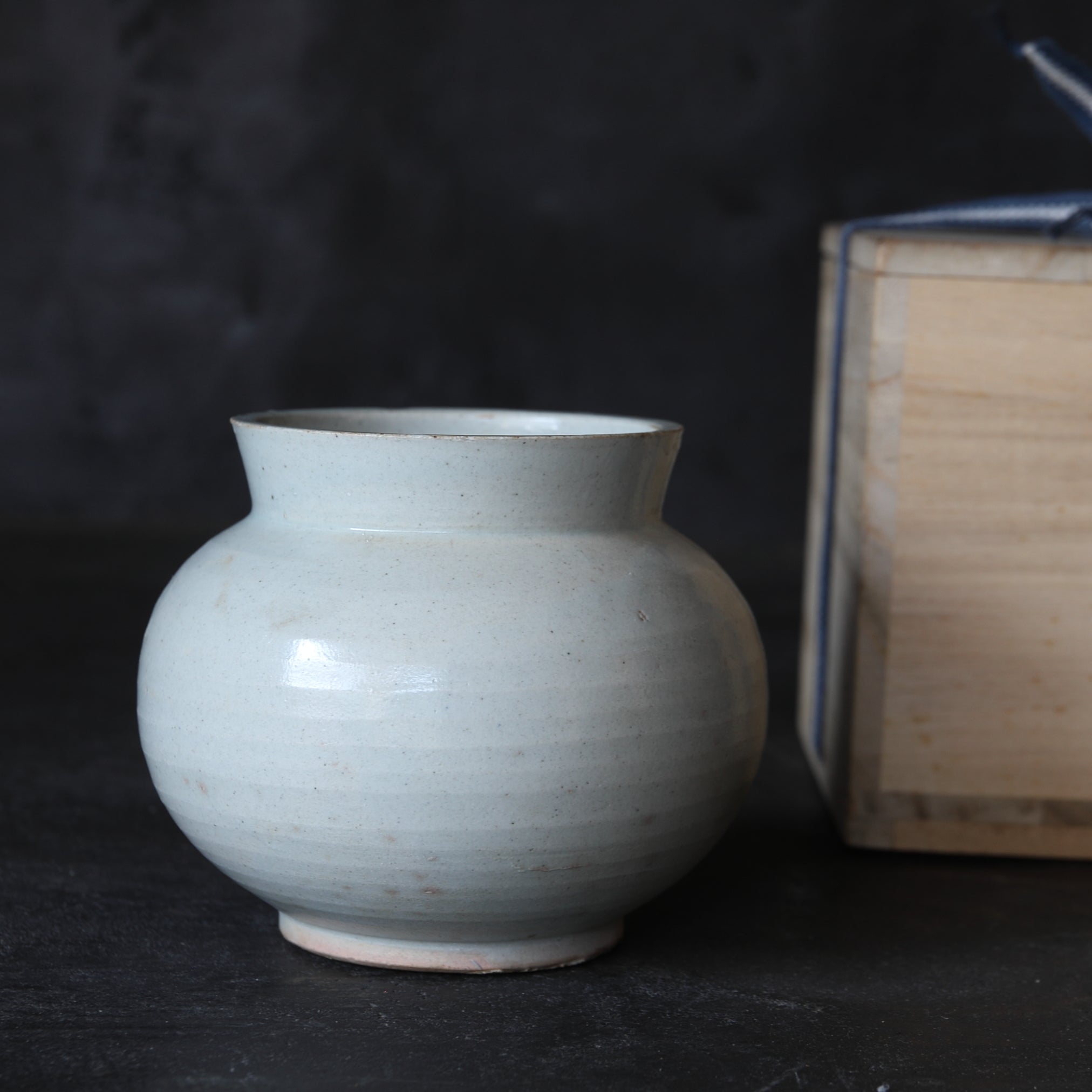
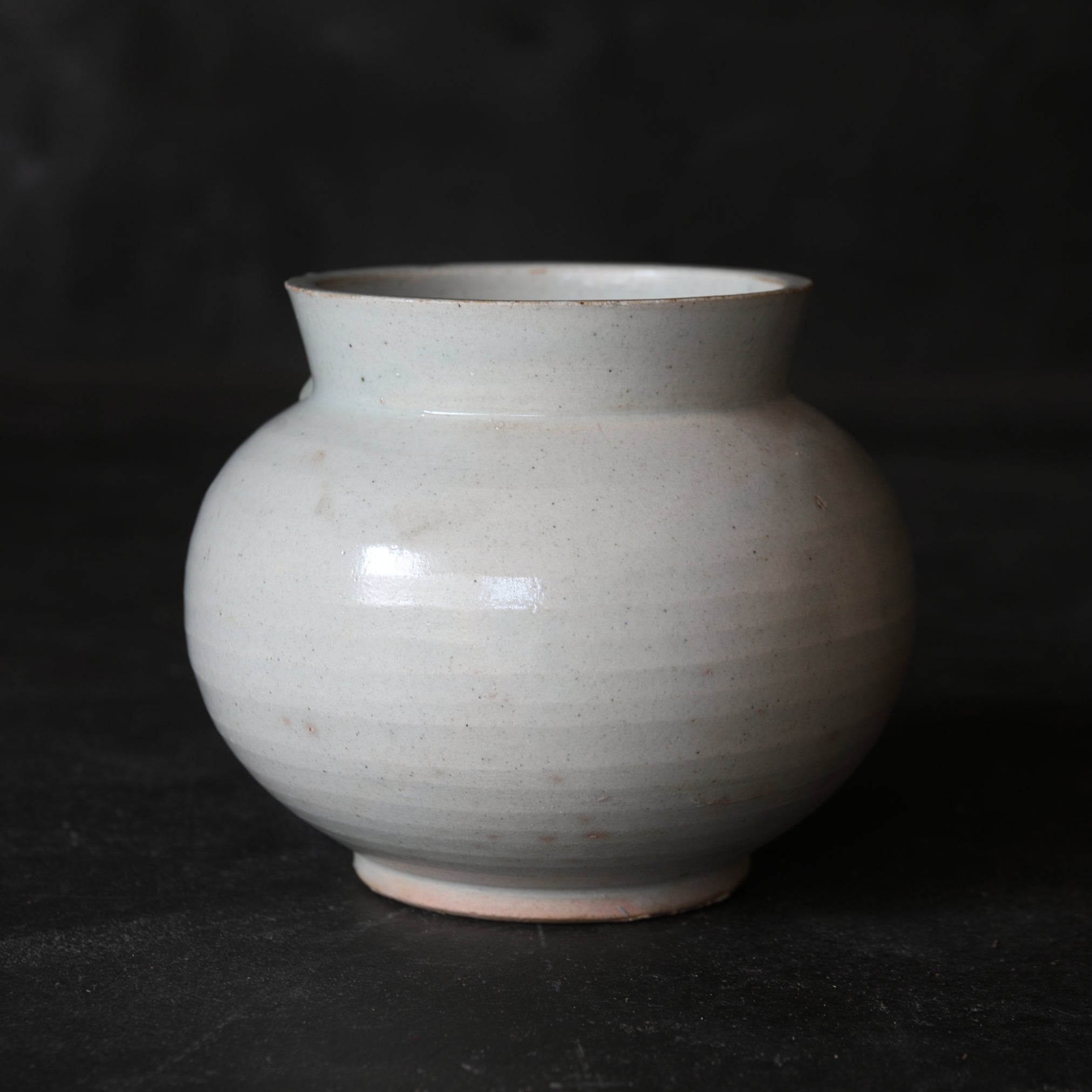
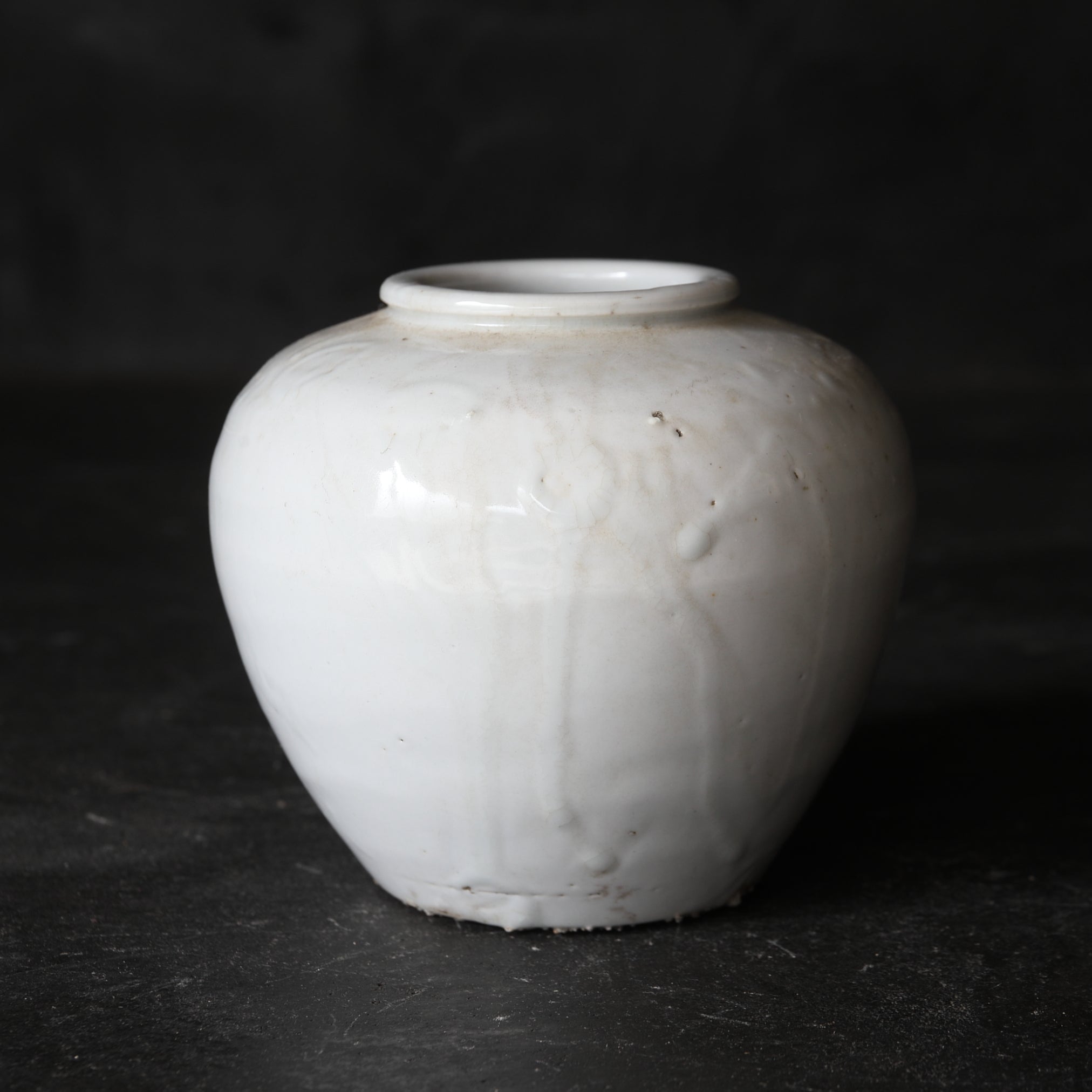
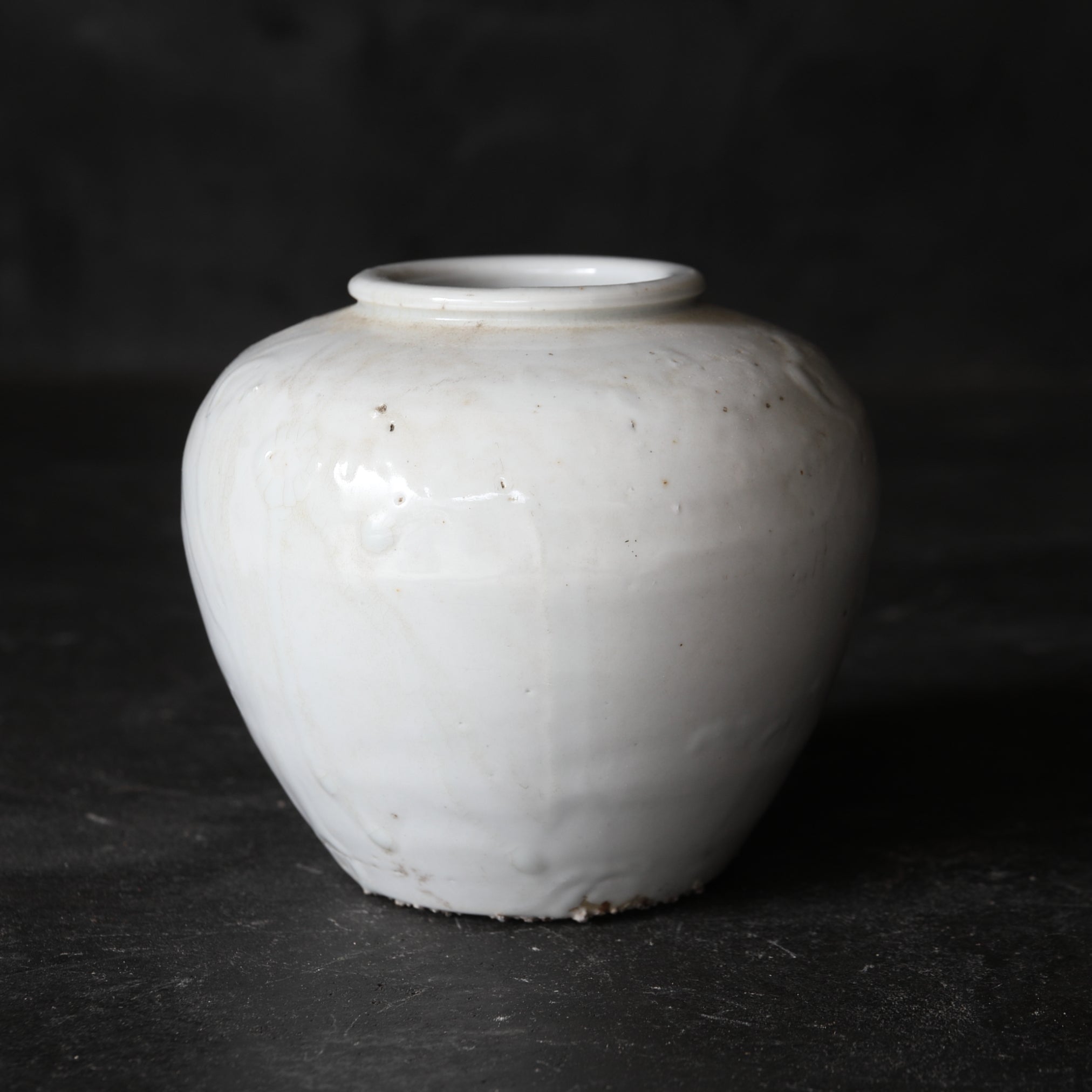
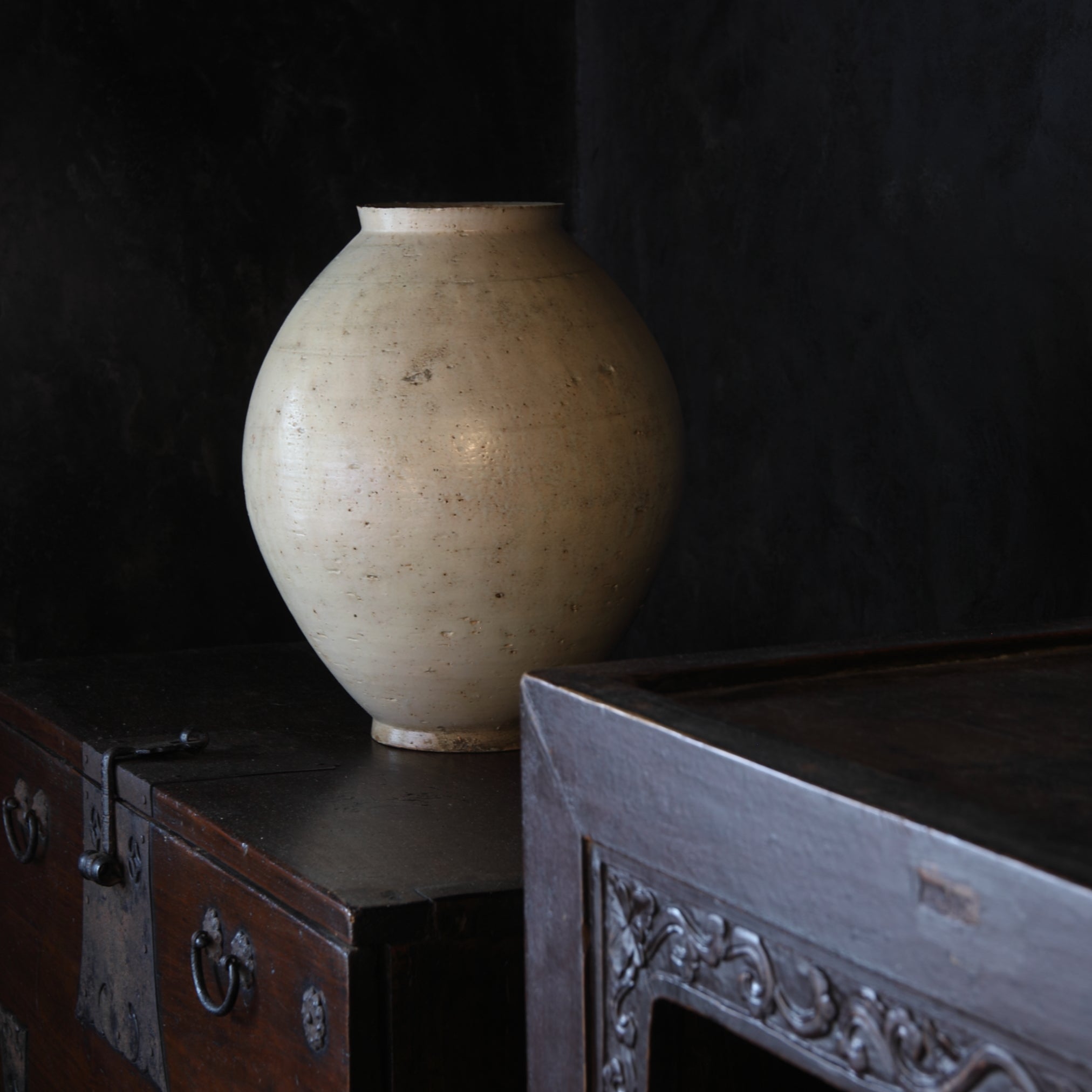
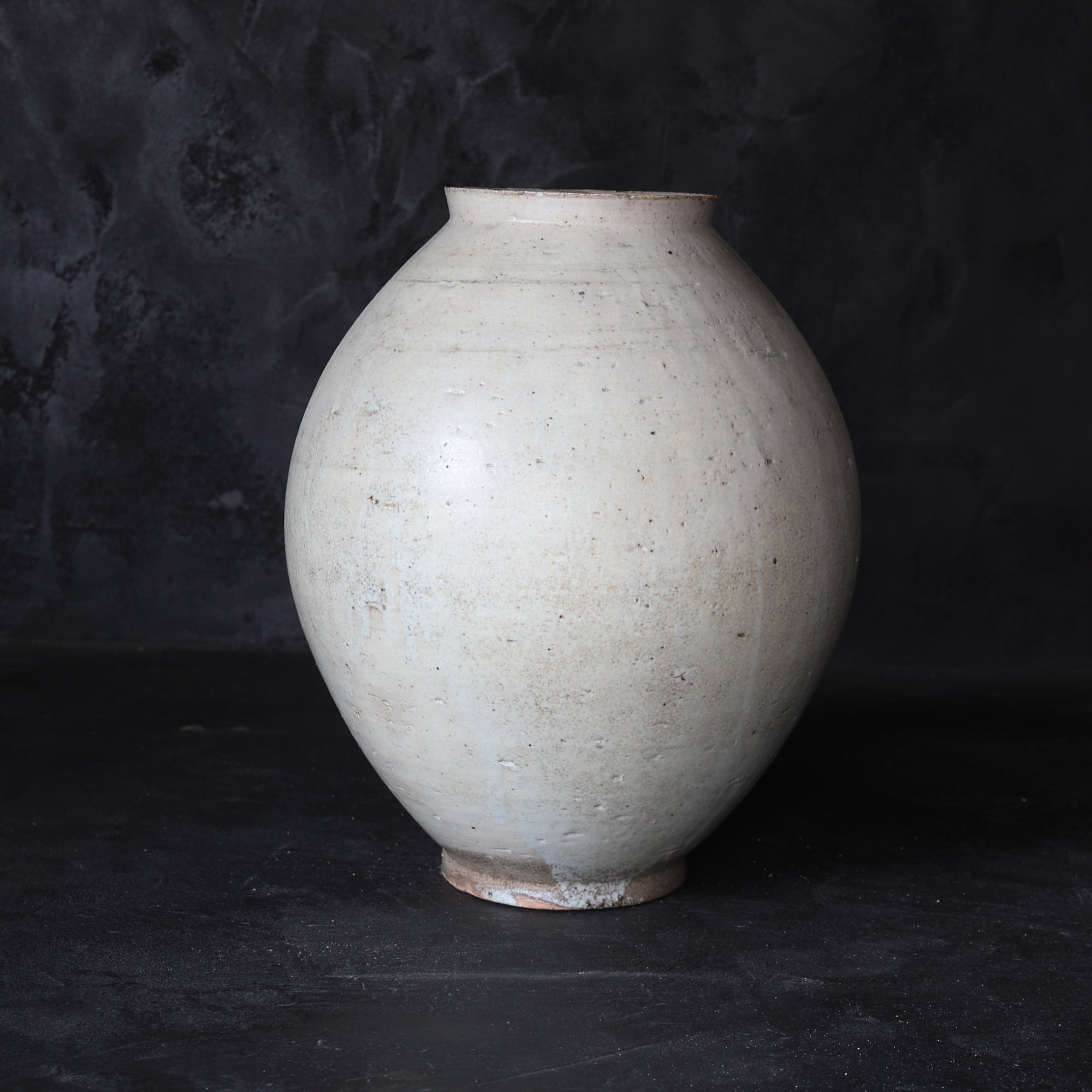
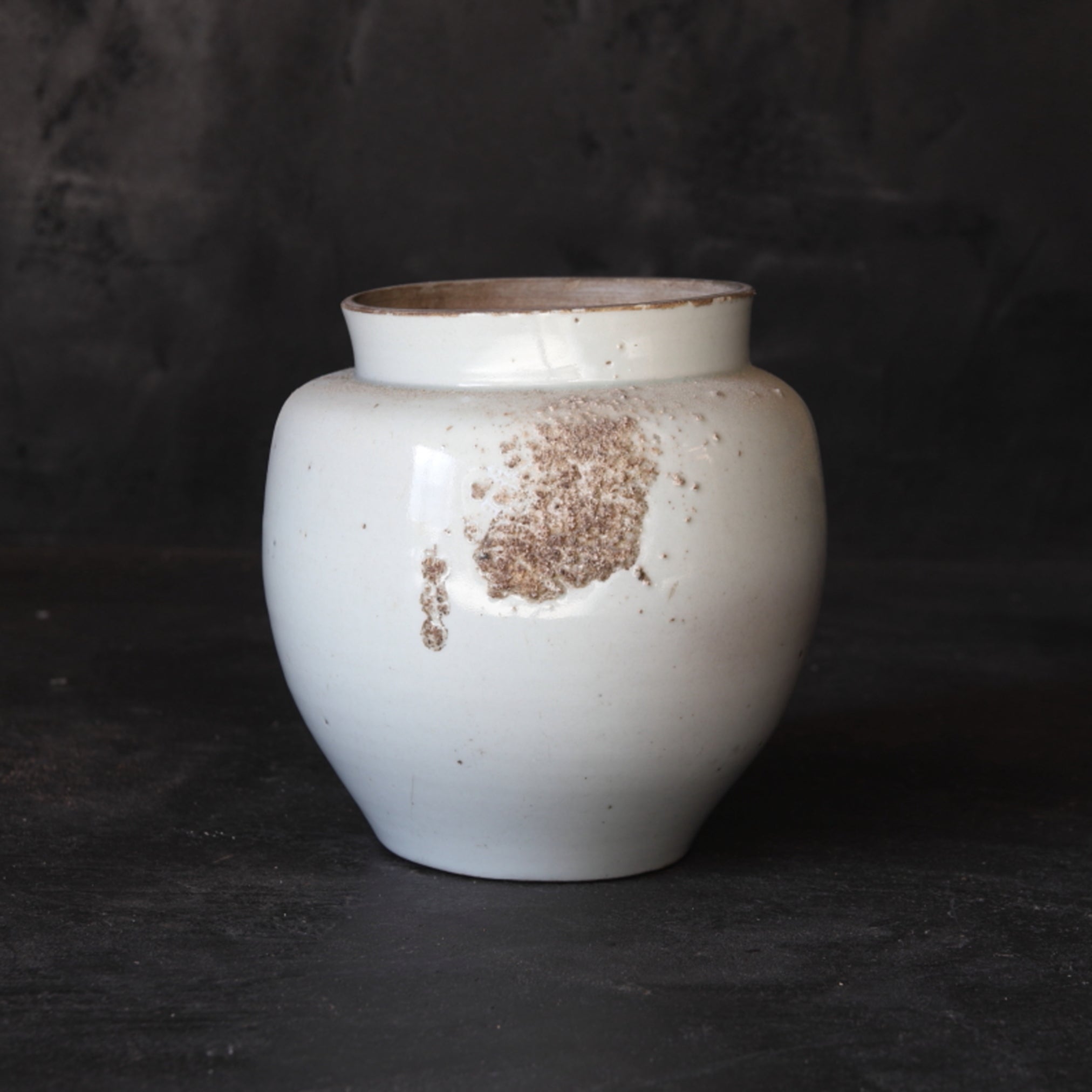
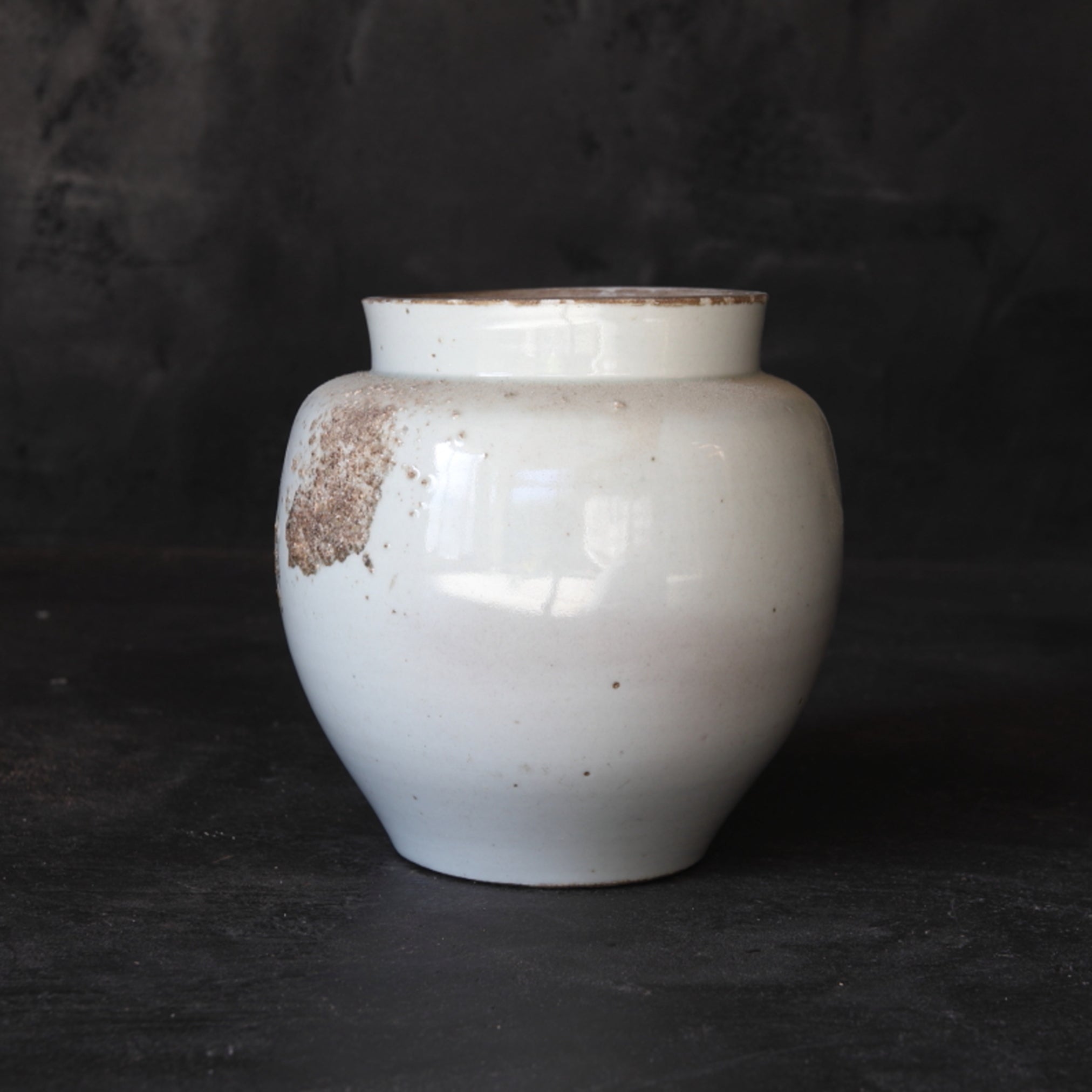
PETIT JARRE, Porcelaine blanche, Dynastie Joseon (1392–1897 apr. J.-C.)PETIT JARRE, Porcelaine blanche, Dynastie Joseon (1392–1897 apr. J.-C.)
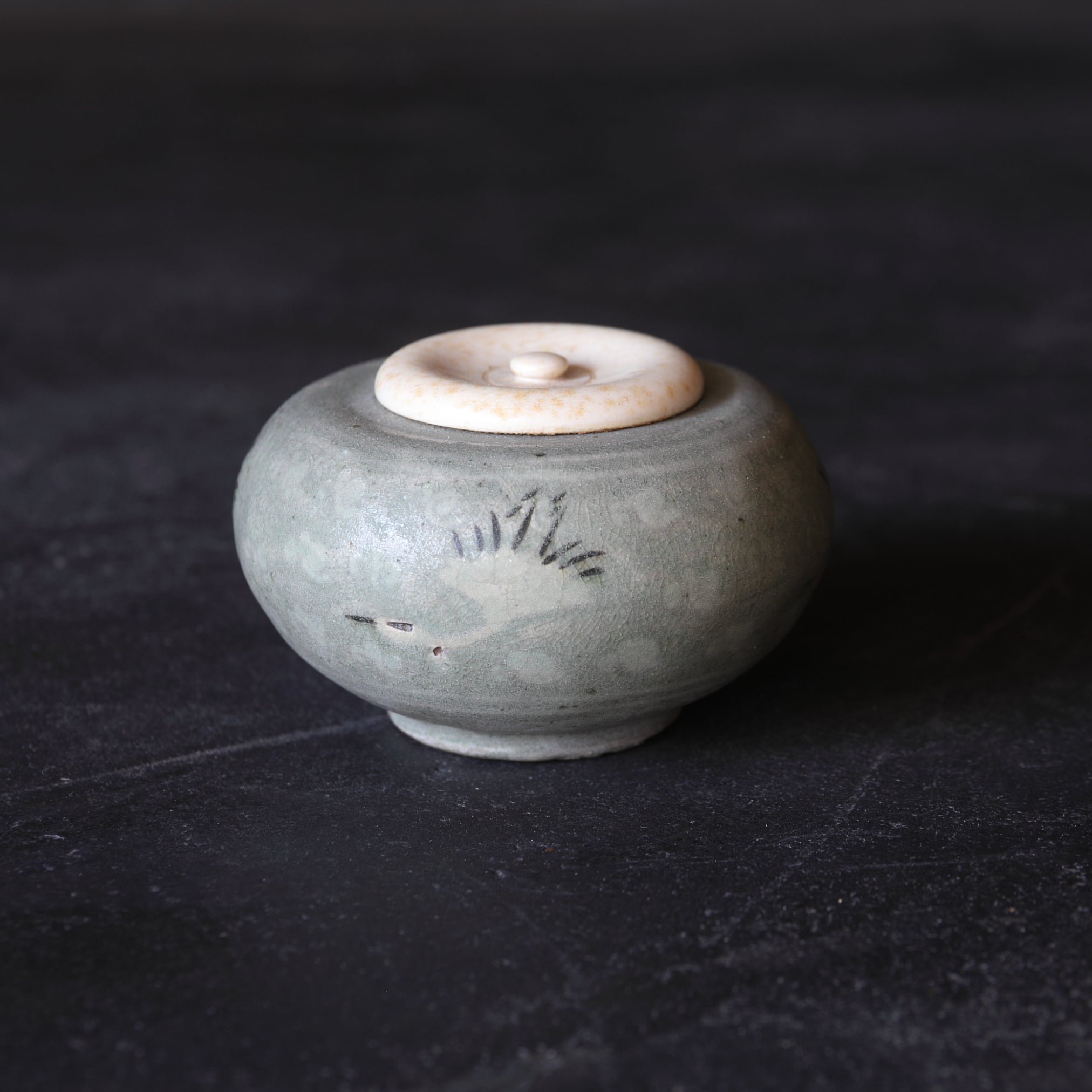
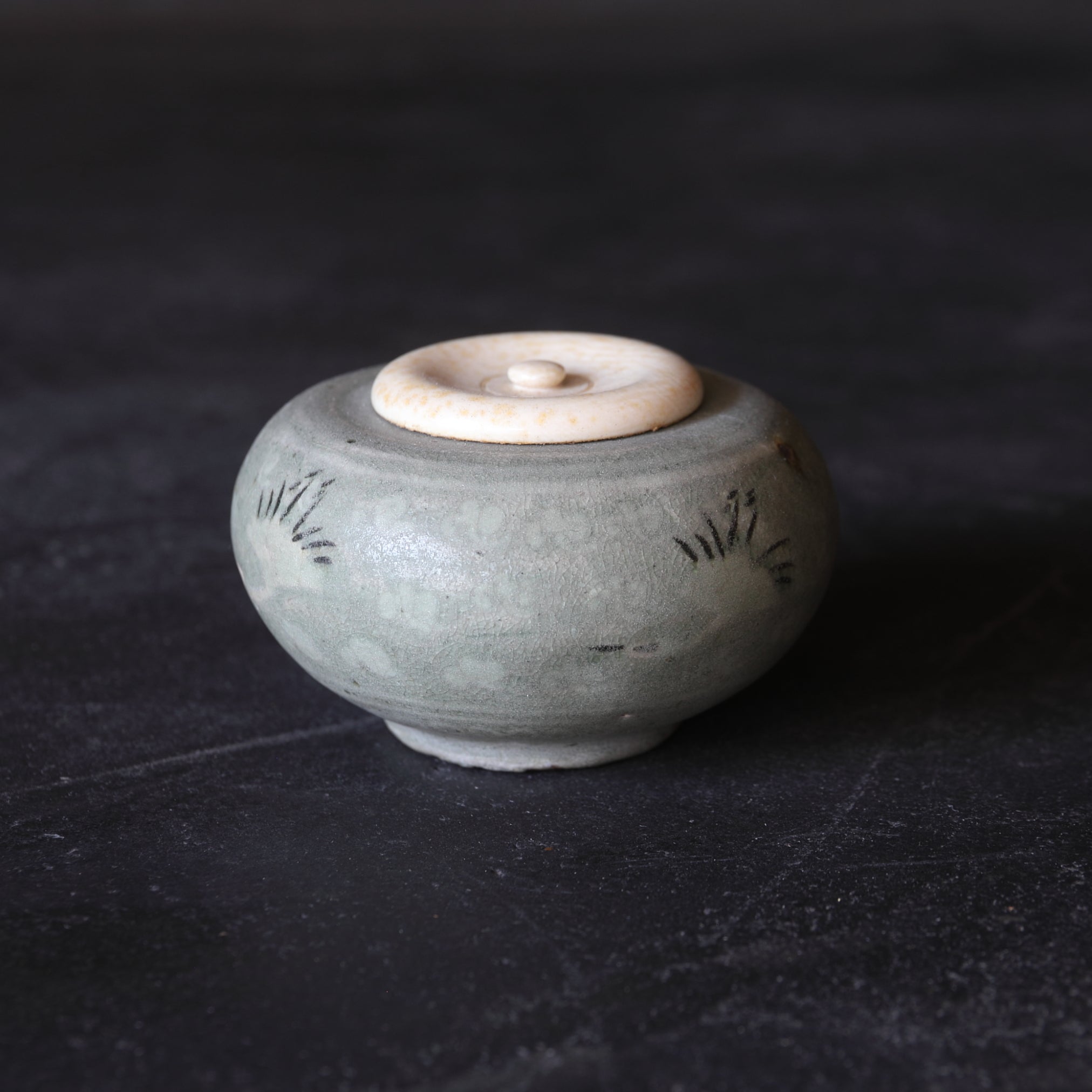
BOÎTE À THÉ, Céladon Goryeo avec motif grue, Dynastie Goryeo (918–1392 apr. J.-C.)BOÎTE À THÉ, Céladon Goryeo avec motif grue, Dynastie Goryeo (918–1392 apr. J.-C.)
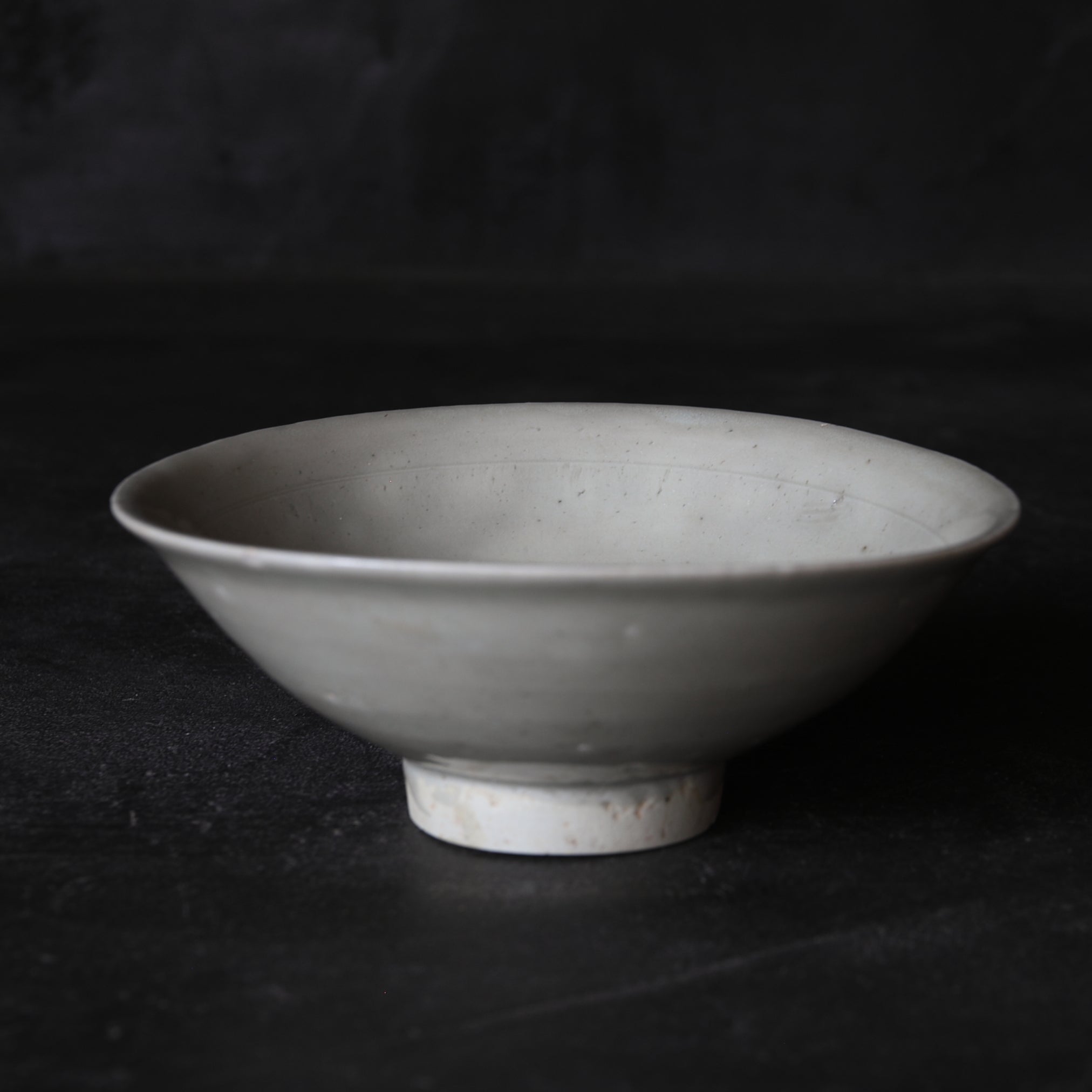
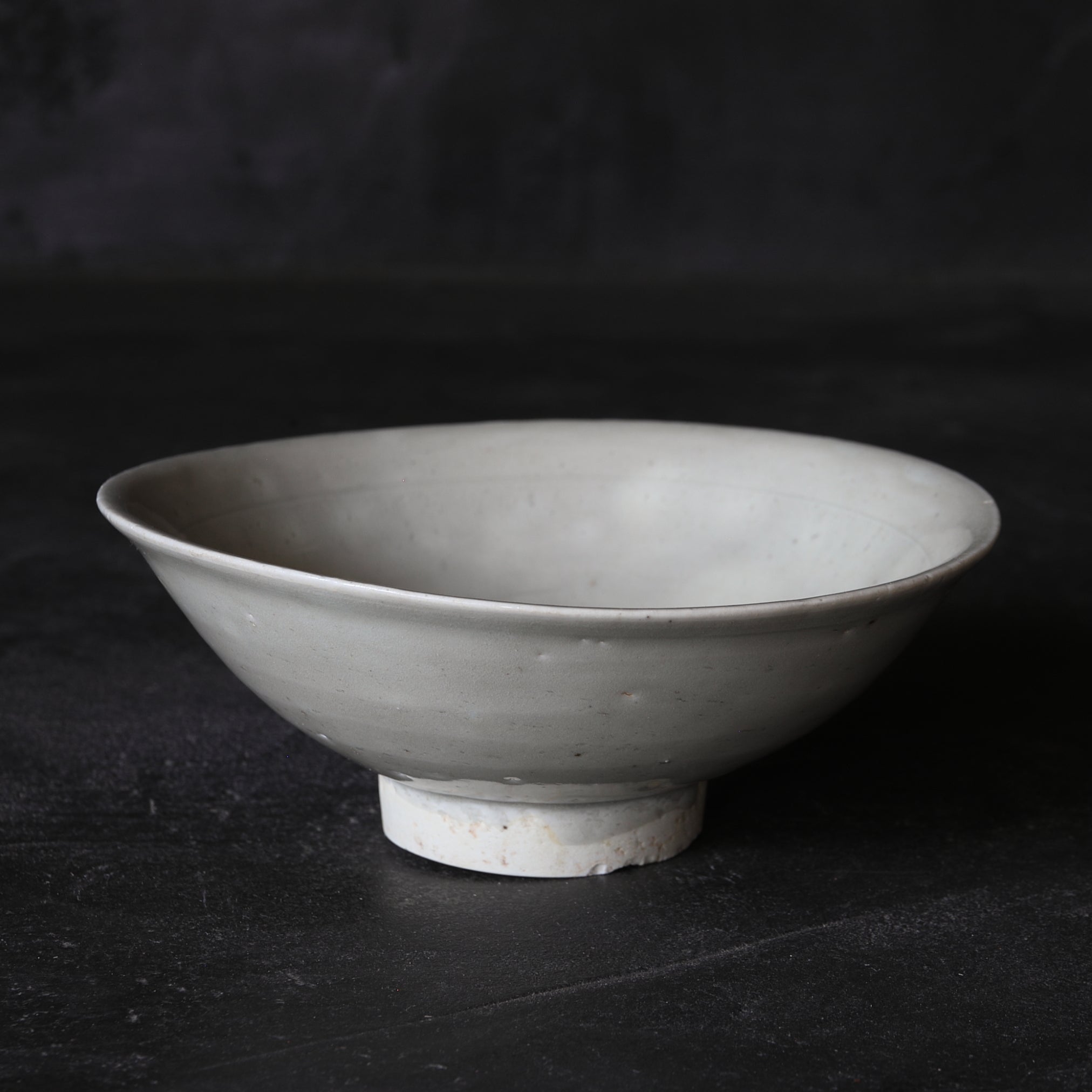
BOL À THÉ, Céladon, Dynastie Song (960–1279 apr. J.-C.)BOL À THÉ, Céladon, Dynastie Song (960–1279 apr. J.-C.)
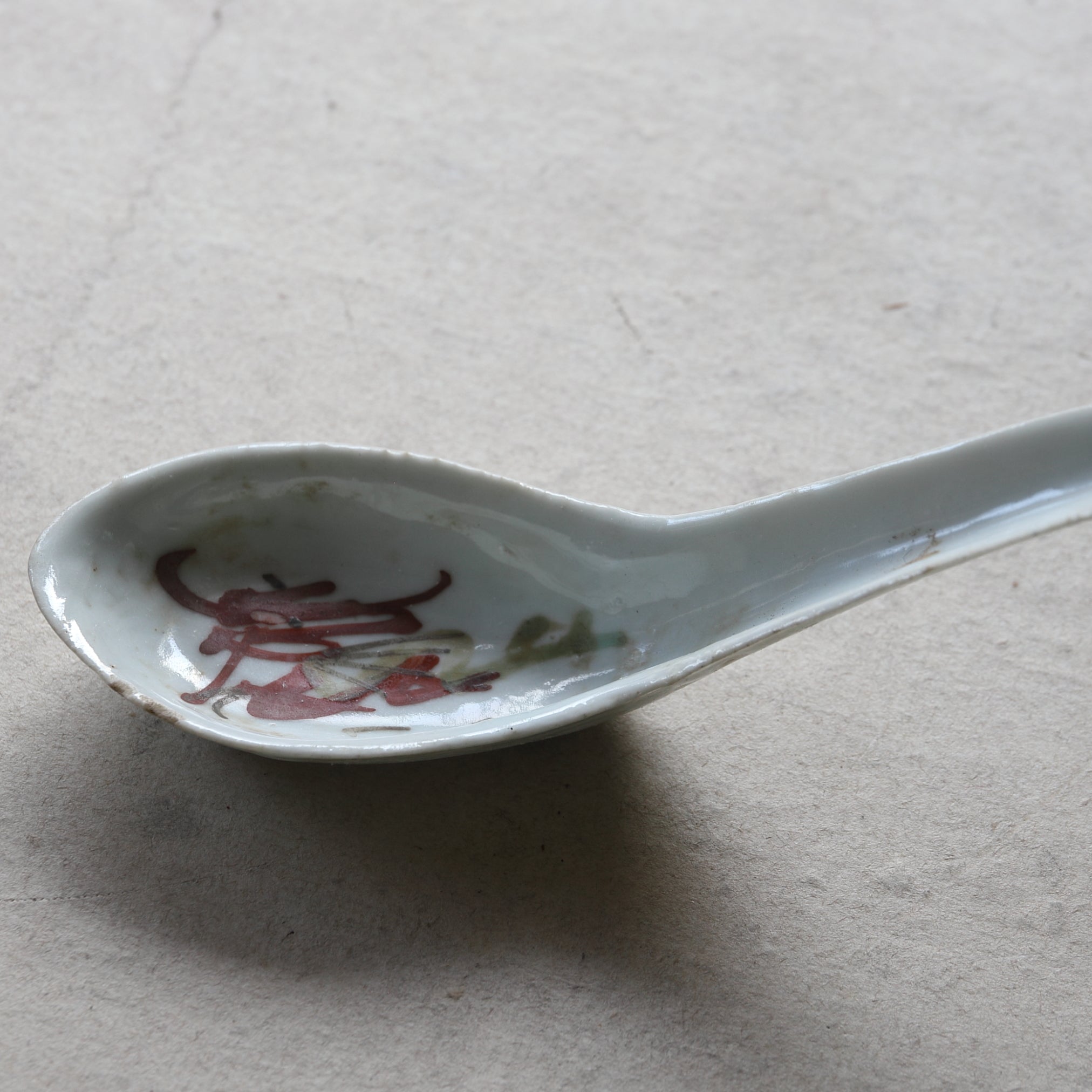
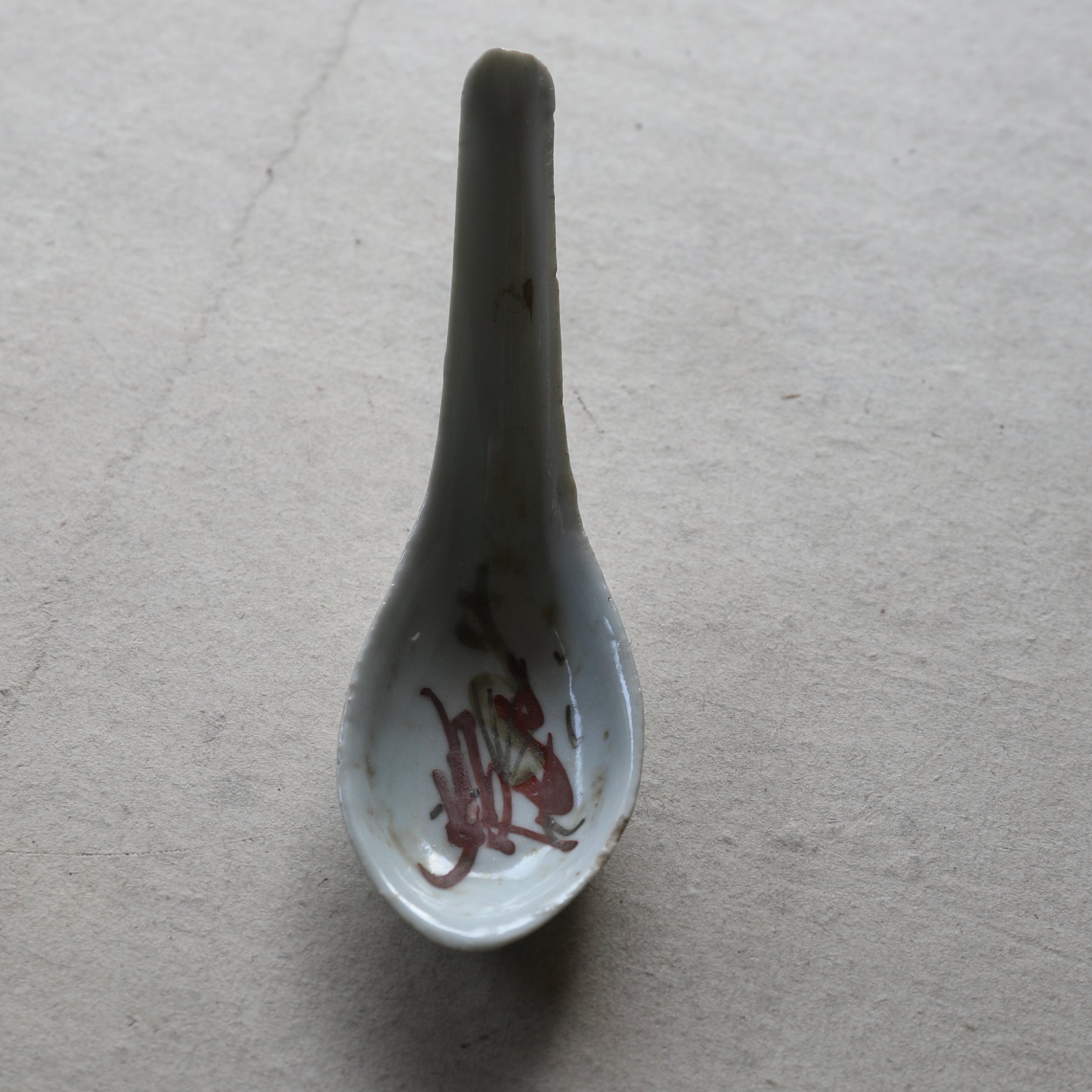
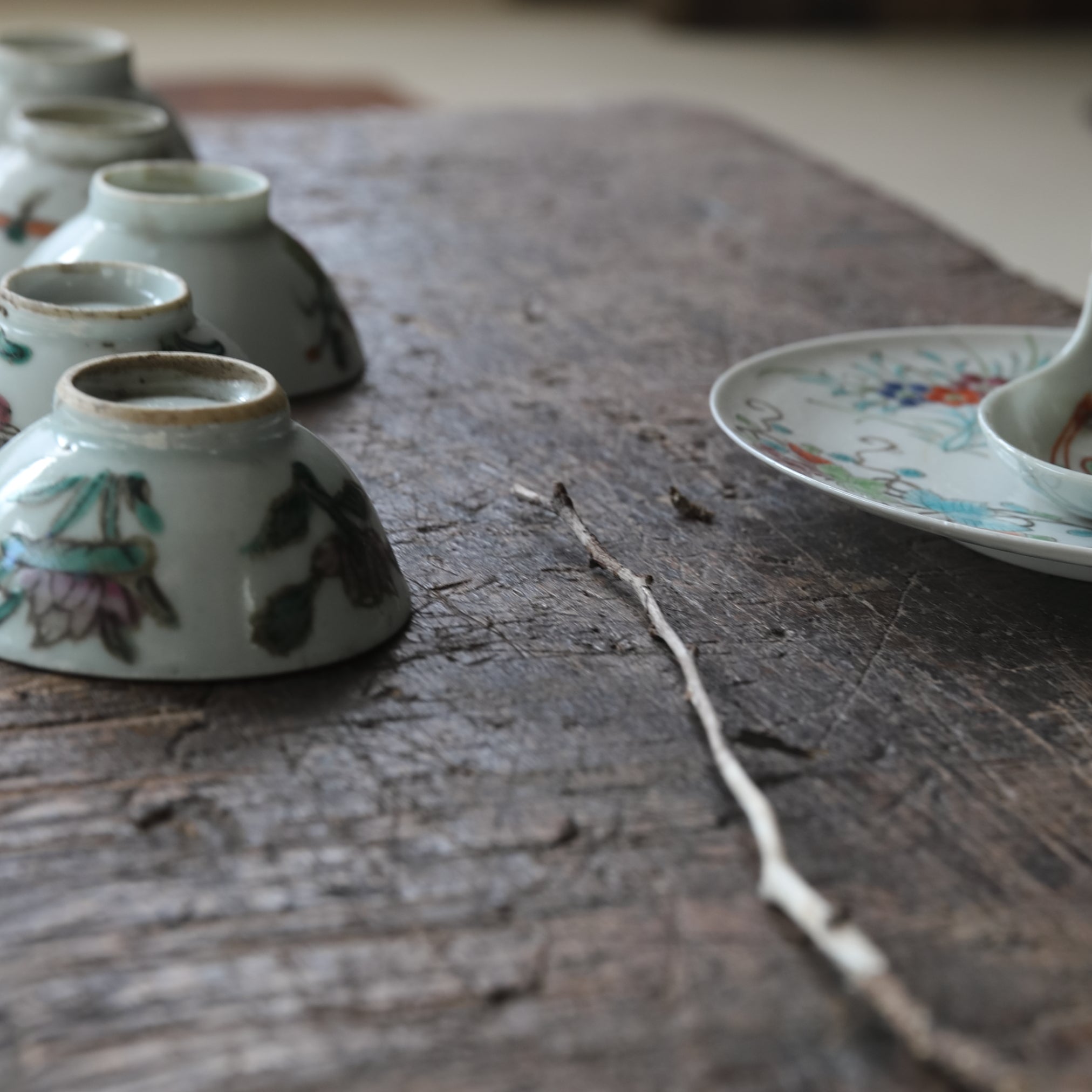
CUILLÈRE À SOUPE CHINOISE, a1, Dynastie Qing (1616–1911 apr. J.-C.)CUILLÈRE À SOUPE CHINOISE, a1, Dynastie Qing (1616–1911 apr. J.-C.)
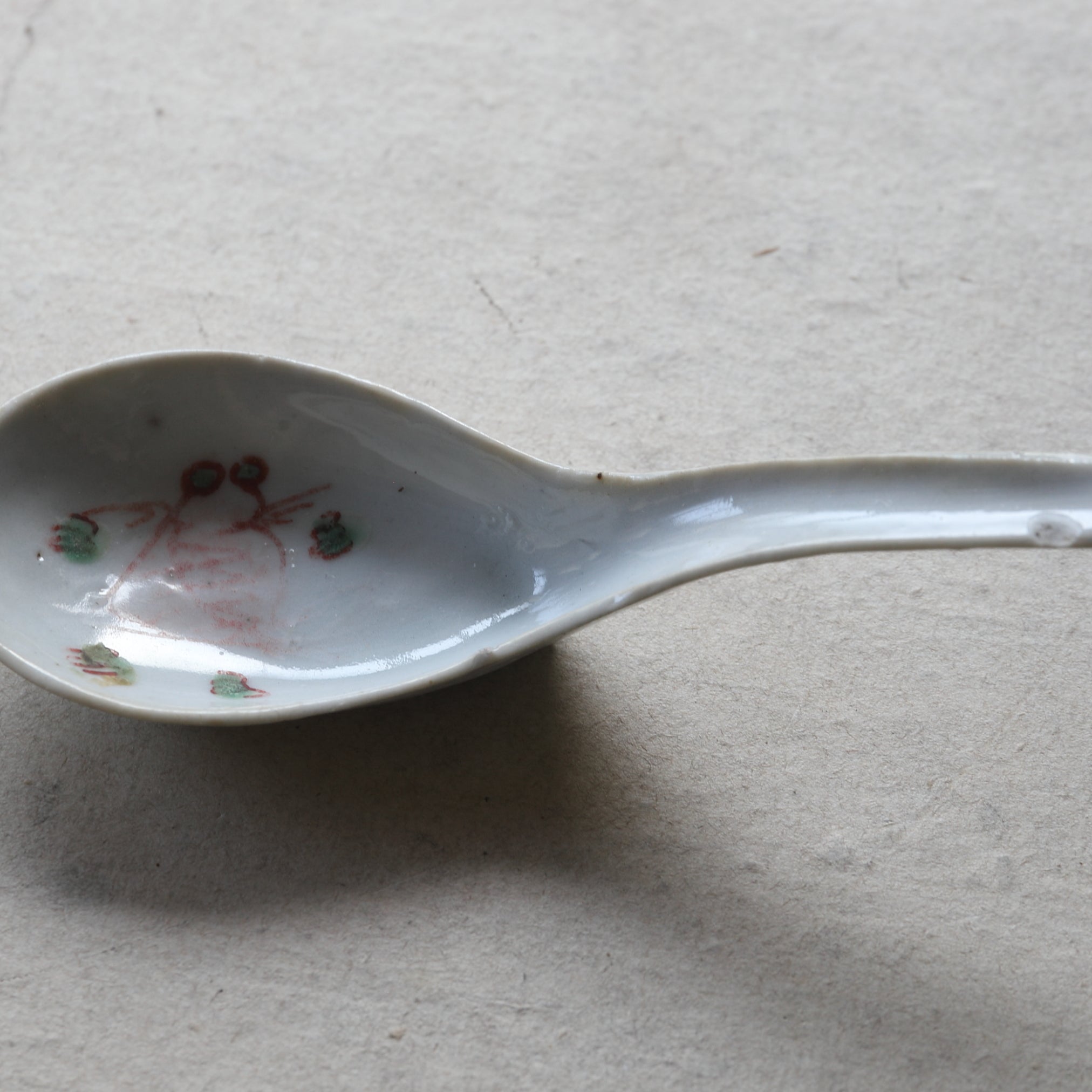
CUILLÈRE À SOUPE CHINOISE, b1, Dynastie Qing (1616–1911 apr. J.-C.)CUILLÈRE À SOUPE CHINOISE, b1, Dynastie Qing (1616–1911 apr. J.-C.)
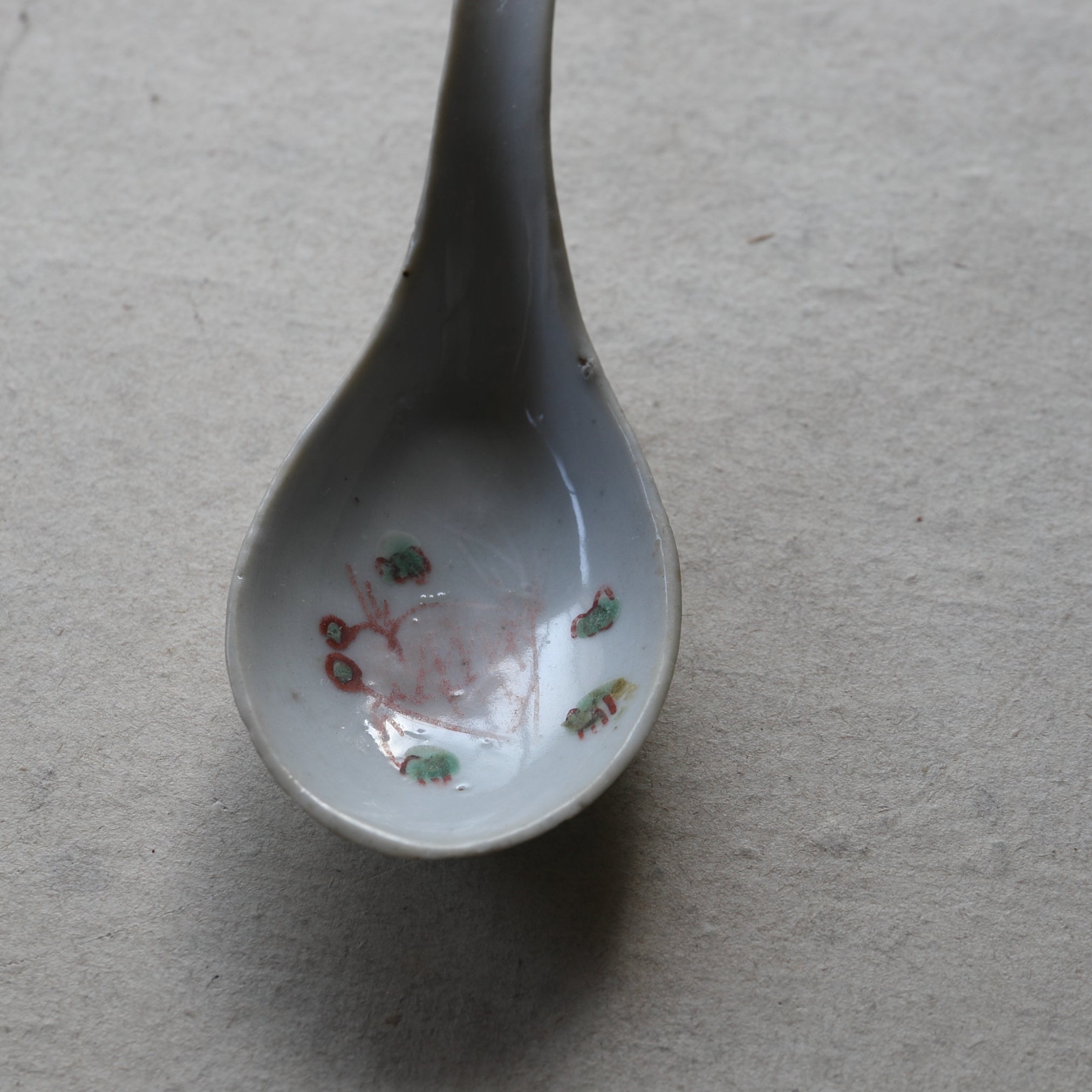
CUILLÈRE À SOUPE CHINOISE, a2, Dynastie Qing (1616–1911 apr. J.-C.)CUILLÈRE À SOUPE CHINOISE, a2, Dynastie Qing (1616–1911 apr. J.-C.)
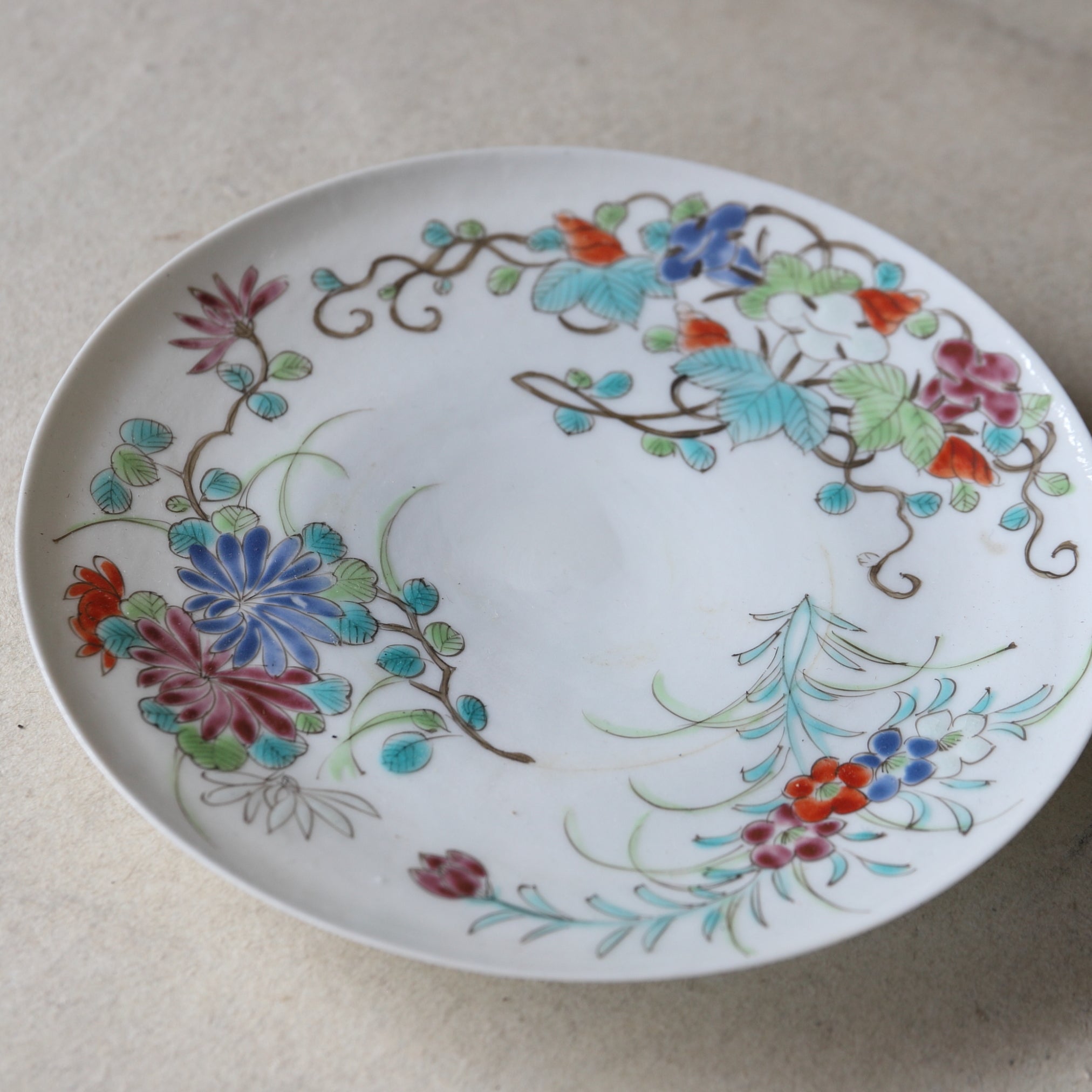
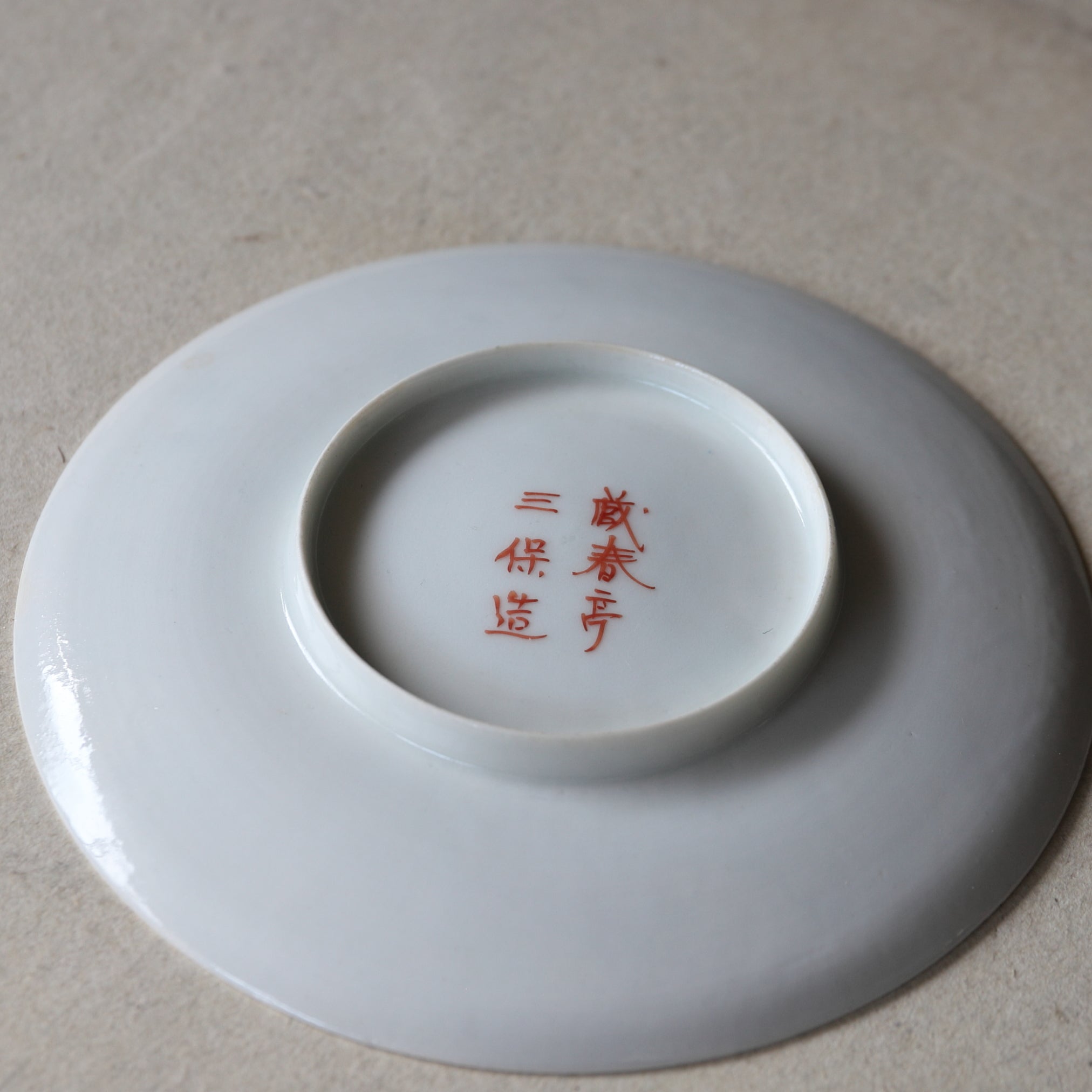
PLAT, Porcelaine blanche, zōshuntei sanpo zō, Période Edo (1603–1867 apr. J.-C.)PLAT, Porcelaine blanche, zōshuntei sanpo zō, Période Edo (1603–1867 apr. J.-C.)
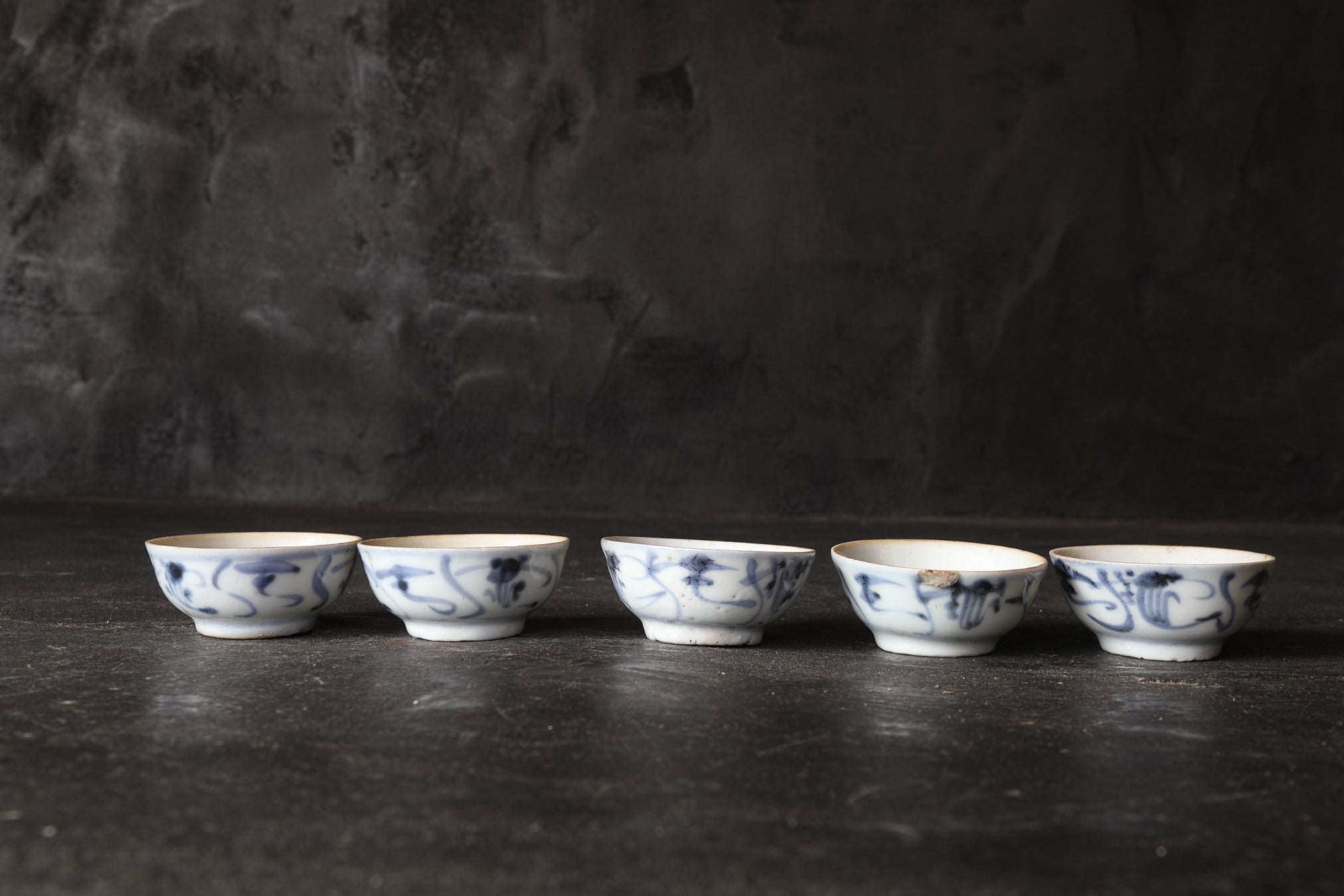
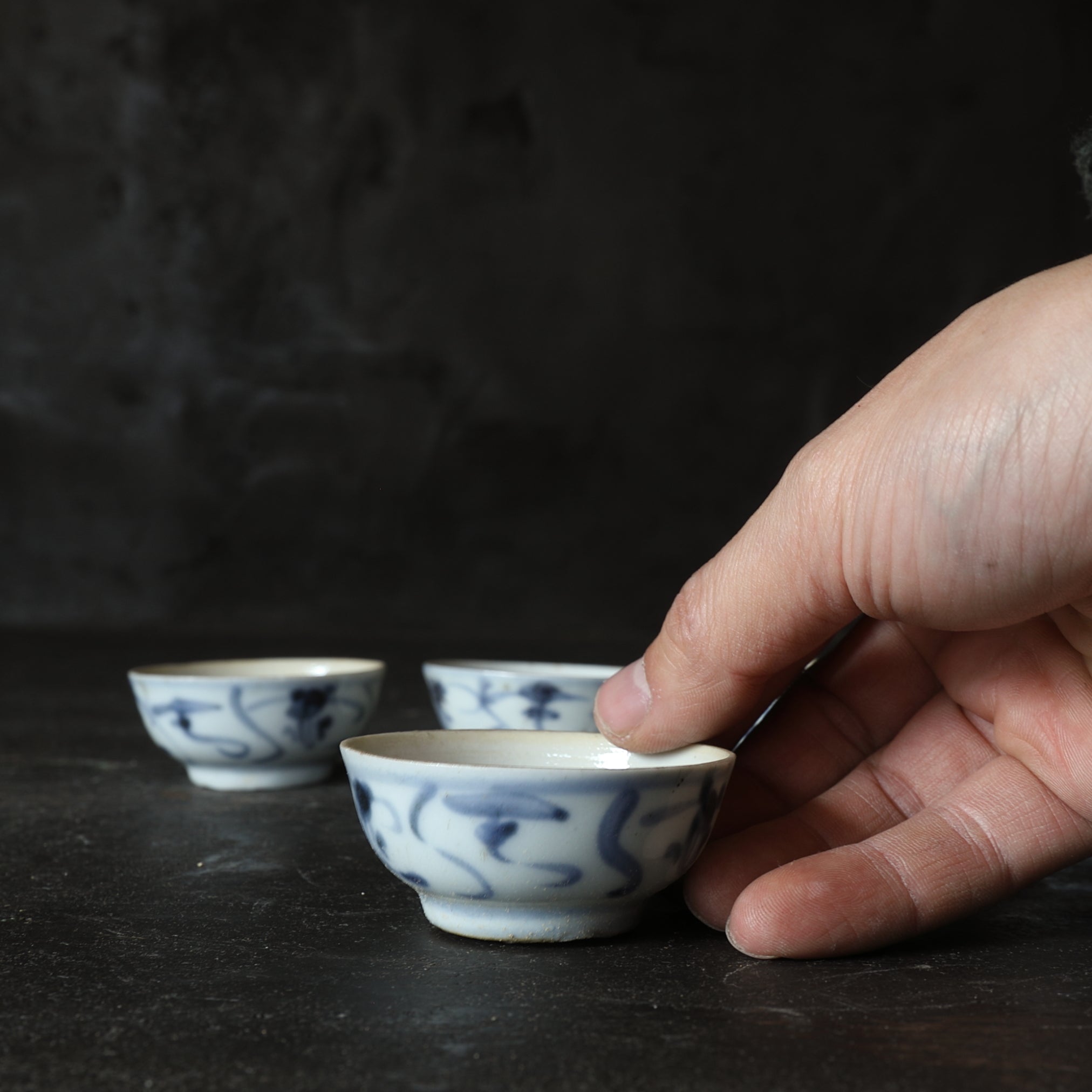
BOL À THÉ, Ko-Sometsuke, avec motif d'herbe, ensemble de 5, Dynastie Ming (1368–1644 apr. J.-C.)BOL À THÉ, Ko-Sometsuke, avec motif d'herbe, ensemble de 5, Dynastie Ming (1368–1644 apr. J.-C.)
TASSE À SENCHA, Ko-Sometsuke, avec motif d'herbe, ensemble de 5, Dynastie Ming (1368–1644 apr. J.-C.)TASSE À SENCHA, Ko-Sometsuke, avec motif d'herbe, ensemble de 5, Dynastie Ming (1368–1644 apr. J.-C.)
JARRE ACCENTUÉE, Porcelaine blanche, Dynastie Joseon (1392–1897 apr. J.-C.)JARRE ACCENTUÉE, Porcelaine blanche, Dynastie Joseon (1392–1897 apr. J.-C.)
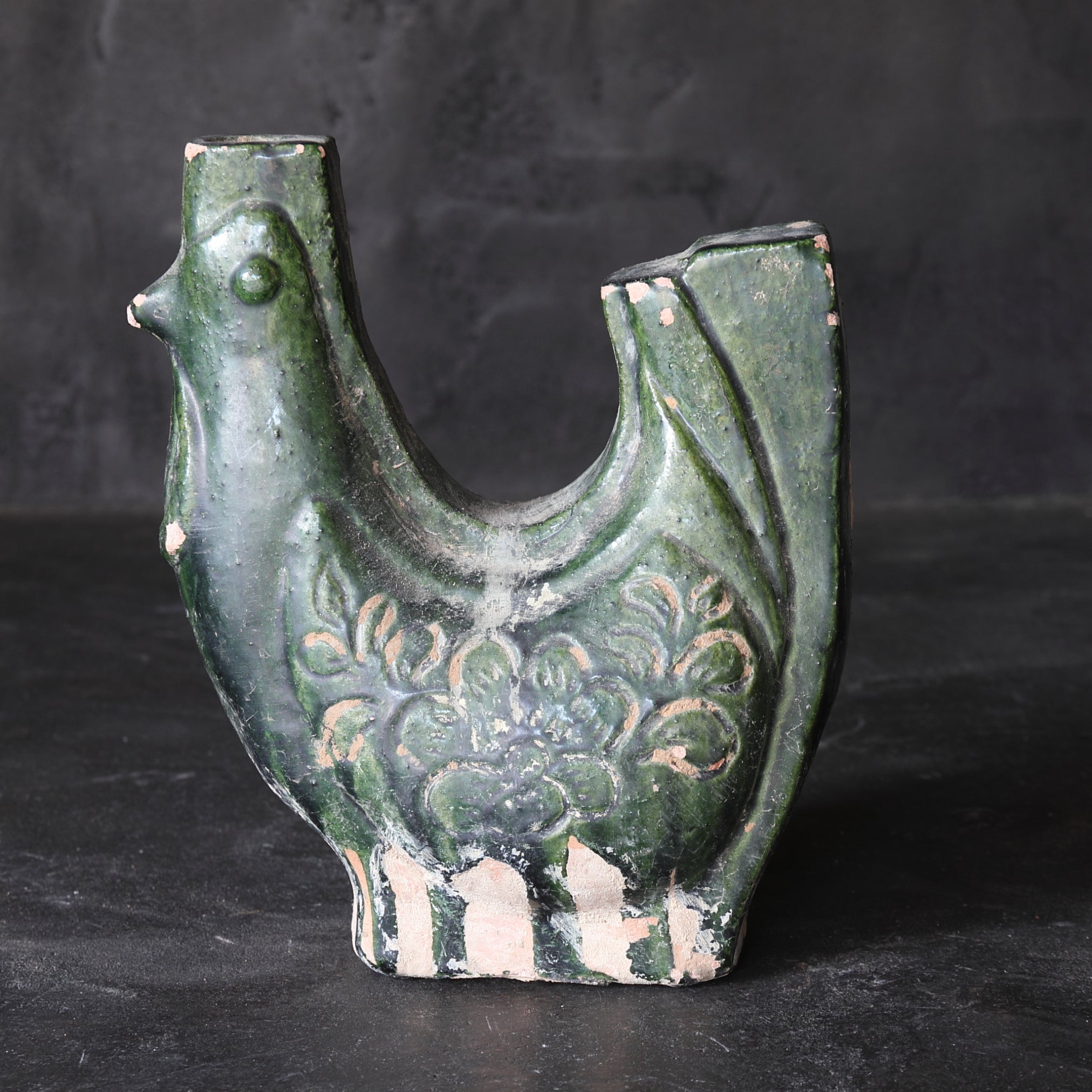
JARRE EN POULE, À glaçure verte, Dynastie Song (960–1279 apr. J.-C.)JARRE EN POULE, À glaçure verte, Dynastie Song (960–1279 apr. J.-C.)
HEISHI, À glaçure de cendre, Dynastie Goryeo (918–1392 apr. J.-C.)HEISHI, À glaçure de cendre, Dynastie Goryeo (918–1392 apr. J.-C.)
JARRE, Ko-Tokoname, Période Kamakura (1185–1333 apr. J.-C.)JARRE, Ko-Tokoname, Période Kamakura (1185–1333 apr. J.-C.)
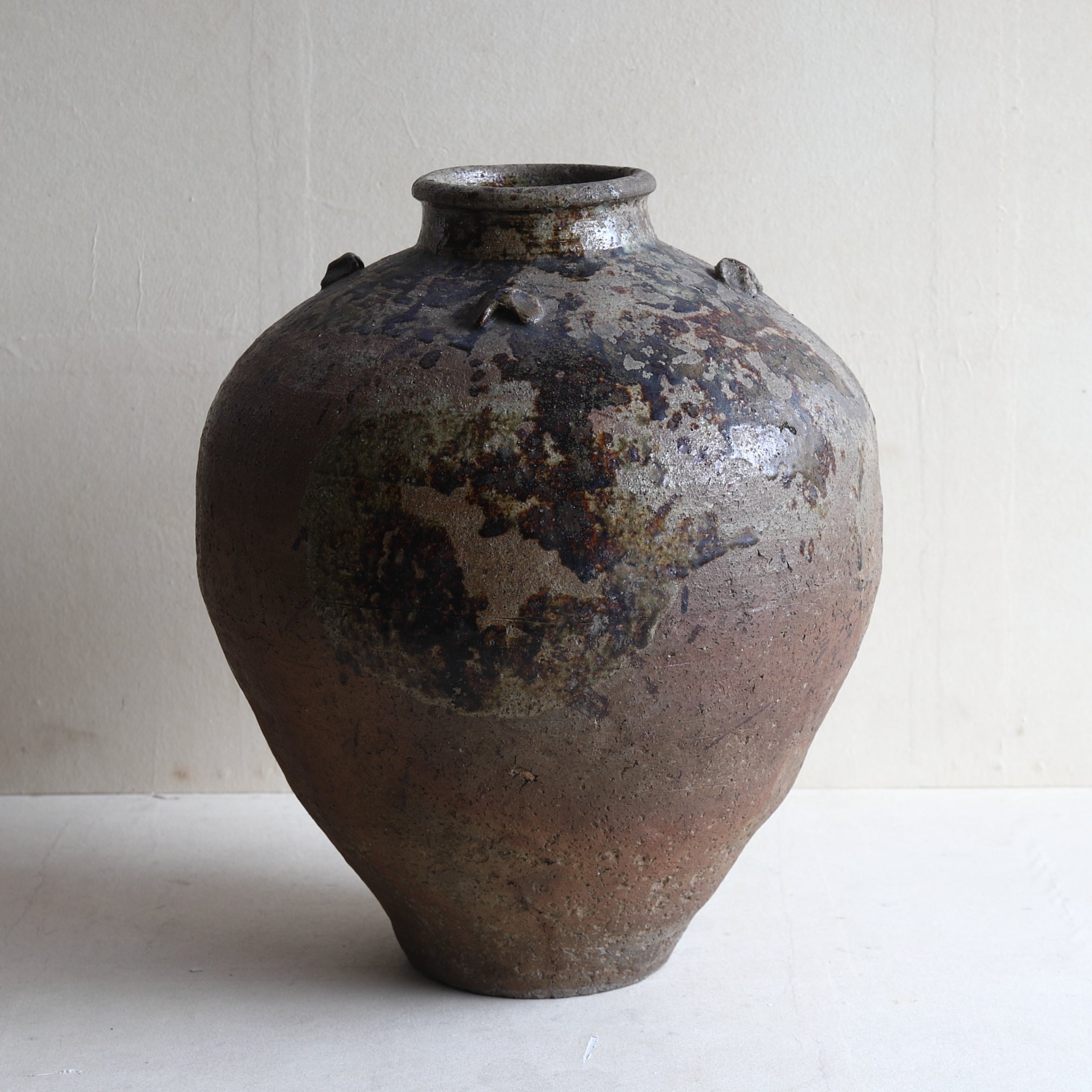
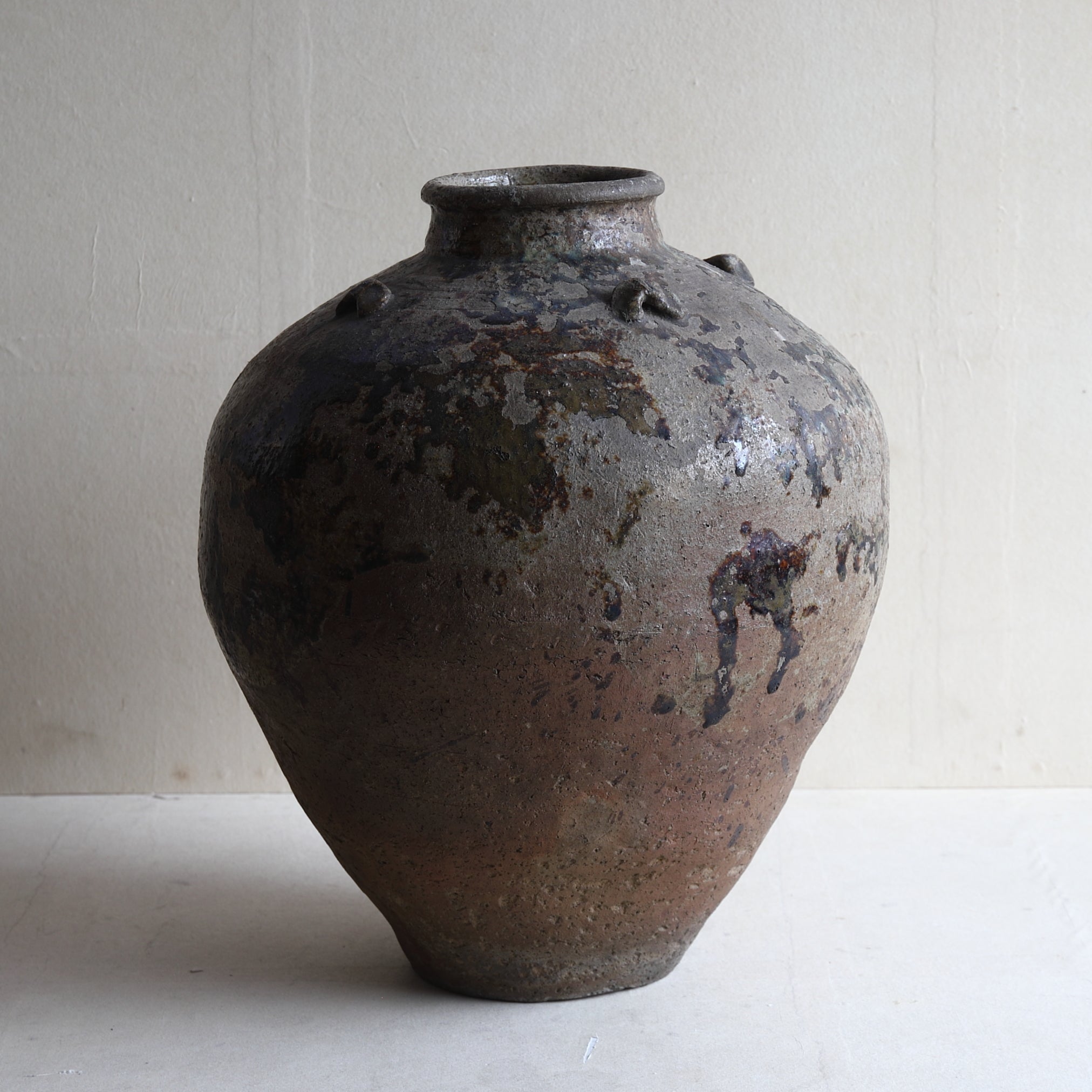
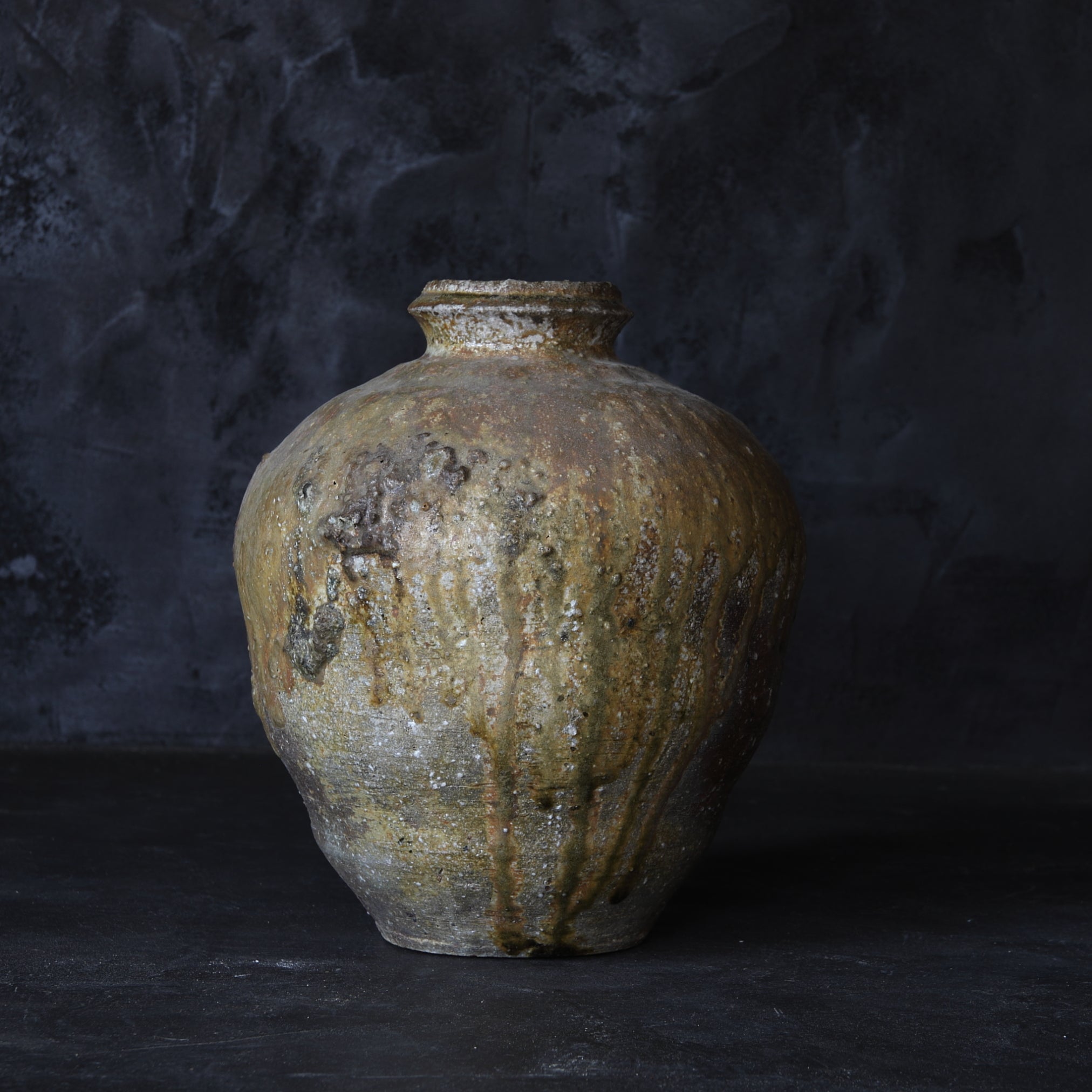
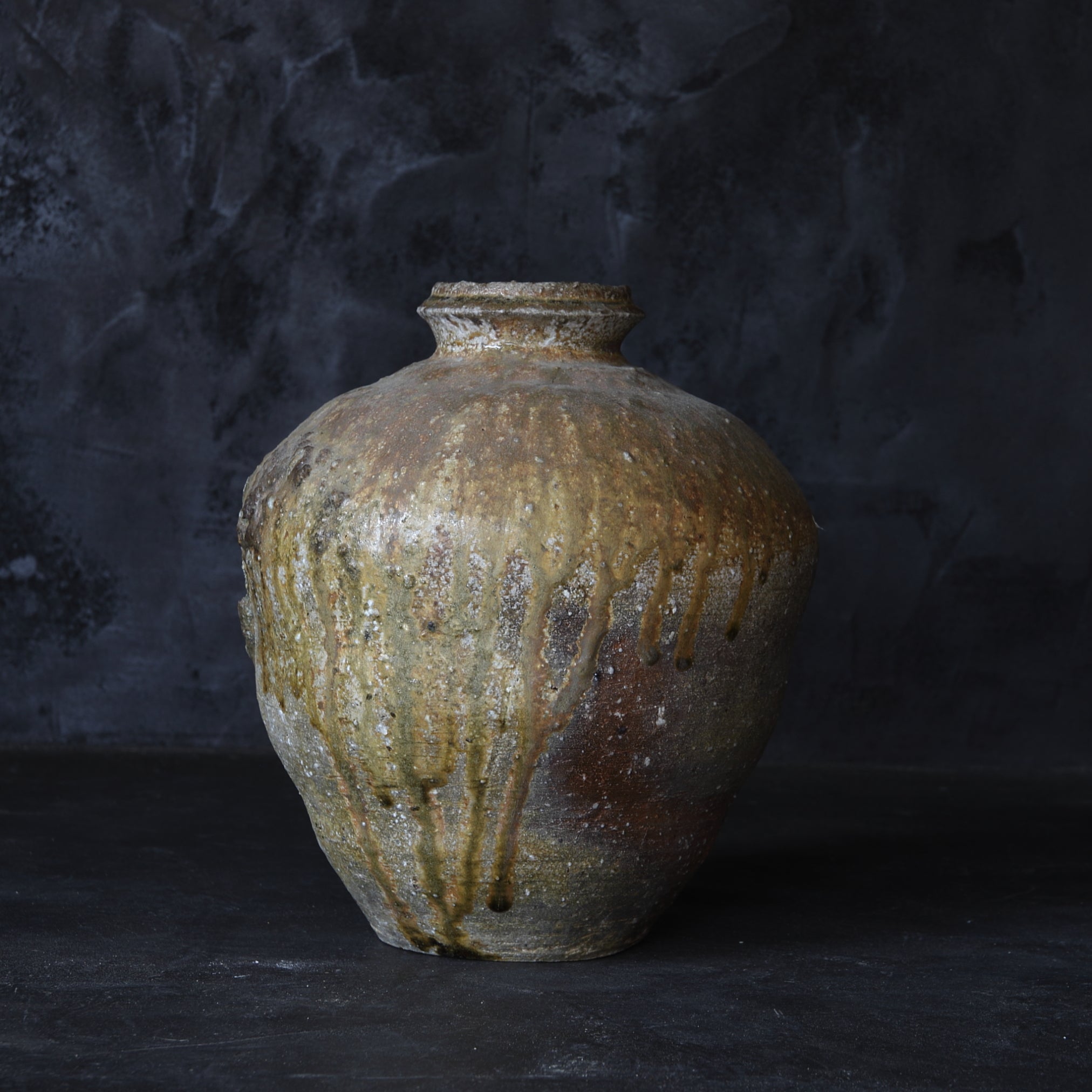
JARRE, Shigaraki, Période Edo (1603–1867 apr. J.-C.)JARRE, Shigaraki, Période Edo (1603–1867 apr. J.-C.)
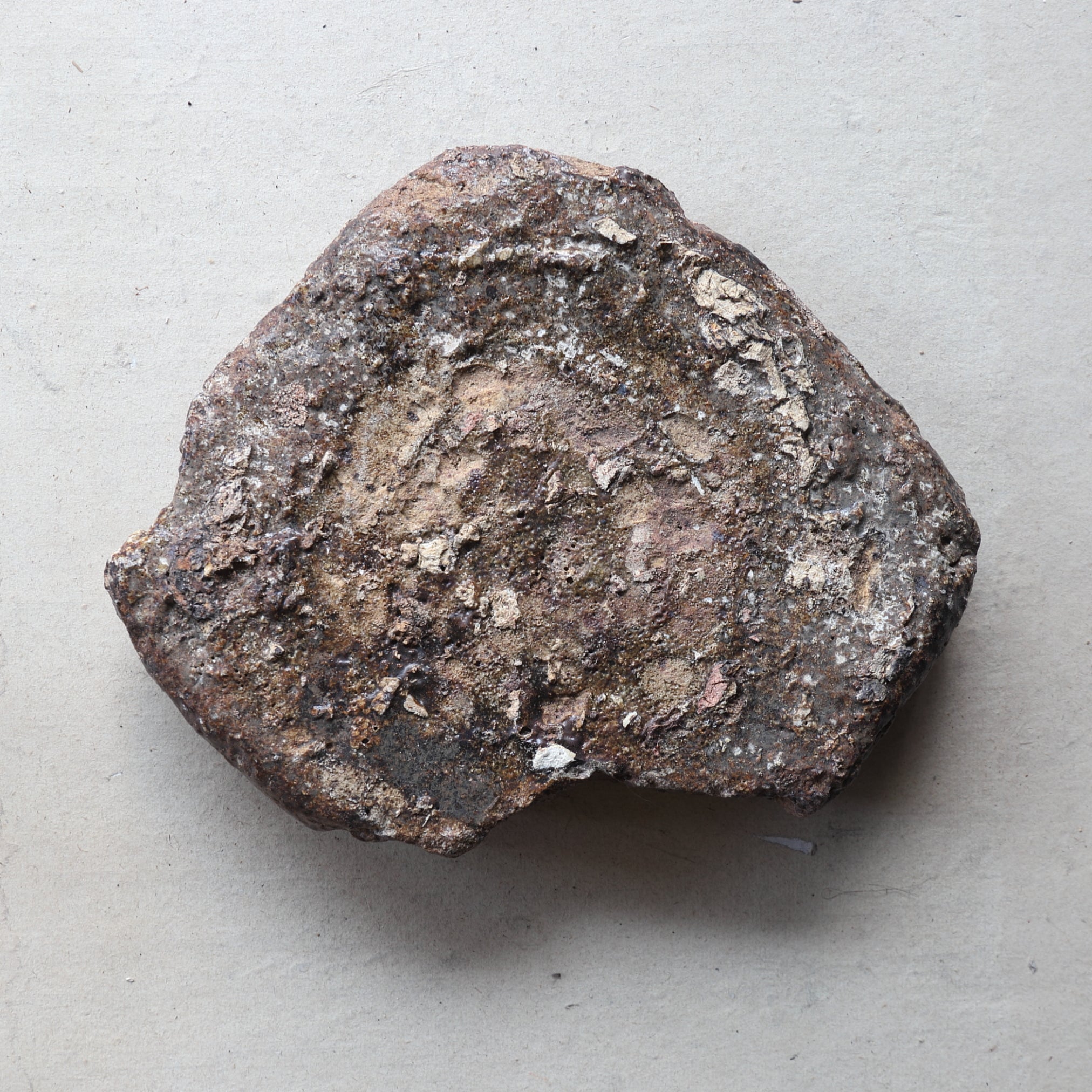
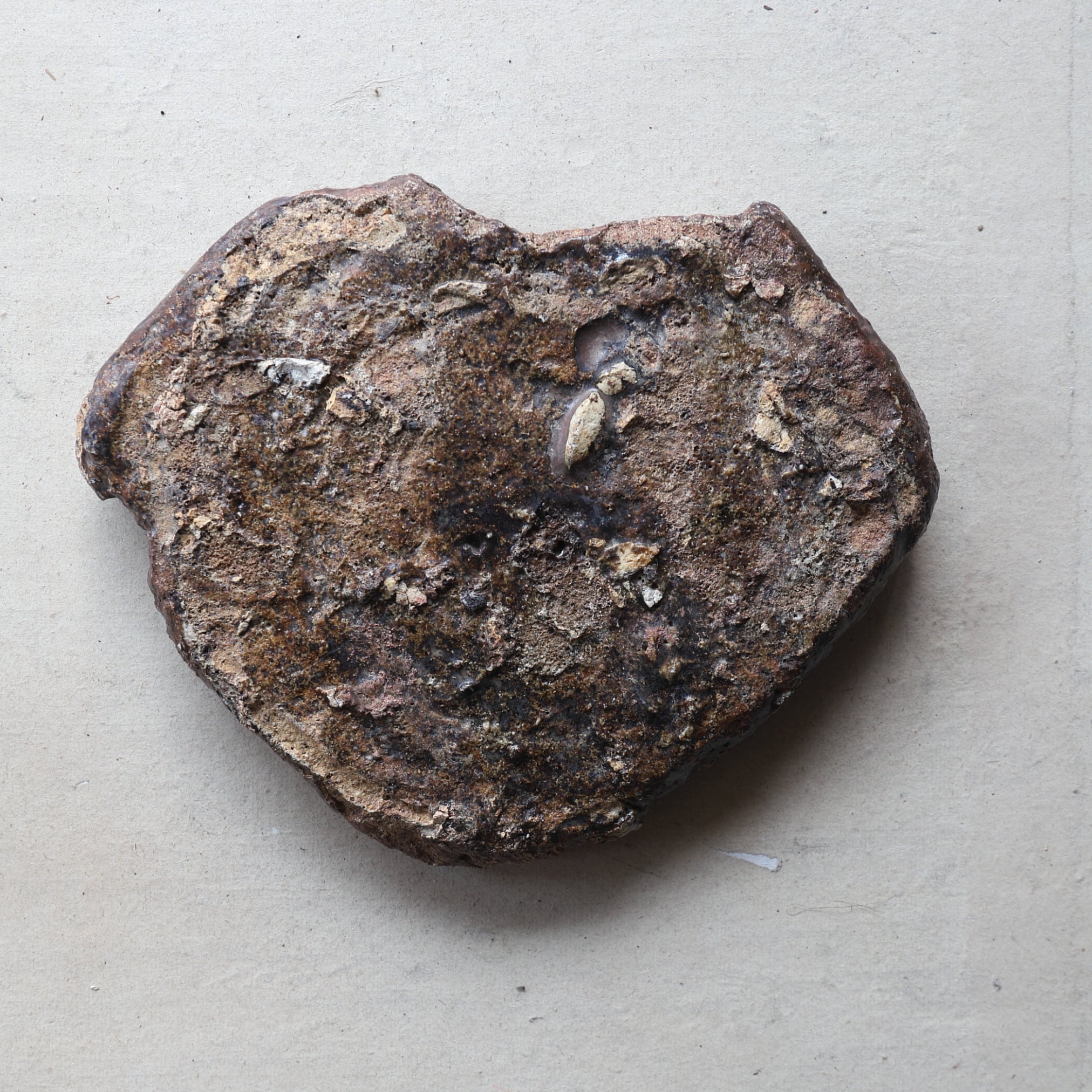
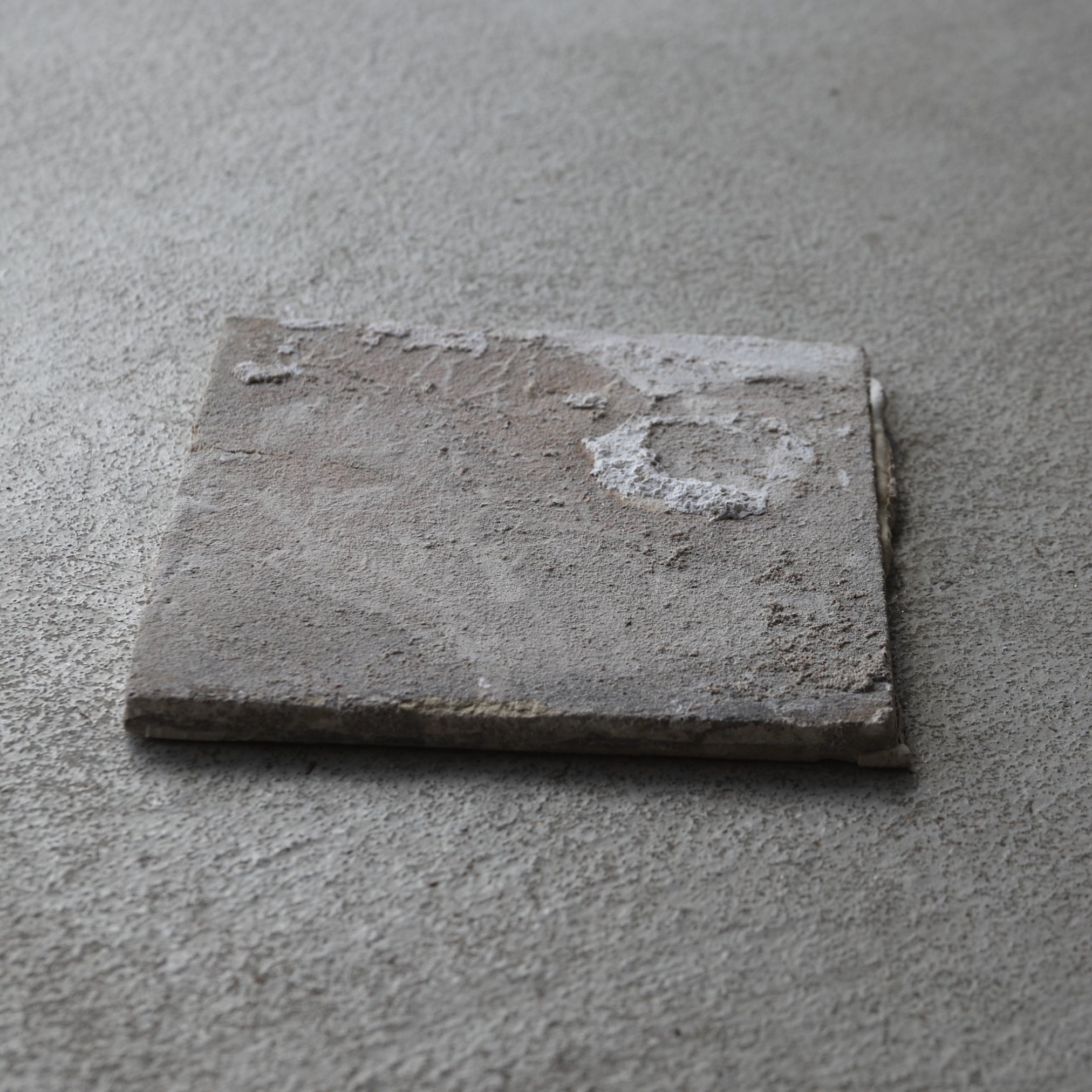
PLAT EN PLAQUE CÉRAMIQUE, Ko-Karatsu / Outil de four, bPLAT EN PLAQUE CÉRAMIQUE, Ko-Karatsu / Outil de four, b
PLAT EN PLAQUE CÉRAMIQUE, Ko-Karatsu / Outil de four, aPLAT EN PLAQUE CÉRAMIQUE, Ko-Karatsu / Outil de four, a
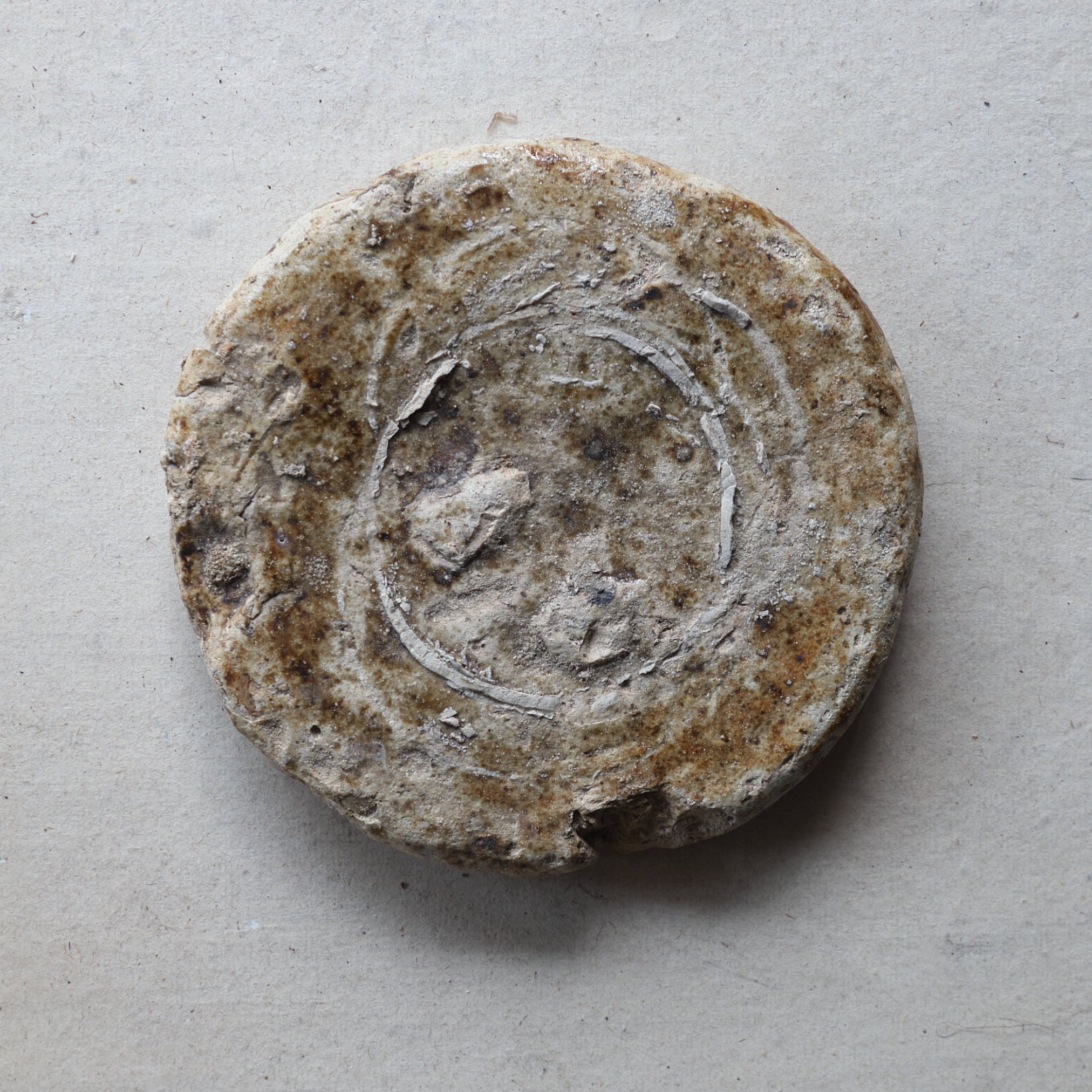
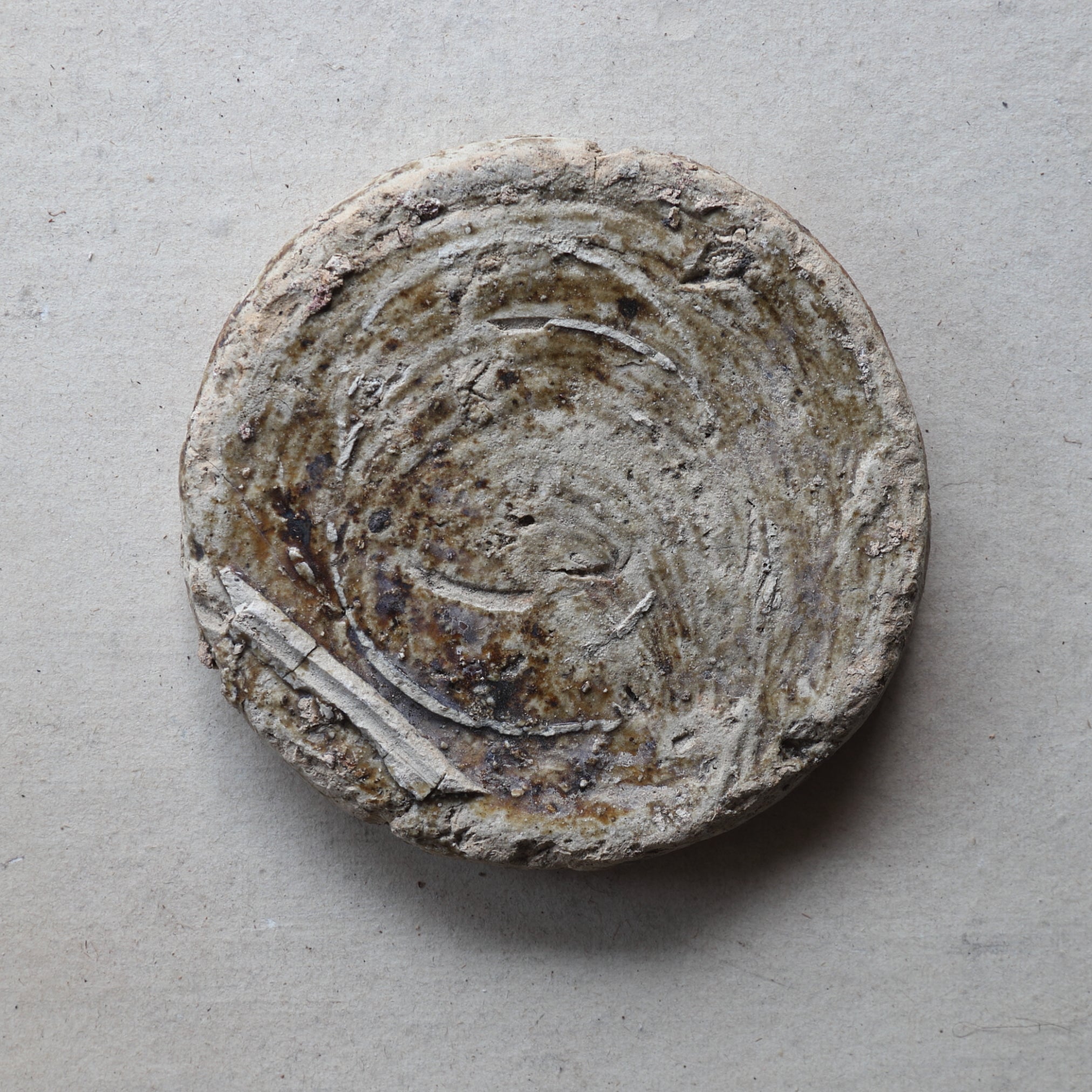
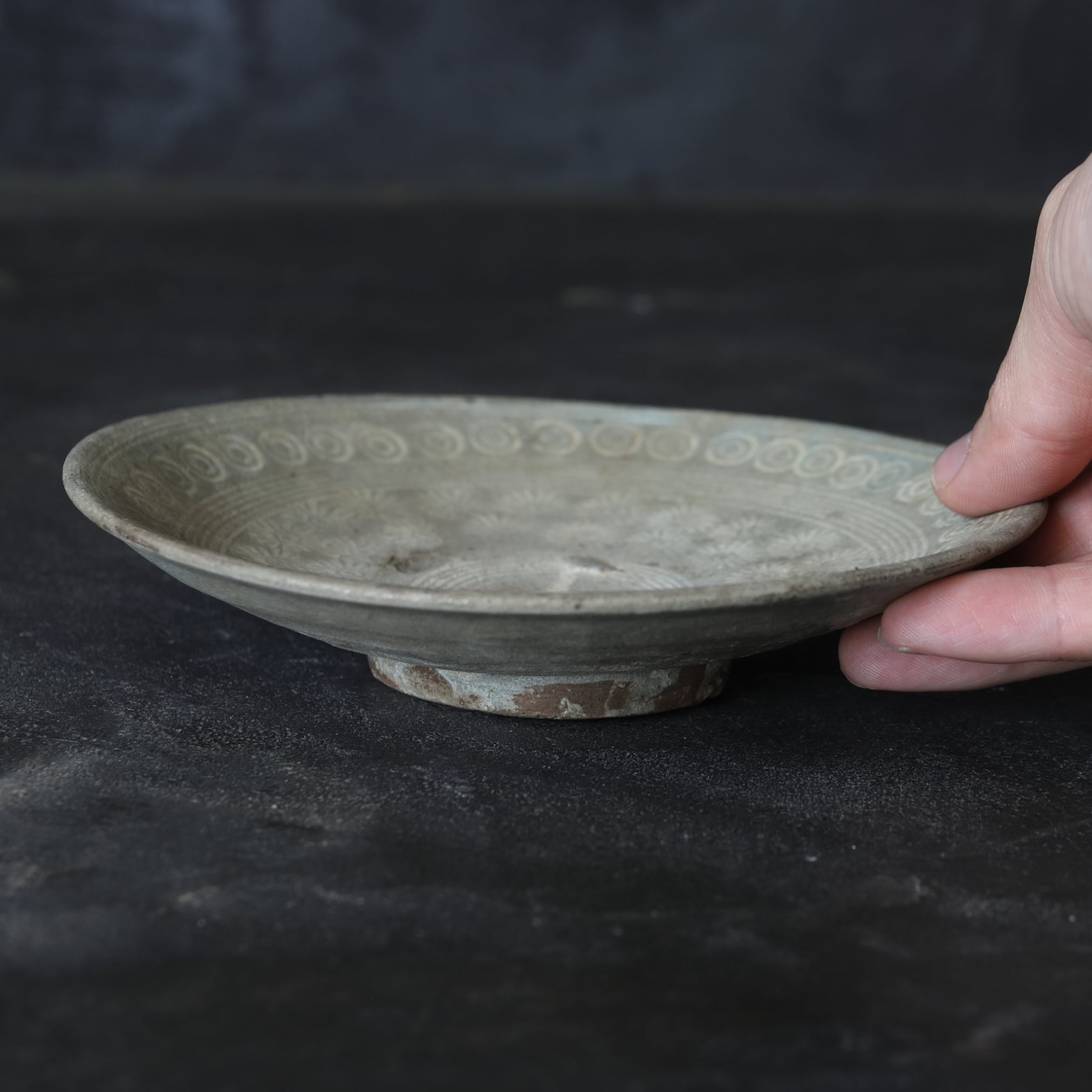
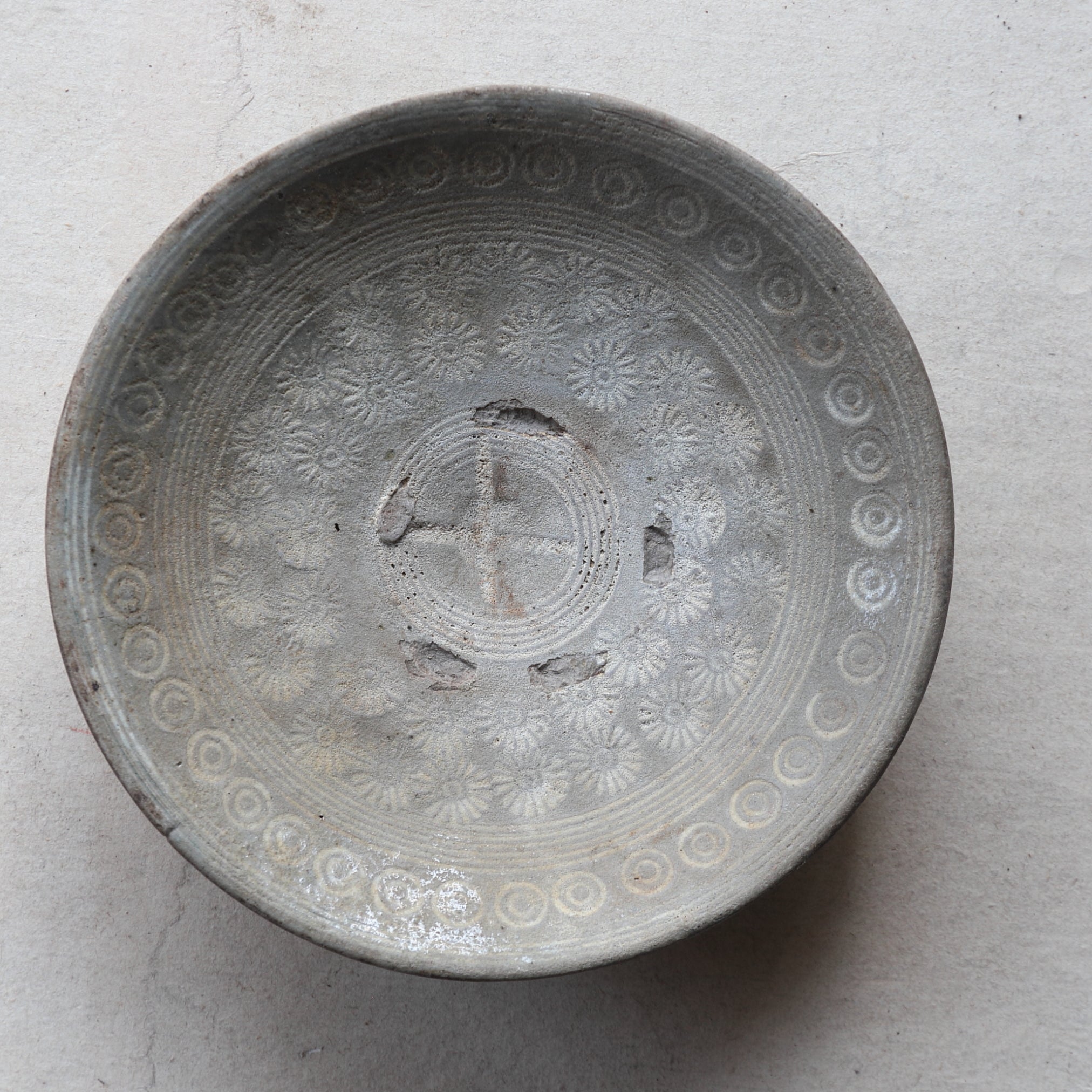
PLAT, Mishima incrusté, avec motif floral, Dynastie Joseon (1392–1897 apr. J.-C.)PLAT, Mishima incrusté, avec motif floral, Dynastie Joseon (1392–1897 apr. J.-C.)
PLAT, Céramique Buncheong, Dynastie Joseon (1392–1897 apr. J.-C.)PLAT, Céramique Buncheong, Dynastie Joseon (1392–1897 apr. J.-C.)
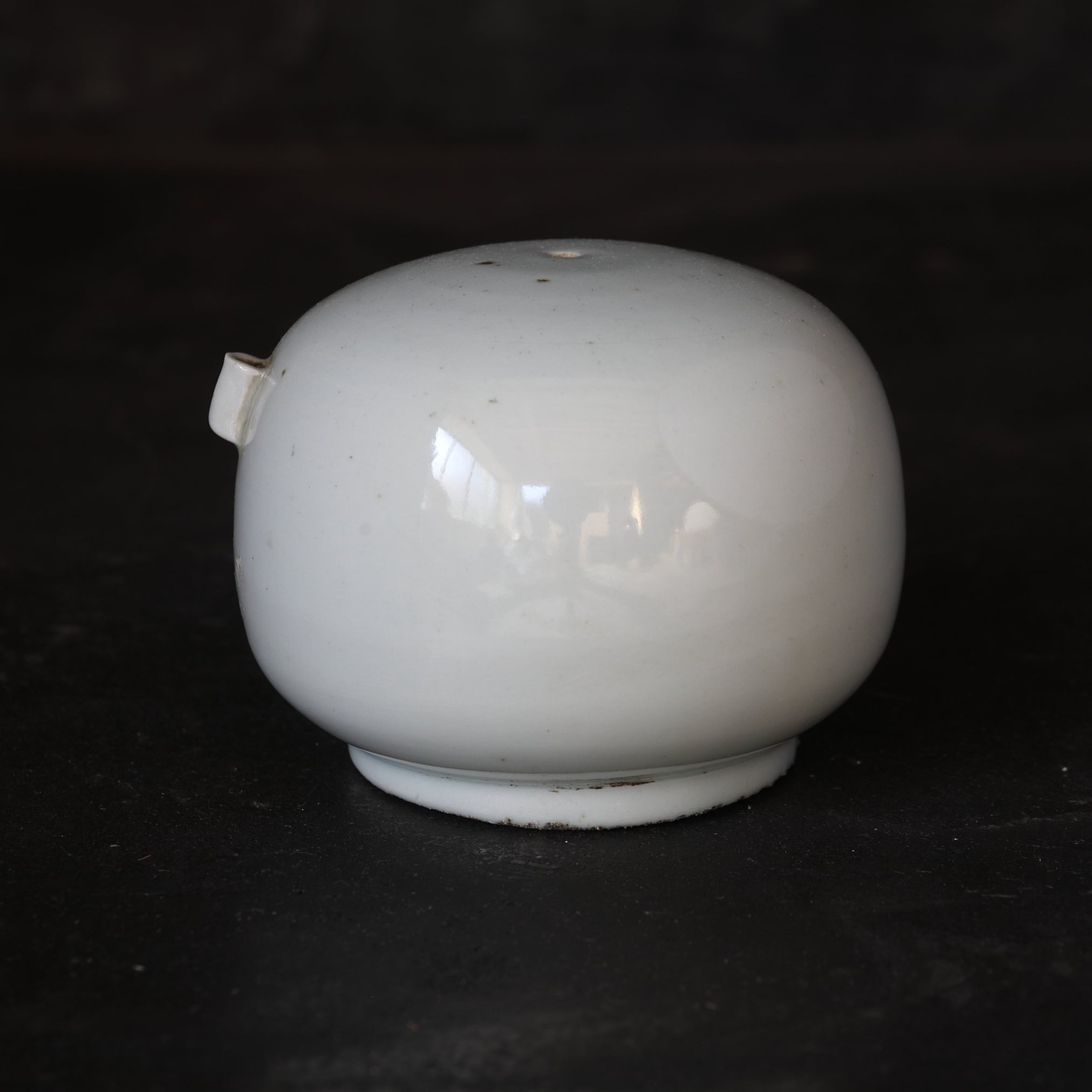
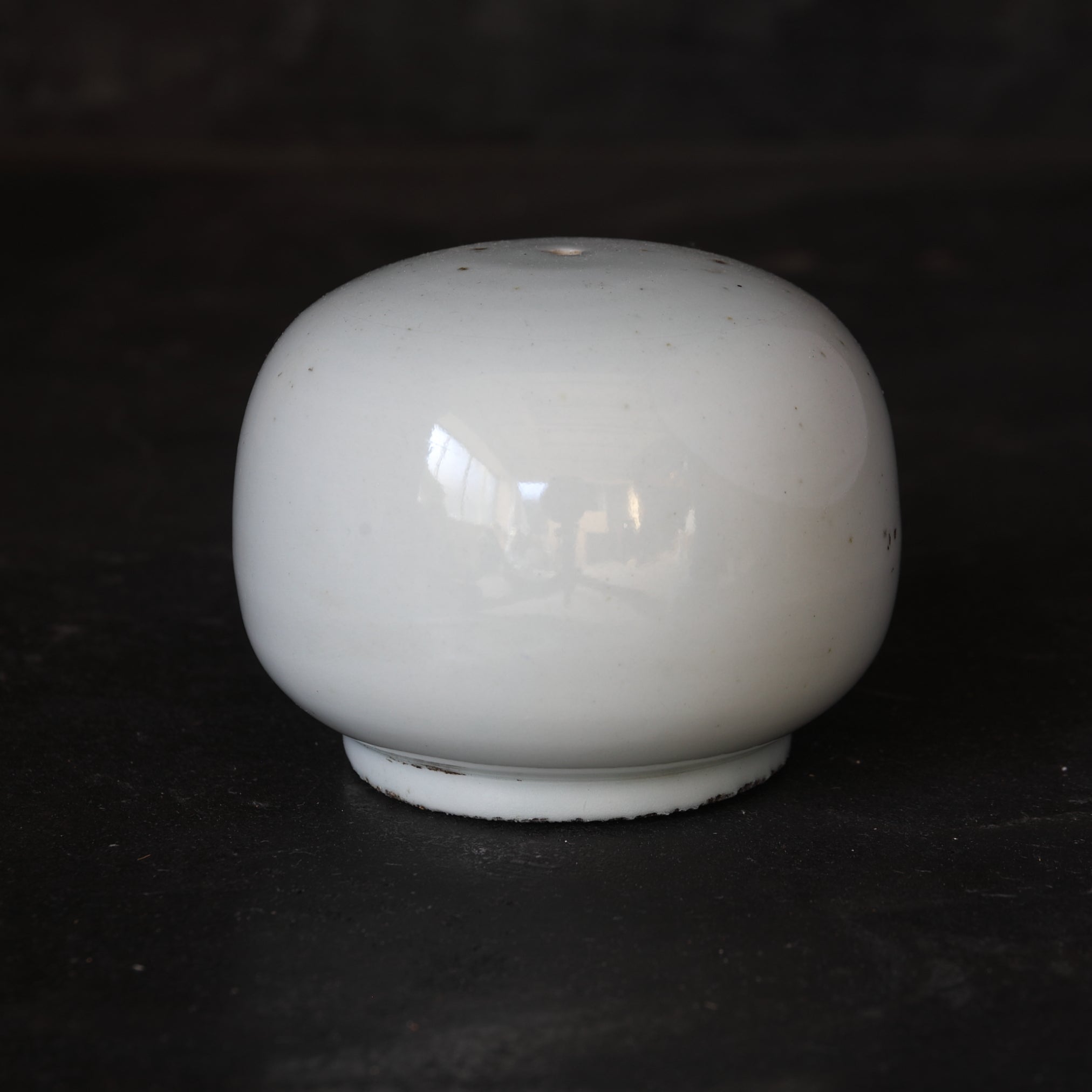
COMPTE-GOUTTES À EAU EN GENOU, Porcelaine blanche, Dynastie Joseon (1392–1897 apr. J.-C.)COMPTE-GOUTTES À EAU EN GENOU, Porcelaine blanche, Dynastie Joseon (1392–1897 apr. J.-C.)
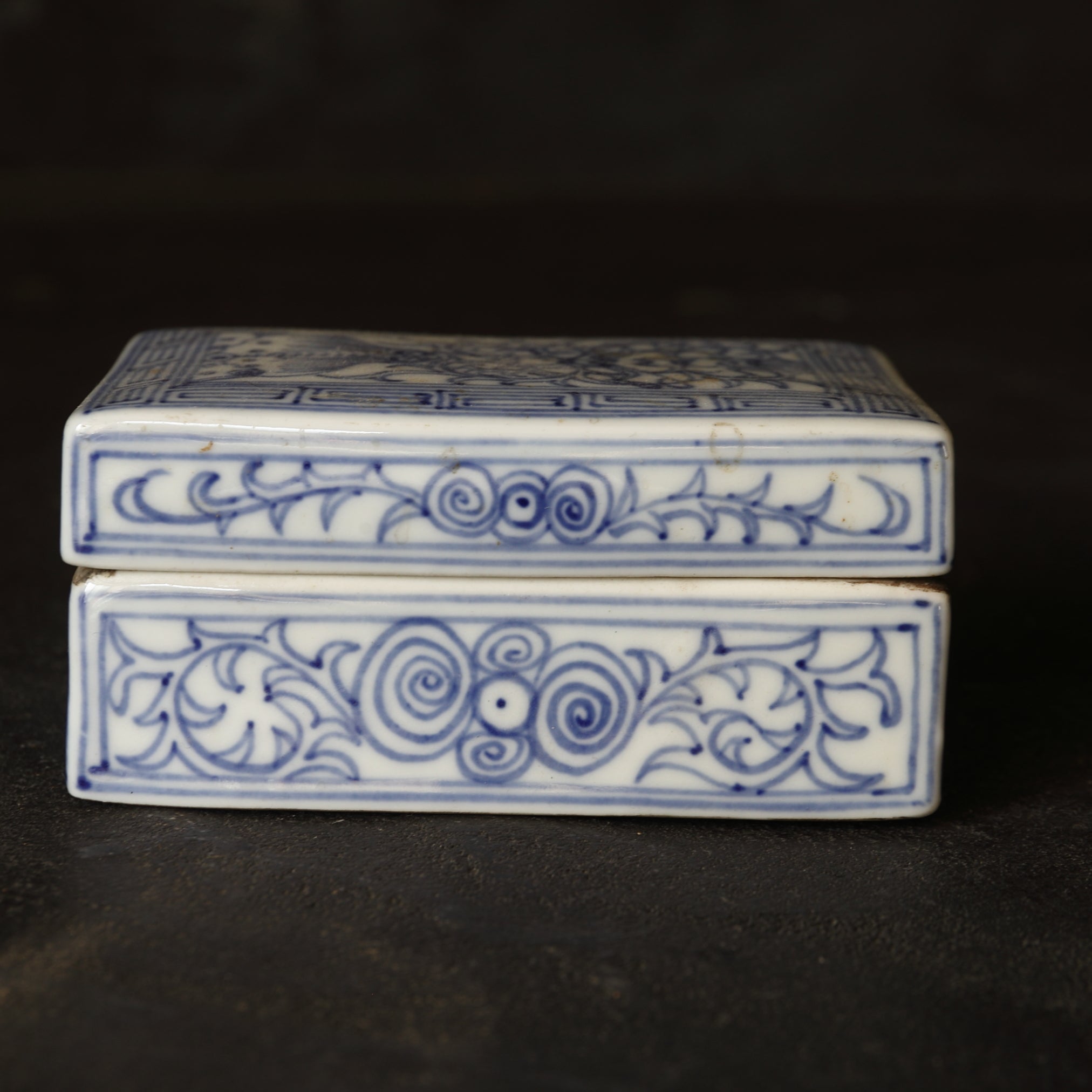
RÉCIPIENT AVEC COUVERCLE, Avec bleu sous couverte motif d'herbe, Dynastie Qing (1616–1911 apr. J.-C.)RÉCIPIENT AVEC COUVERCLE, Avec bleu sous couverte motif d'herbe, Dynastie Qing (1616–1911 apr. J.-C.)
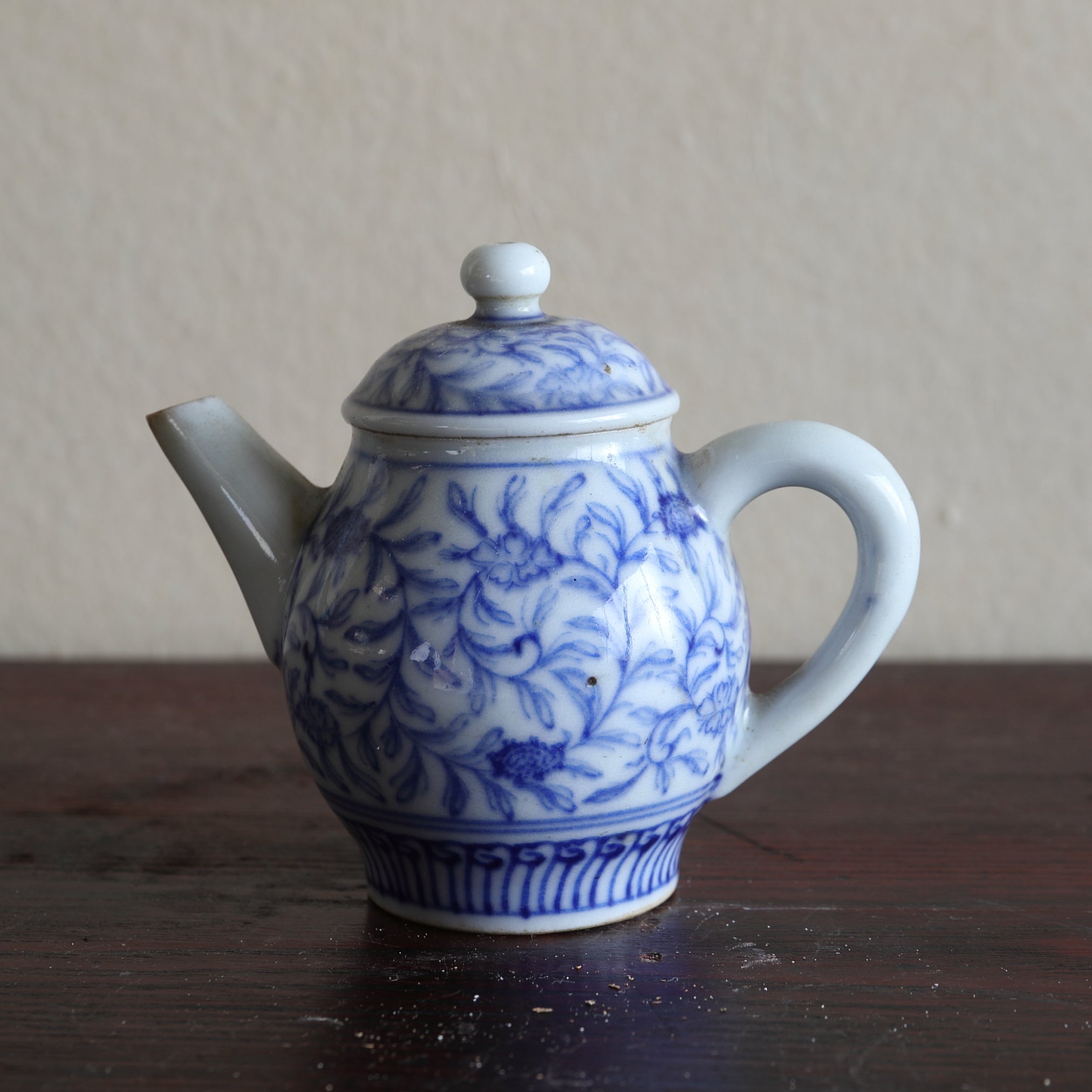
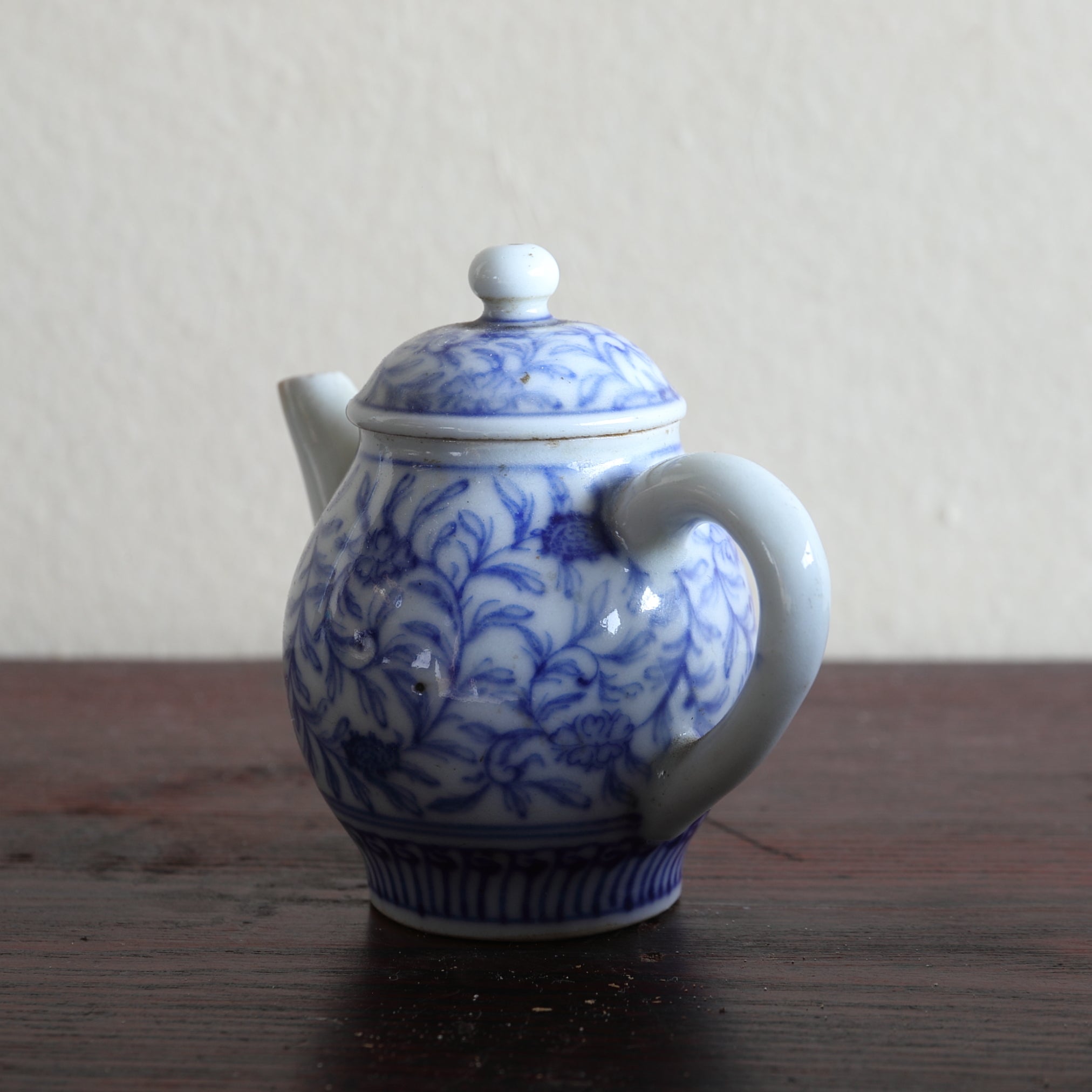
THÉIÈRE, Porcelaine bleu et blanc avec motif d'herbe, chenghua nian zhi, Dynastie Qing (1616–1911 apr. J.-C.)THÉIÈRE, Porcelaine bleu et blanc avec motif d'herbe, chenghua nian zhi, Dynastie Qing (1616–1911 apr. J.-C.)
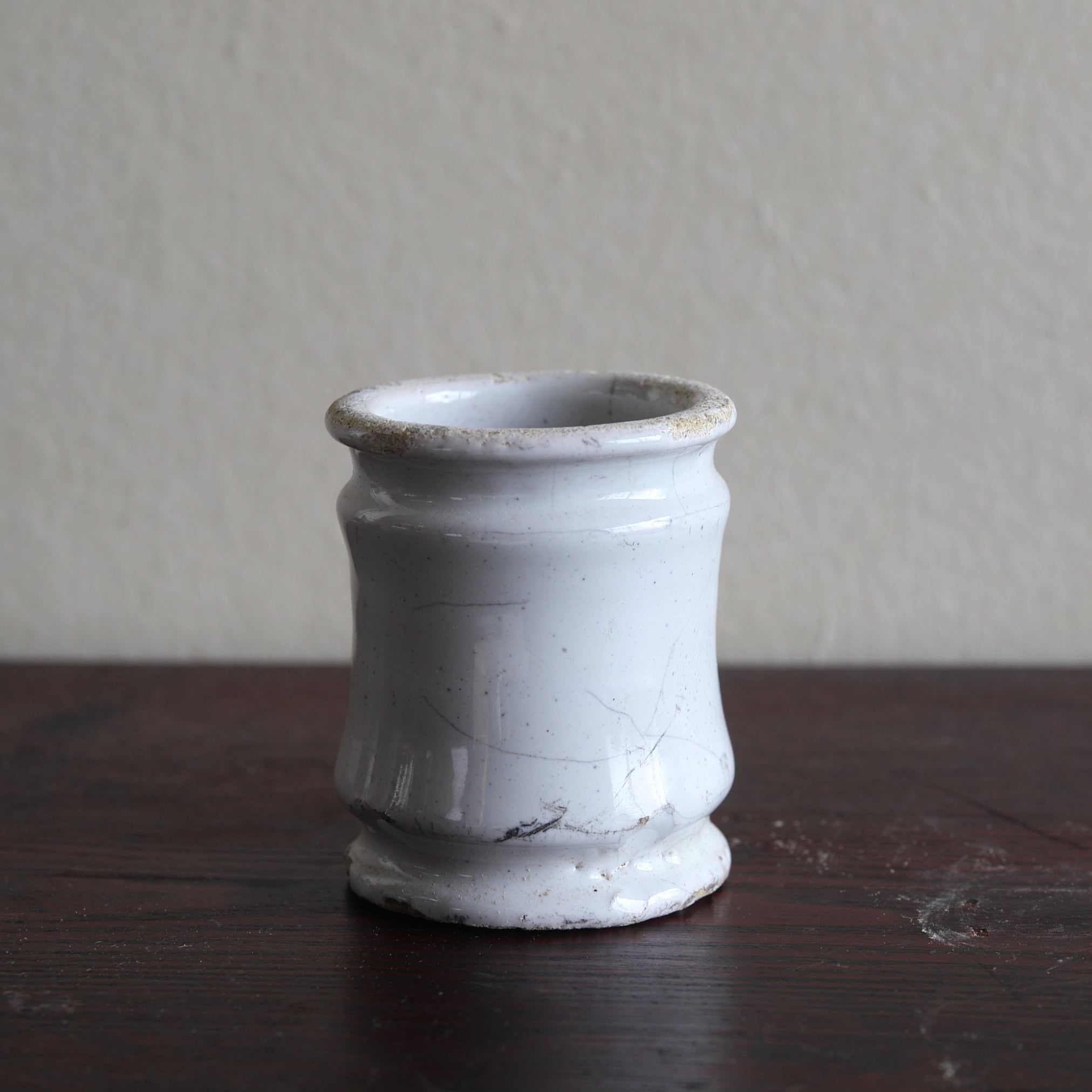
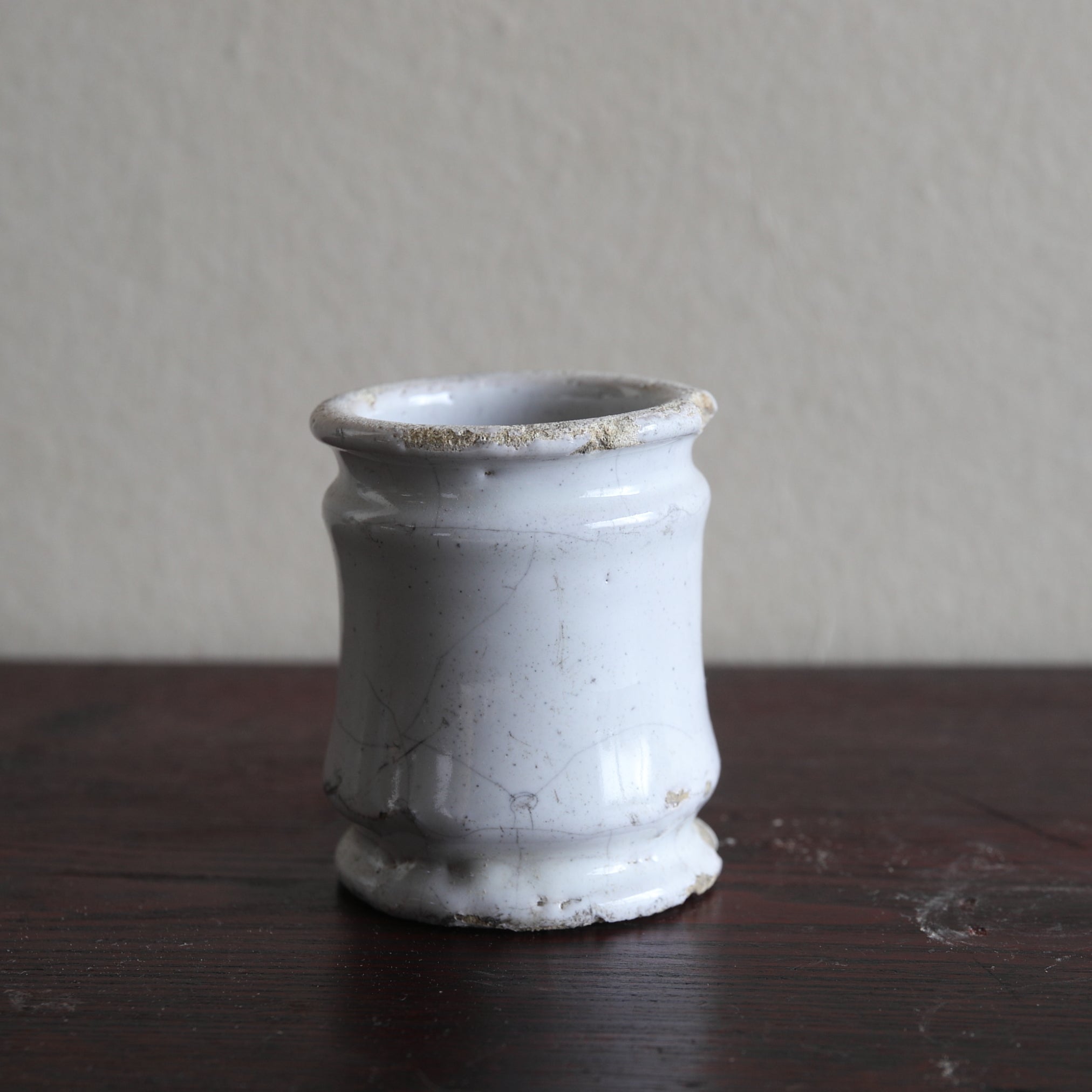
PETIT JARRE DE TYPE ALBARELLO, Faïence de Delft, à glaçure blanche, Hollandais, XVIIIe s., Période moderne précoce (XVIe–XIXe siècle)PETIT JARRE DE TYPE ALBARELLO, Faïence de Delft, à glaçure blanche, Hollandais, XVIIIe s., Période moderne précoce (XVIe–XIXe siècle)
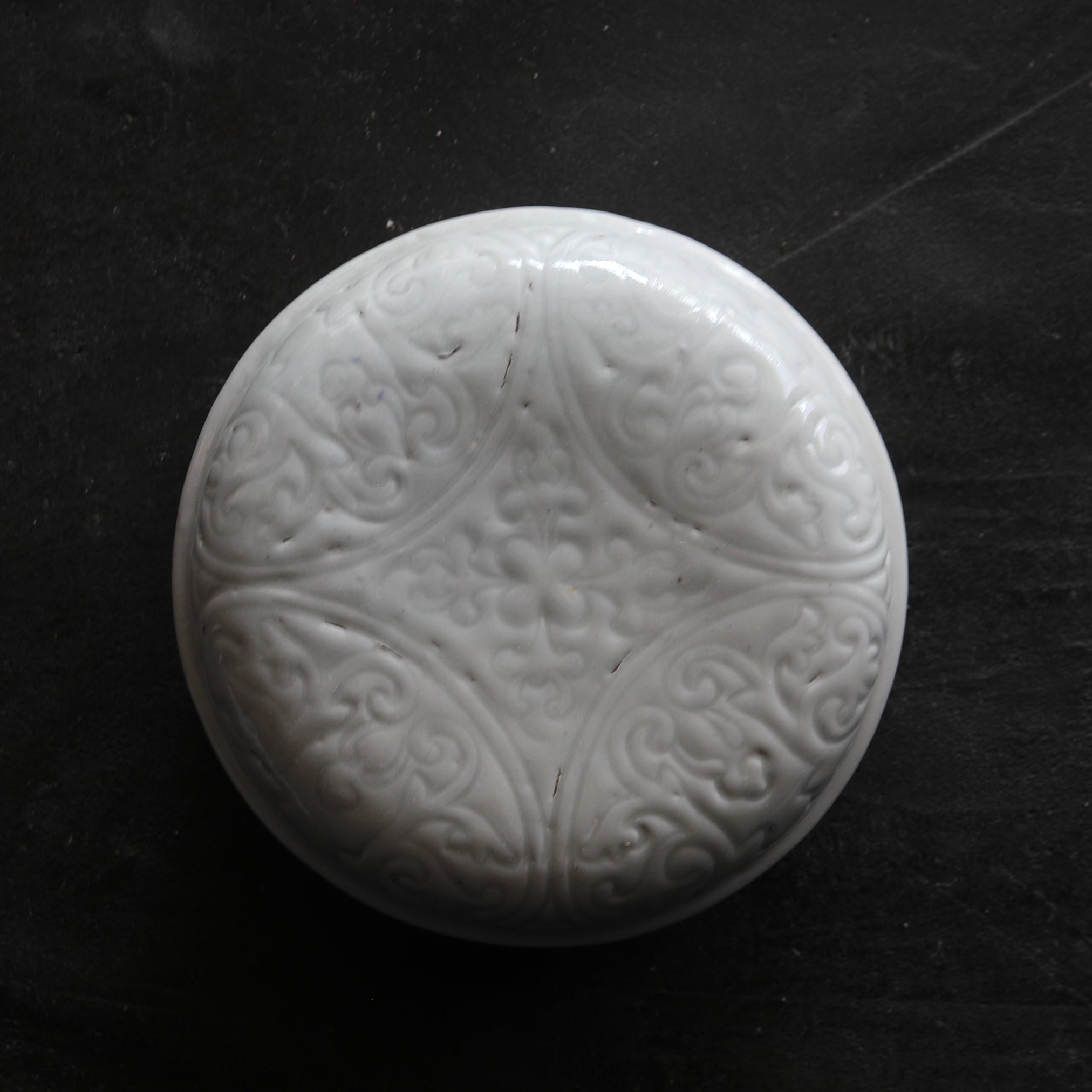
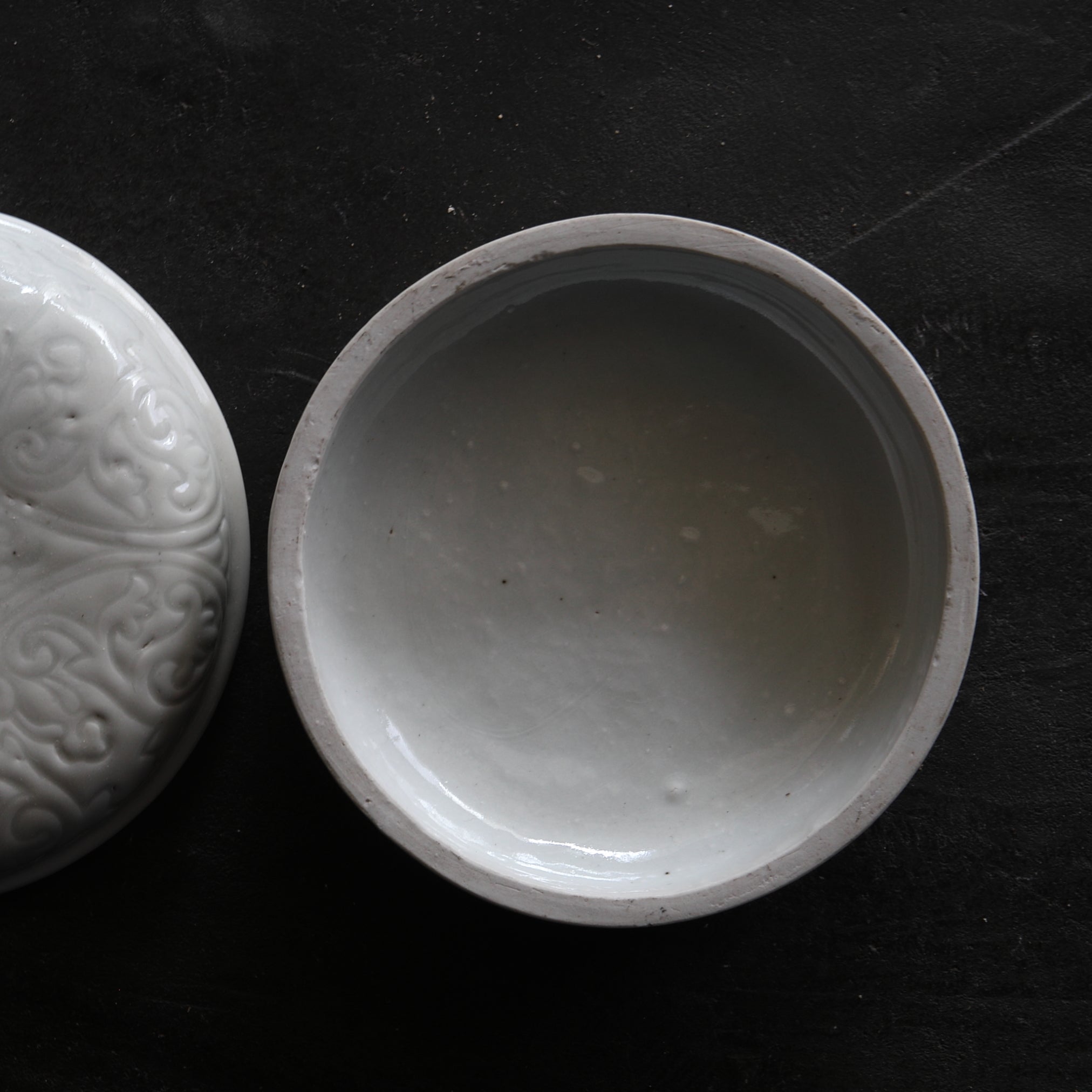
RÉCIPIENT AVEC COUVERCLE, Porcelaine blanche avec sculpté en relief motif d'herbe, Dynastie Qing (1616–1911 apr. J.-C.)RÉCIPIENT AVEC COUVERCLE, Porcelaine blanche avec sculpté en relief motif d'herbe, Dynastie Qing (1616–1911 apr. J.-C.)
VASE D'AUTEL BOUDDHIQUE, Chōsen Karatsu, Période Azuchi-Momoyama (1573–1603 apr. J.-C.)VASE D'AUTEL BOUDDHIQUE, Chōsen Karatsu, Période Azuchi-Momoyama (1573–1603 apr. J.-C.)
CHOCHIN-TSUBO, Porcelaine blanche, Dynastie Joseon (1392–1897 apr. J.-C.)CHOCHIN-TSUBO, Porcelaine blanche, Dynastie Joseon (1392–1897 apr. J.-C.)
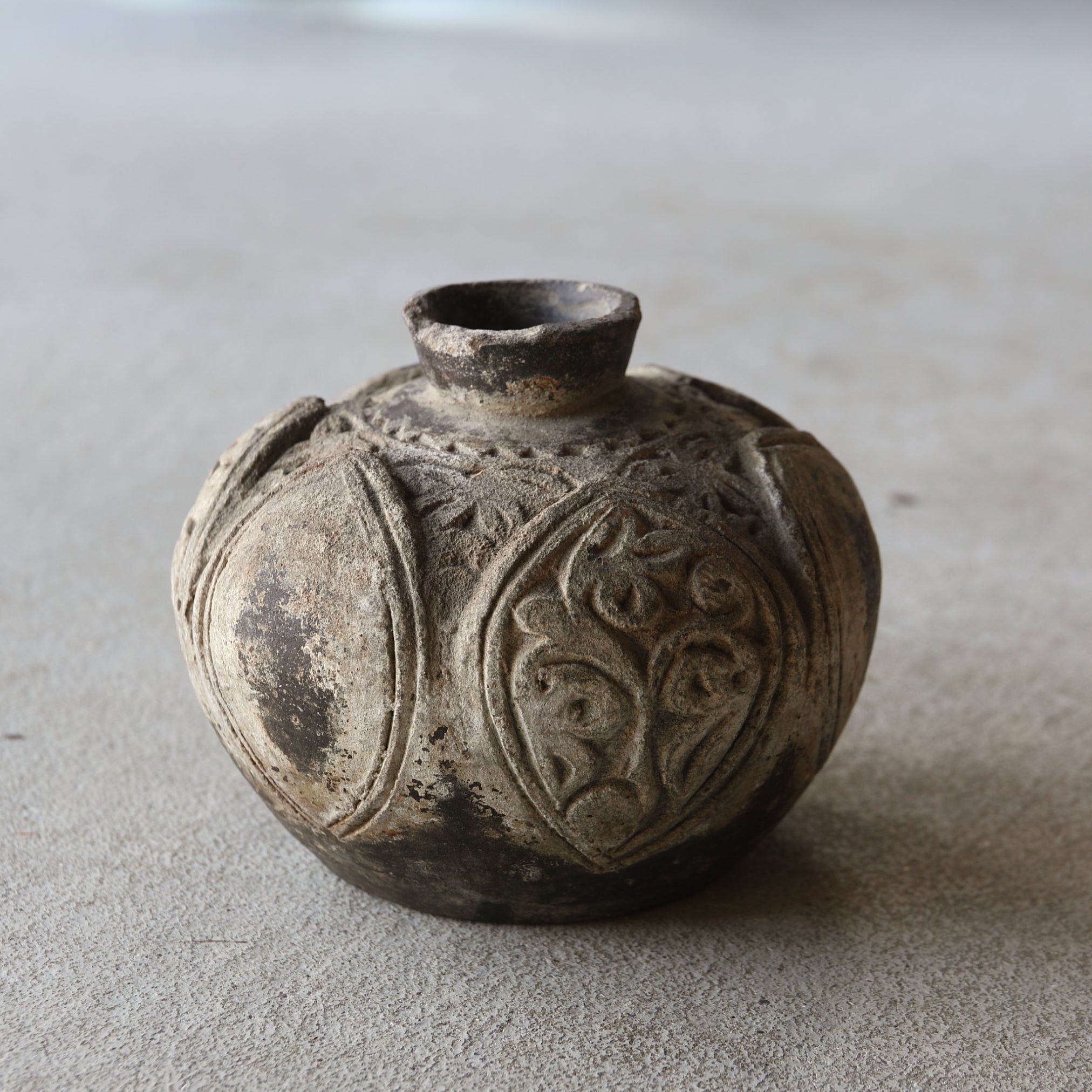
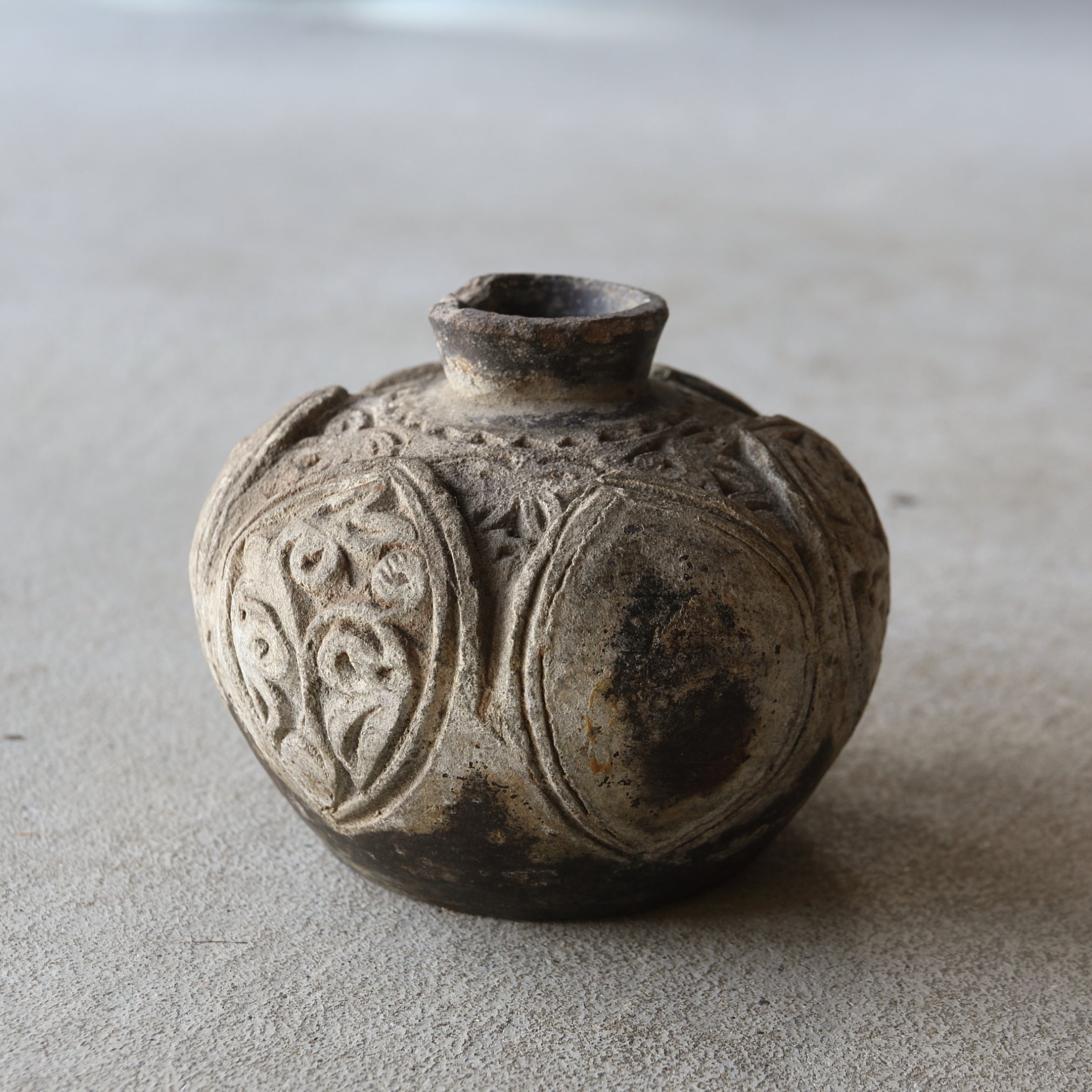
POTERIE NOIRE, Sculptée en relief avec motif floralPOTERIE NOIRE, Sculptée en relief avec motif floral
JARRE À GRAINES, Ko-Tokoname, Période Muromachi (1336–1573 apr. J.-C.)JARRE À GRAINES, Ko-Tokoname, Période Muromachi (1336–1573 apr. J.-C.)
PETIT JARRE ACCENTUÉE, Céramique annamite, avec bleu sous couverte motif floral et végétal, Moyen Âge (XIIe–XVIe siècle)PETIT JARRE ACCENTUÉE, Céramique annamite, avec bleu sous couverte motif floral et végétal, Moyen Âge (XIIe–XVIe siècle)
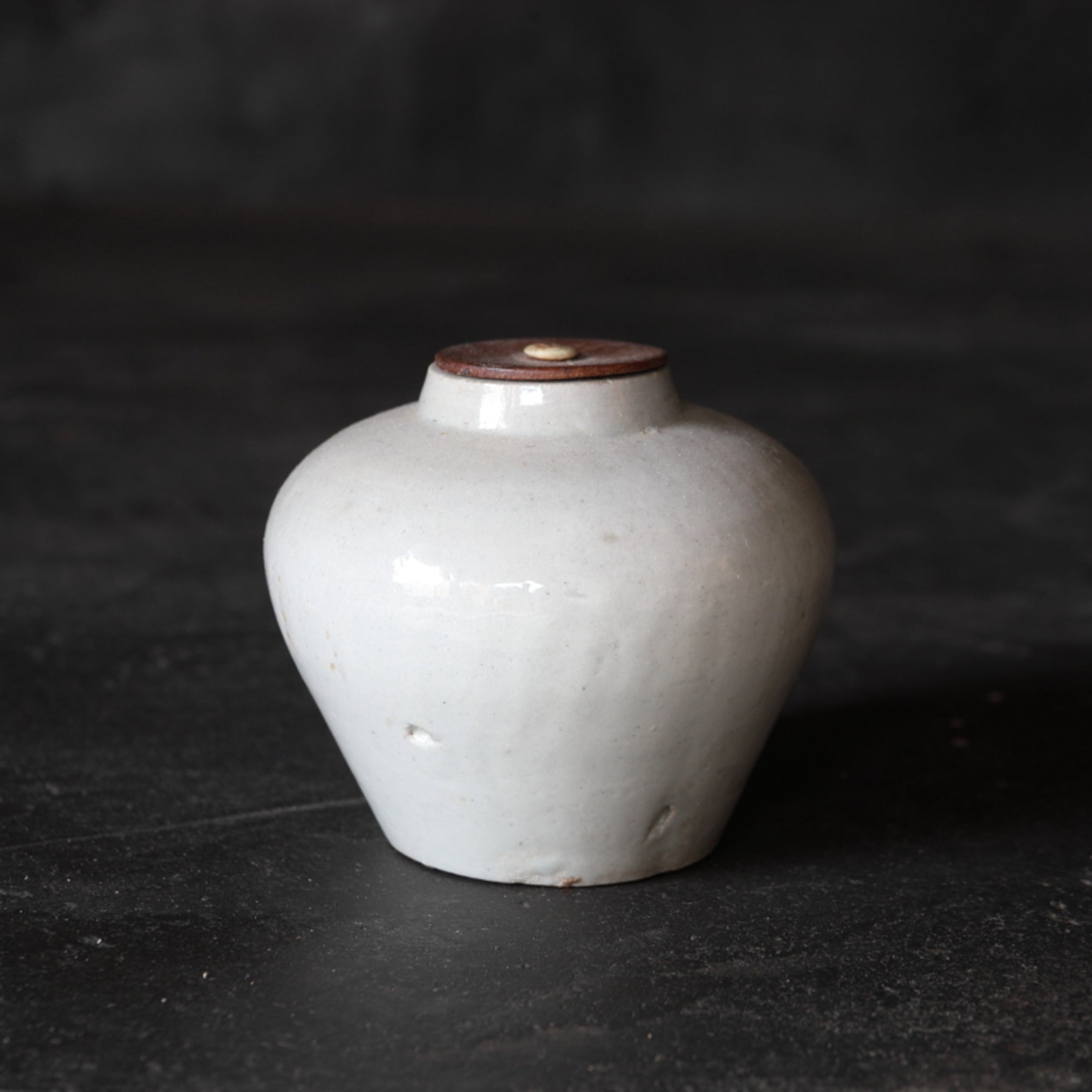
PETIT JARRE / BOÎTE À THÉ, Porcelaine blanche, Dynastie Joseon (1392–1897 apr. J.-C.)
PLAT, Céladon Goryeo, Dynastie Goryeo (918–1392 apr. J.-C.)PLAT, Céladon Goryeo, Dynastie Goryeo (918–1392 apr. J.-C.)
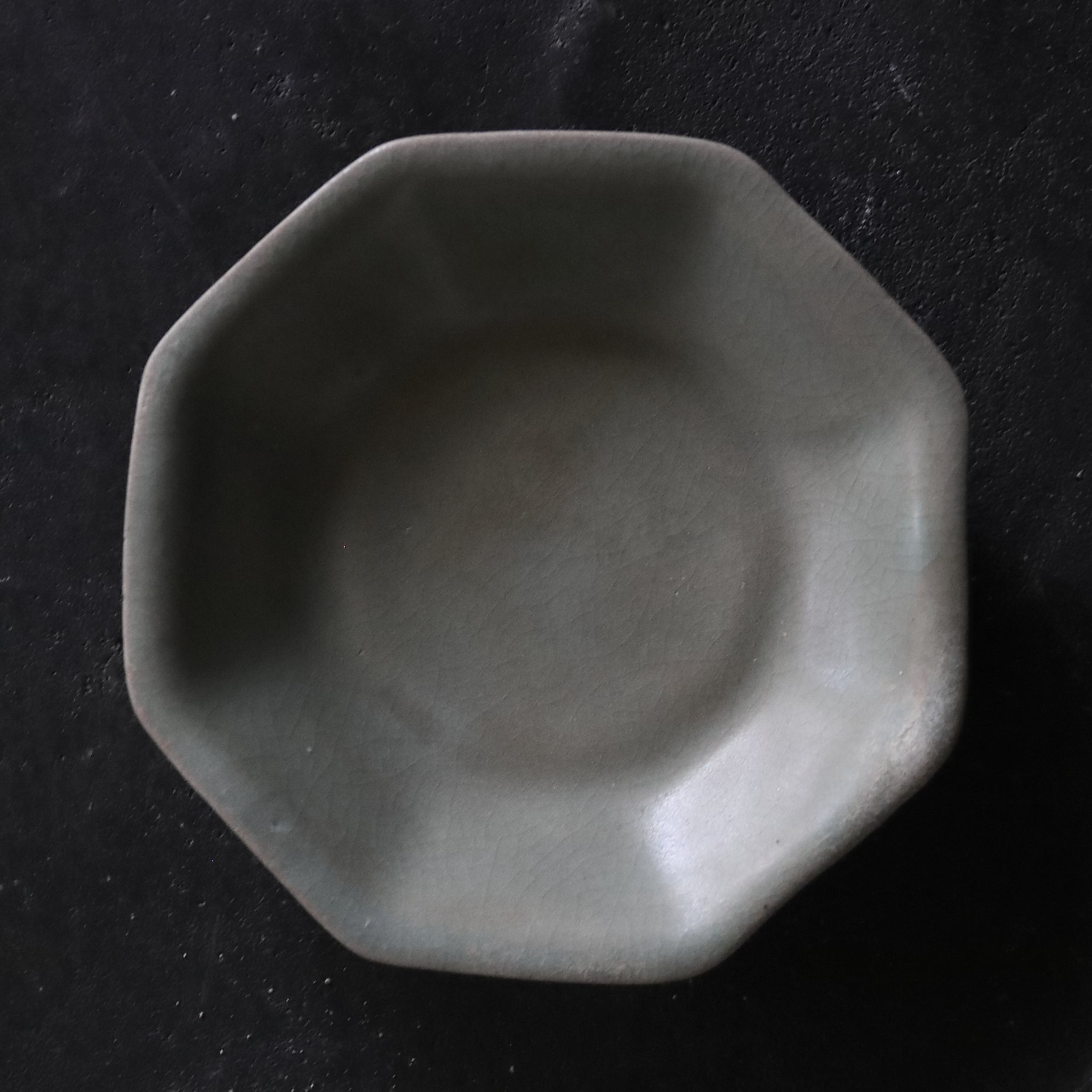
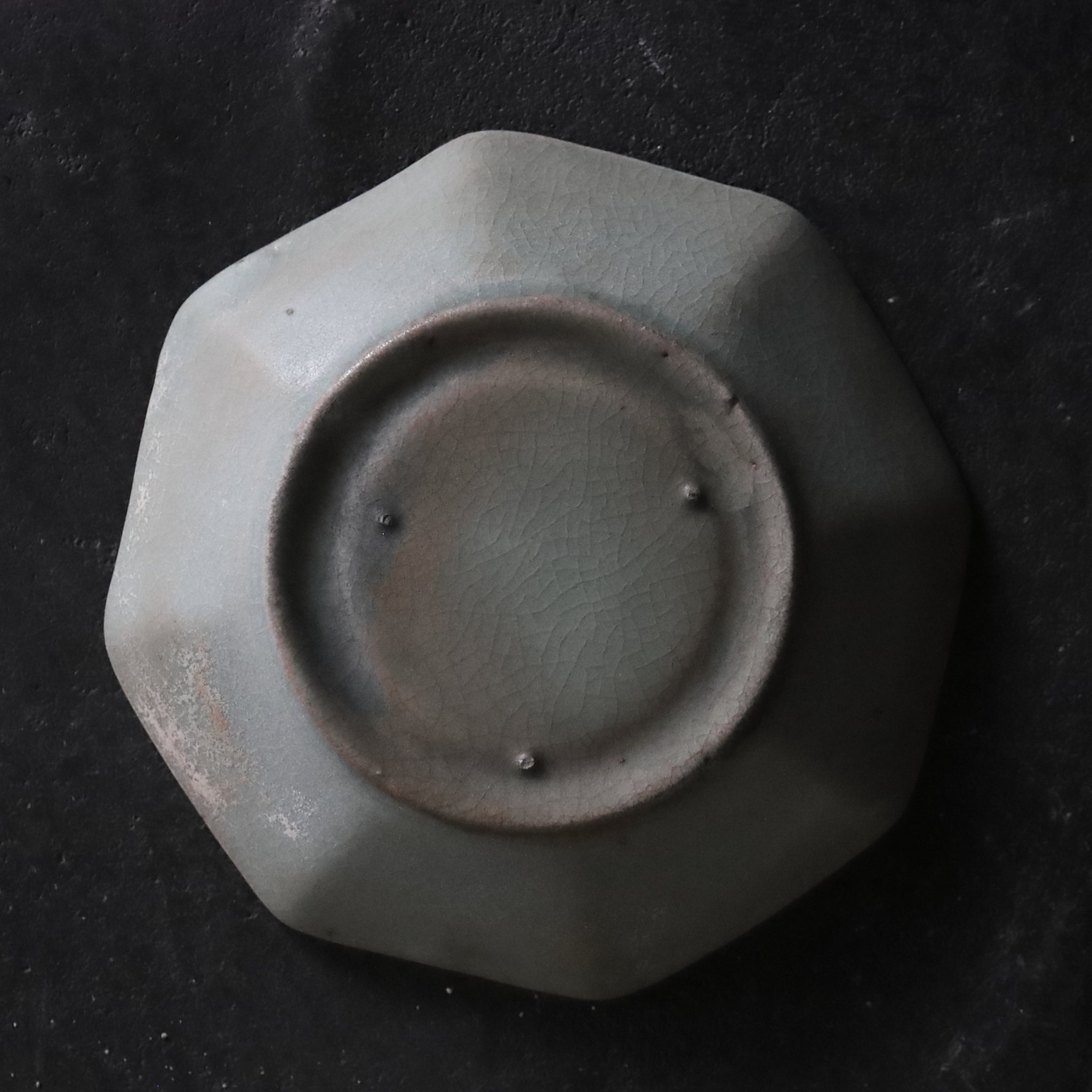
PLAT OCTOGONAL, Céladon Goryeo, Dynastie Goryeo (918–1392 apr. J.-C.)PLAT OCTOGONAL, Céladon Goryeo, Dynastie Goryeo (918–1392 apr. J.-C.)
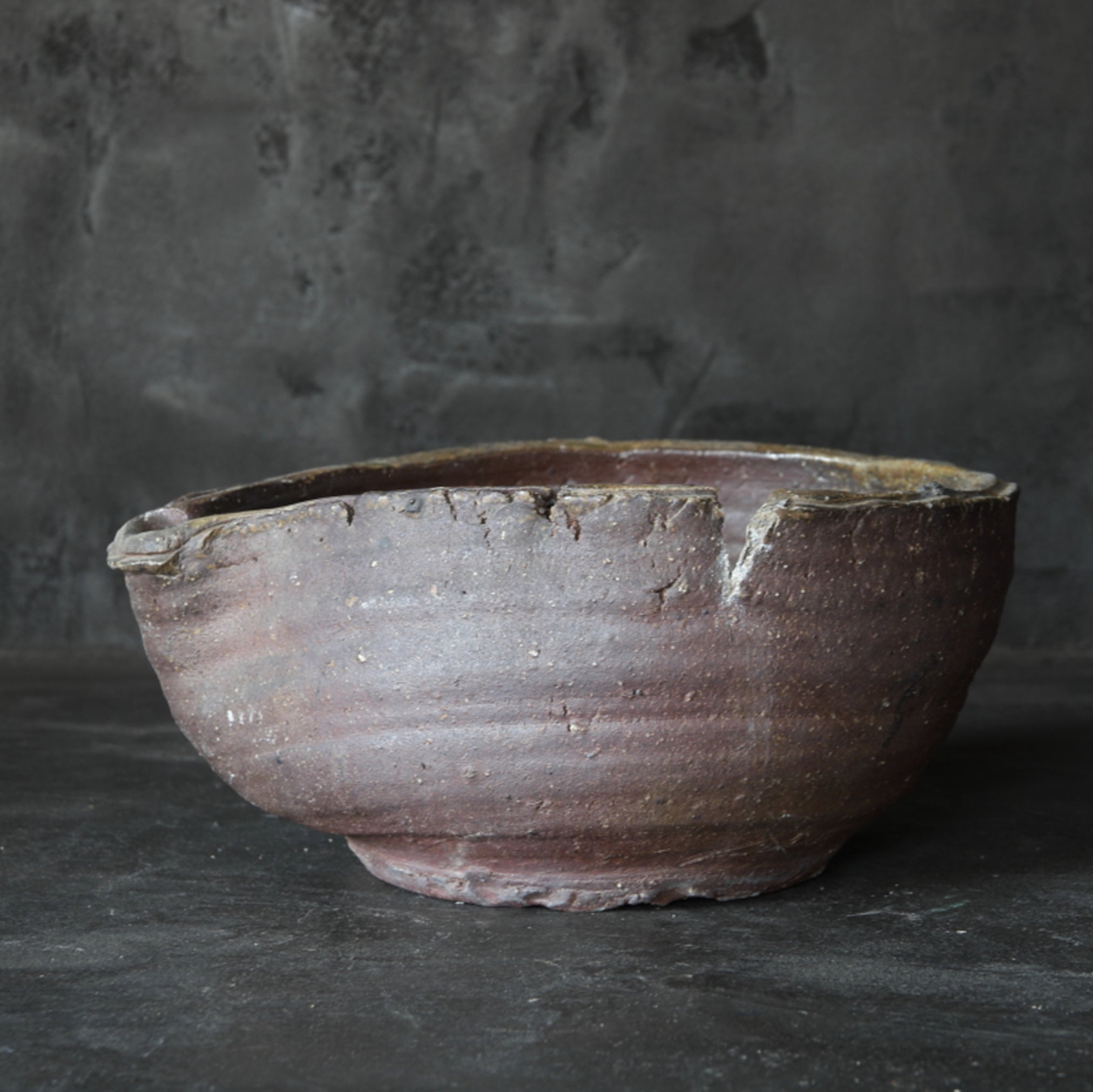
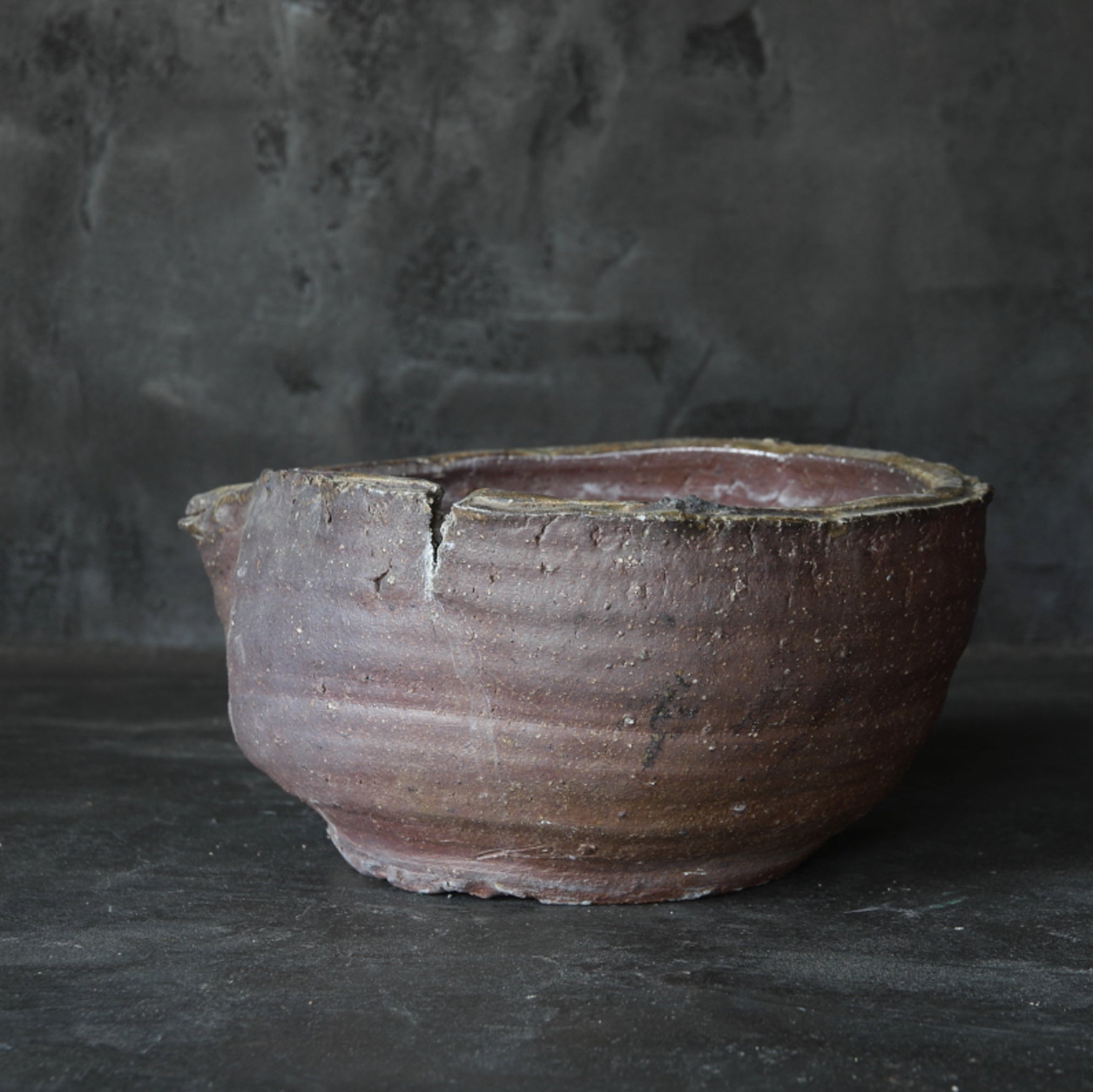
BOL À BEC VERSEUR, Ko-Tokoname / Yabure, Période Muromachi (1336–1573 apr. J.-C.)BOL À BEC VERSEUR, Ko-Tokoname / Yabure, Période Muromachi (1336–1573 apr. J.-C.)
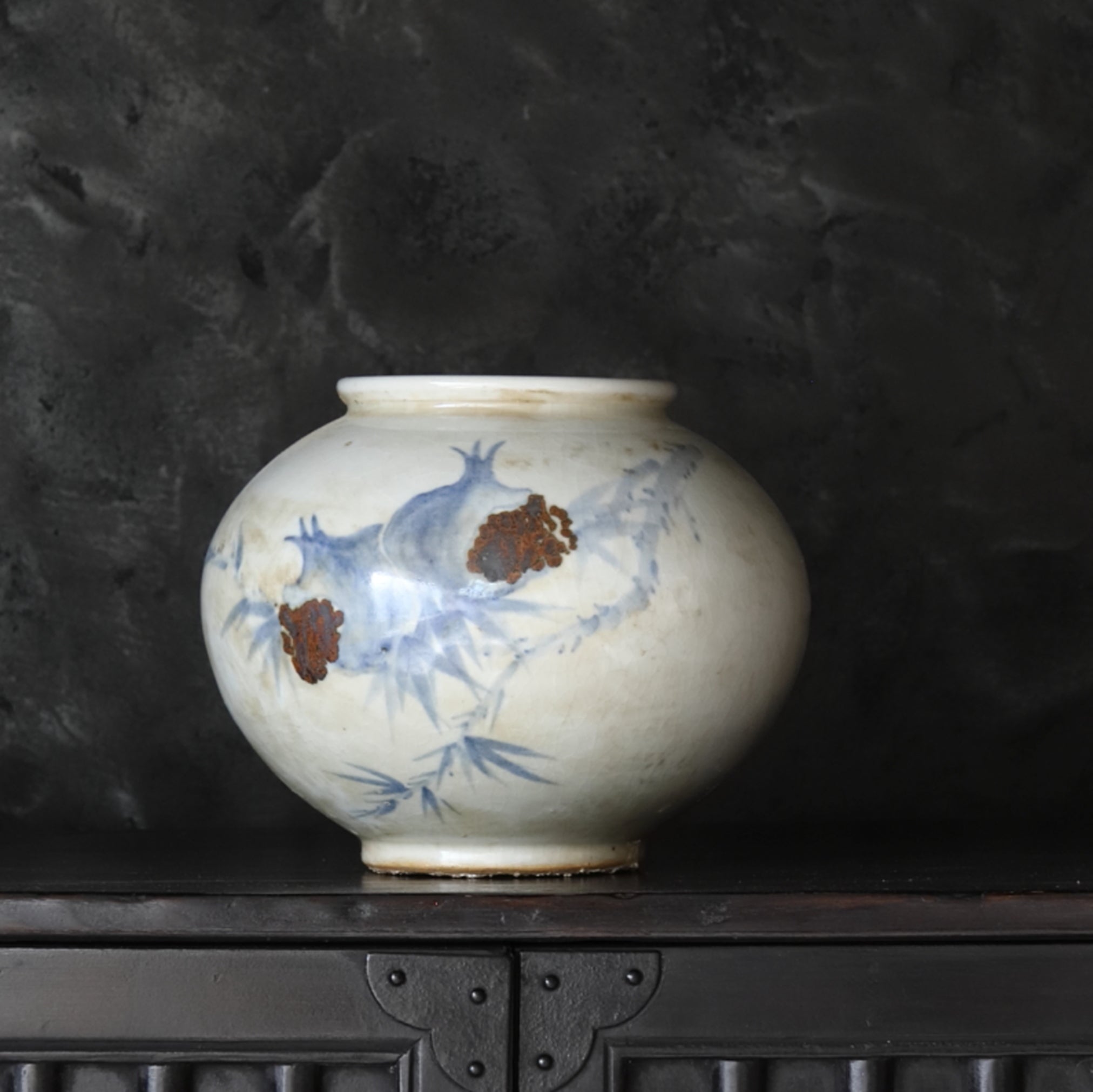
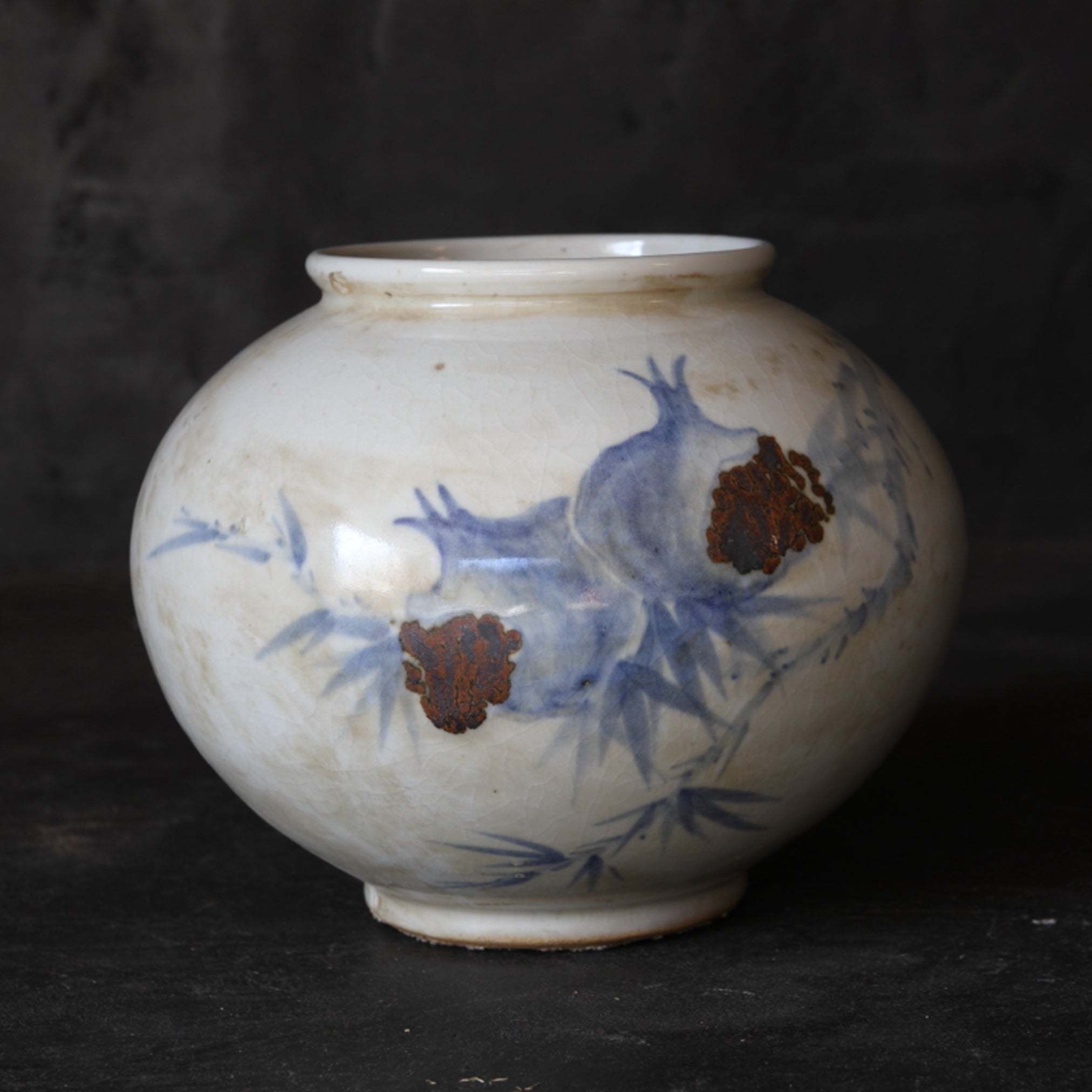
JARRE, Rouge de cuivre sous couverte avec motif de grenade, Dynastie Joseon (1392–1897 apr. J.-C.)JARRE, Rouge de cuivre sous couverte avec motif de grenade, Dynastie Joseon (1392–1897 apr. J.-C.)
JARRE, Ko-Imari, porcelaine blanche, Période Edo (1603–1867 apr. J.-C.)JARRE, Ko-Imari, porcelaine blanche, Période Edo (1603–1867 apr. J.-C.)
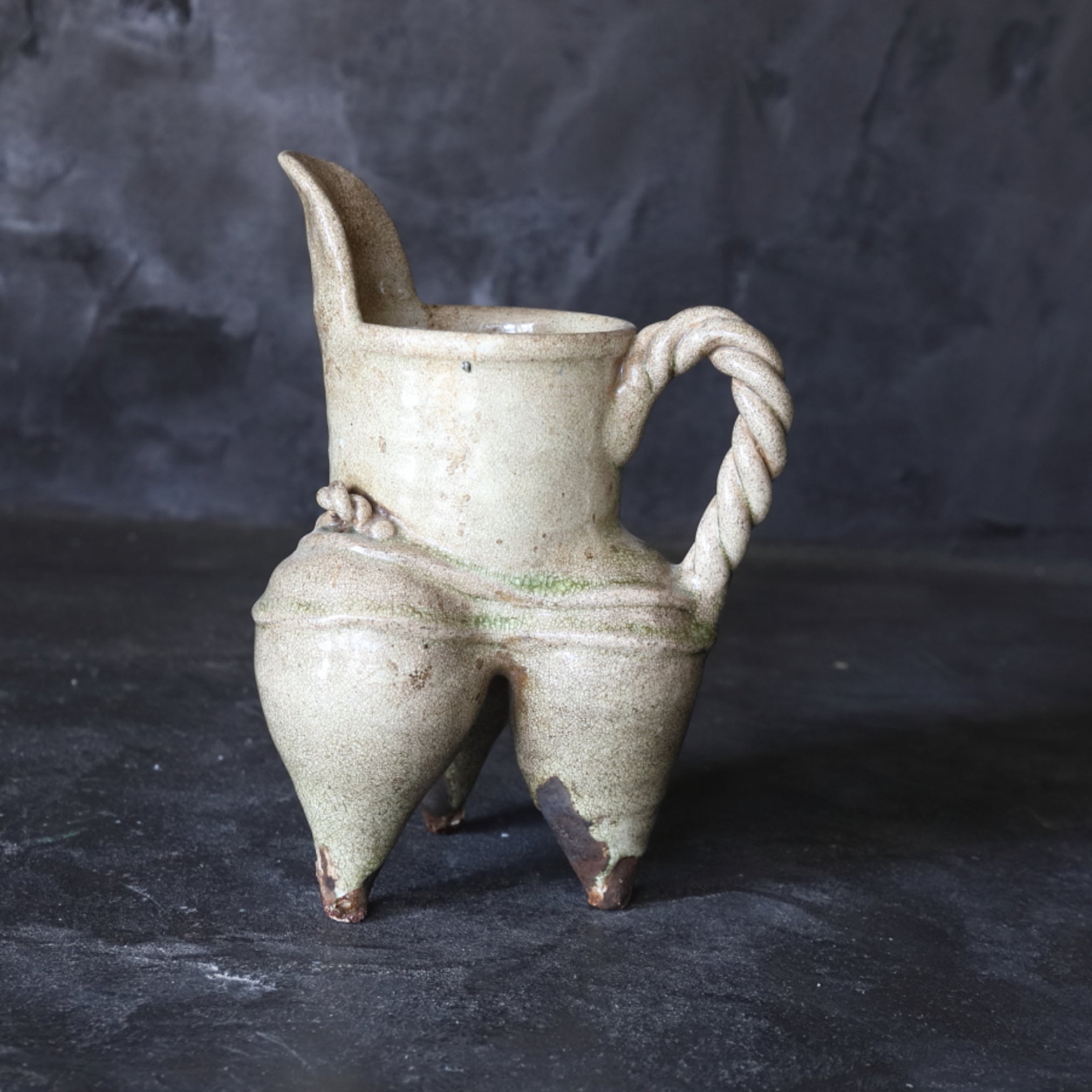
JUE, À glaçure de cendreJUE, À glaçure de cendre
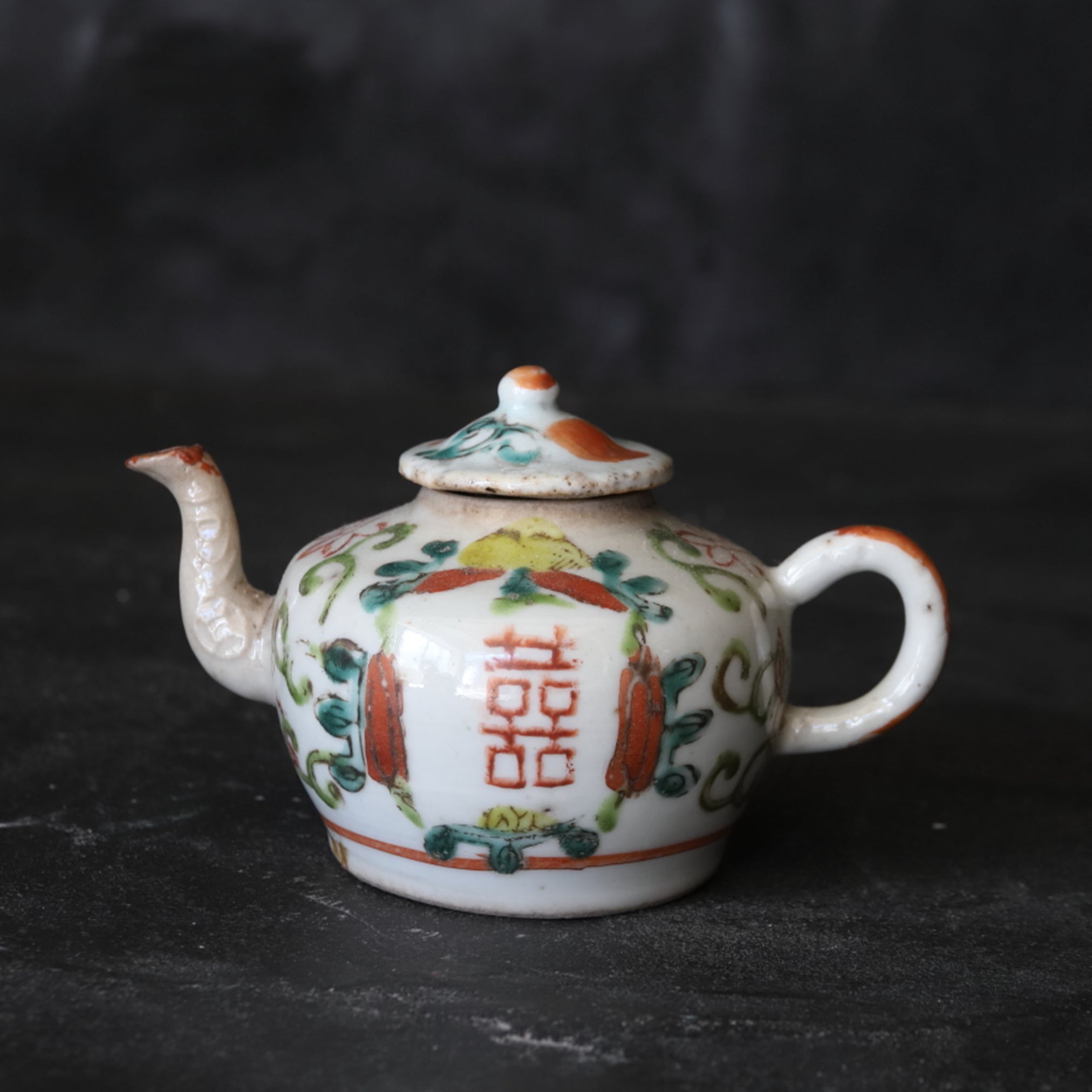
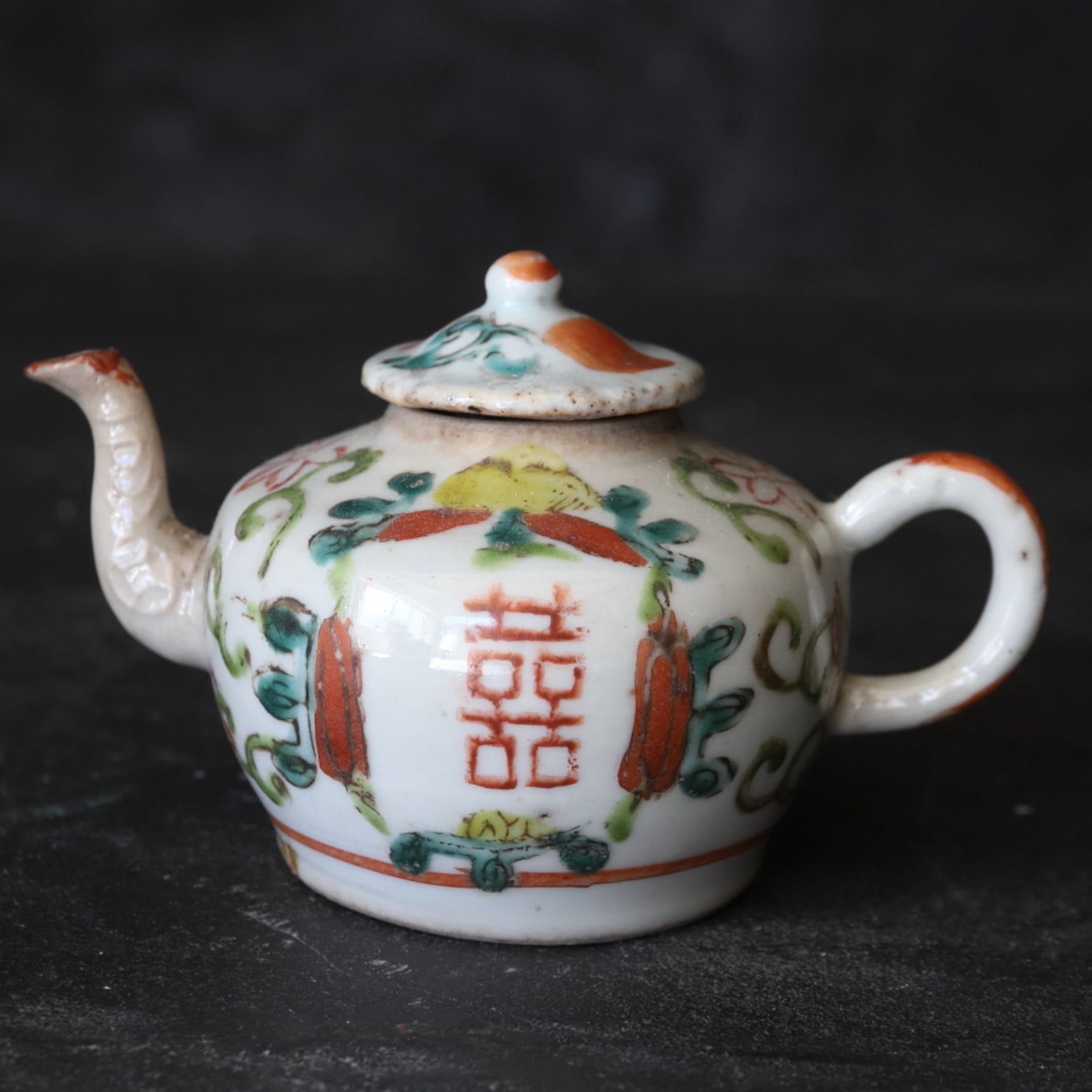
THÉIÈRE POUR SENCHA, Dynastie Qing (1616–1911 apr. J.-C.)THÉIÈRE POUR SENCHA, Dynastie Qing (1616–1911 apr. J.-C.)
GRANDE JARRE À LARGE OUVERTURE, Ko-Tokoname, Période Edo (1603–1867 apr. J.-C.)GRANDE JARRE À LARGE OUVERTURE, Ko-Tokoname, Période Edo (1603–1867 apr. J.-C.)
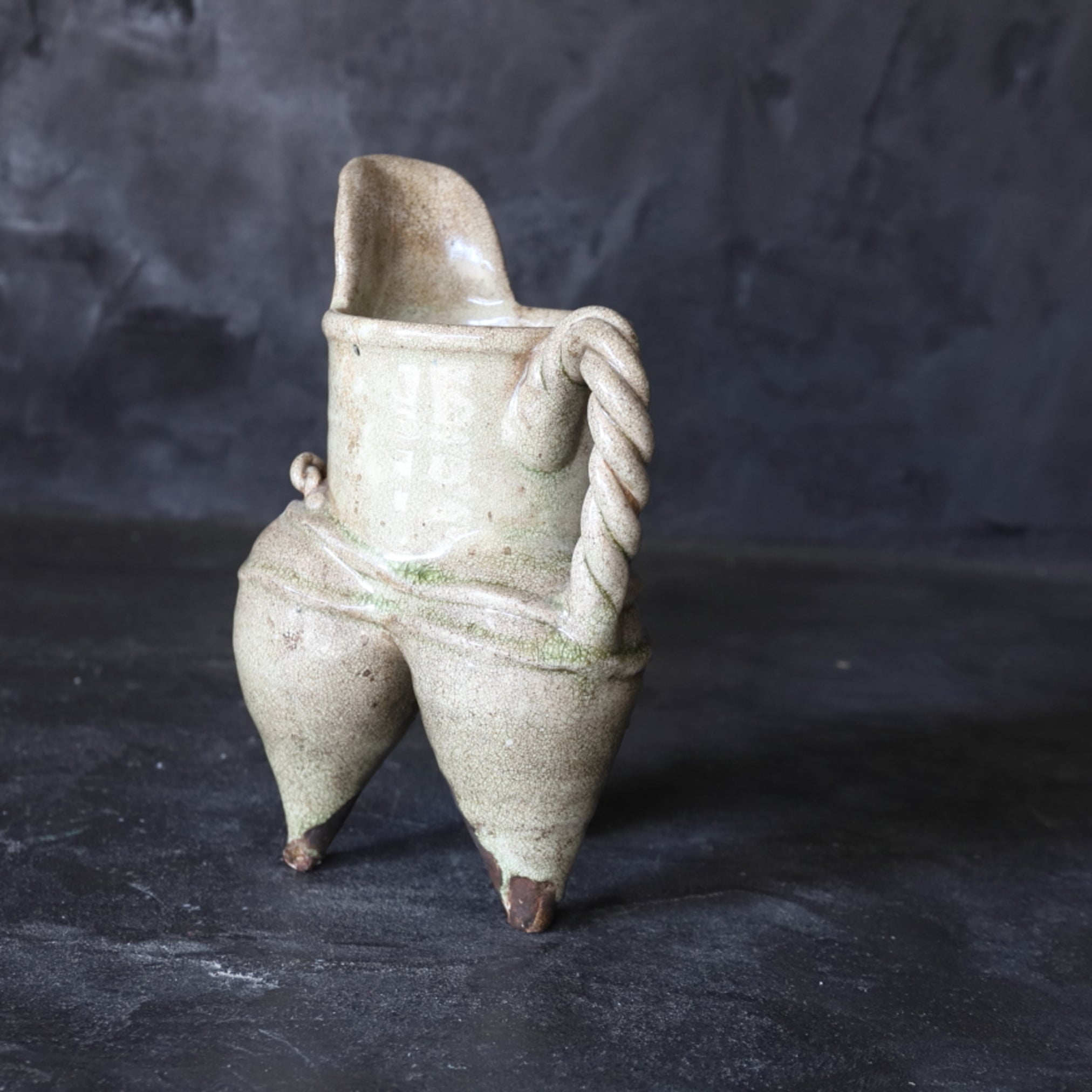
AIGUIÈRE PIRIFORME, Poterie de Silla, objet excavé, Période Silla(668–900 apr. J.-C.)AIGUIÈRE PIRIFORME, Poterie de Silla, objet excavé, Période Silla(668–900 apr. J.-C.)
GAINE, Ko-Shigaraki, Mitate (gaine/vase à fleurs), Période Muromachi (1336–1573 apr. J.-C.)GAINE, Ko-Shigaraki, Mitate (gaine/vase à fleurs), Période Muromachi (1336–1573 apr. J.-C.)
VASE À SUSPENDRE, Peint au fer sous couverte avec décor flocon de neige, ogata kenzan zō, Période Edo (1603–1867 apr. J.-C.)VASE À SUSPENDRE, Peint au fer sous couverte avec décor flocon de neige, ogata kenzan zō, Période Edo (1603–1867 apr. J.-C.)
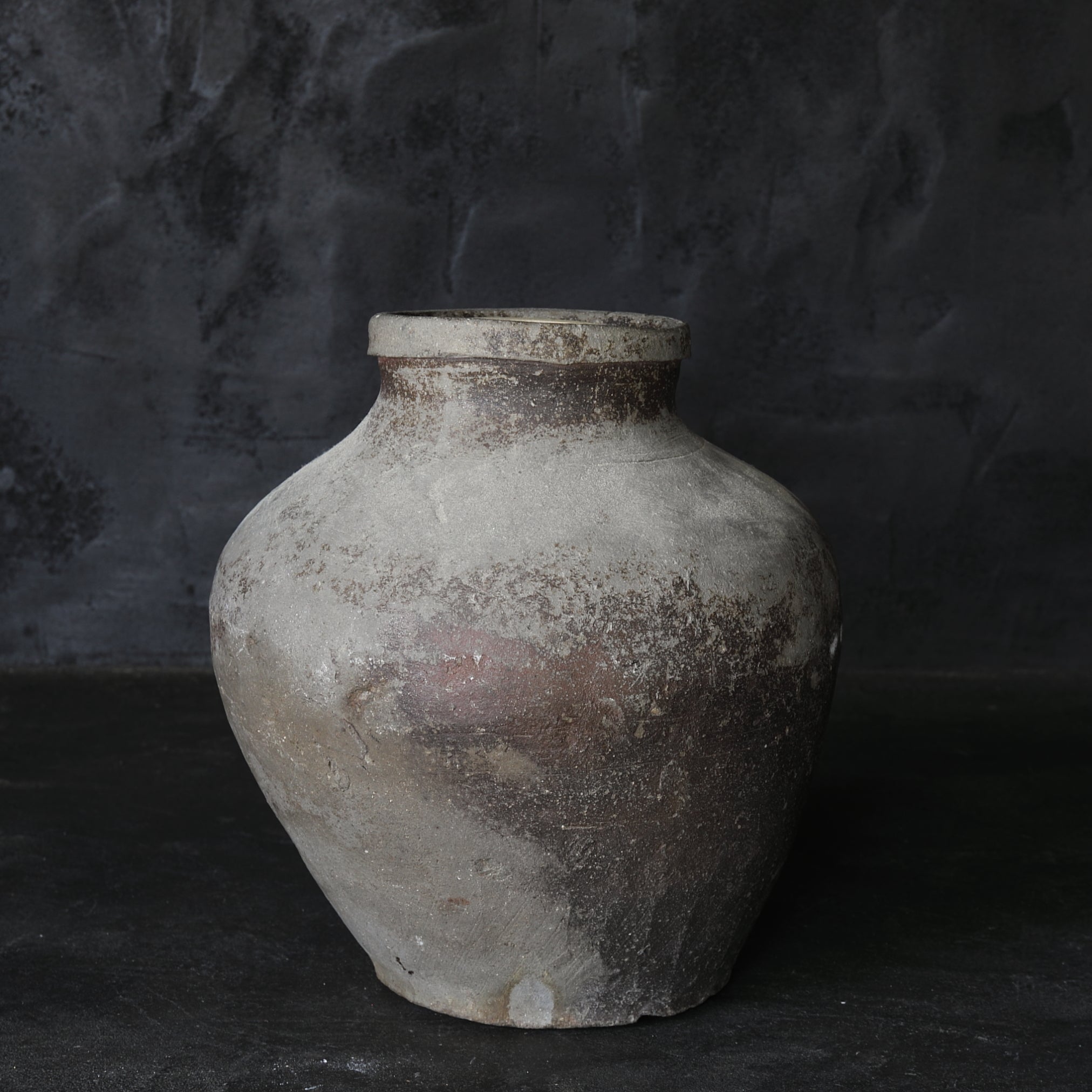
JARRE, Période Edo (1603–1867 apr. J.-C.)JARRE, Période Edo (1603–1867 apr. J.-C.)
JARRE, Ko-Tokoname, Période Heian (794–1185 apr. J.-C.)JARRE, Ko-Tokoname, Période Heian (794–1185 apr. J.-C.)
YAMACHAWAN (BOL DE MONTAGNE), Ko-Tokoname, Période Heian (794–1185 apr. J.-C.)YAMACHAWAN (BOL DE MONTAGNE), Ko-Tokoname, Période Heian (794–1185 apr. J.-C.)
BOL / PLAT À DOUCEURS, Porcelaine blanche rebord fleuri, ensemble de 5BOL / PLAT À DOUCEURS, Porcelaine blanche rebord fleuri, ensemble de 5
JARRE, Céramique Sue, Période Kofun (250–581 apr. J.-C.)JARRE, Céramique Sue, Période Kofun (250–581 apr. J.-C.)
JARRE, À glaçure verte, Dynastie Han (206 av. J.-C.–220 apr. J.-C.)JARRE, À glaçure verte, Dynastie Han (206 av. J.-C.–220 apr. J.-C.)