

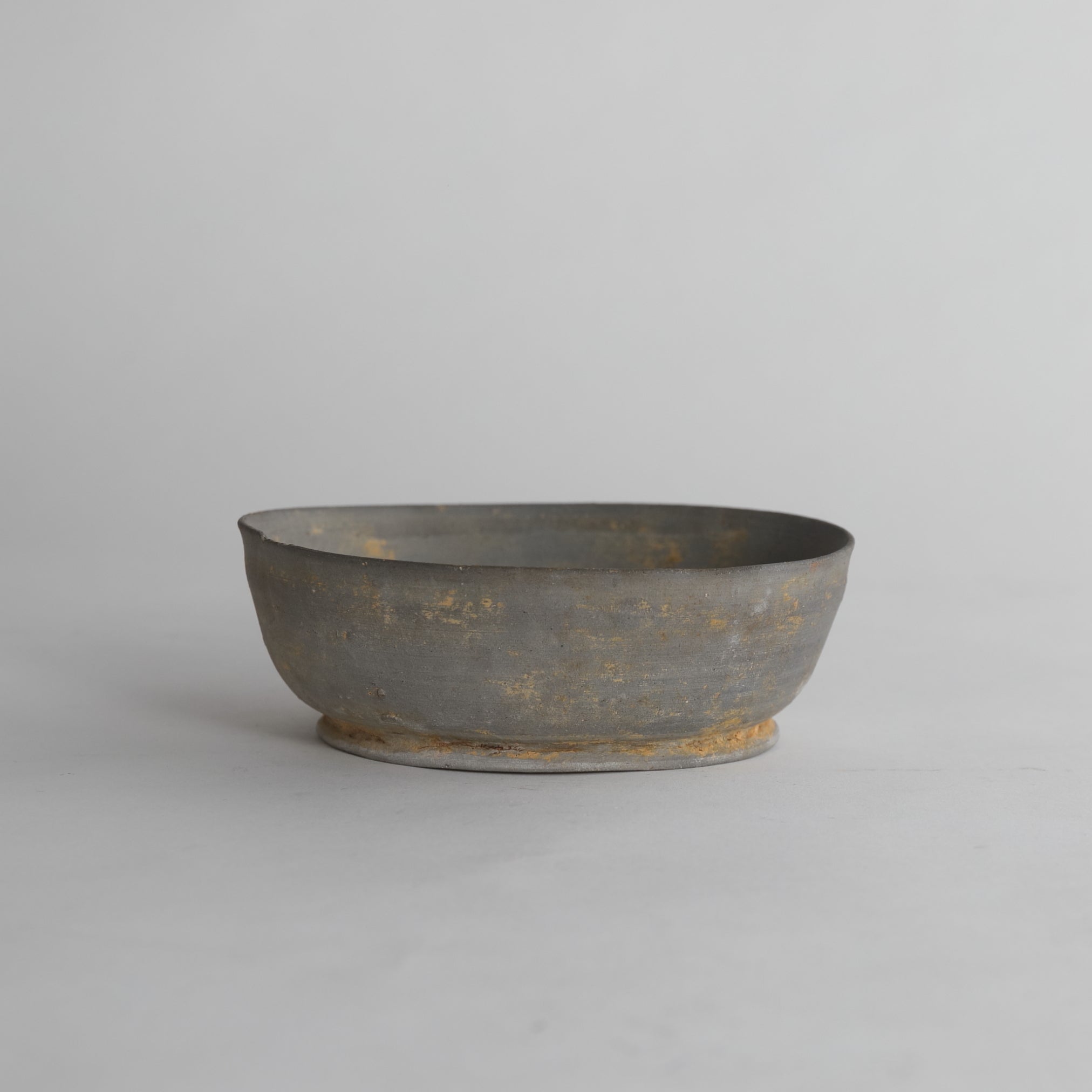
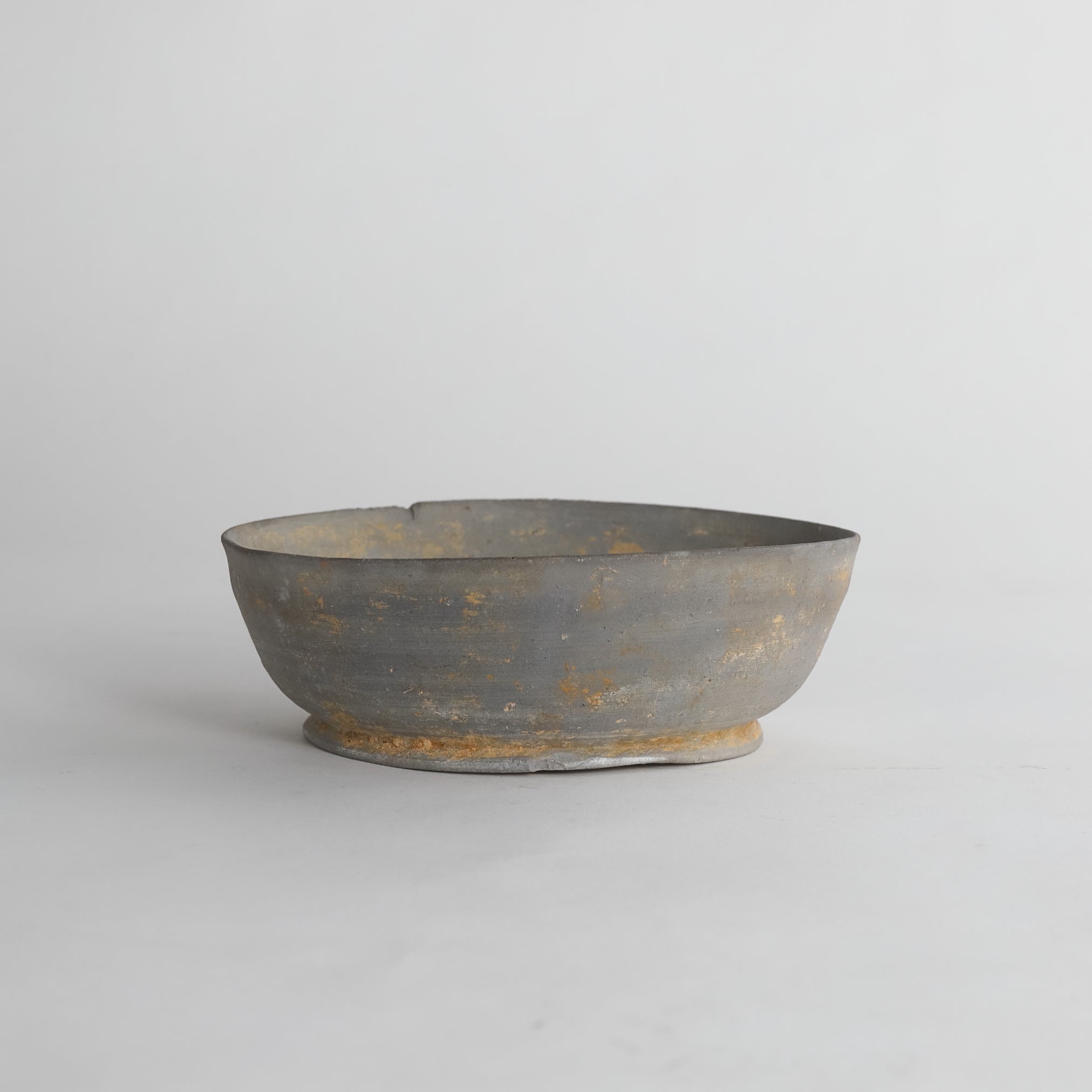


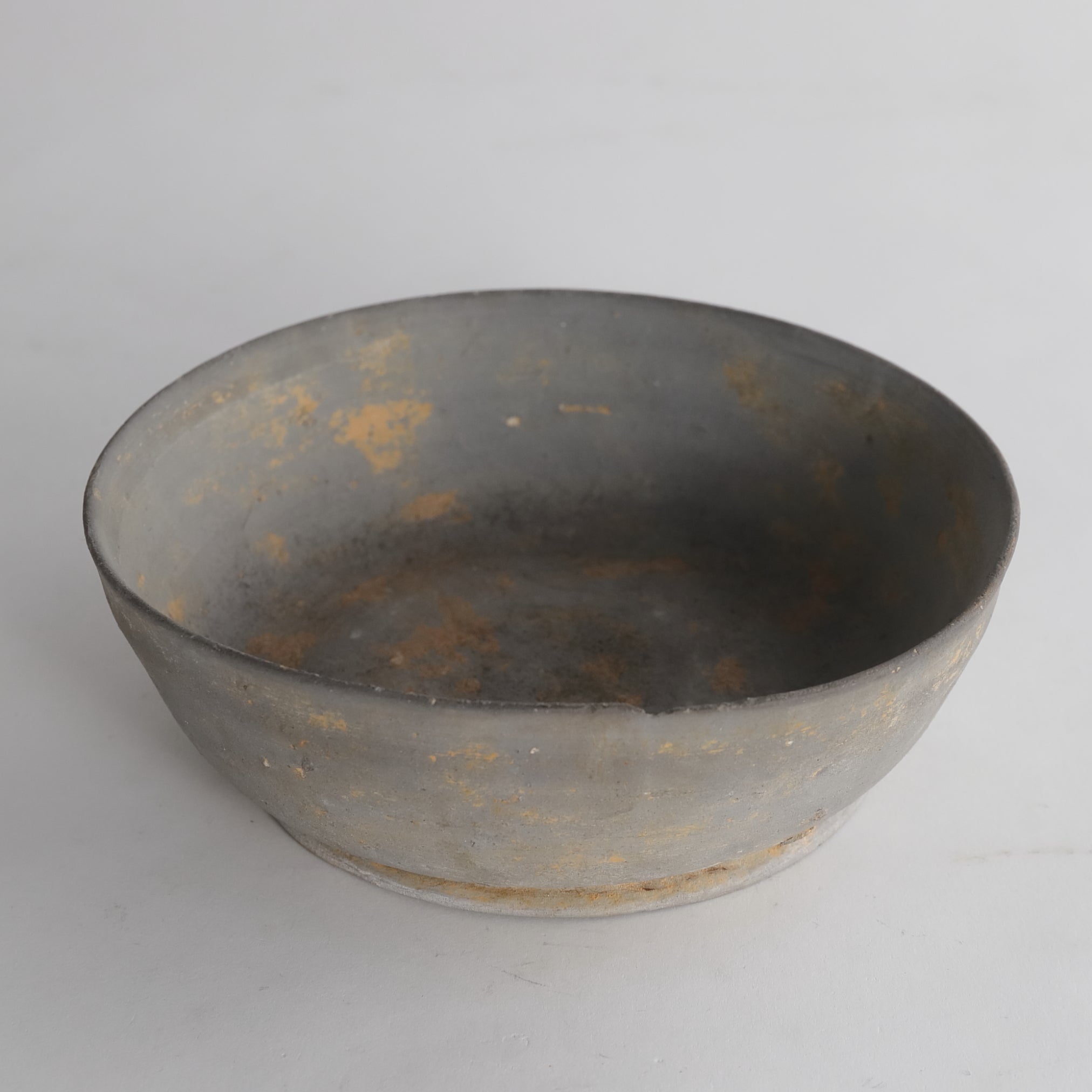

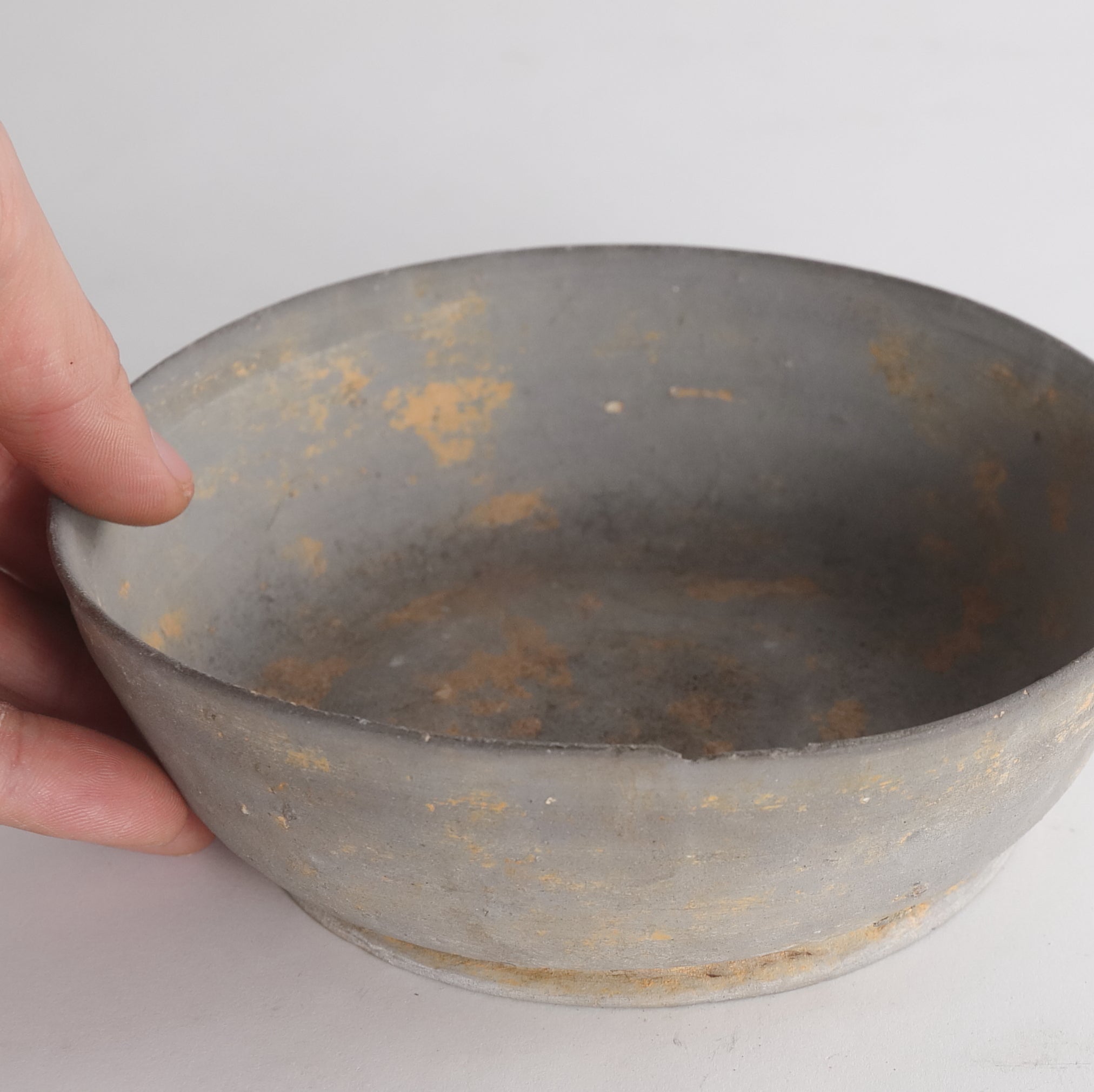

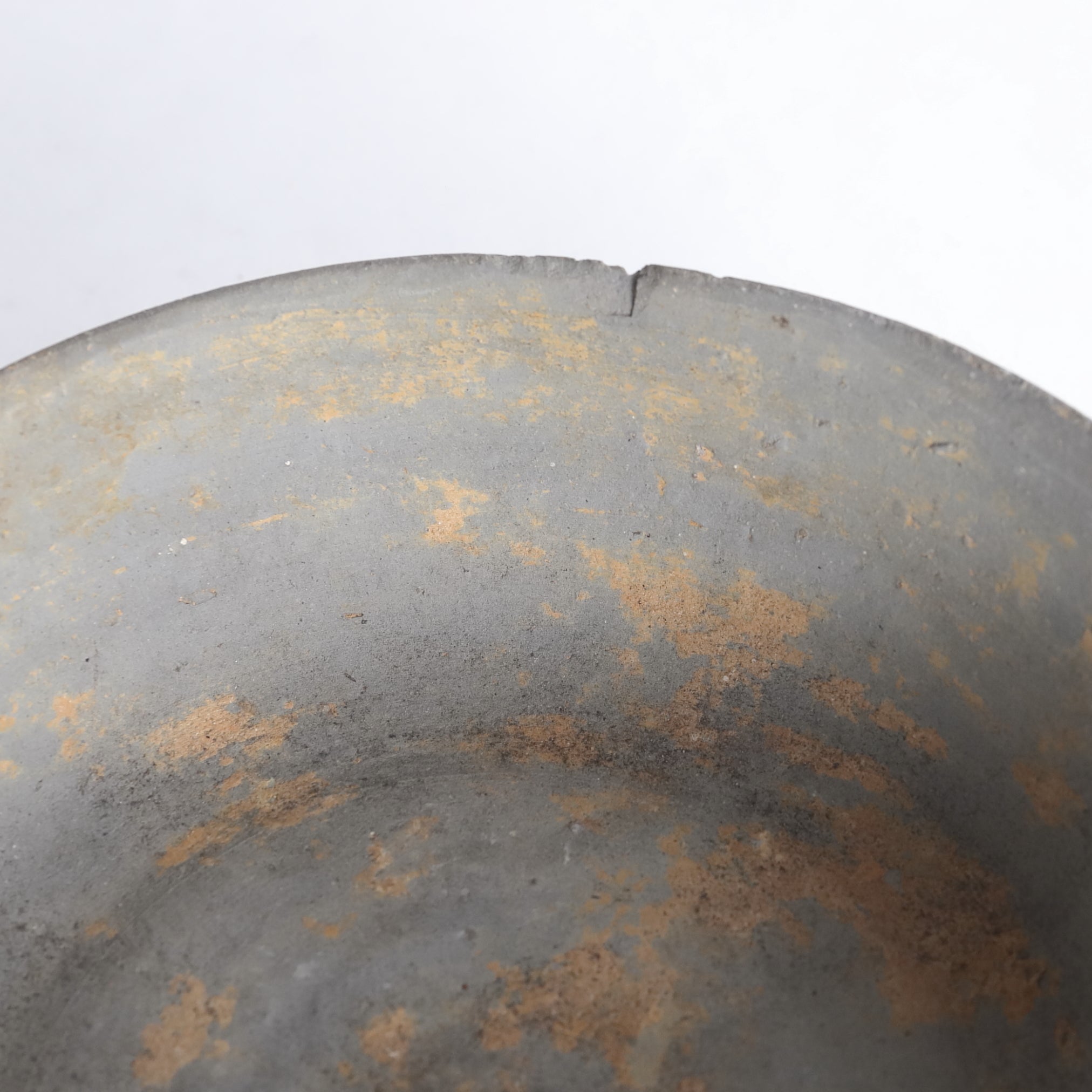
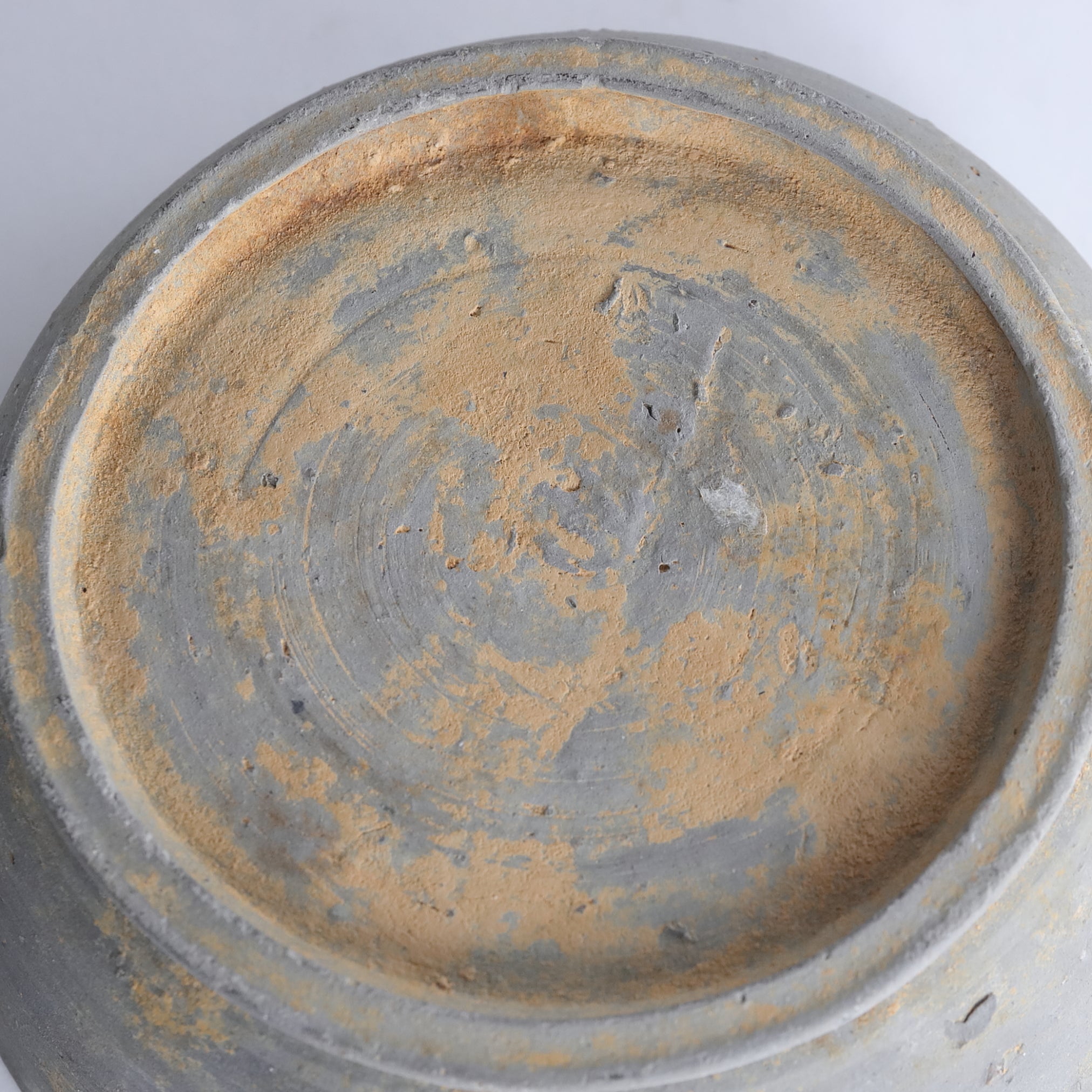
CUP, Sue Ware, Kofun Period (250–581 CE)
Each piece is carefully packed for international delivery.
This item has been sold. If you are looking for a similar piece or another work from the same period, please feel free to contact us.
> Inquire about this or a similar itemThe cup (tsuki) is one of the few vessel forms that has persisted from the emergence of Sue ware until the end of that period.
It serves a function akin to that of a modern tea bowl, representing a universal shape that has endured from ancient pottery to the present day.
Consequently, I believe it can be regarded as a standard for observing the variations in daily life and ceramic styles throughout different eras.
For instance, archaeological reports indicate that a collection of vessels unearthed from the dwelling of a family engaged in agriculture and pastoralism in the 6th century included "1 Sue ware cup body, 3 lids, 5 earthenware cups, 6 earthenware pots of various sizes, 1 clay steamer, and 2 Sue ware ewers." This assemblage reflects what can be considered an average set of dining ware from that time, and the cup serves as a clue to understanding how people lived during that era. Archaeology is indeed fascinating.
The form of this piece, characterized by gently rising sides from a high foot, is typical of the 7th century.
Its thin construction and the firm, gray surface convey a sense of tension when touched.
Through the passage of time, it remains universally appealing, with even its wear and fraying possessing a certain beauty.
I believe this speaks to the depth of purpose it embodies.
Whether tossing wildflowers or preparing tea, I believe it invites enjoyment in myriad ways.
Choose options
Change language
