

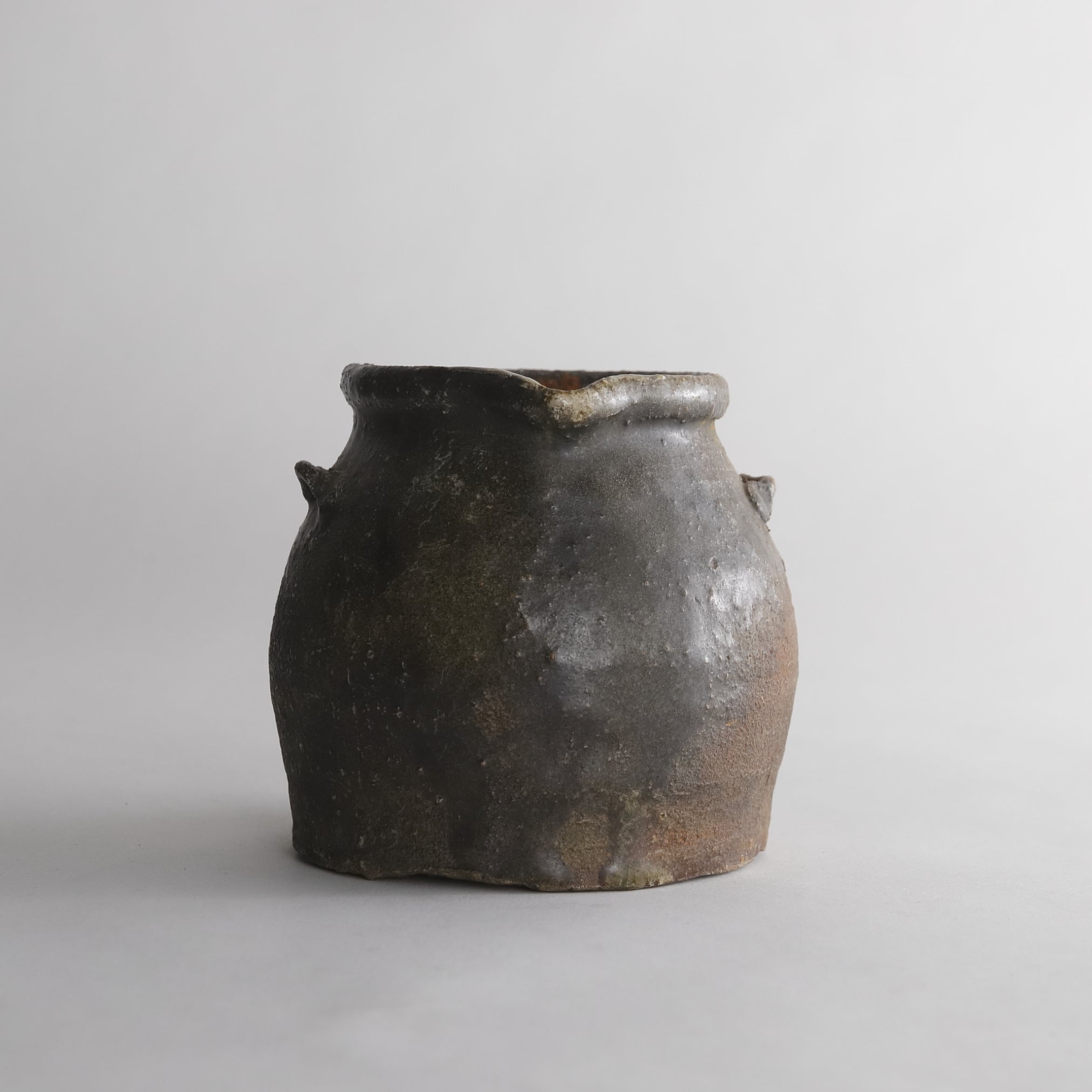
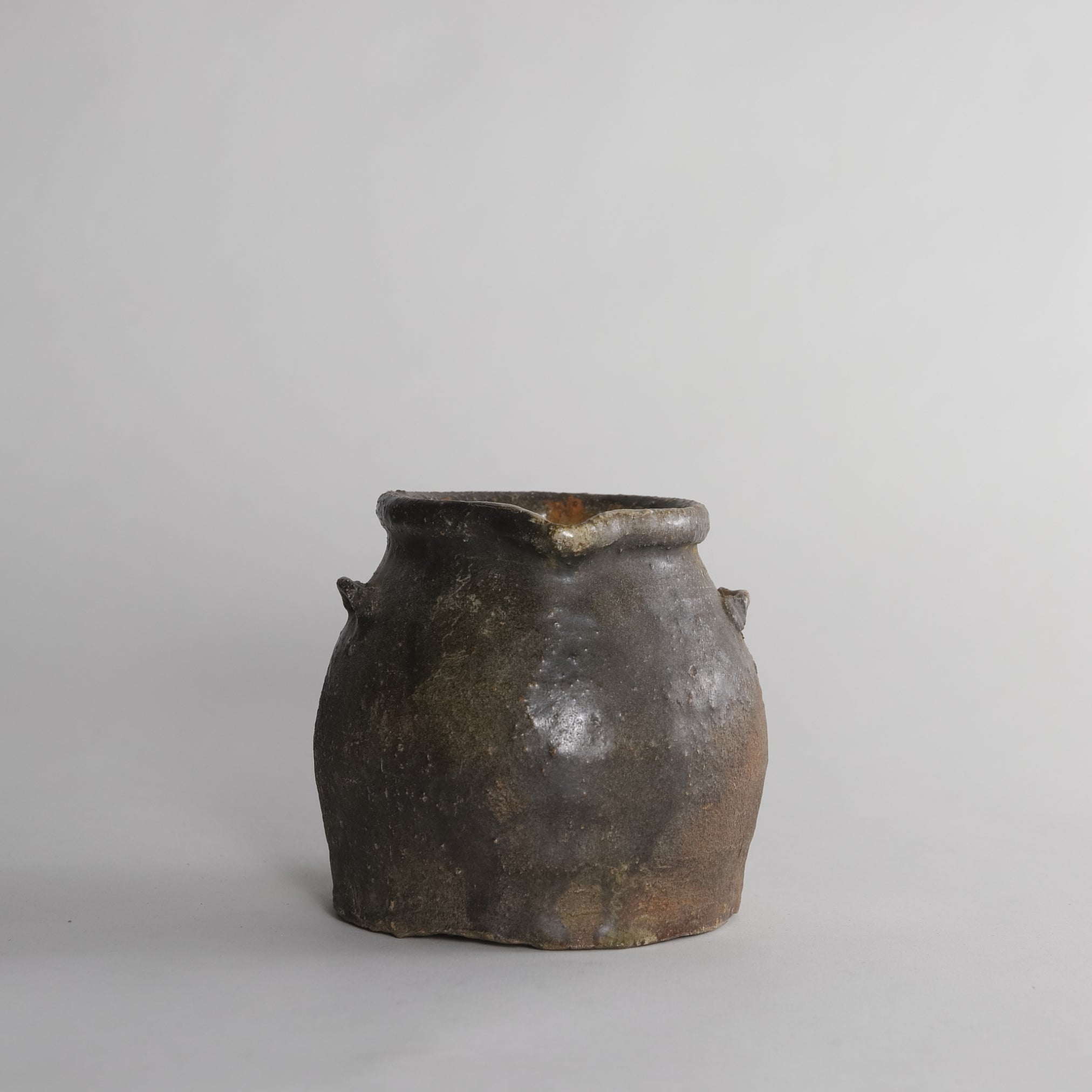


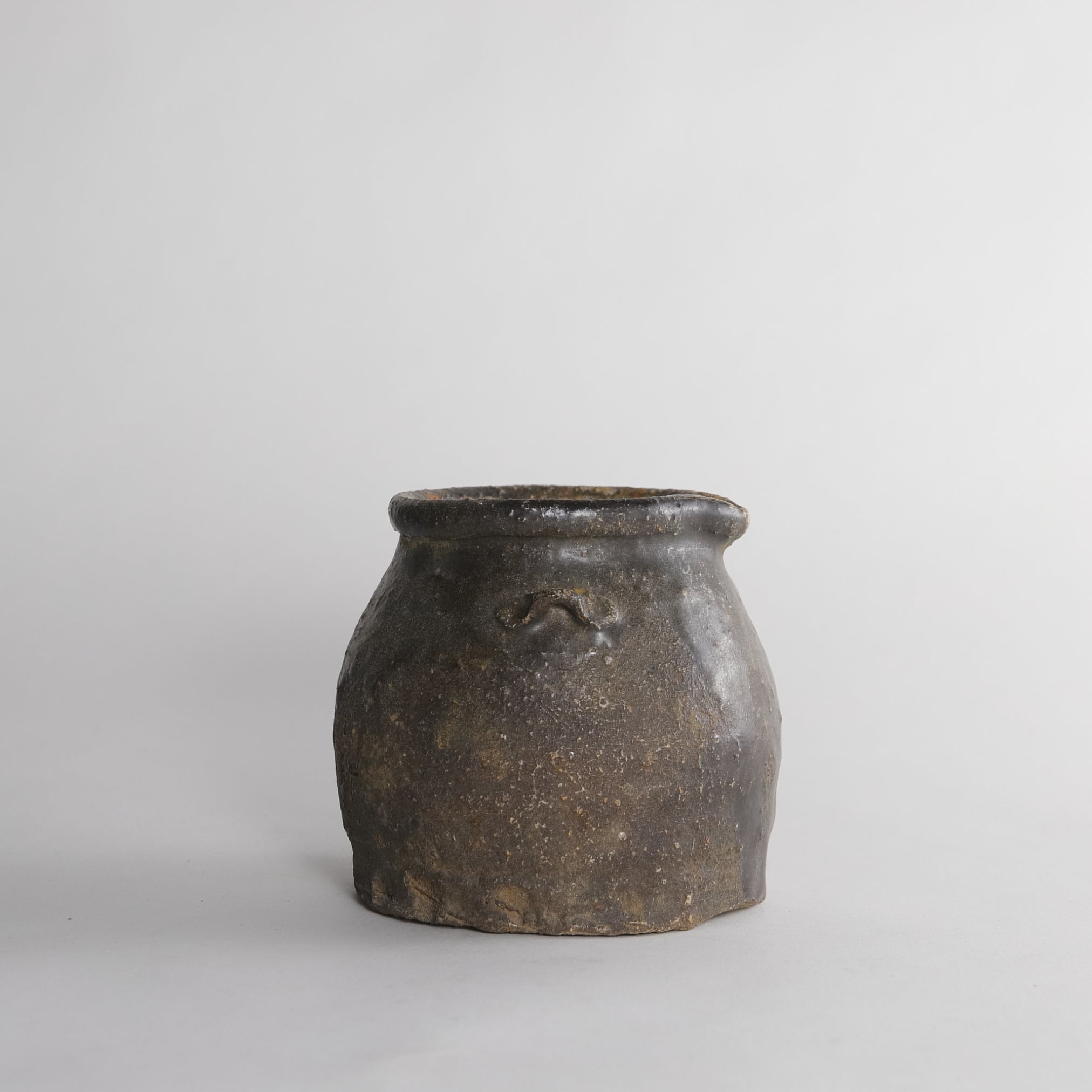
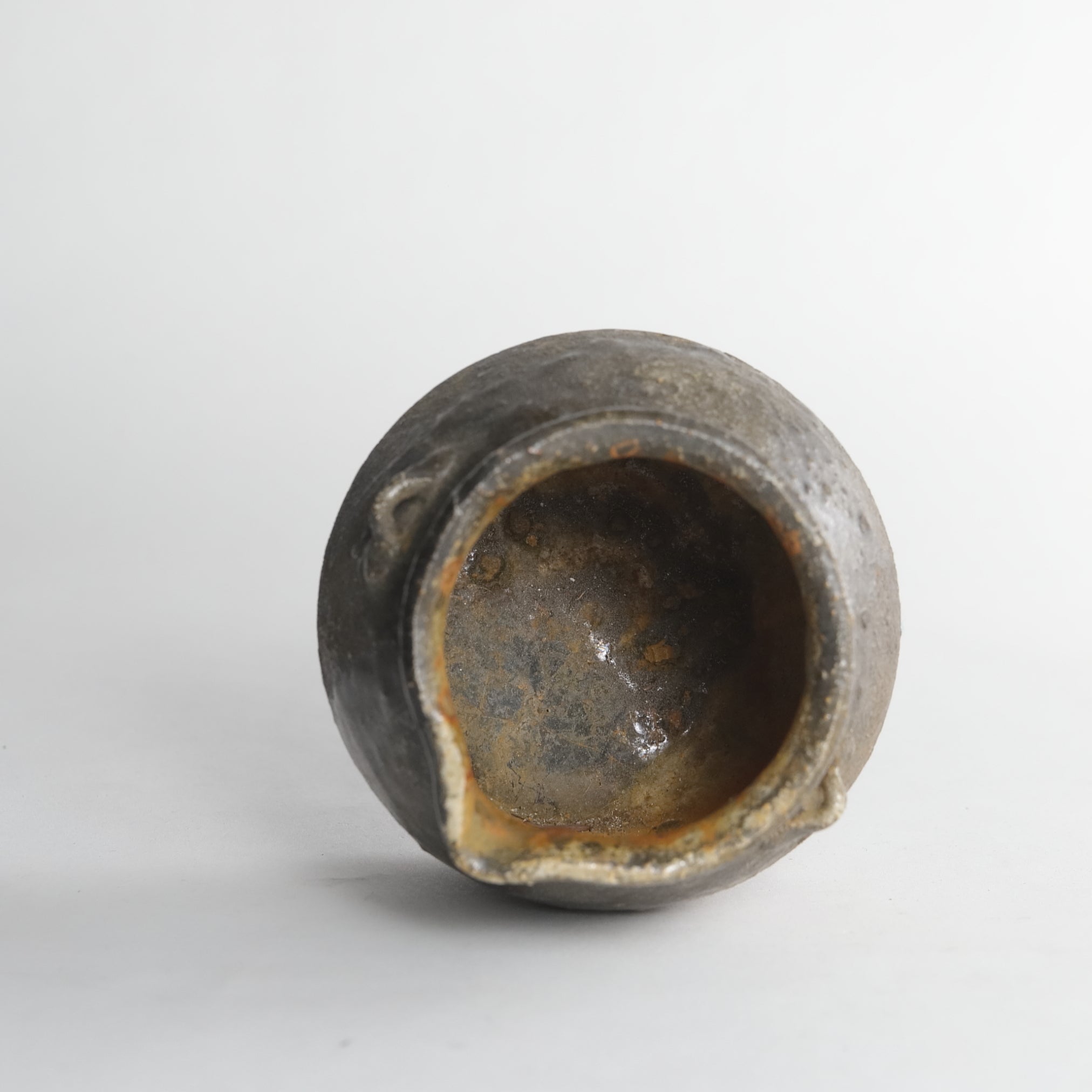


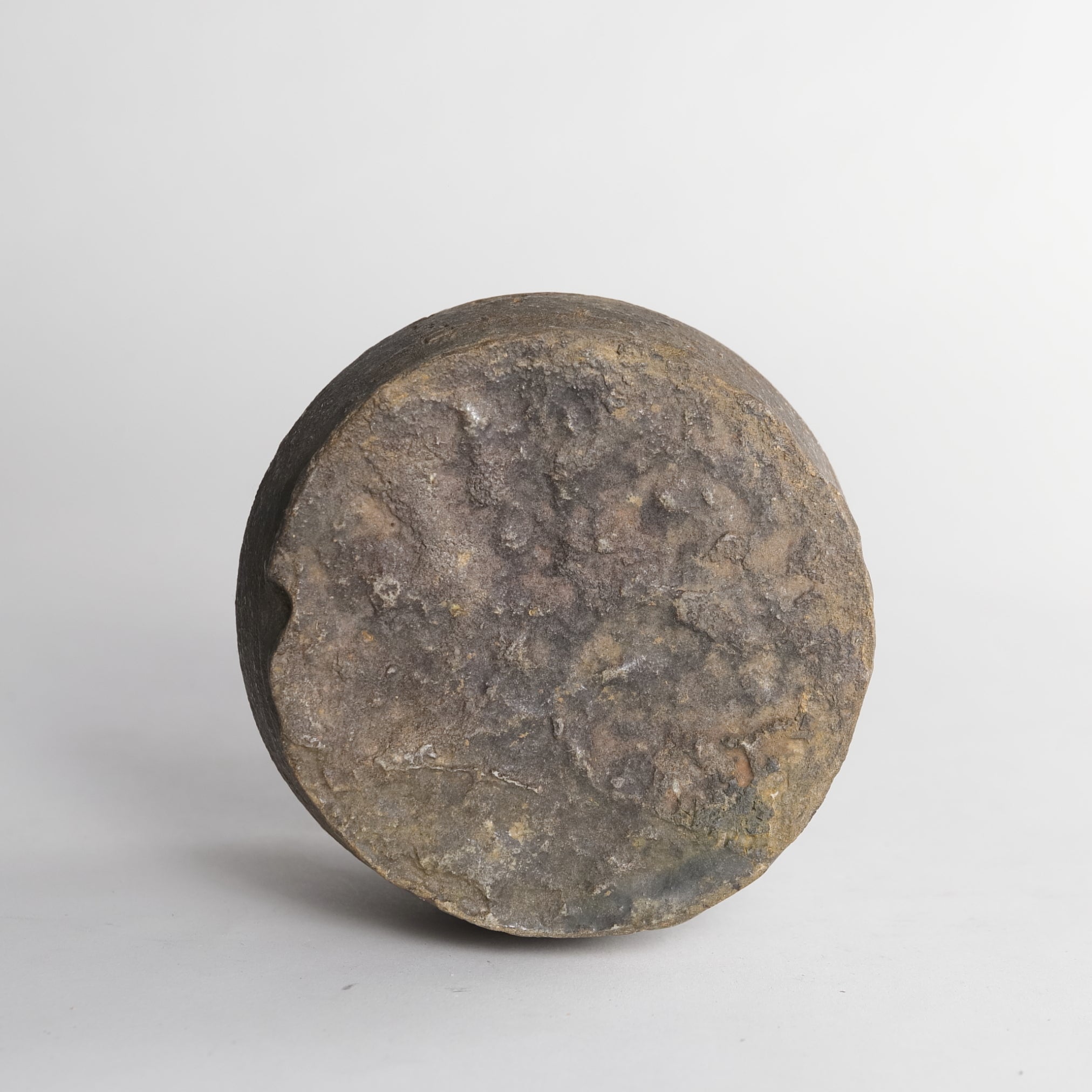
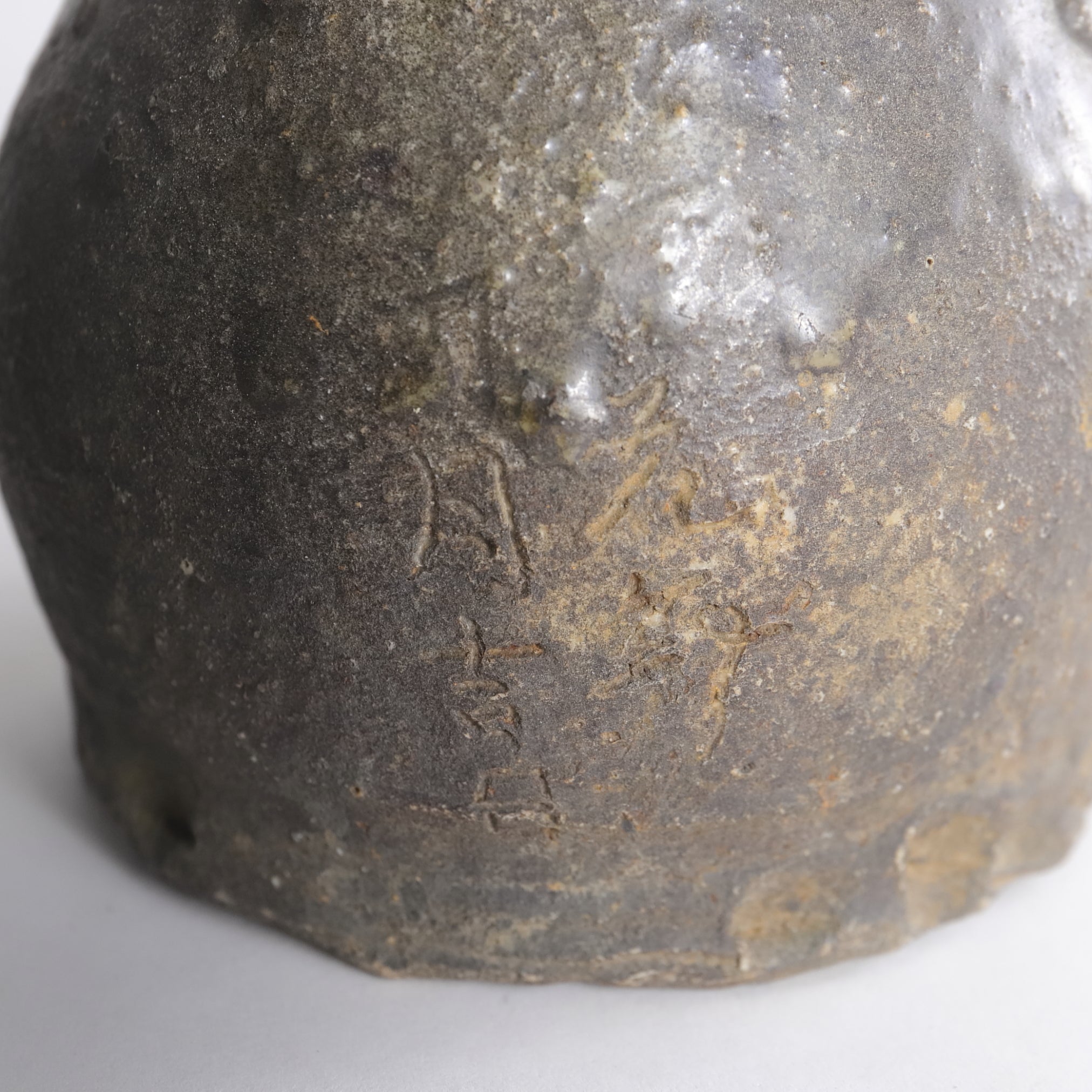

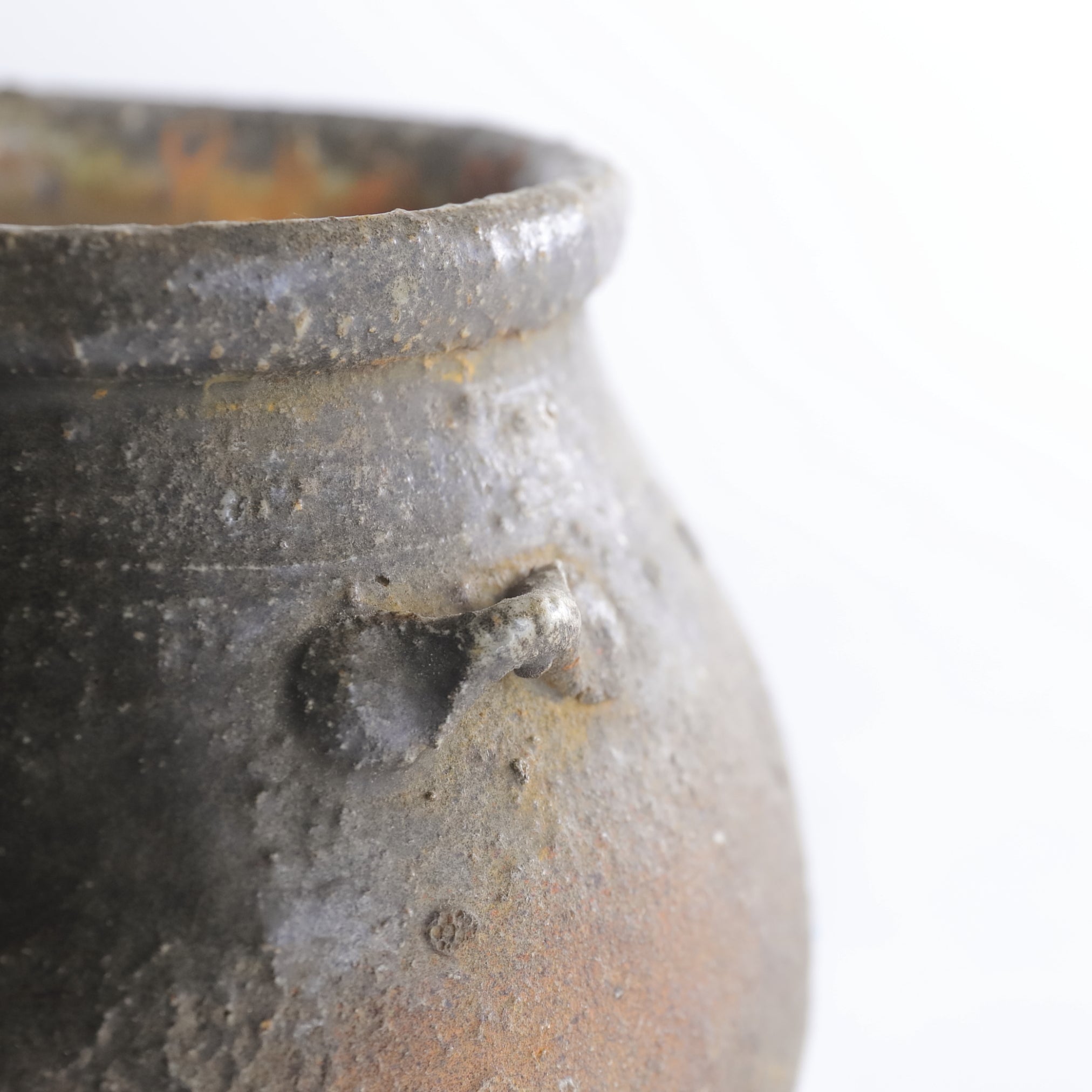


OHAGURO TSUBO (TOOTH-BLACKENING JAR), Ko-Echizen, Muromachi Period (1336–1573 CE)
Each piece is carefully packed for international delivery.
This item has been sold. If you are looking for a similar piece or another work from the same period, please feel free to contact us.
> Inquire about this or a similar itemOhaguro, or tooth blackening, is a fascinating custom unique to Japan. Its origins can be traced back to the Kofun period, where traces of this practice have been found on human bones and haniwa (clay figures). The tradition continued through the Nara, Heian, Kamakura, Muromachi, Sengoku, and into the early Edo periods, spanning over 1200 years.
Throughout this history, what began as a practice for both men and women gradually became exclusive to women, transitioning from a custom of the upper classes to one embraced by the general populace. It was said that women who practiced ohaguro appeared more graceful and beautiful, and by the Edo period, it had become a widespread custom among married women across the nation.
The small jars used to hold the liquid for tooth blackening are known as ohaguro tsubo, with those from Echizen being particularly renowned for their rich variety of shapes. These jars were sometimes repurposed as flower vases during tea ceremonies and are also referred to as tetsujō tsubo.
This piece is an ohaguro tsubo from the Muromachi period, exuding an elegance that invites floral arrangements.
Choose options
Change language
