

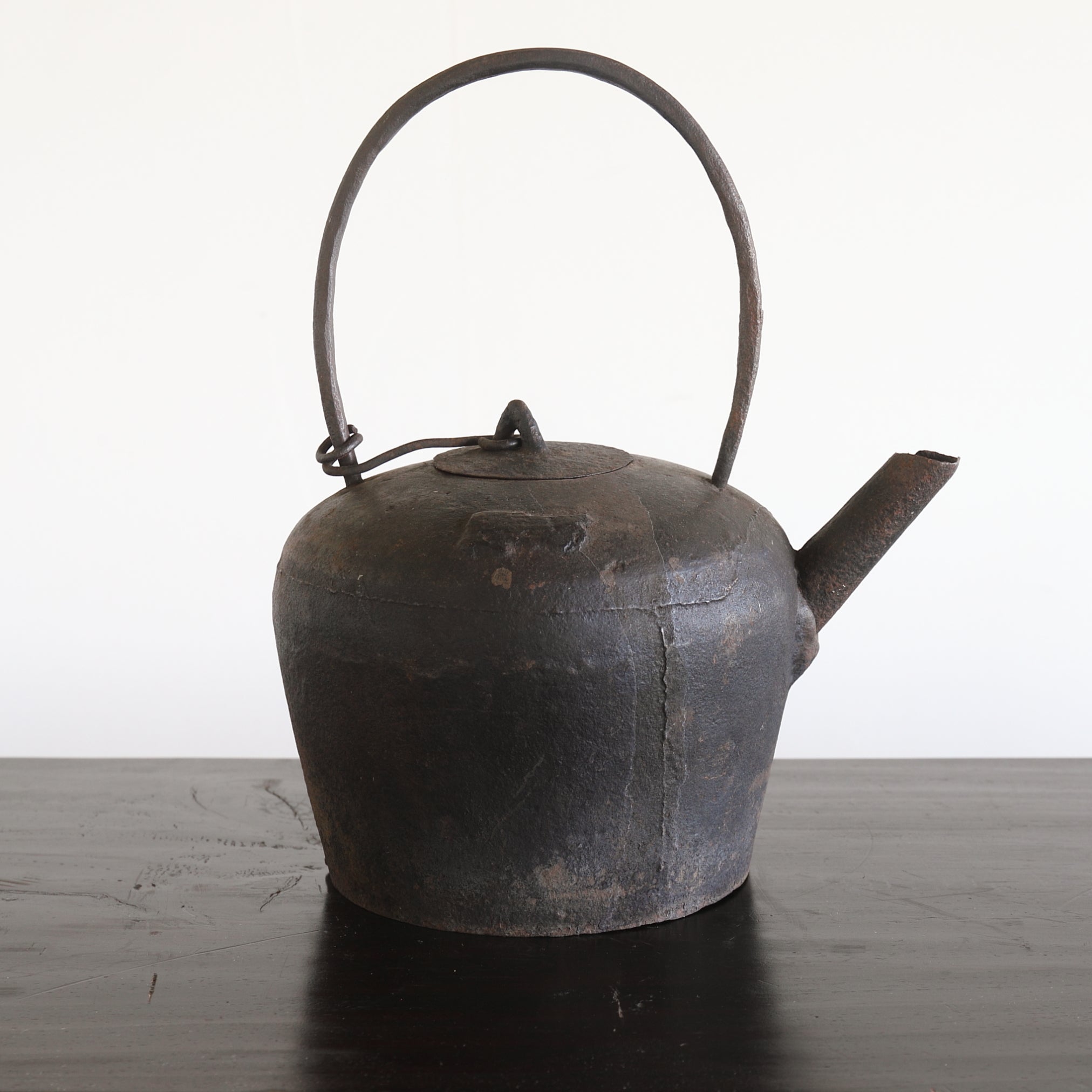
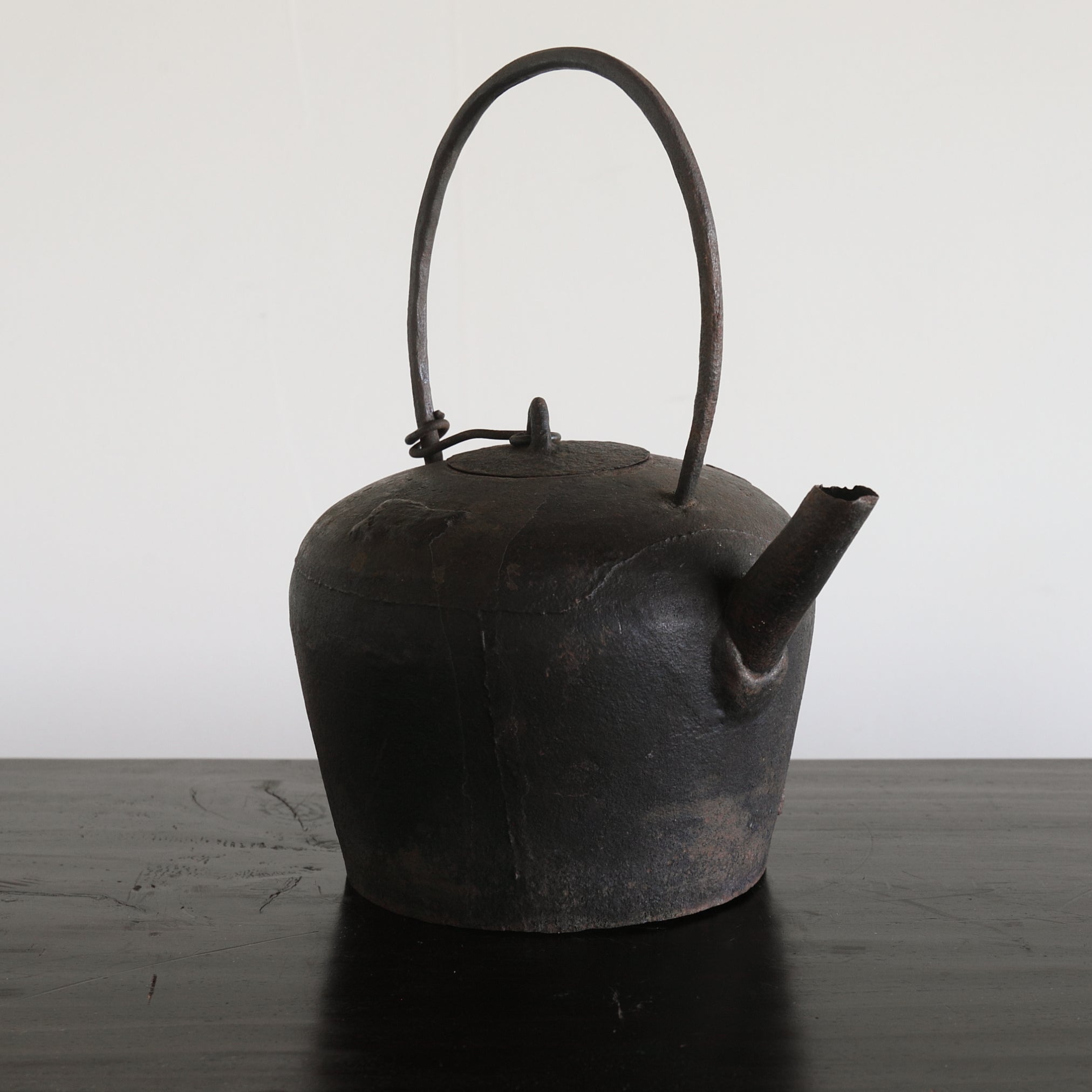
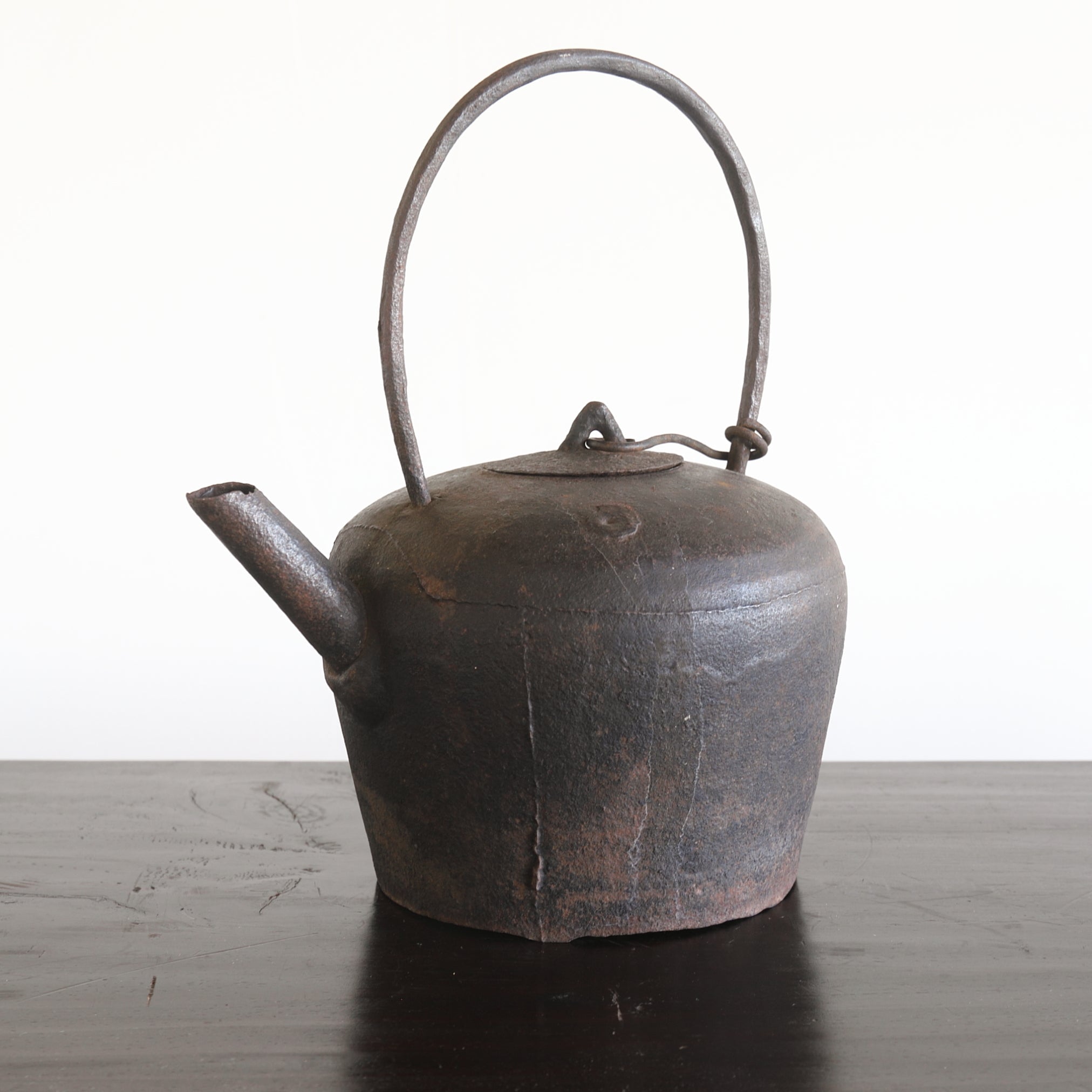






OLD TETSUBIN, Qing Dynasty (1616–1911 CE)
Each piece is carefully packed for international delivery.
This item has been sold. If you are looking for a similar piece or another work from the same period, please feel free to contact us.
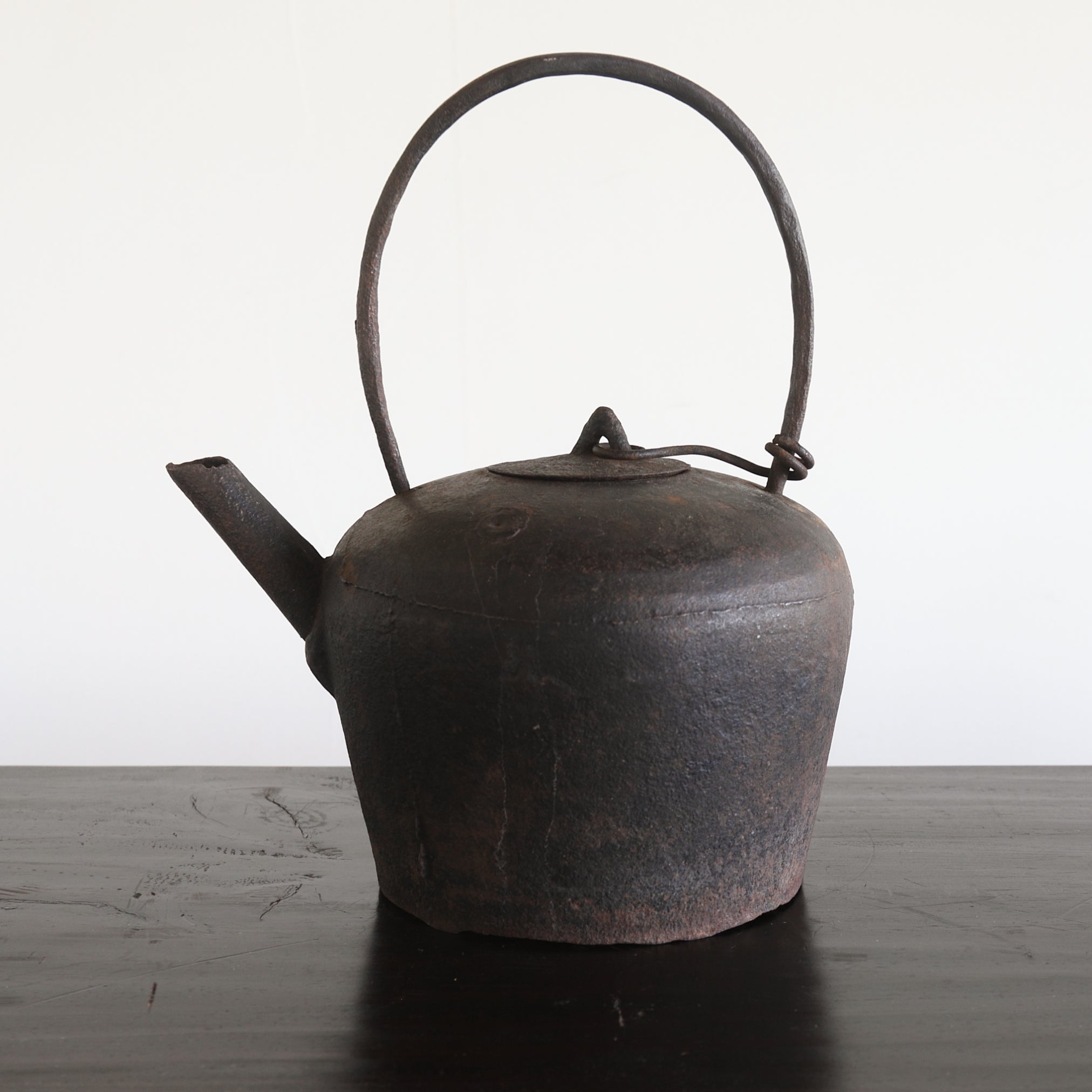
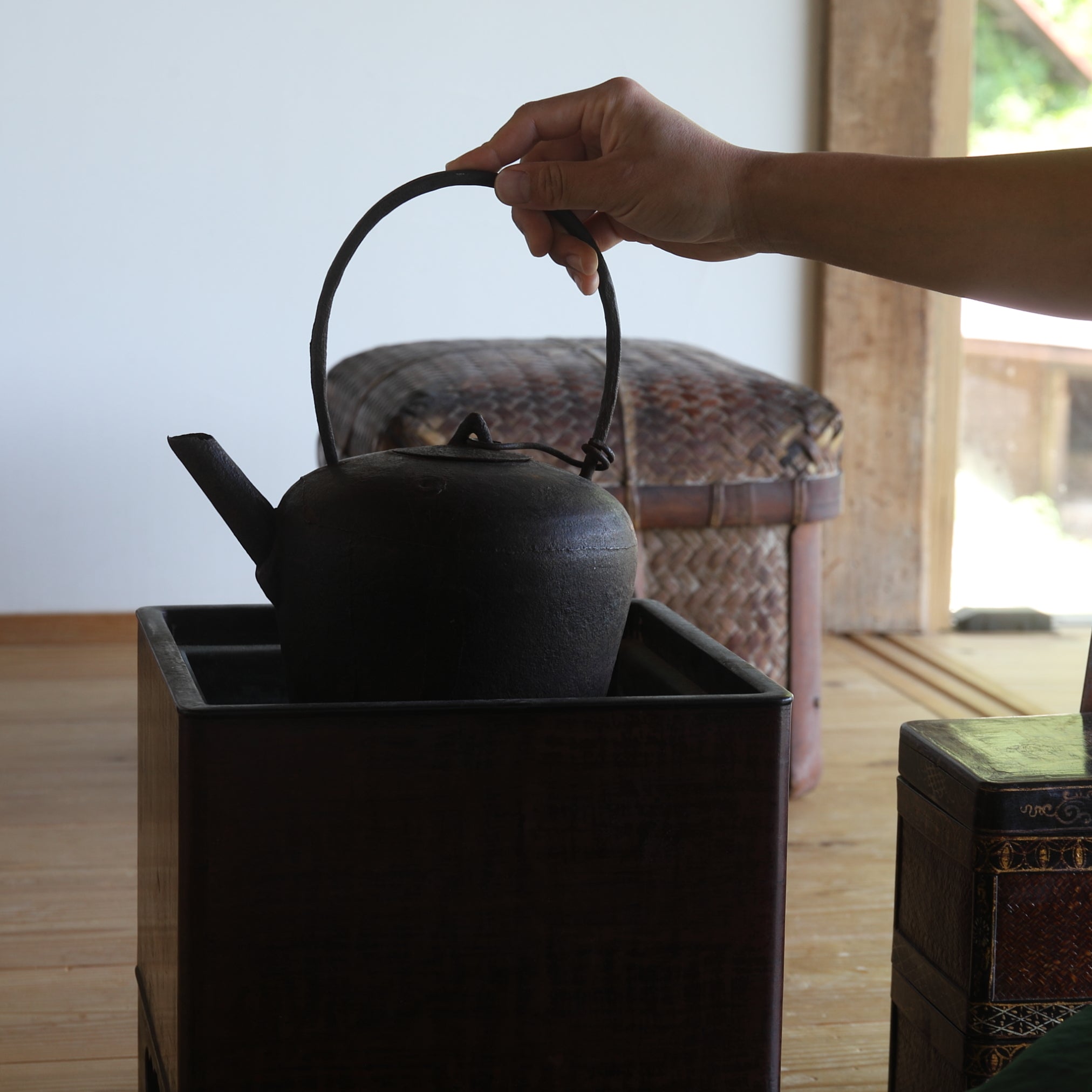
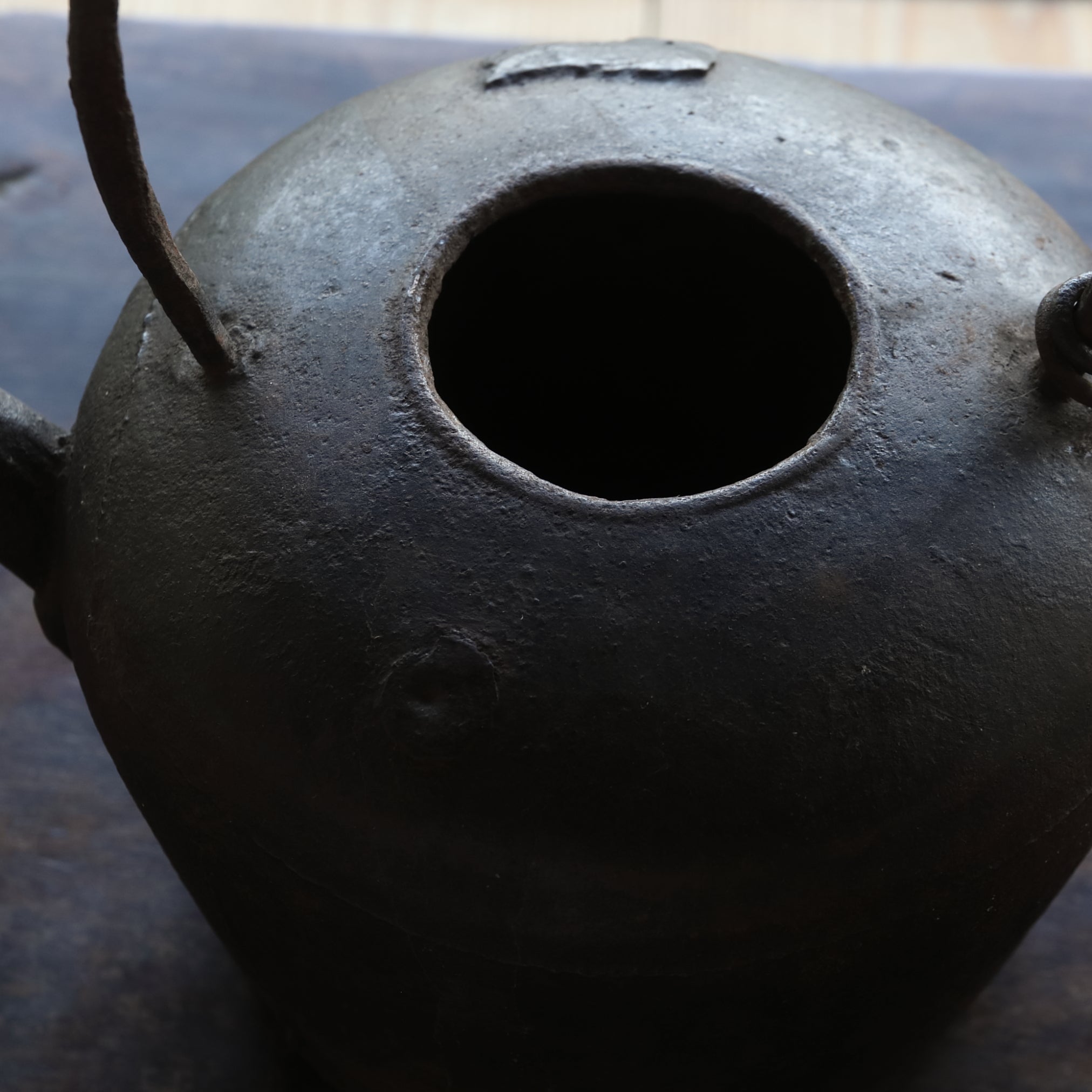
> Inquire about this or a similar itemThis is a cast iron teapot crafted during the Qing Dynasty (1616–1911 CE) in China. While it is commonly referred to as a Korean-style iron kettle in Japan, it was actually produced in China from the late Ming to the mid-Qing period. It was utilized for brewing medicinal teas and as a hot water kettle. The practice of using an iron kettle for tea preparation is documented in Lu Yu's "The Classic of Tea" from the Tang Dynasty. In this seminal work, Lu Yu describes 21 types of tea utensils, including a specific vessel known as a "fu" (ふるい) for boiling tea, which was made from raw iron, now referred to as cast iron in modern terminology.
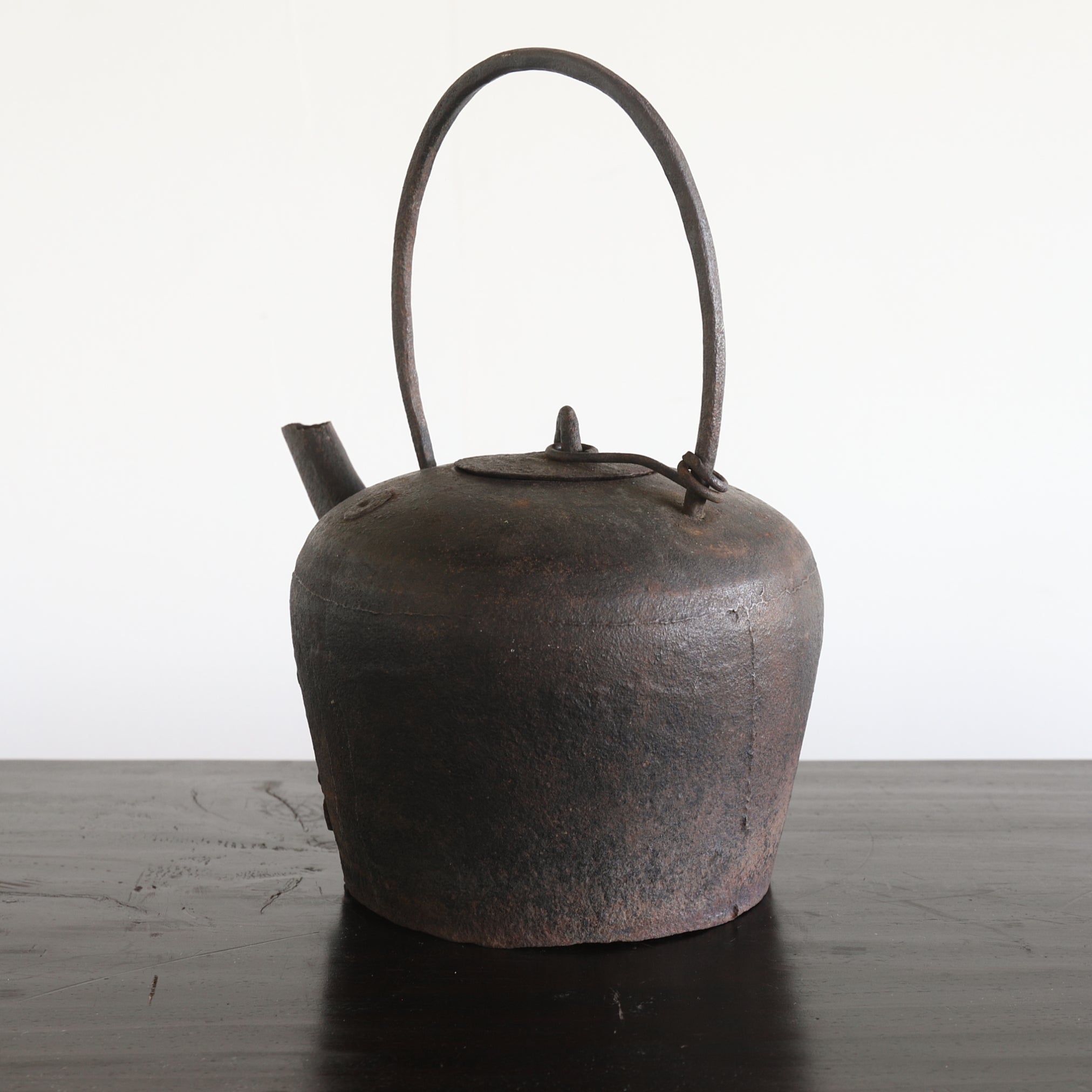
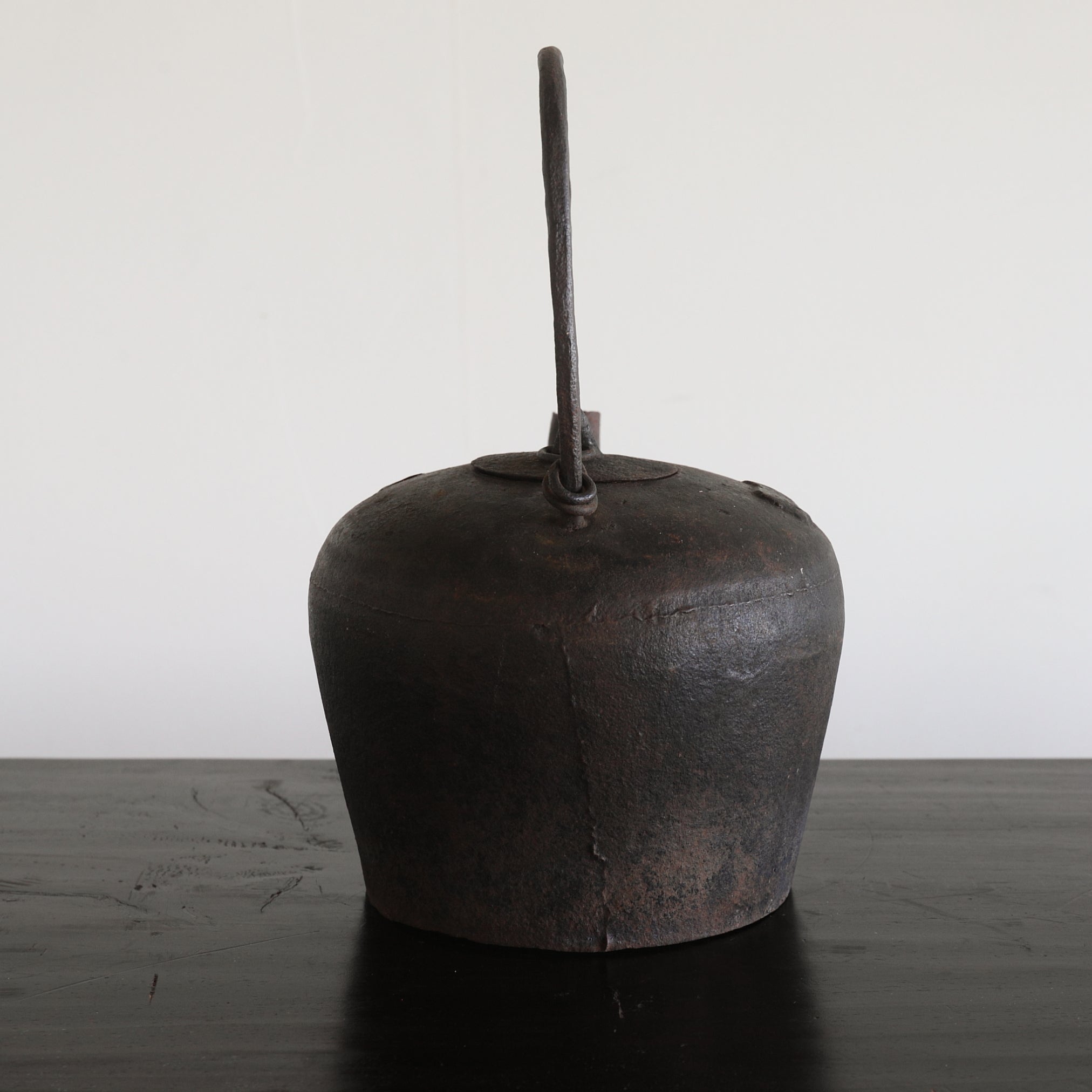
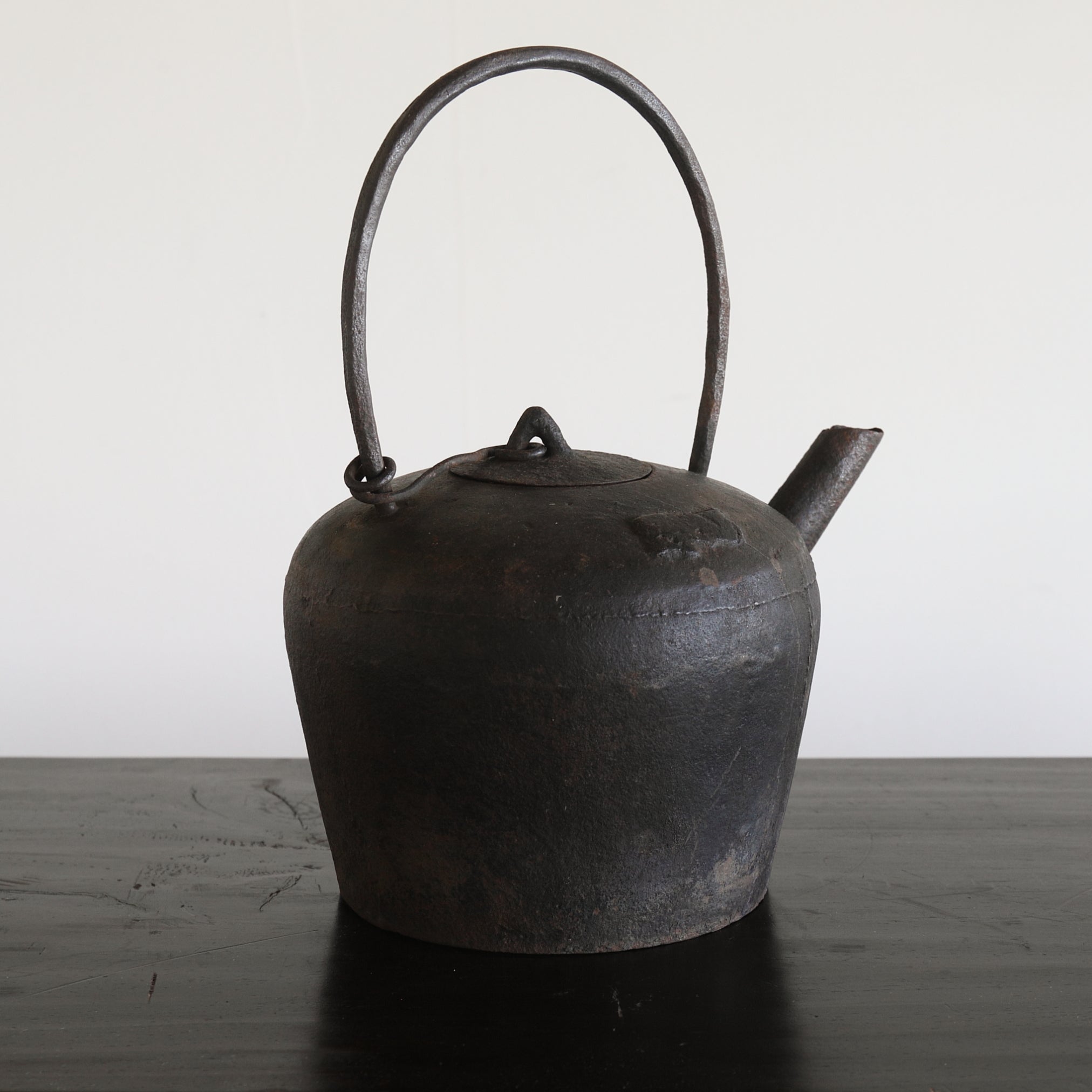
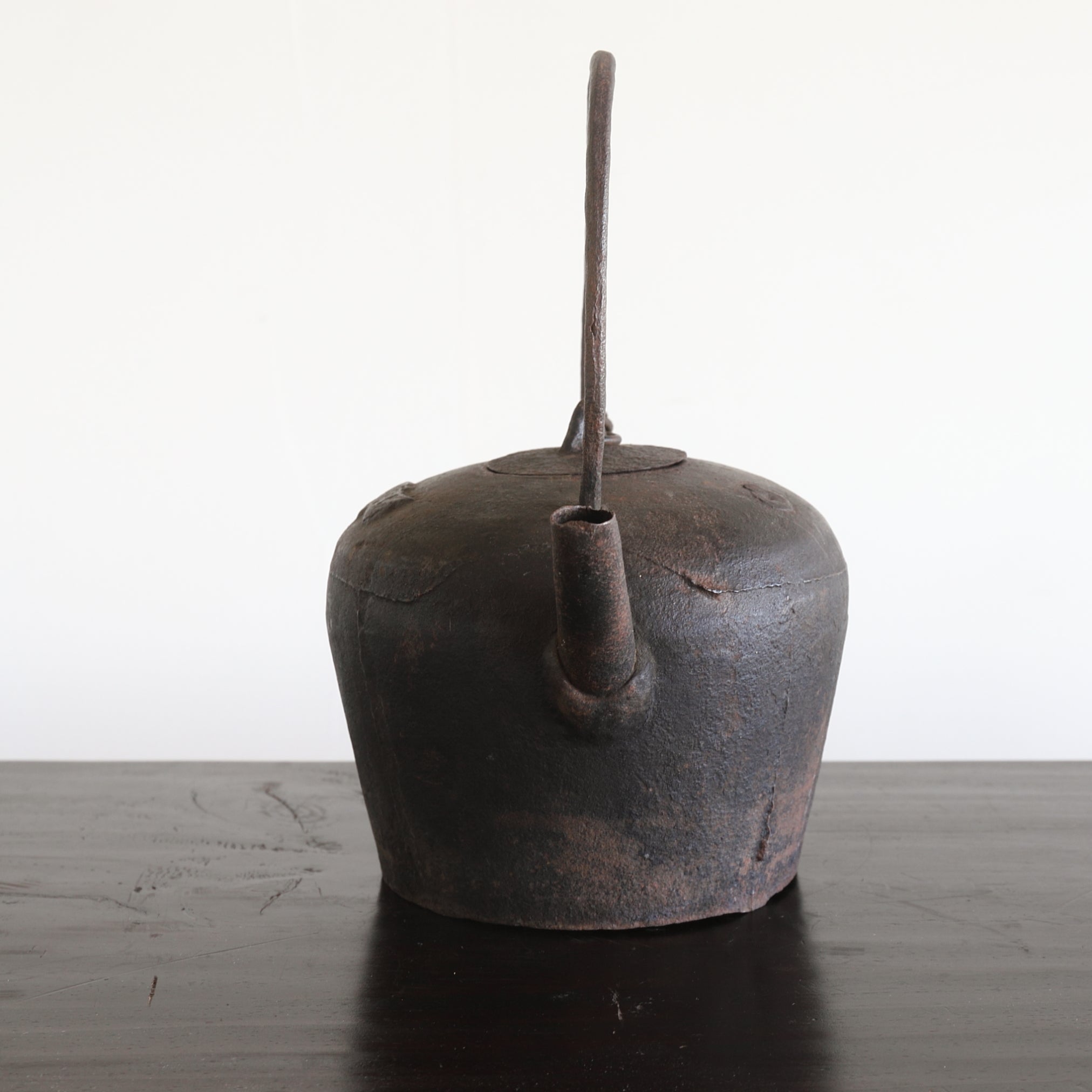
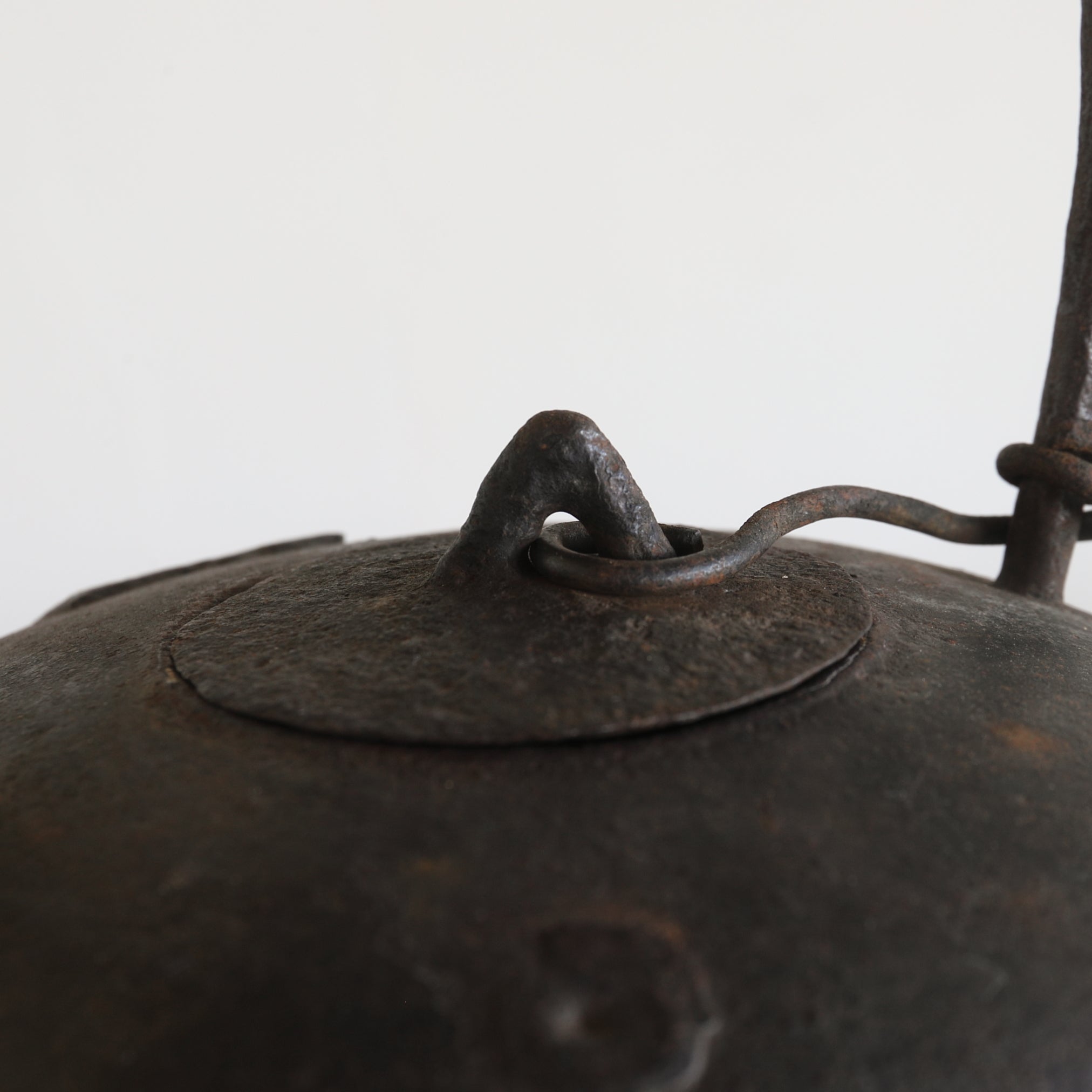
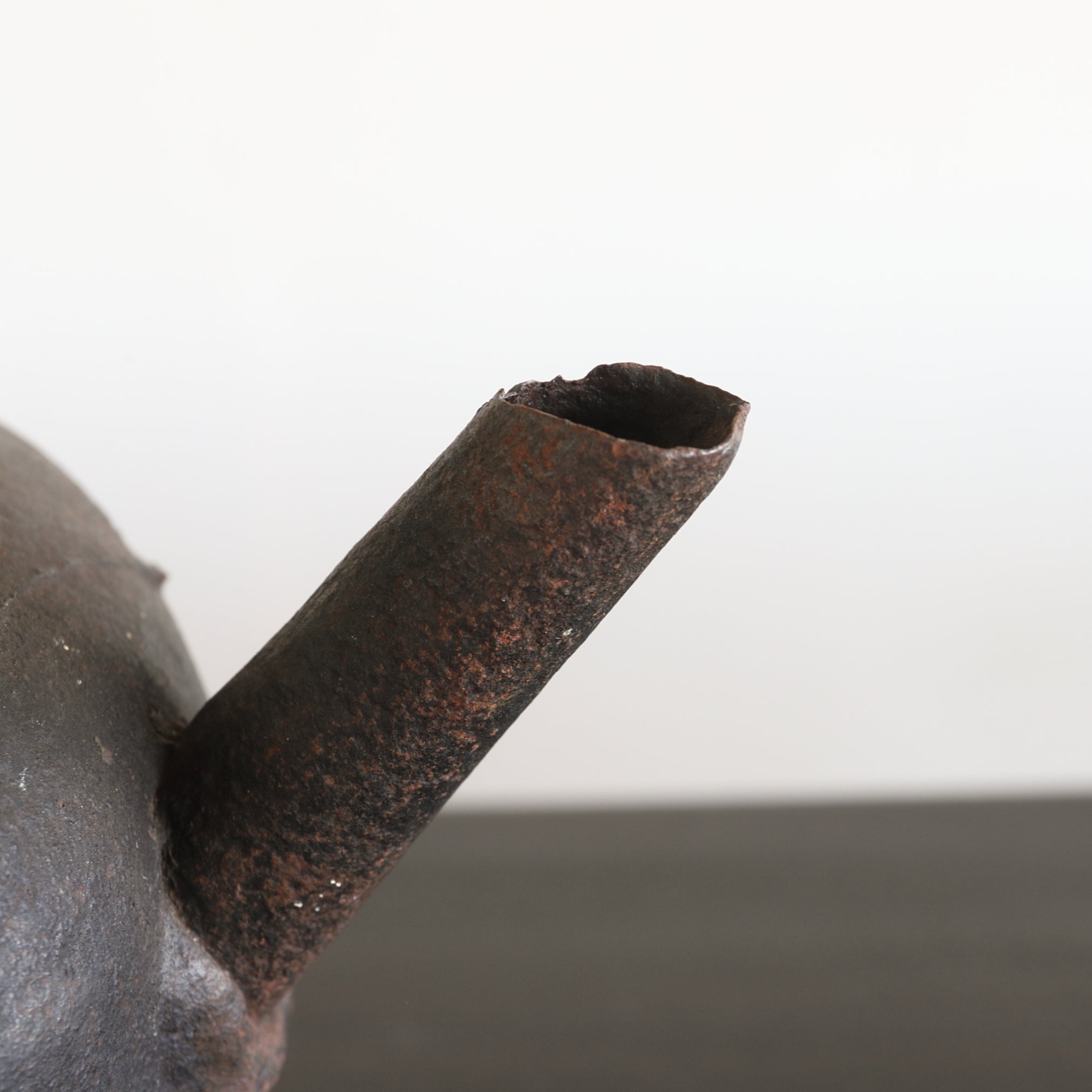
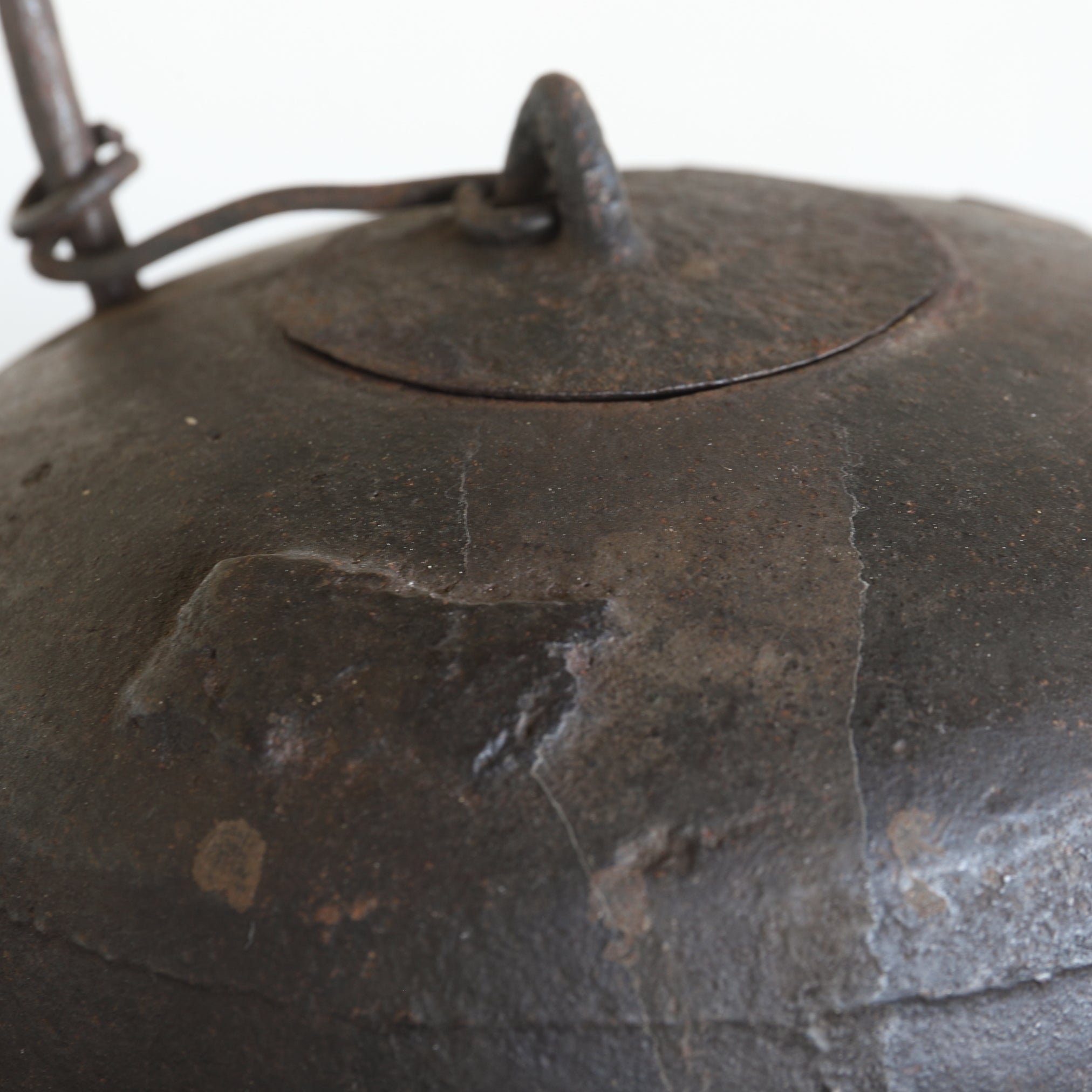
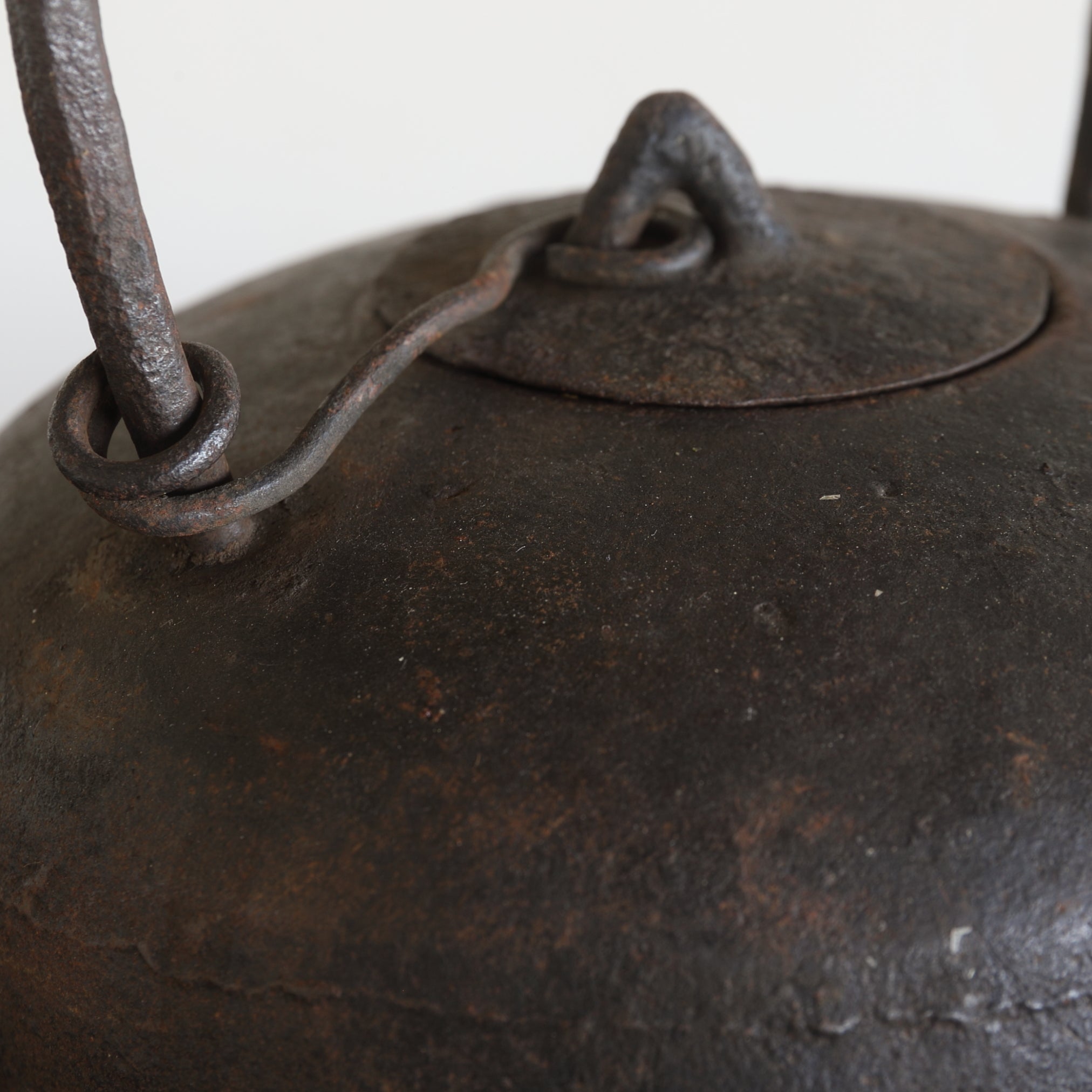
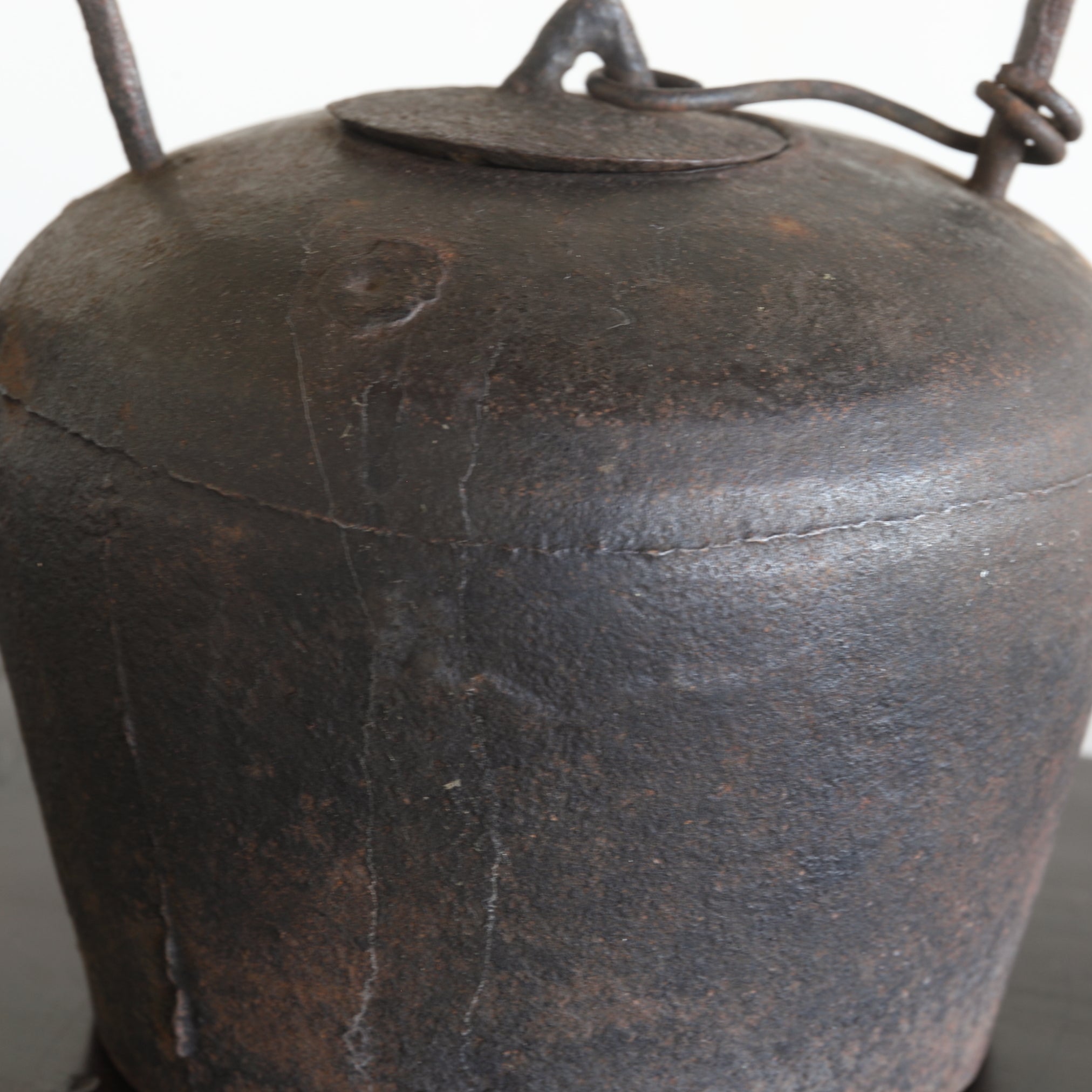
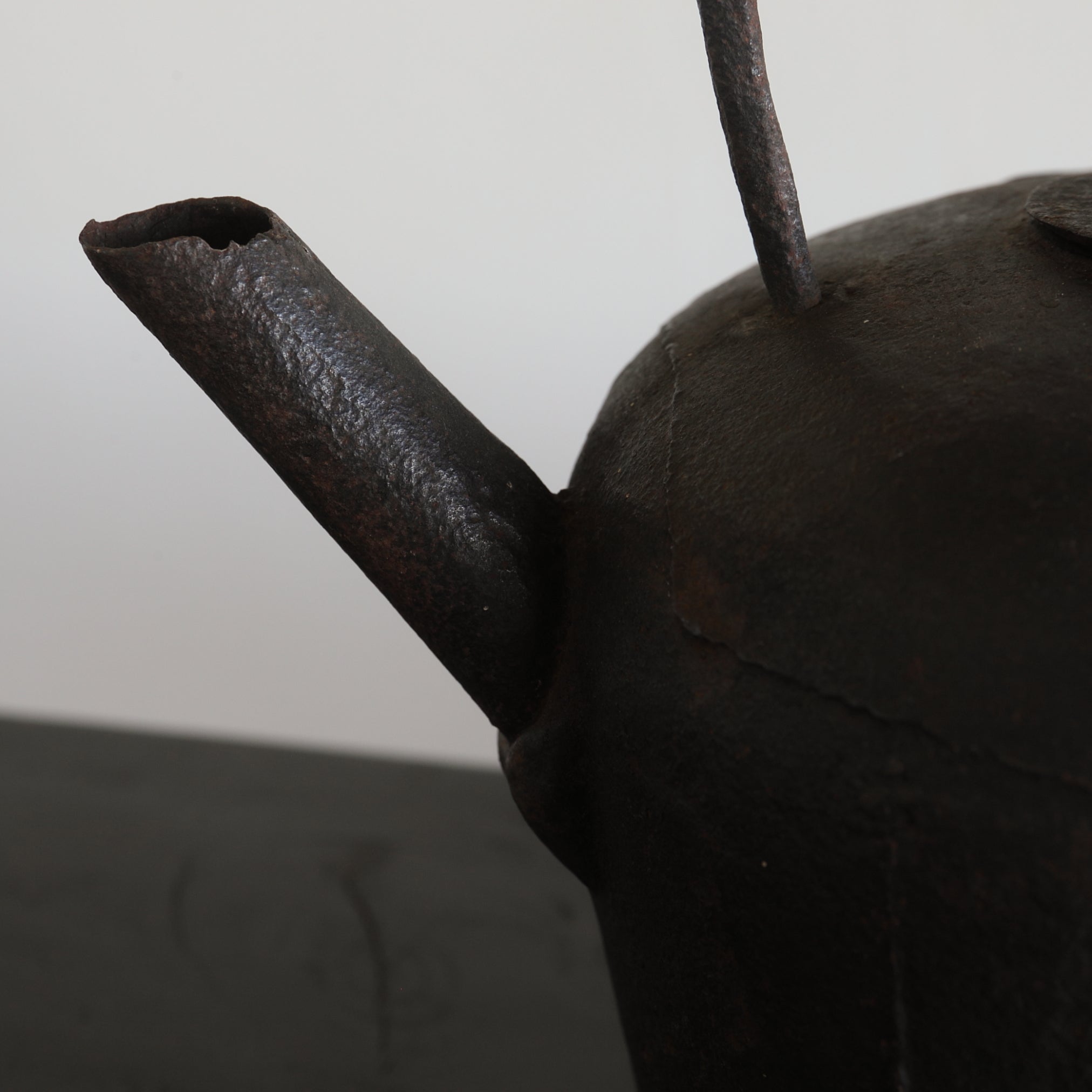
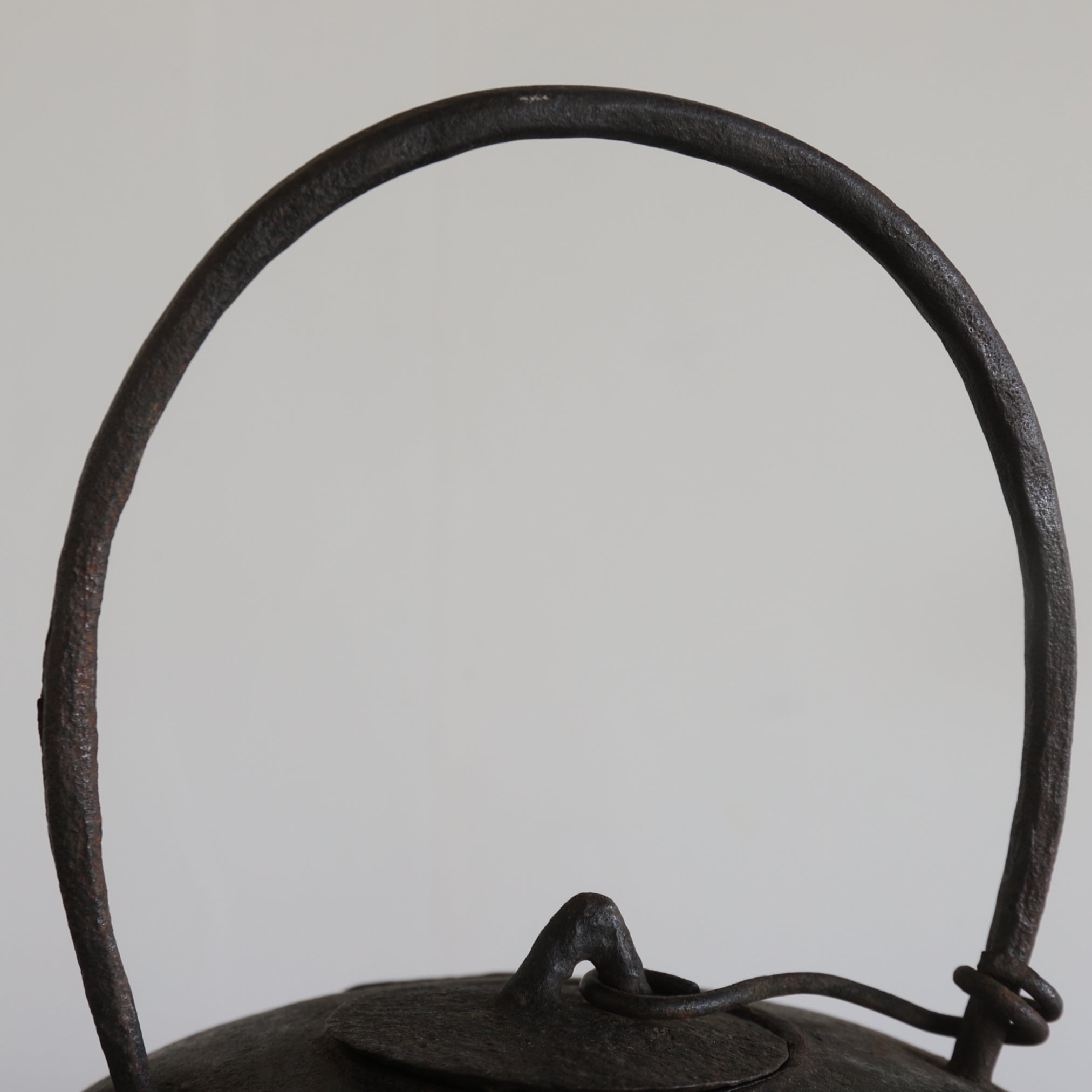
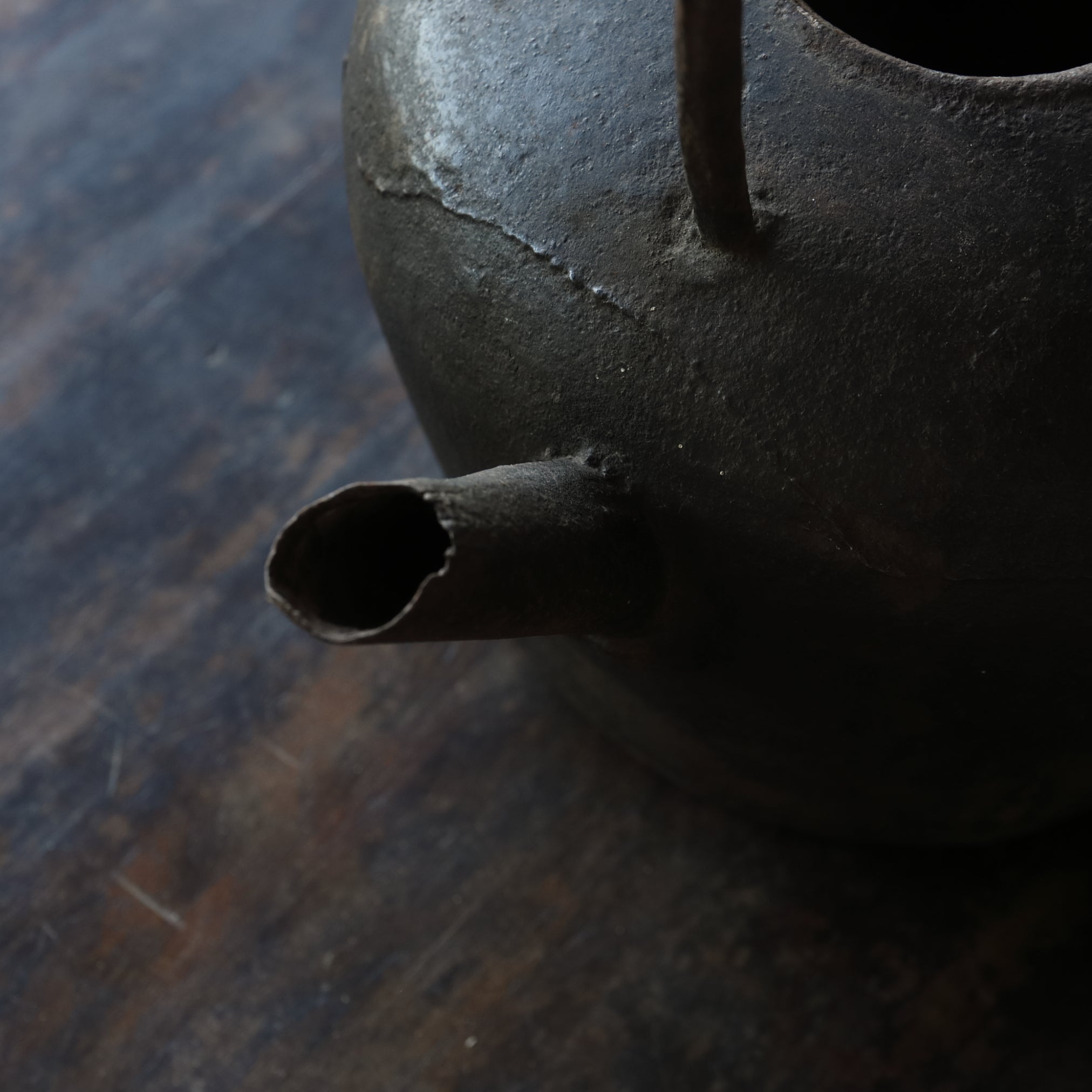
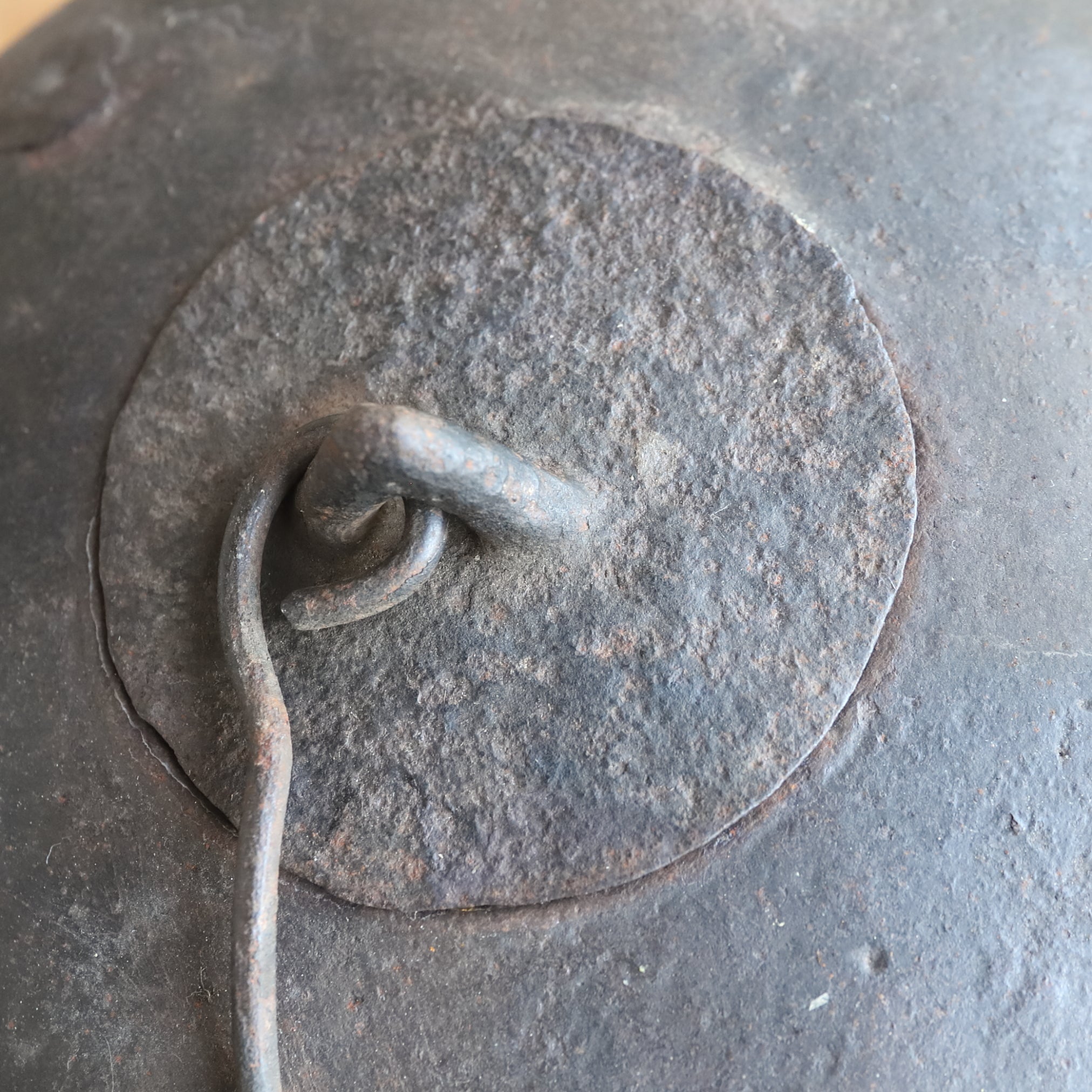
The kettle features a stout, rounded body with an integrated handle and a spout that protrudes like a cannon's muzzle, accompanied by a small iron lid. Its unpretentious appearance, fulfilling its purpose with simplicity, is undeniably charming.
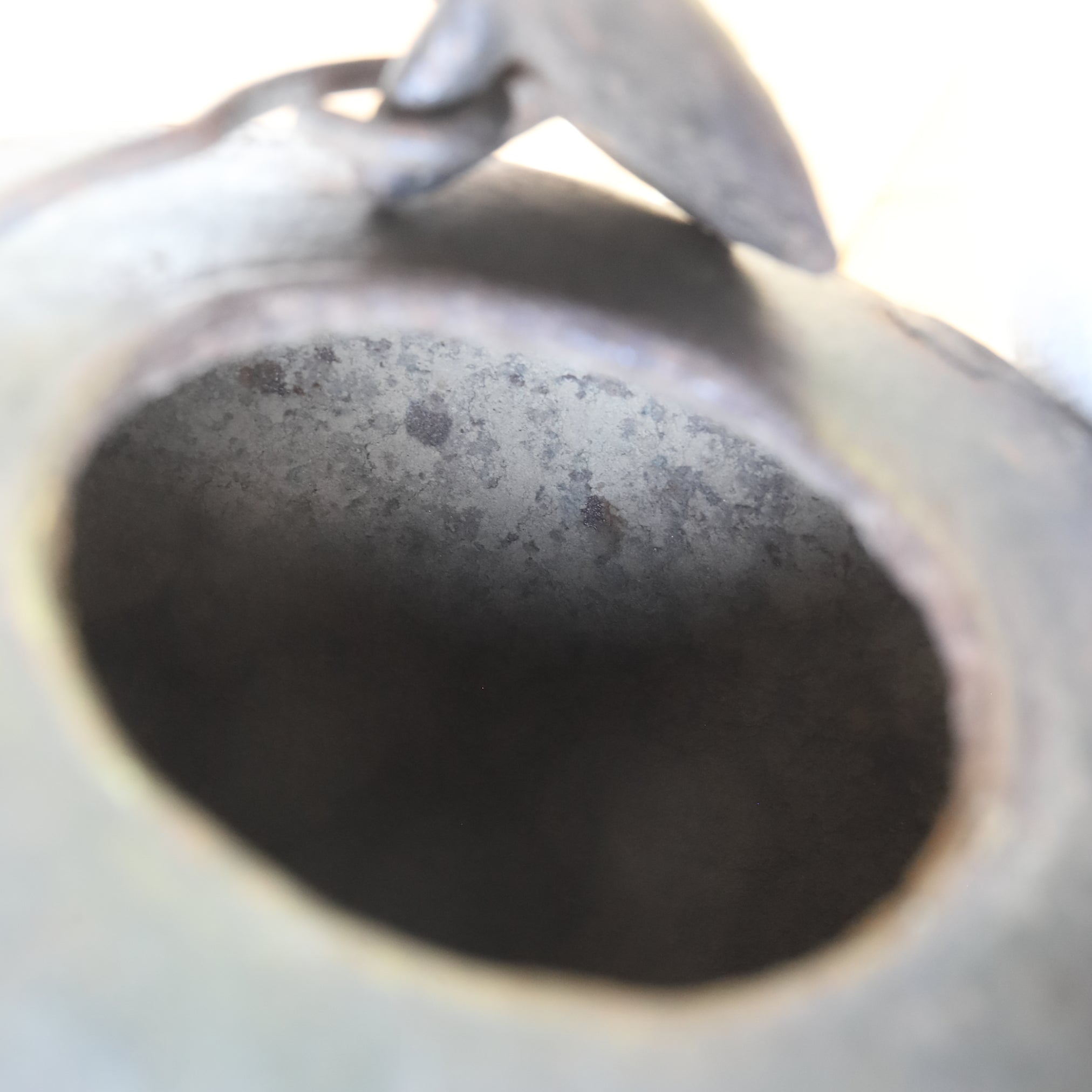
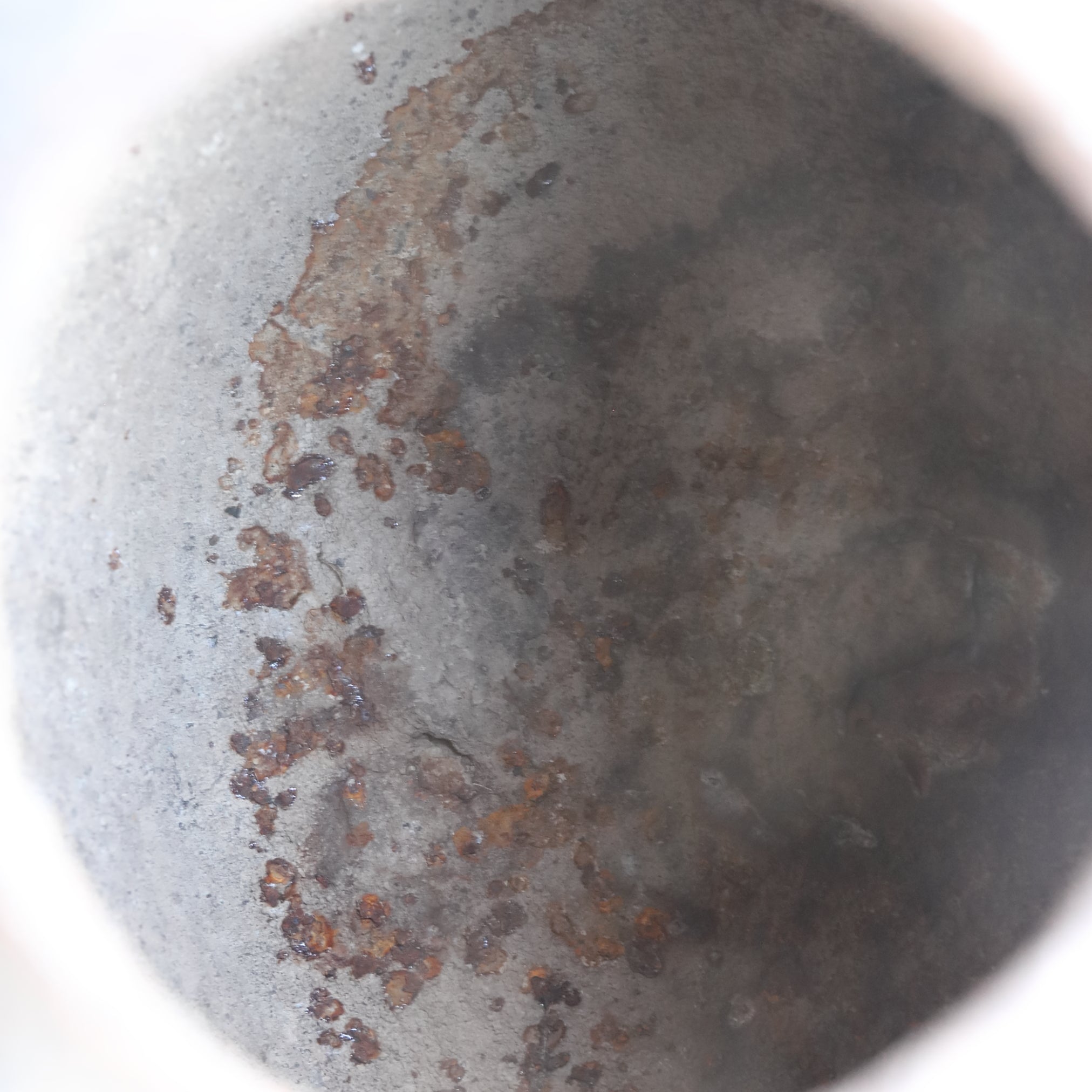
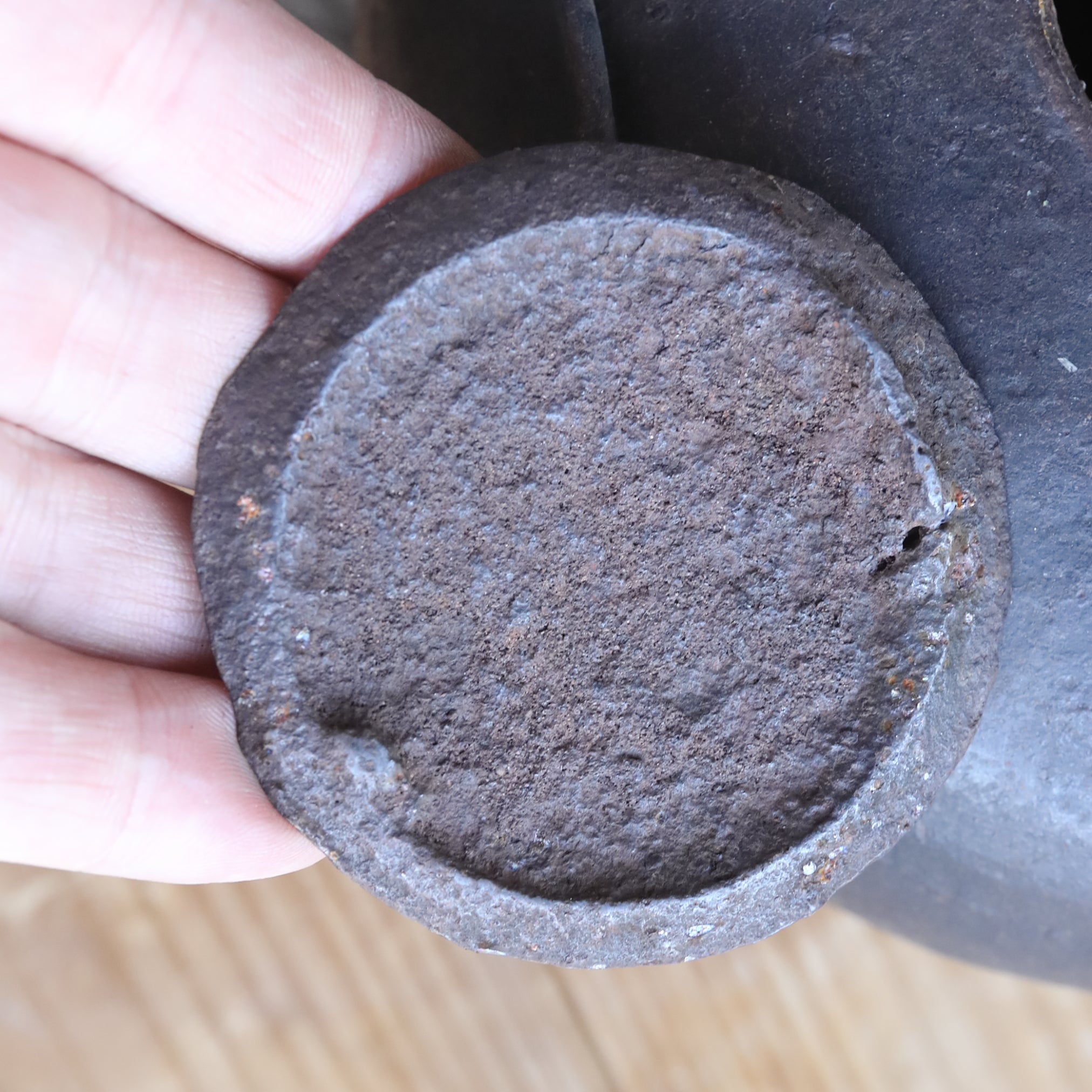
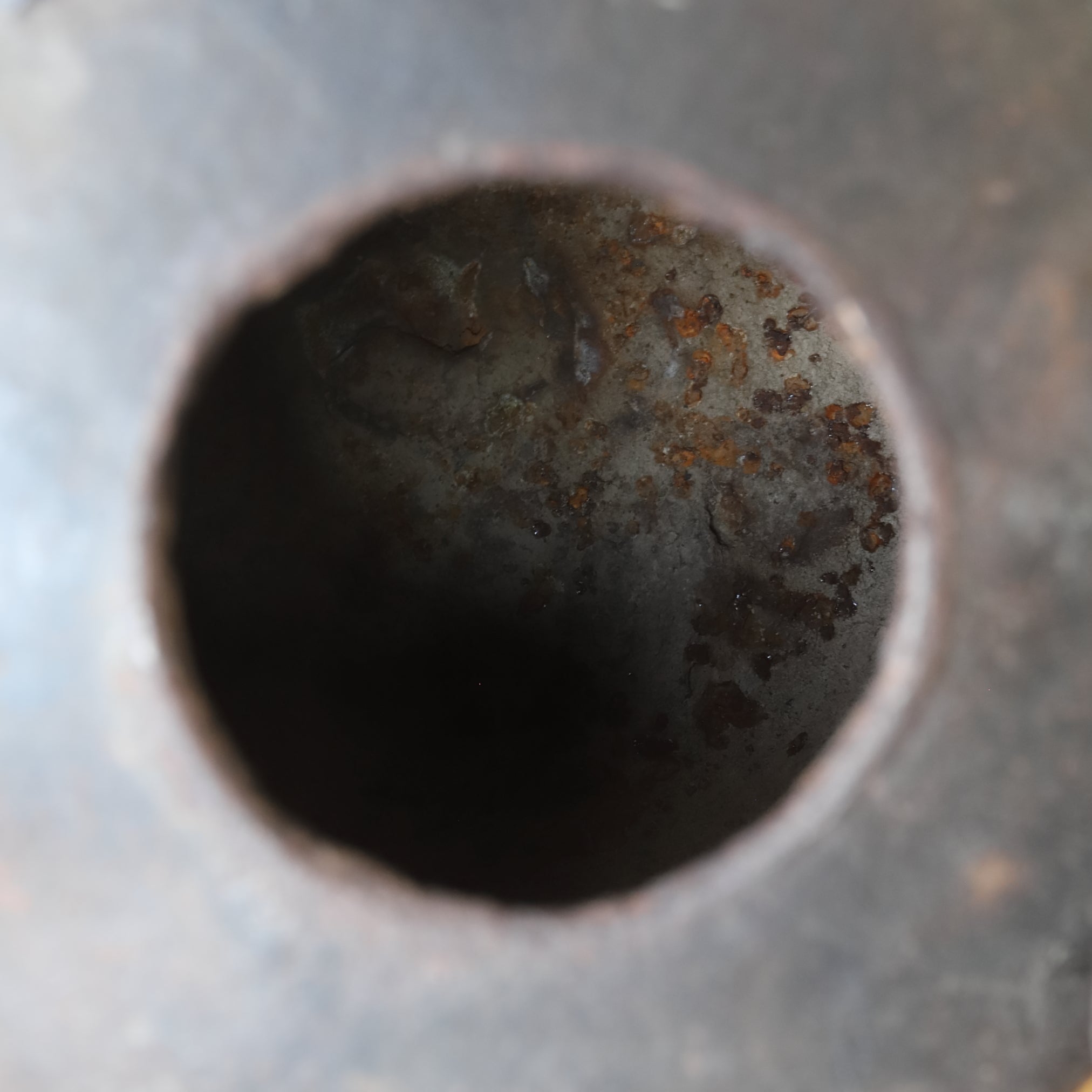
Although it has been used several times for brewing tea, a slight metallic odor remains. To eliminate any rustiness, it is recommended to boil water and discard it repeatedly or to brew green tea in the kettle. The kettle is constructed from exceptionally dense iron, with a base approximately 1 cm thick. If cared for properly, it has the potential to become a treasured heirloom for generations.
Choose options
Change language
