

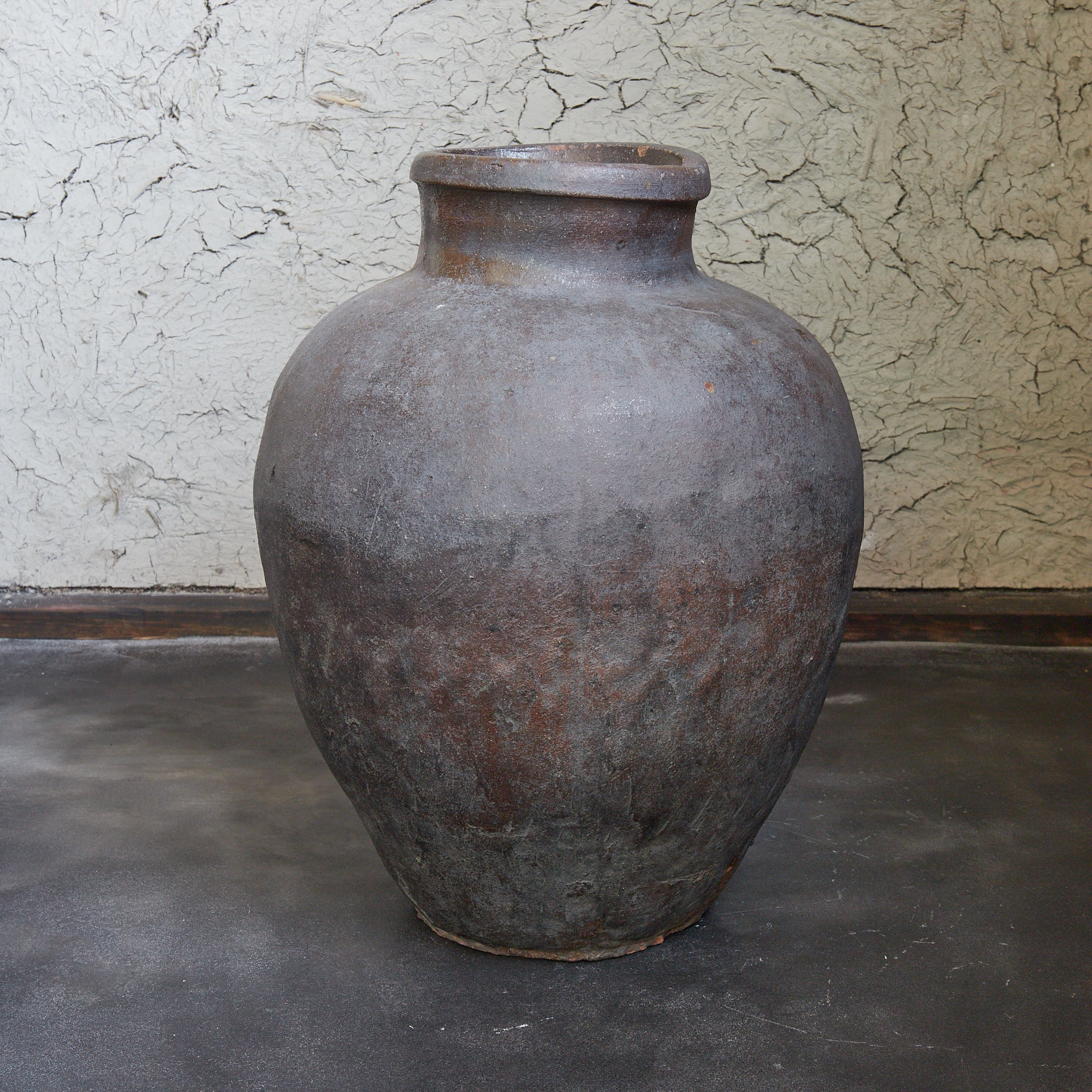
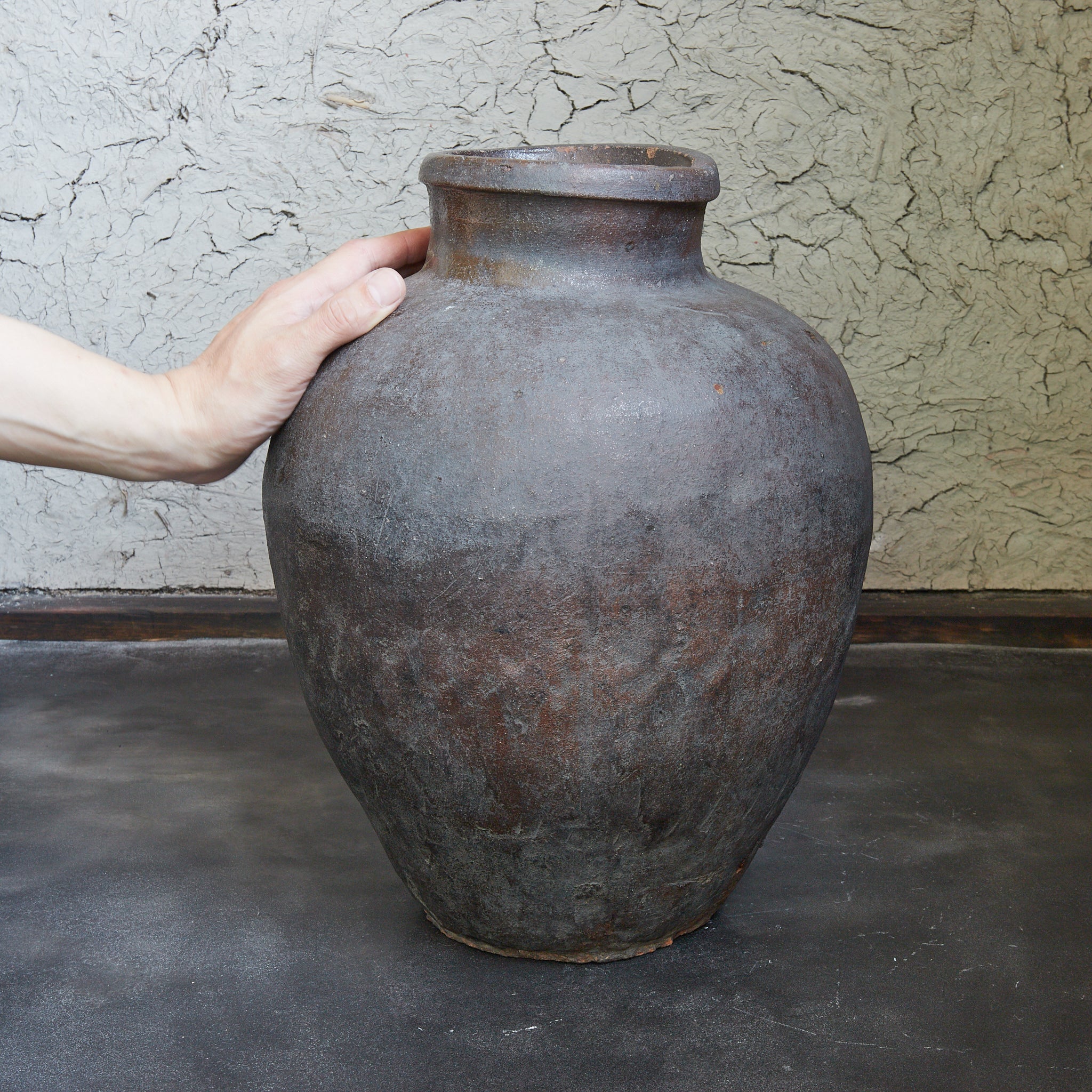

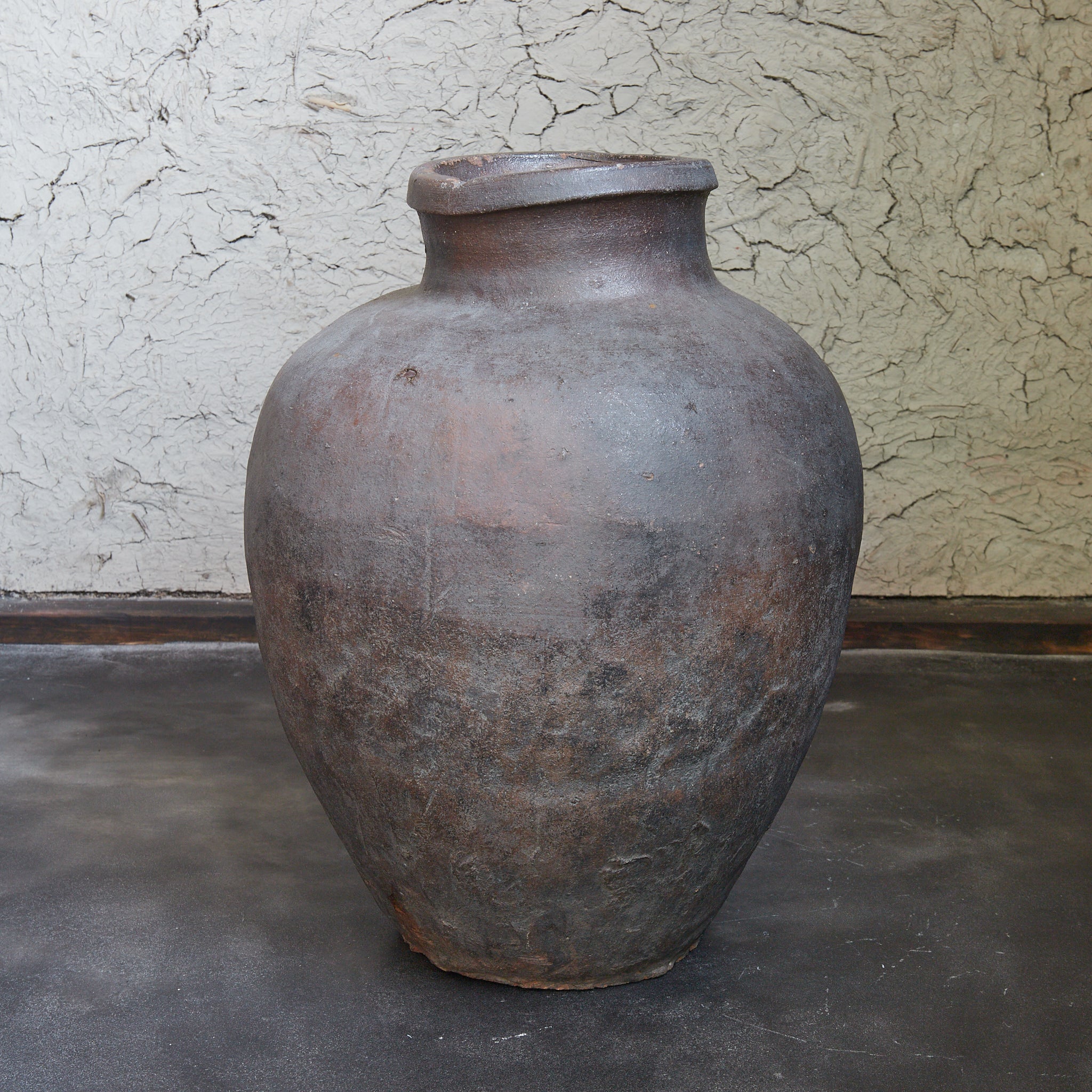
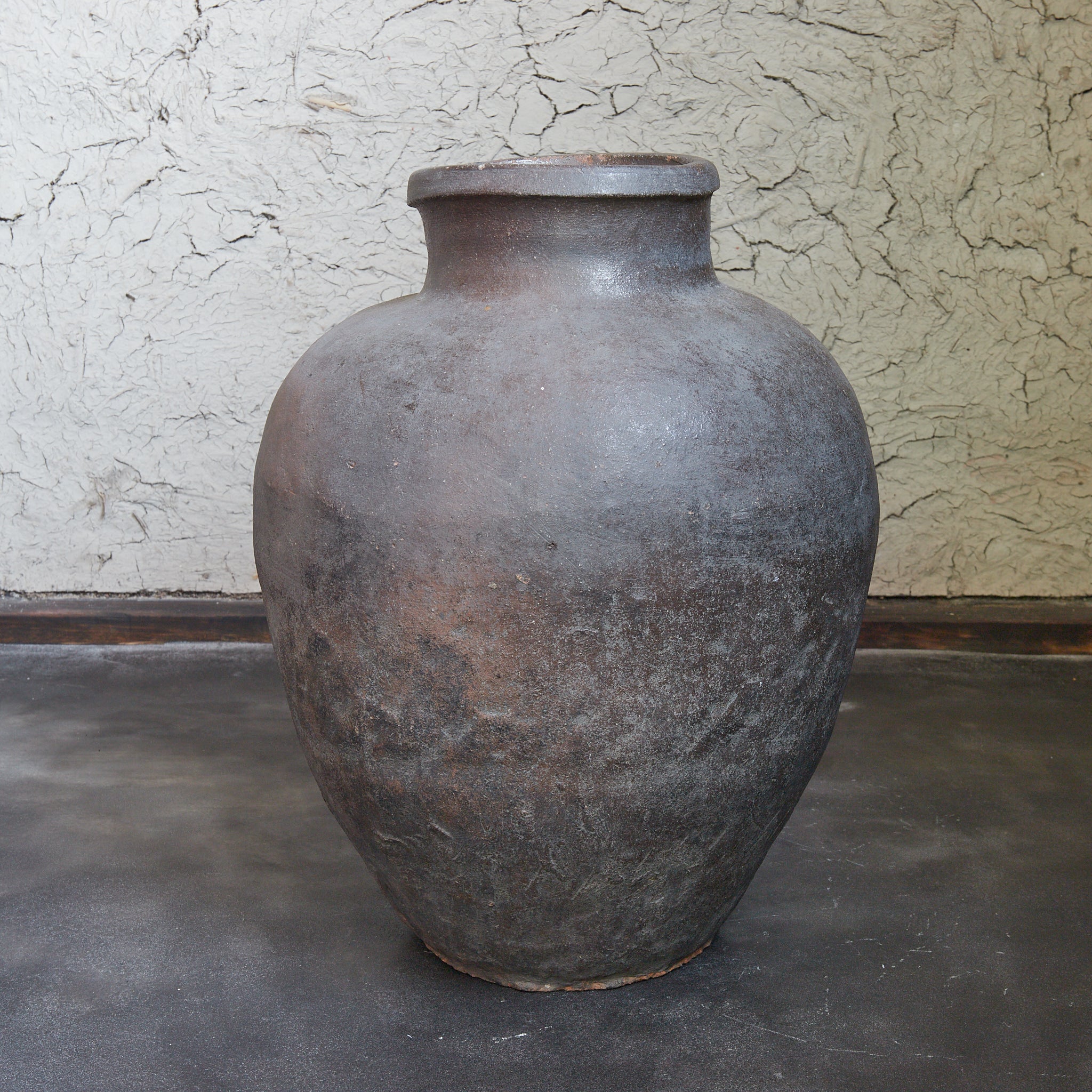

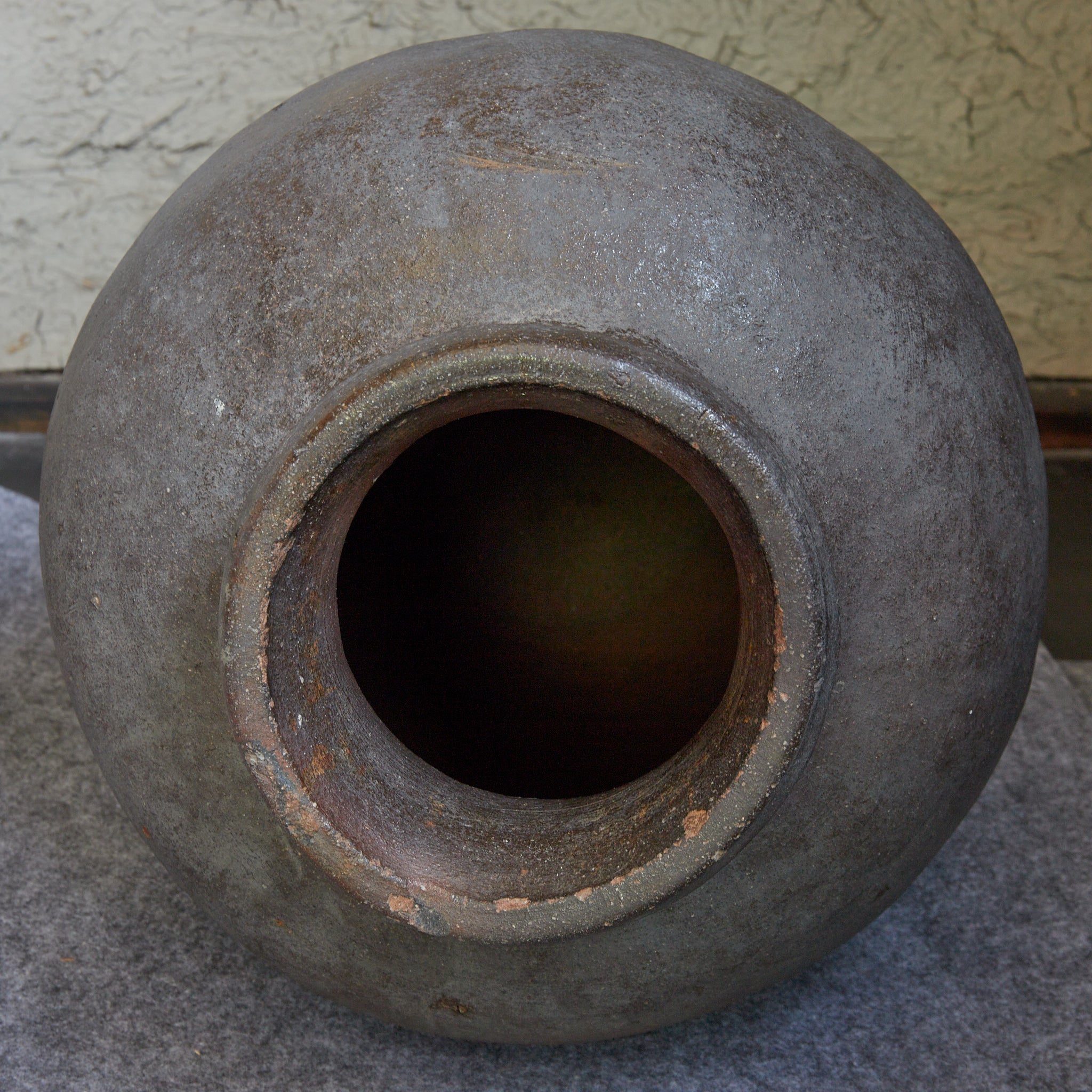







JAR, Ko-Tokoname, Muromachi Period (1336–1573 CE)
Tax excluded. Import duties may apply. Shipping costs are calculated at checkout.
Each piece is carefully packed for international delivery.
Numerous product photos are available for you to examine the details and condition. Should you have any questions, please do not hesitate to contact us.
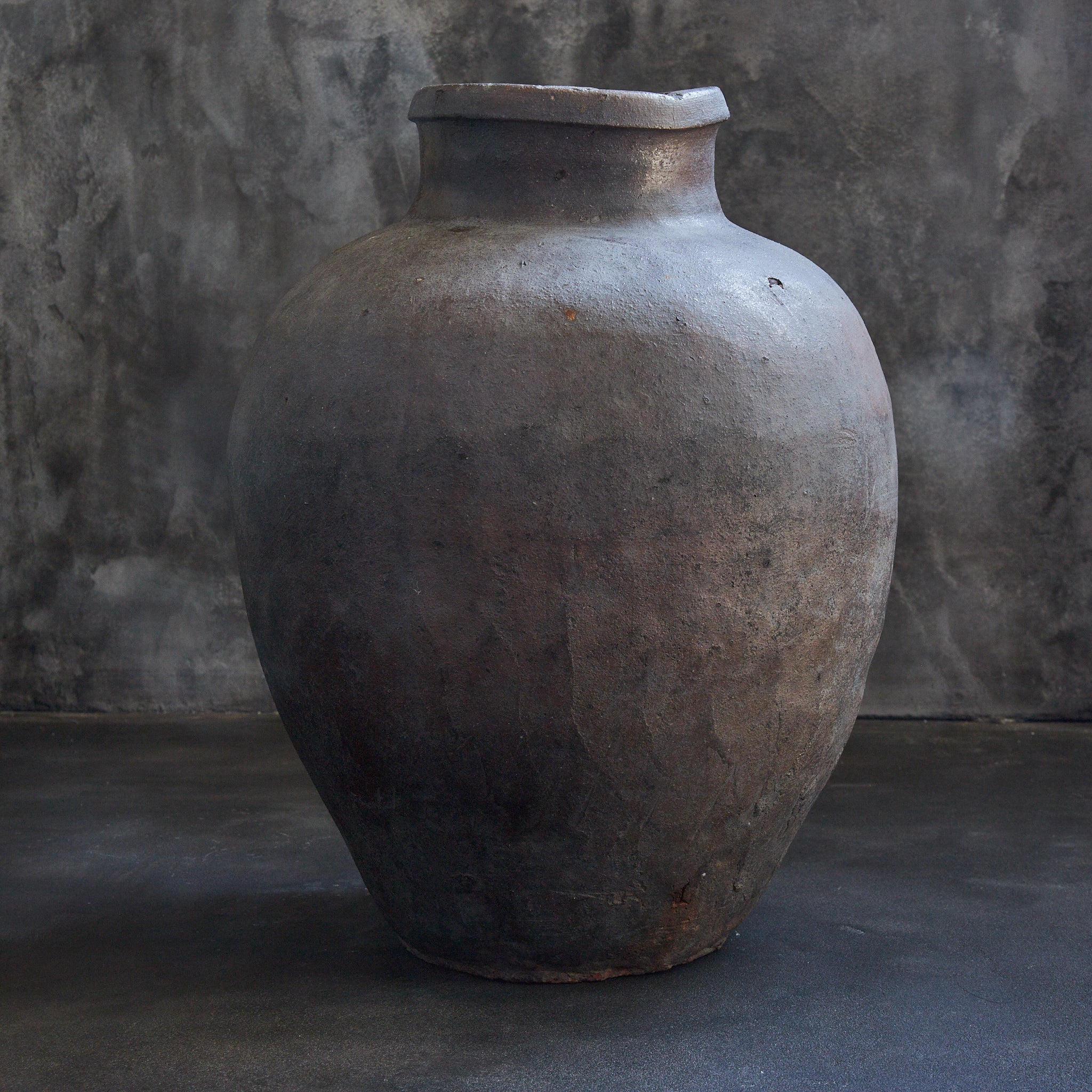
> Inquire about this productA Ko-Tokoname jar dating to the Muromachi period.
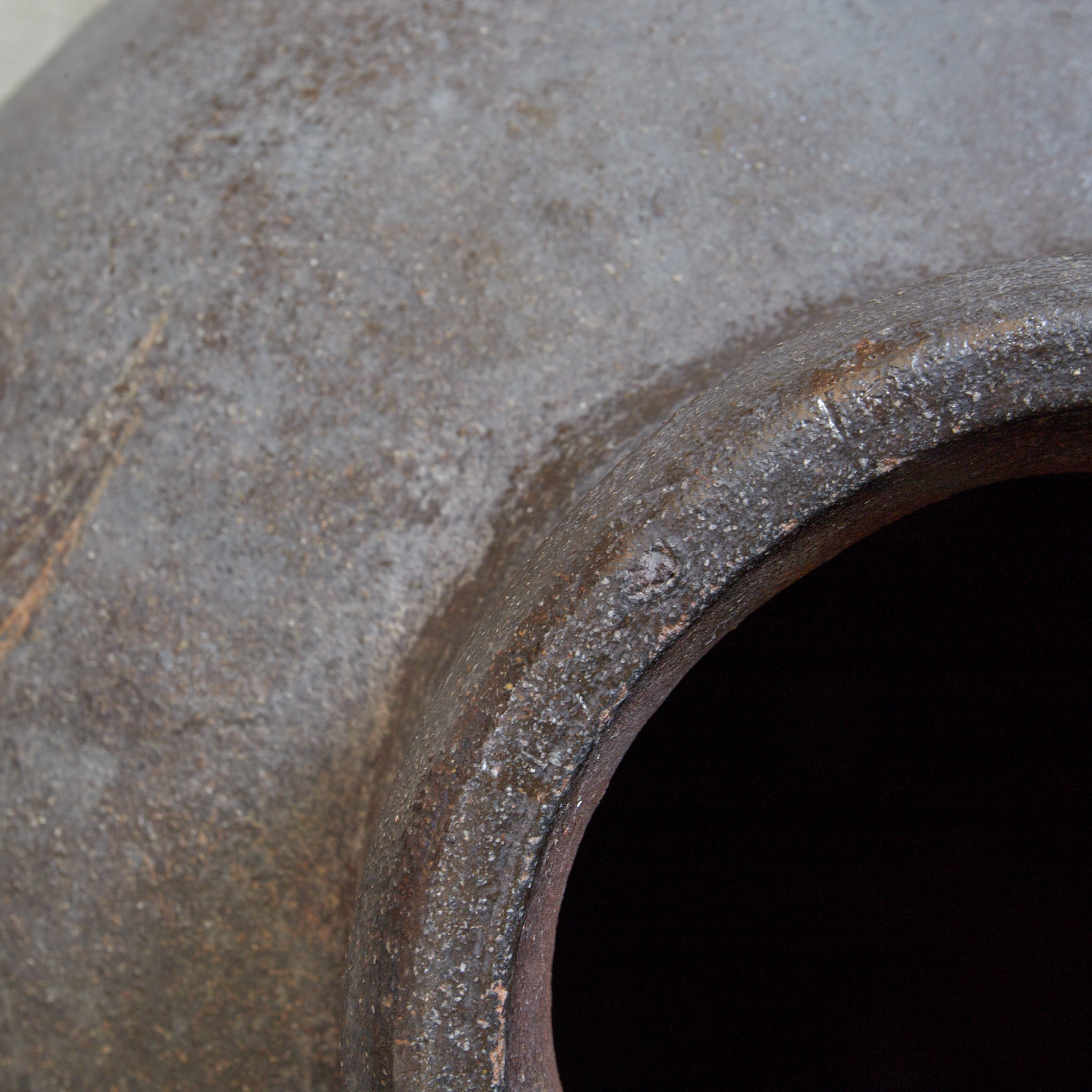
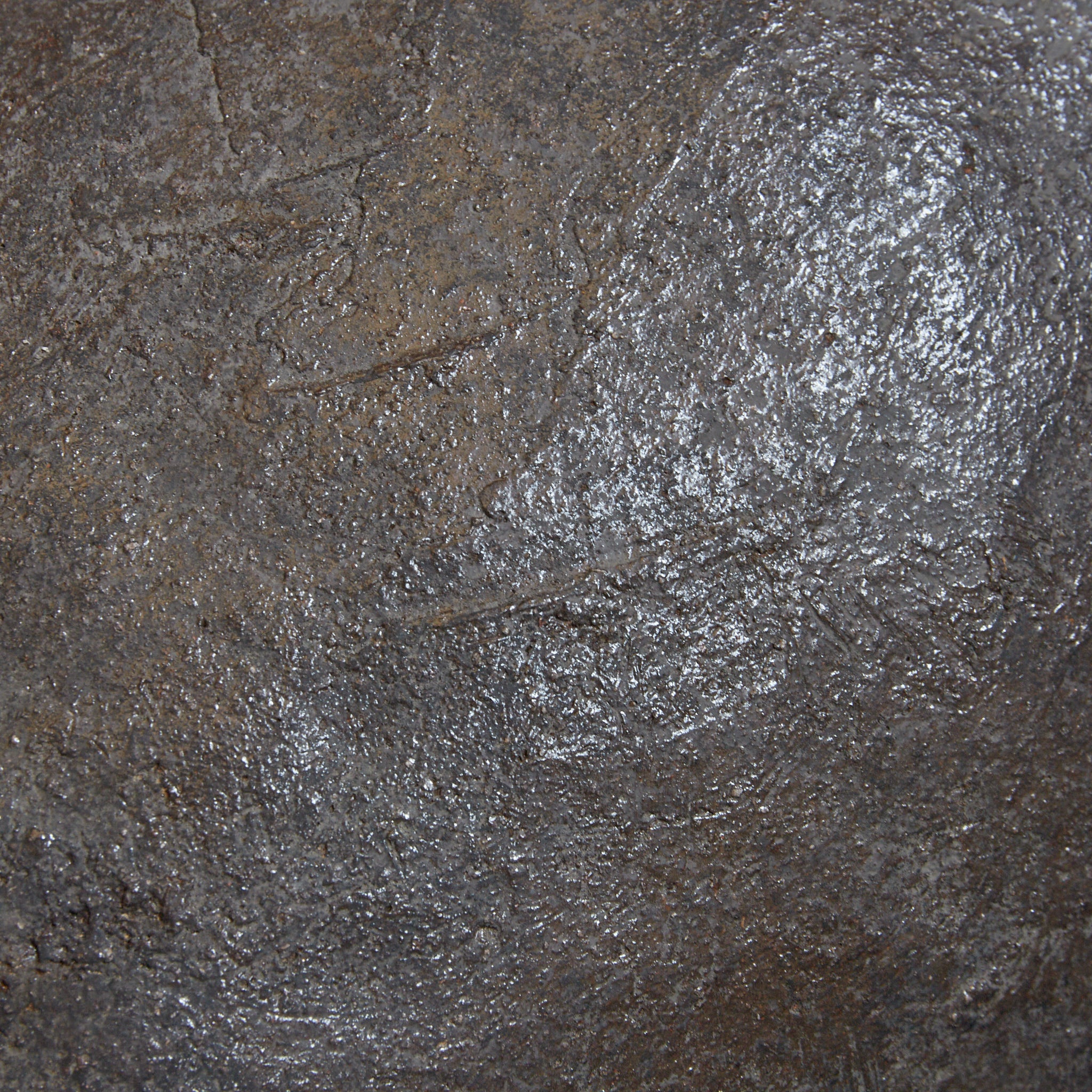
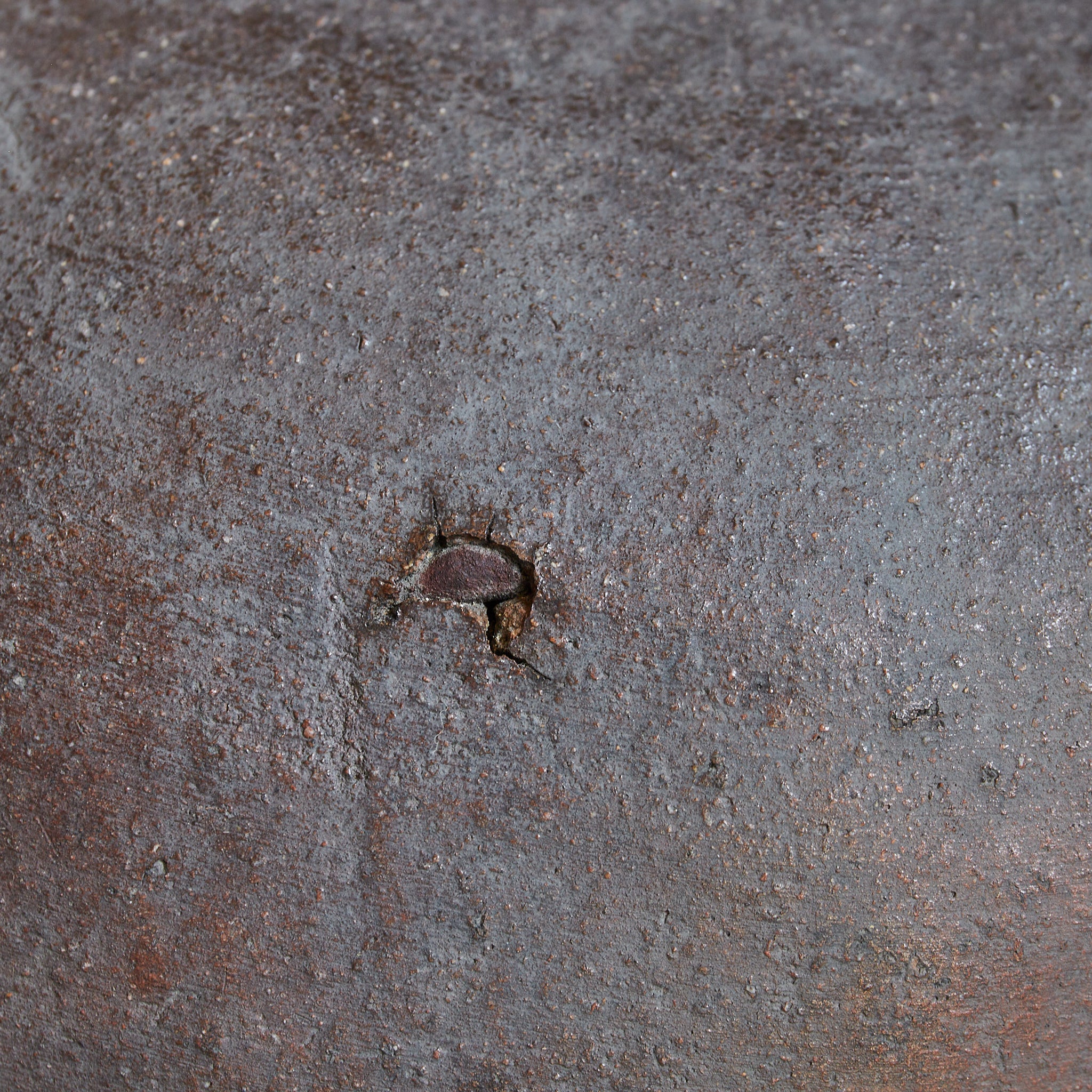
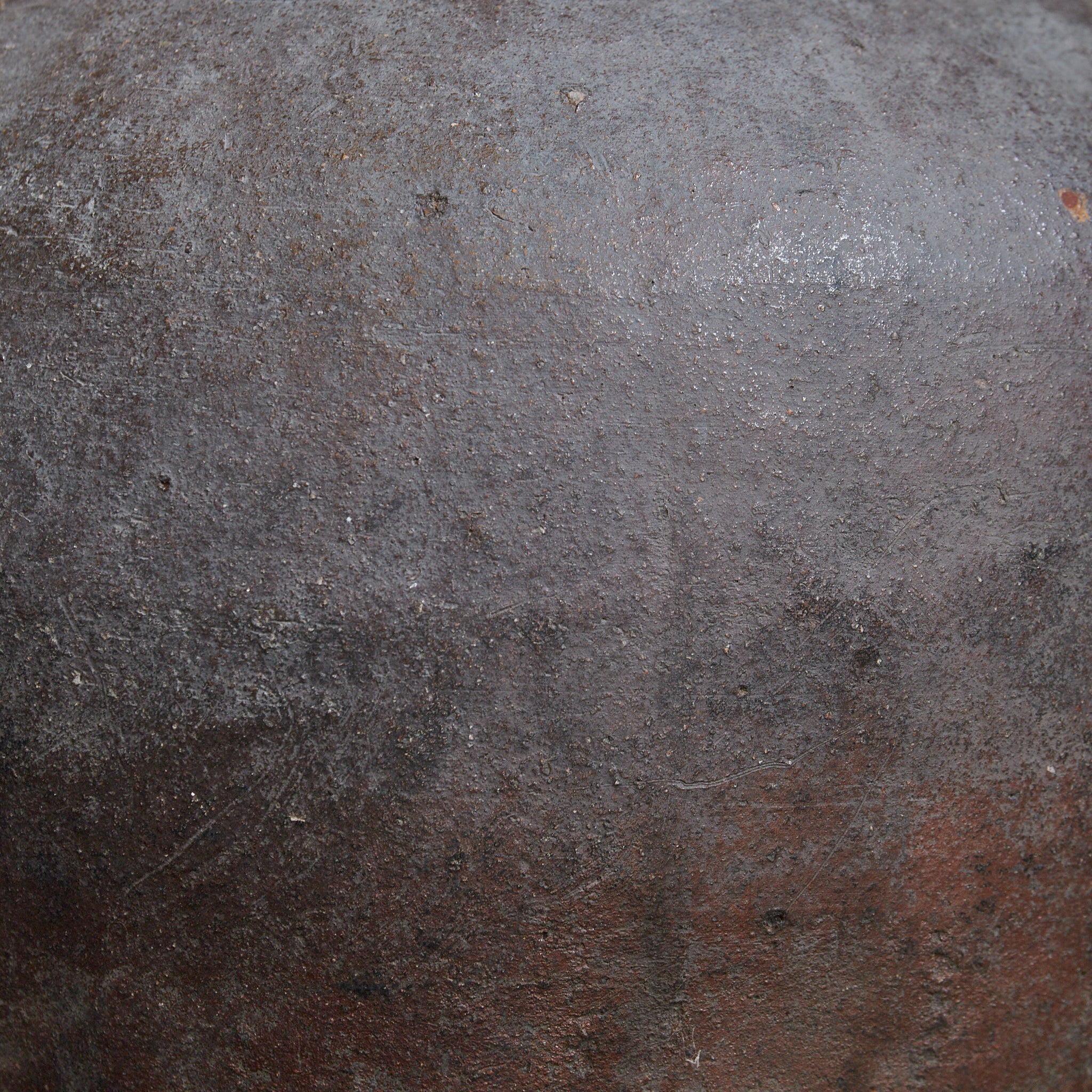
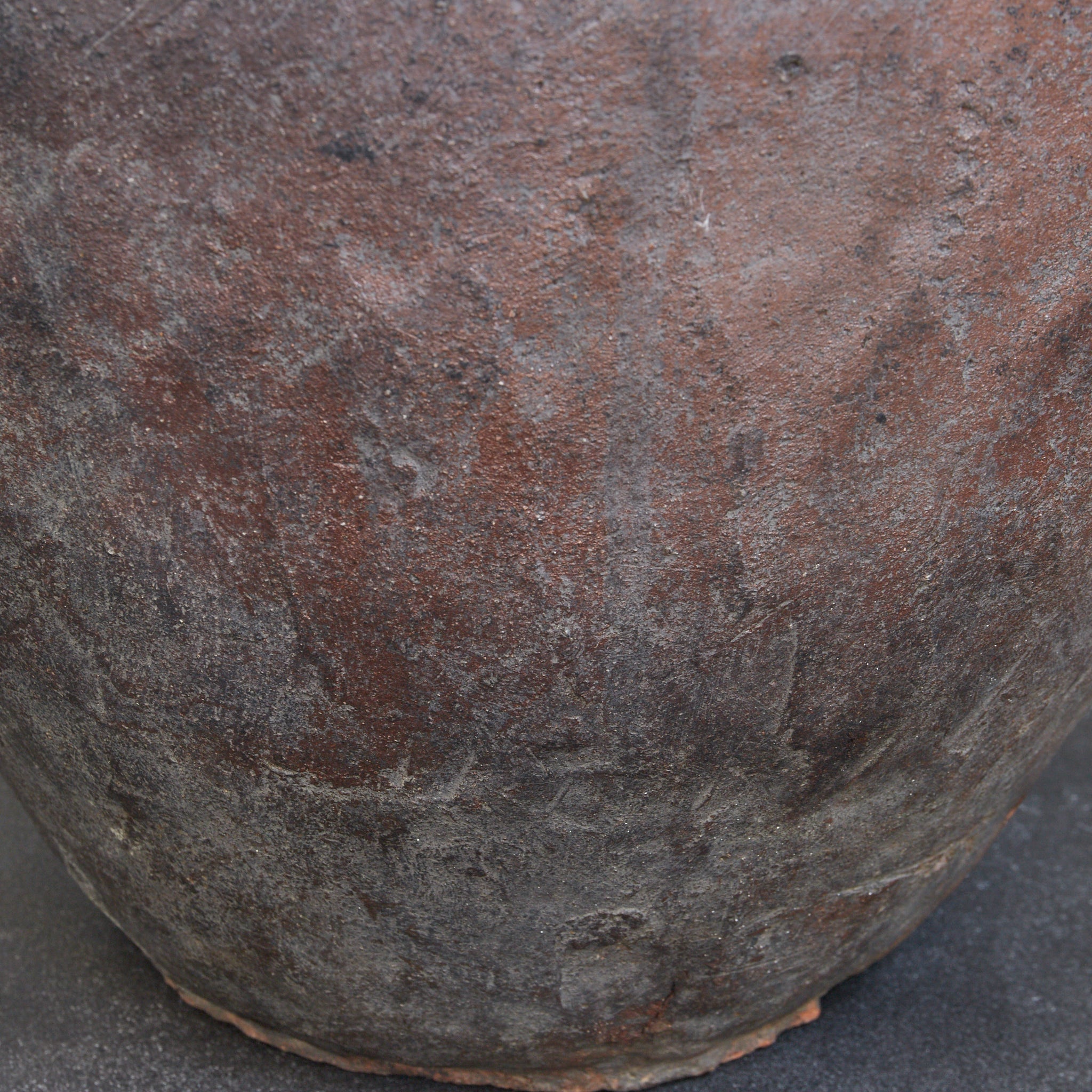
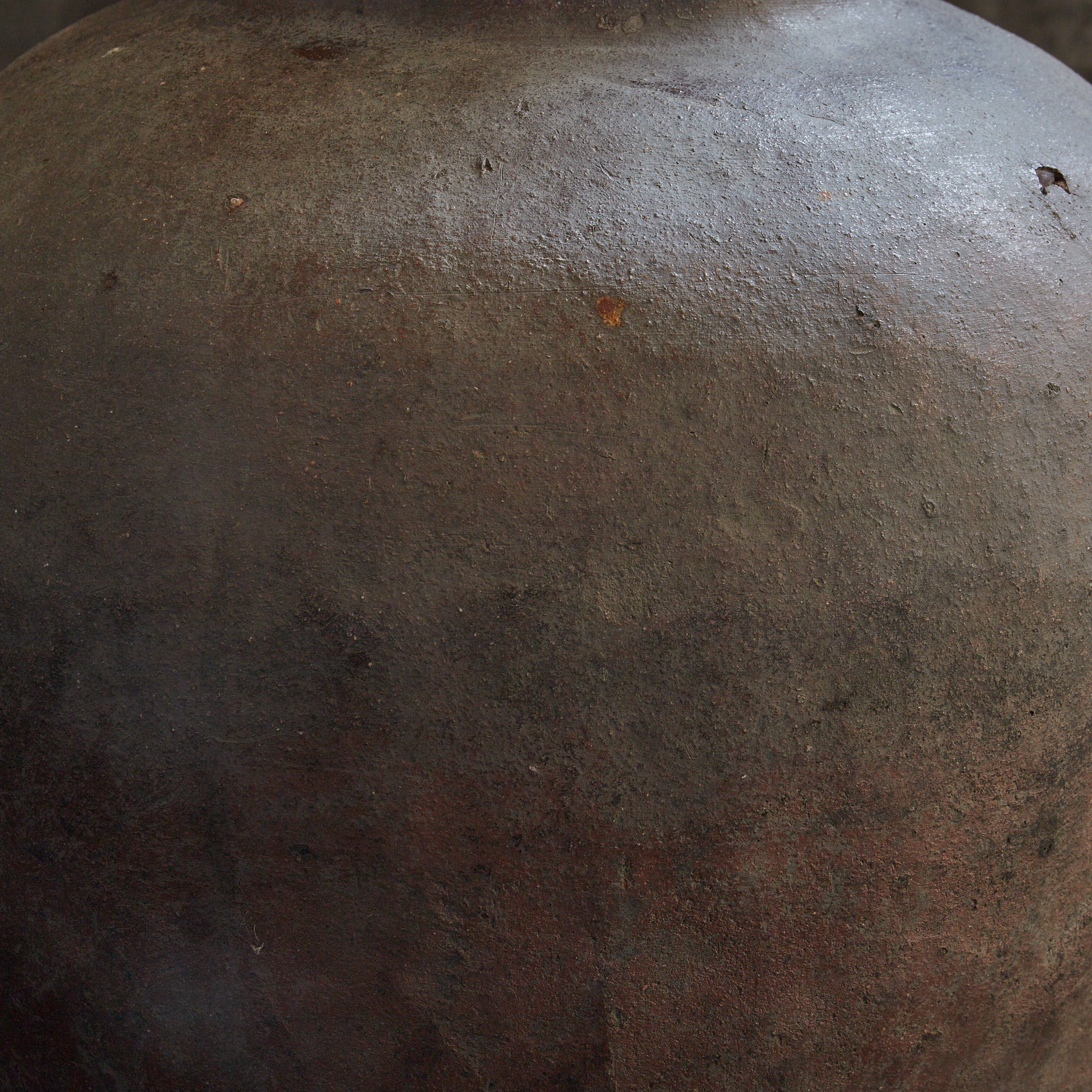
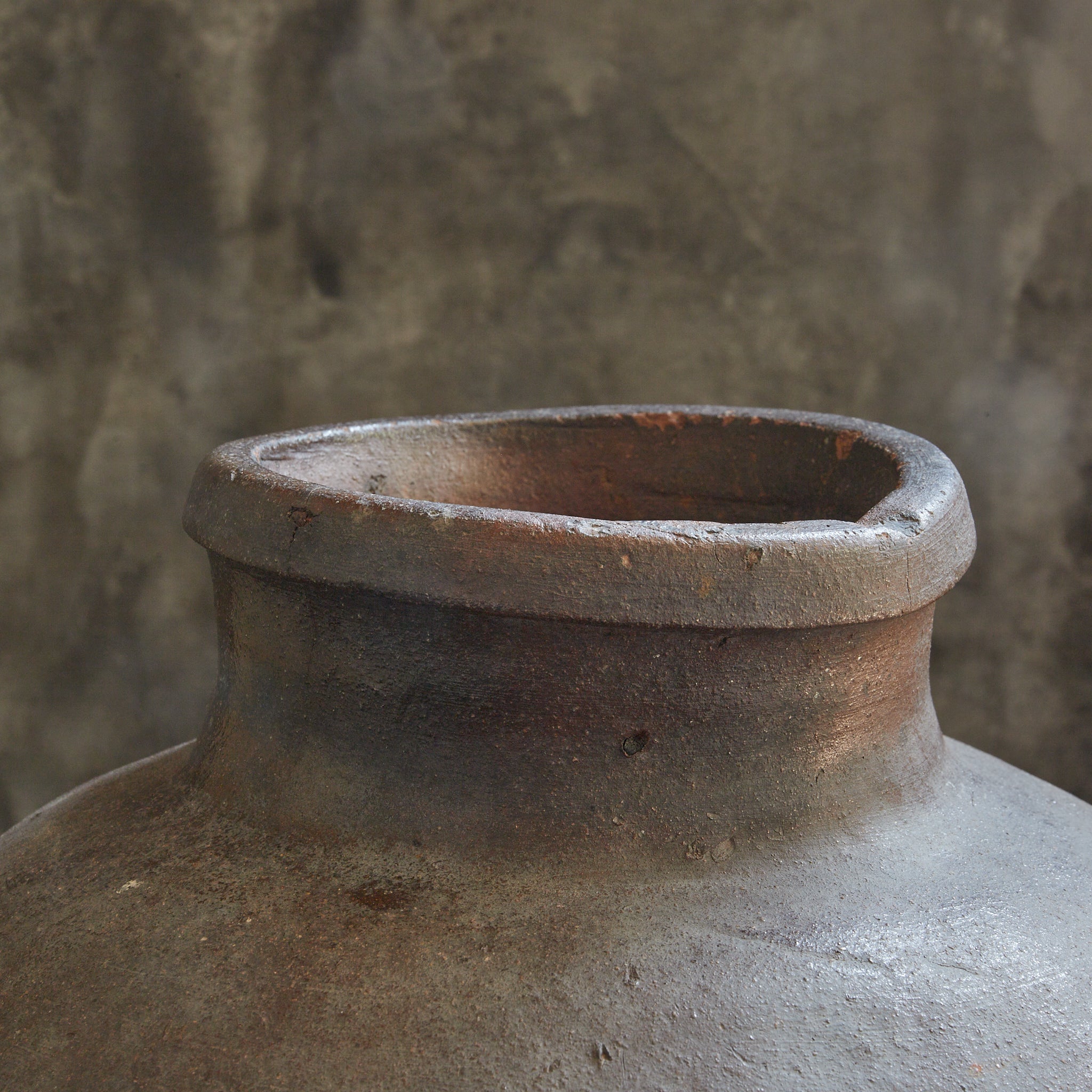
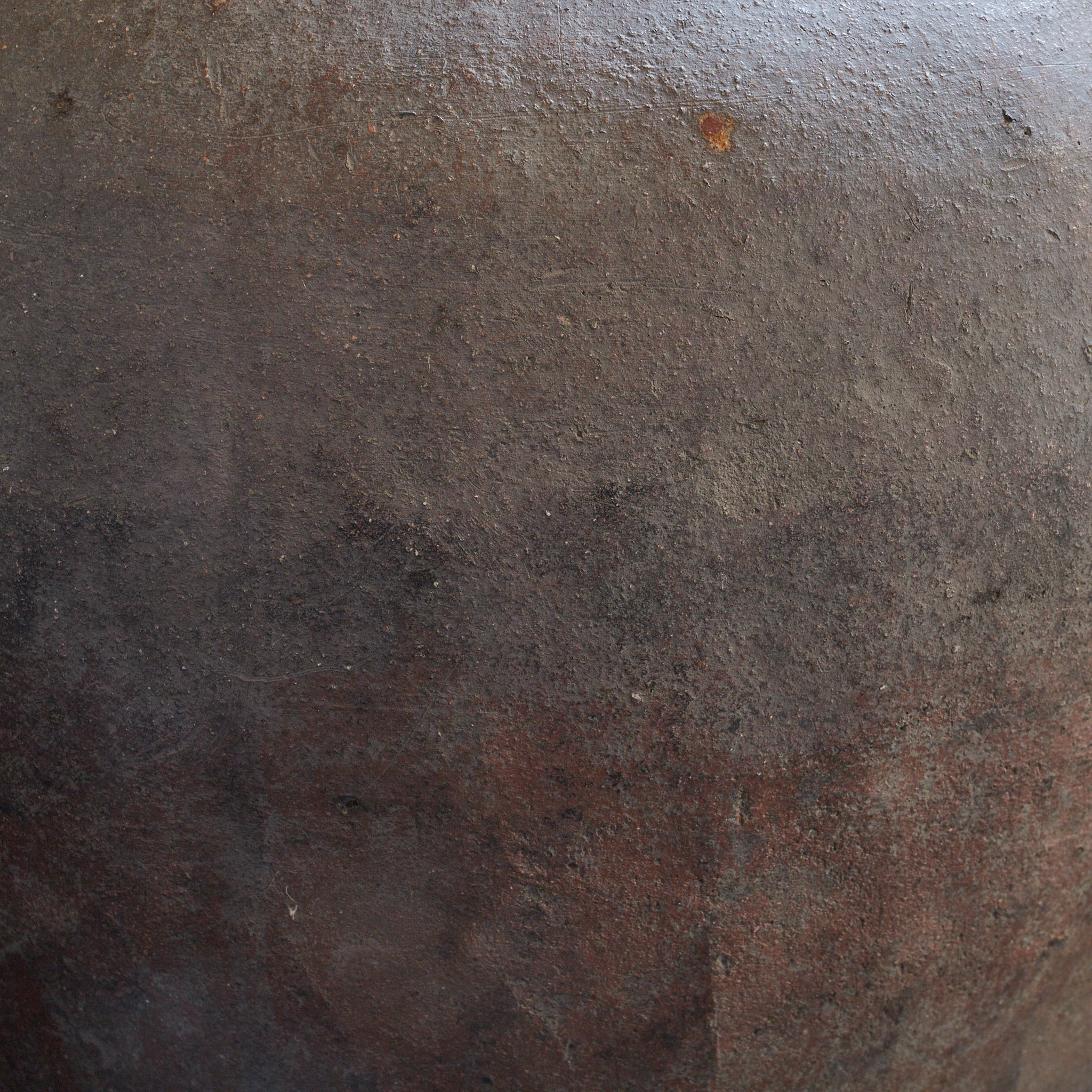
A robust form characteristic of Ko-Tokoname, with a full, well-shouldered body and a short, upright mouth. A natural glaze from the firing, ranging from dark brown to gray, covers the surface, while the red clay body peeks through in places. There are no conspicuous drips, but the subdued expression typical of long-fired unglazed stoneware imparts a timeworn reserve that quietly envelops the whole jar.
Tokoname is counted among the six medieval kilns and produced many large high-fired unglazed ceramics—jars, pots, and vessels associated with sutra tubes—used in daily life and religious practice. This piece is also thought to have been made as a storage vessel; its full, rounded body and stable base convey the plain, substantial presence characteristic of medieval pottery.
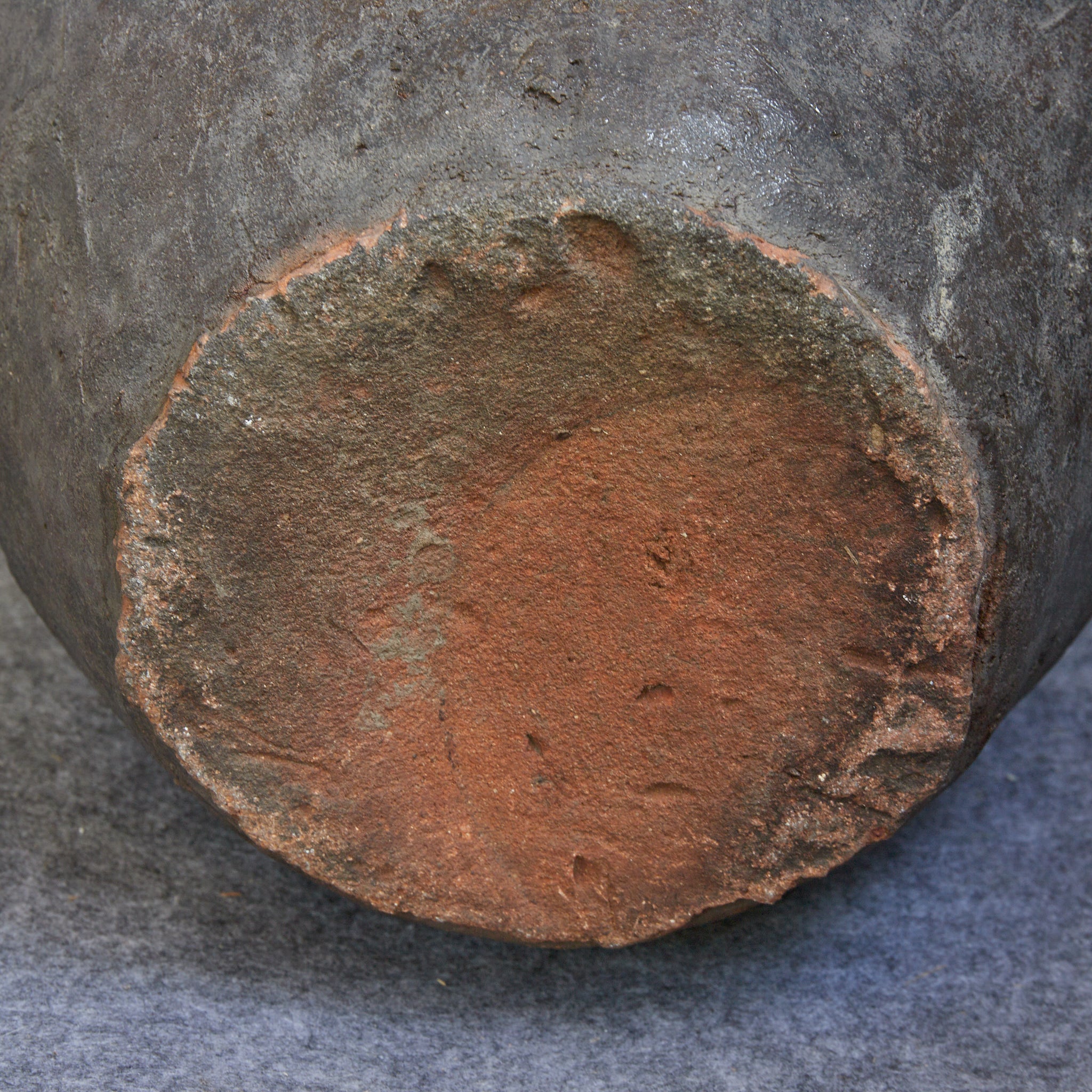
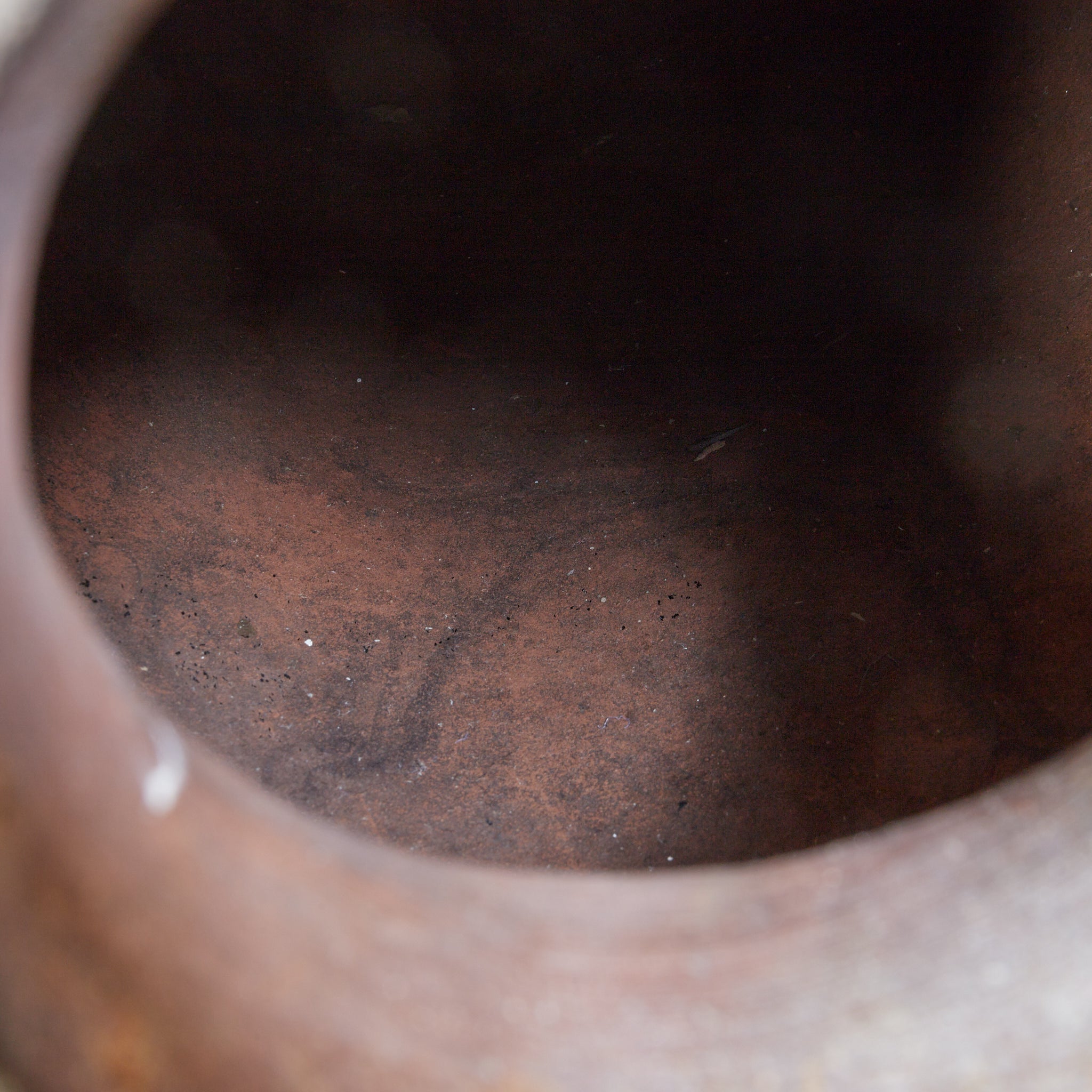
Around the rim, on the body, and at the base there are age-related wear, kiln marks, small impacts, and areas of exposed clay. The base retains the coarseness of the clay from firing, giving it the rugged character typical of medieval ceramics. When fitted with an inner liner for flowers, it readily accepts wildflowers and branches with quiet simplicity.
This Ko-Tokoname jar, of a manageable size—neither too large nor too small—can be readily incorporated into a tokonoma alcove, placed on a shelf, or used in interior arrangements.
Choose options
Tax excluded. Import duties may apply. Shipping costs are calculated at checkout.
Change language
