Passer au contenu

Panier

Votre panier est vide

Vase à fleurs | Fleurs & ustensiles

Explorez les vases à fleurs utilisés dans la composition florale, comprenant céramique, bambou, bois et métal.

Trier par

323 produits

Collection

NEW
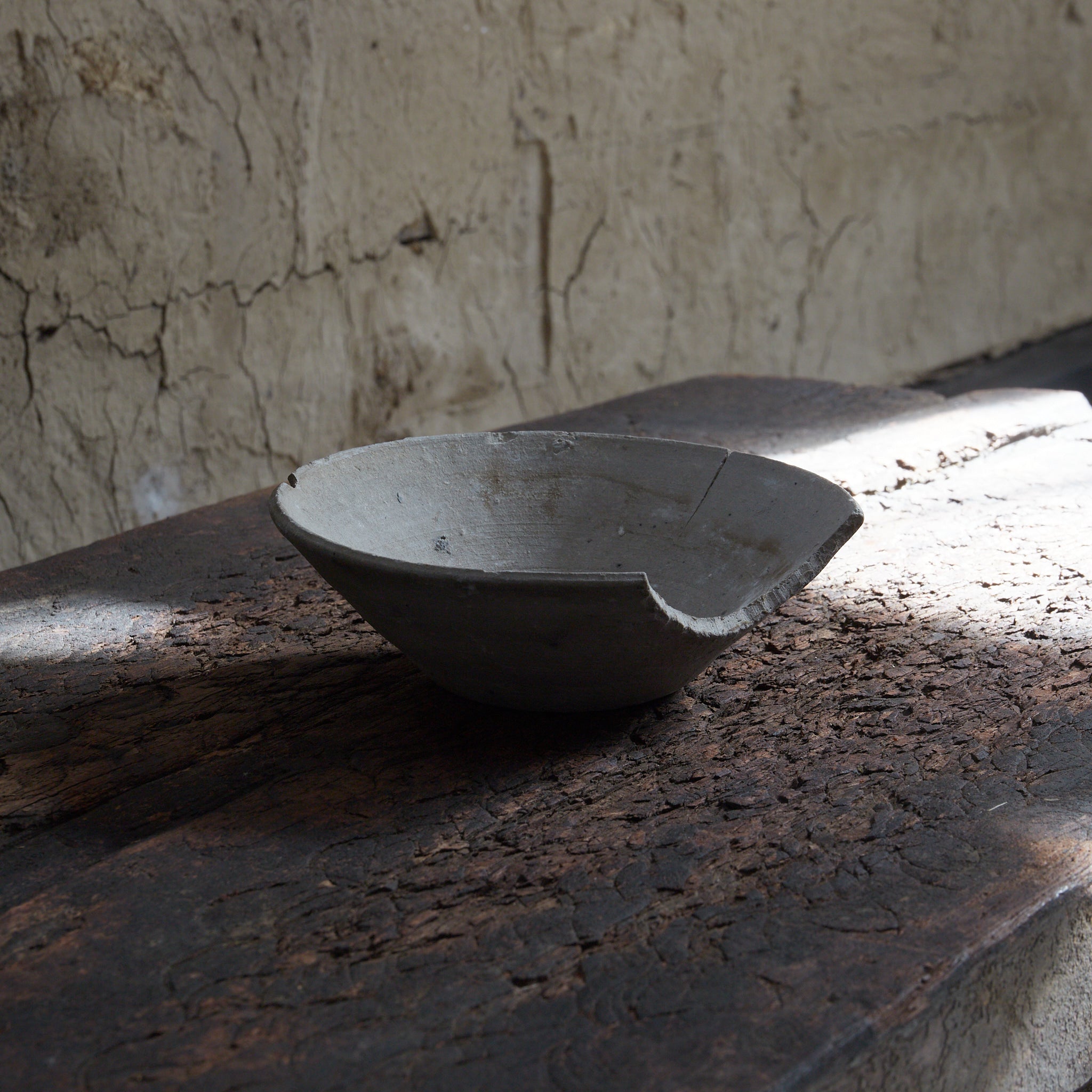
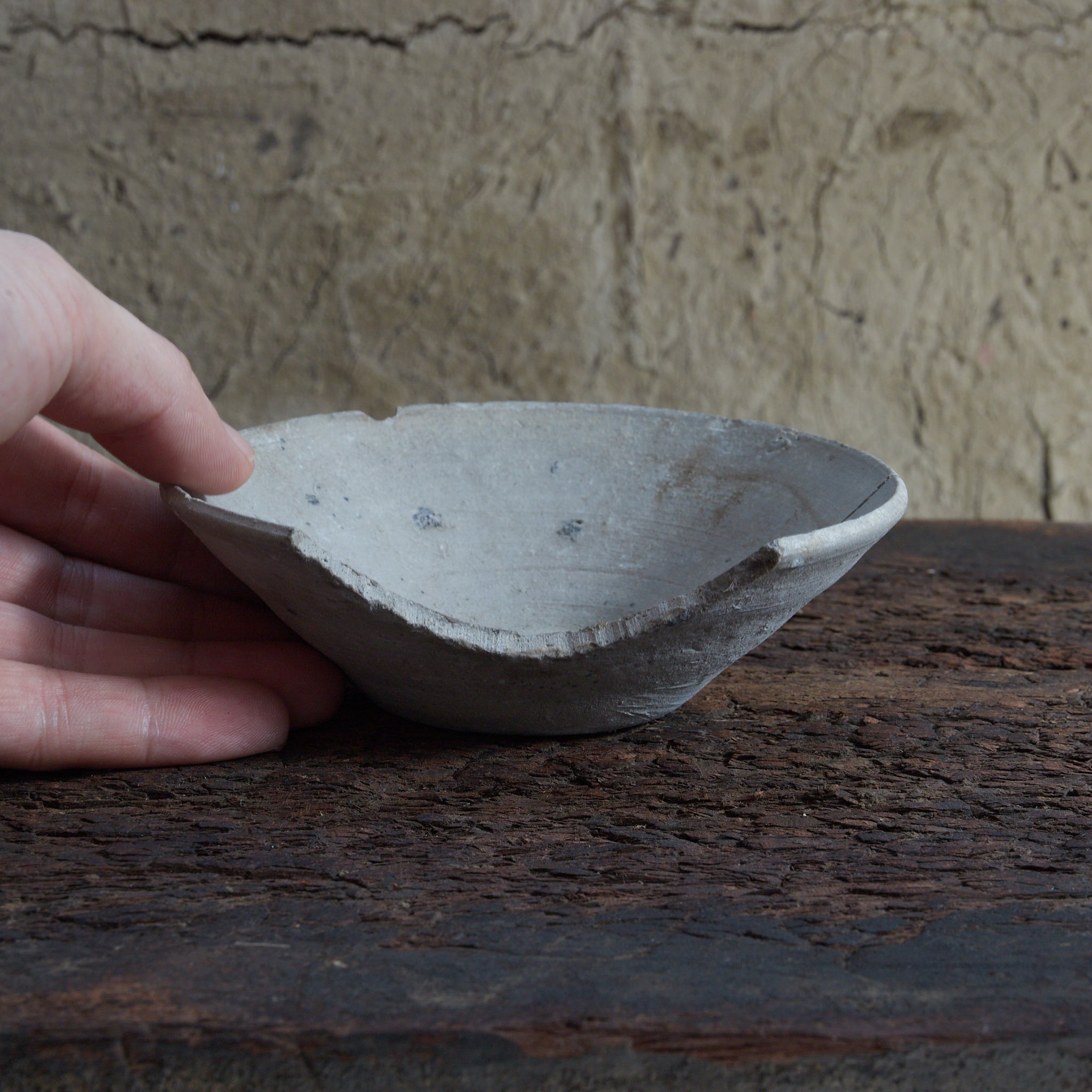
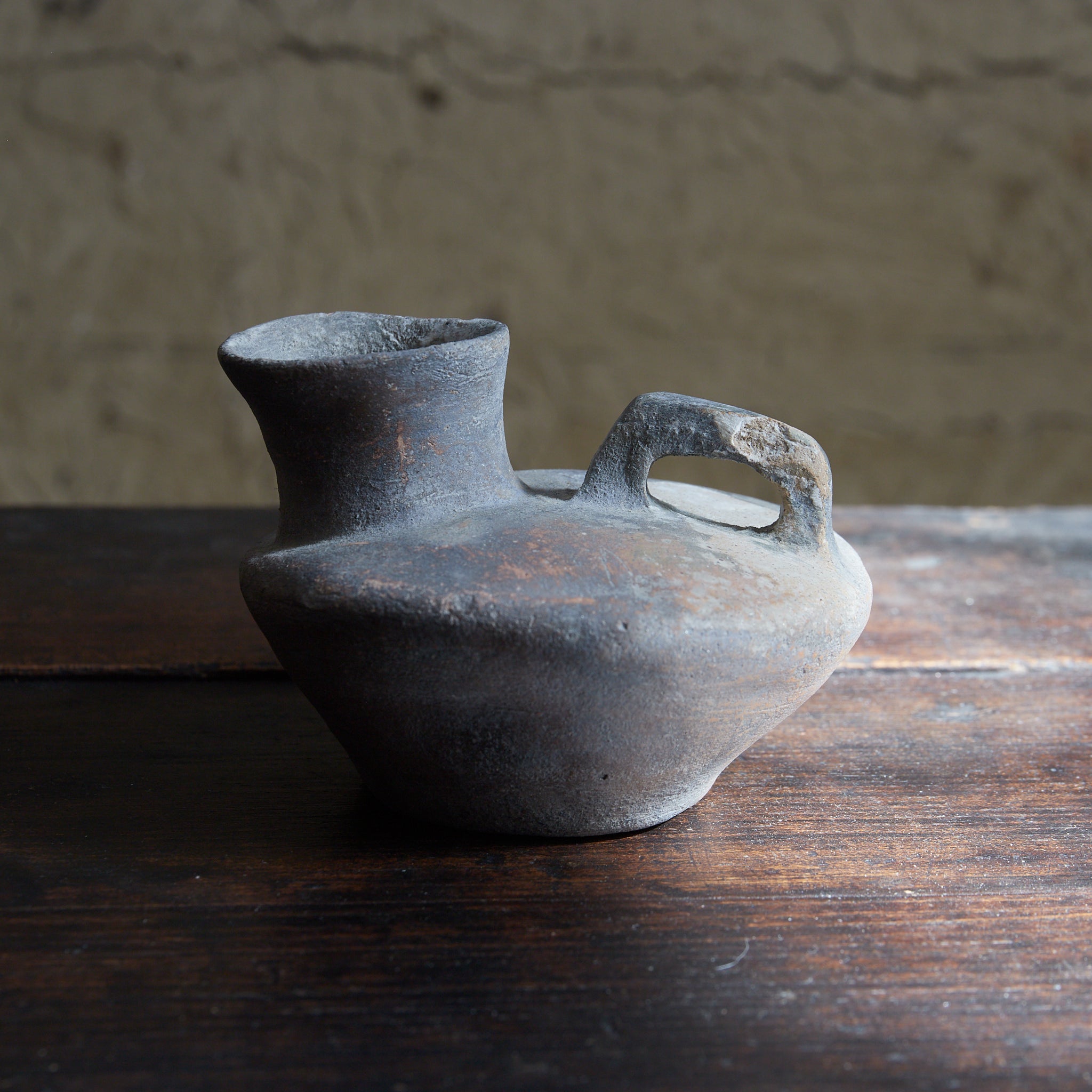
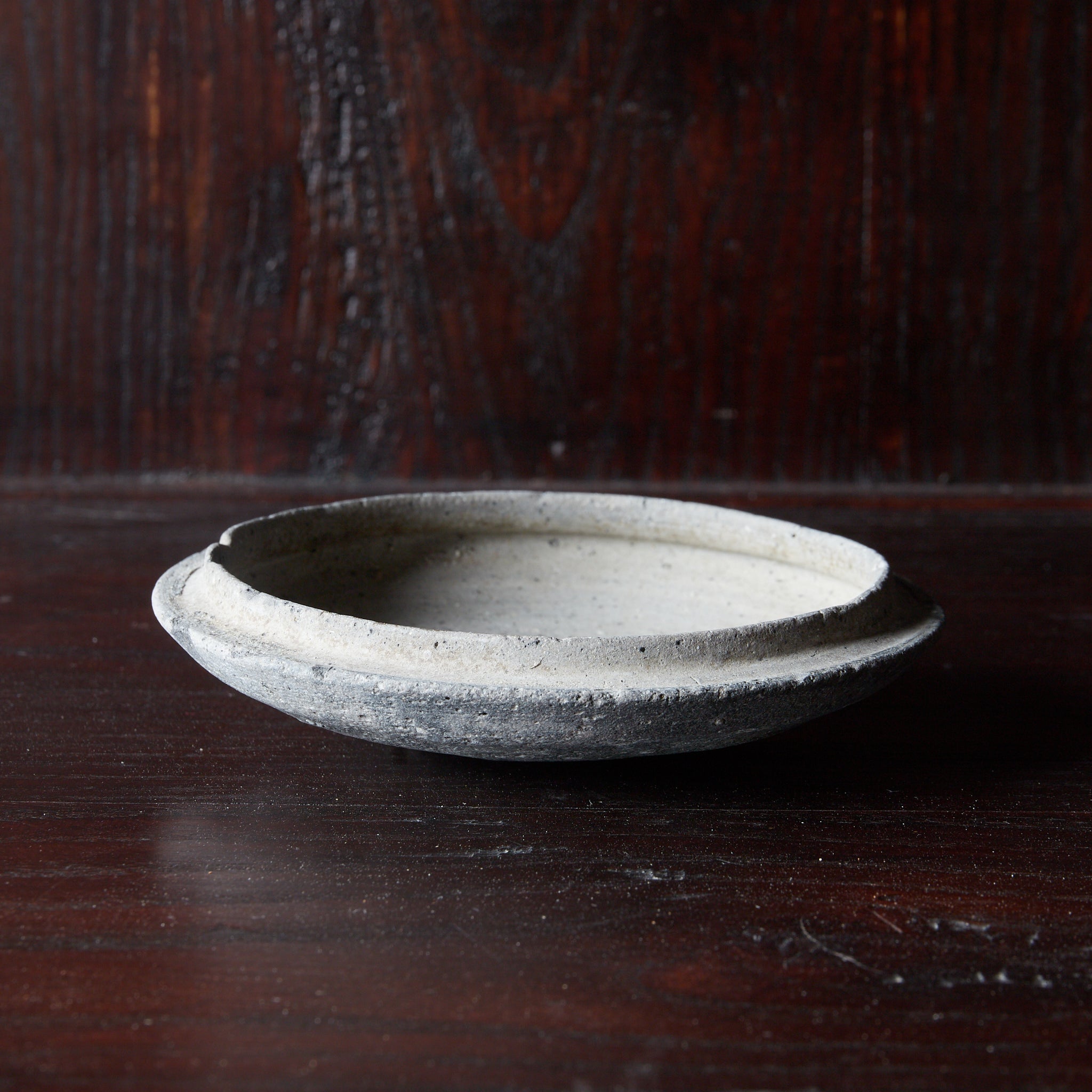
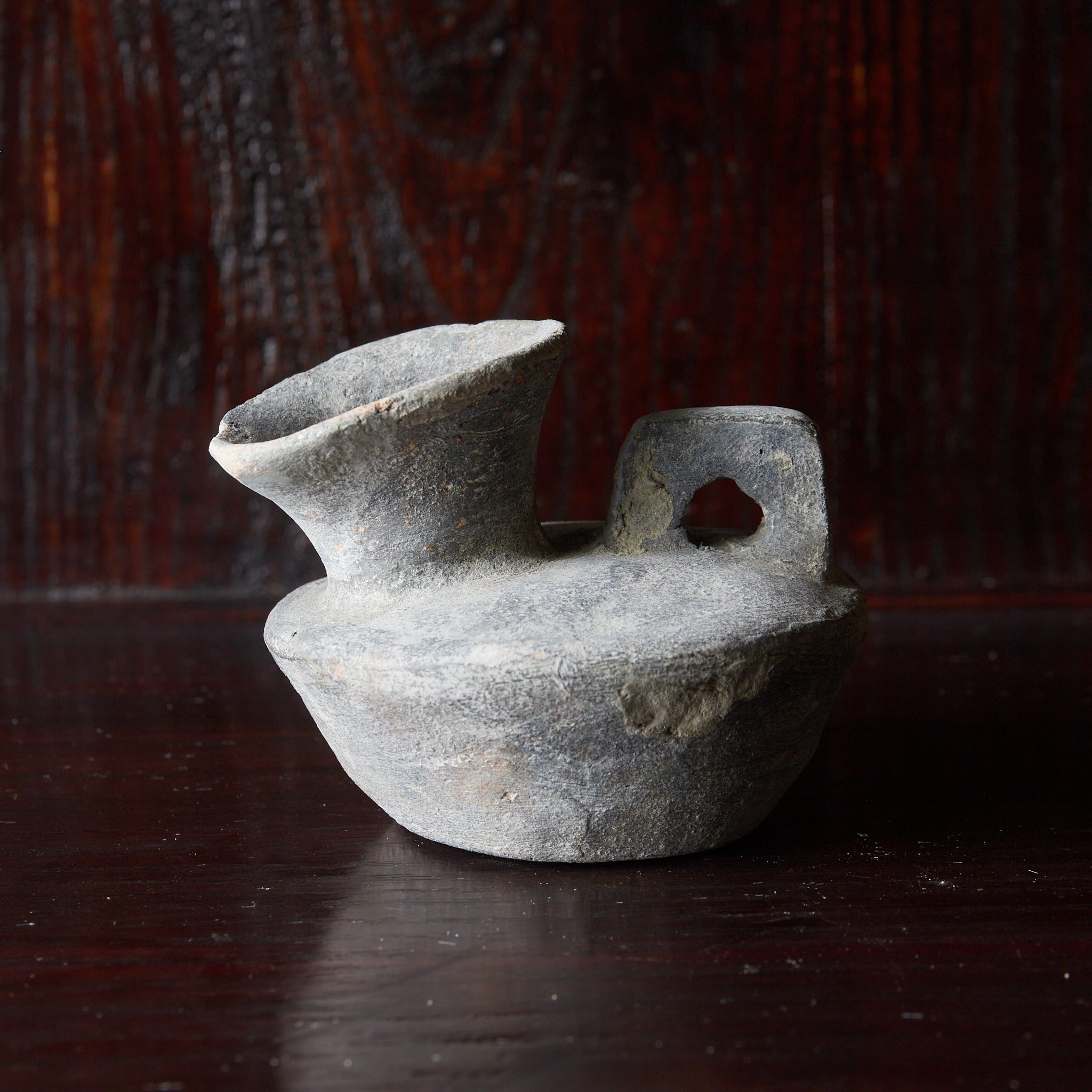
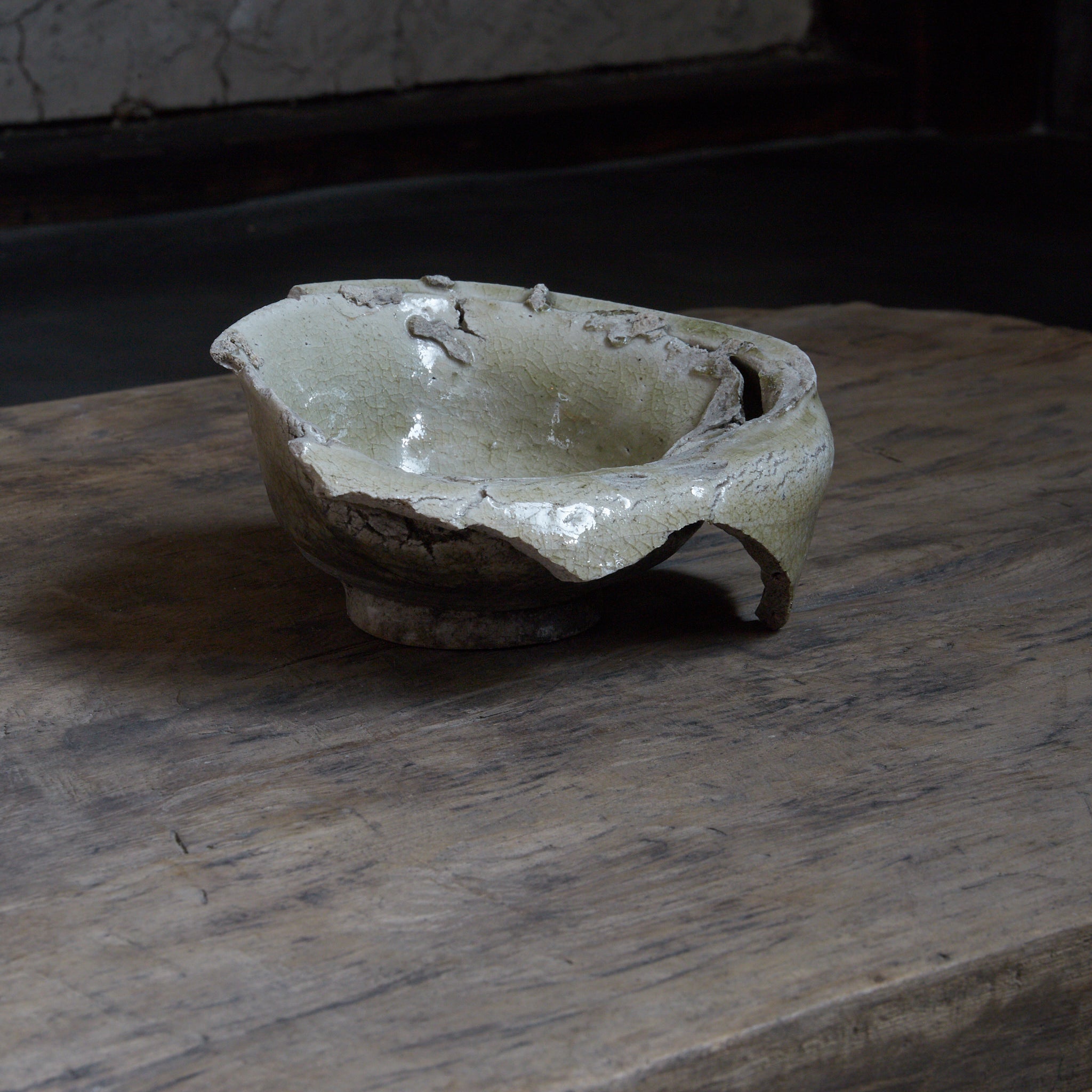
古墳時代 須恵器 碗型土器残欠(250–581CE)古墳時代 須恵器 碗型土器残欠(250–581CE)
NEW
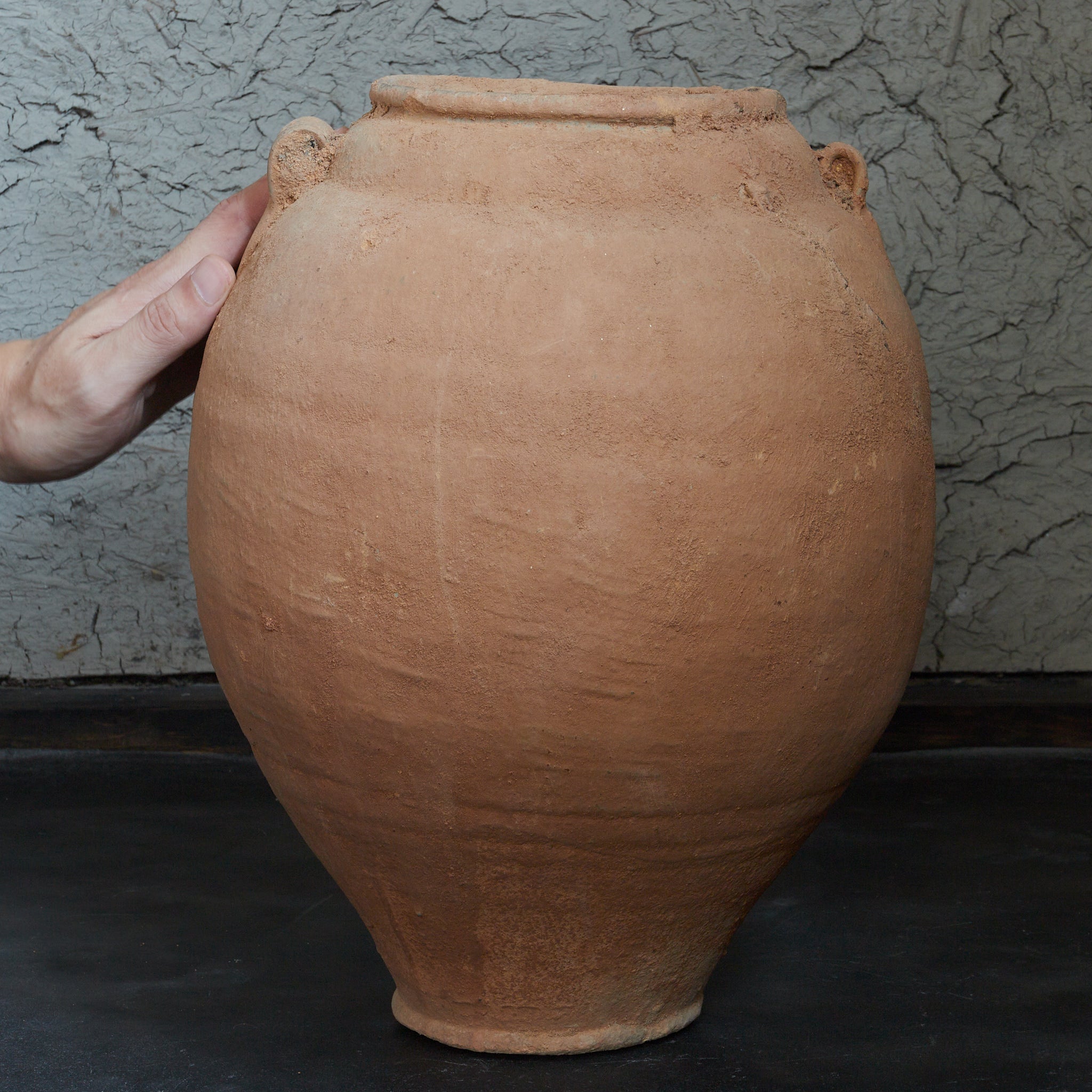
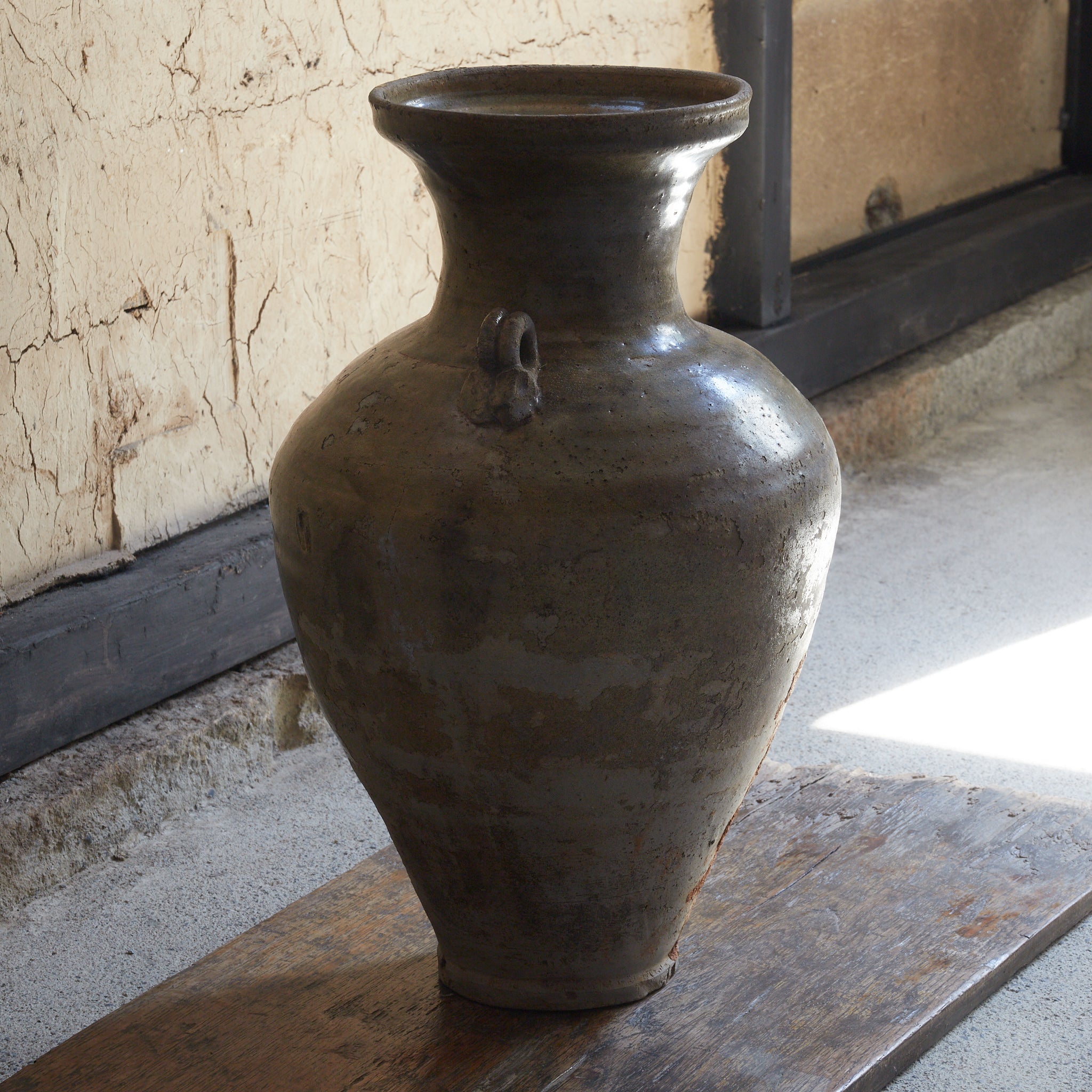
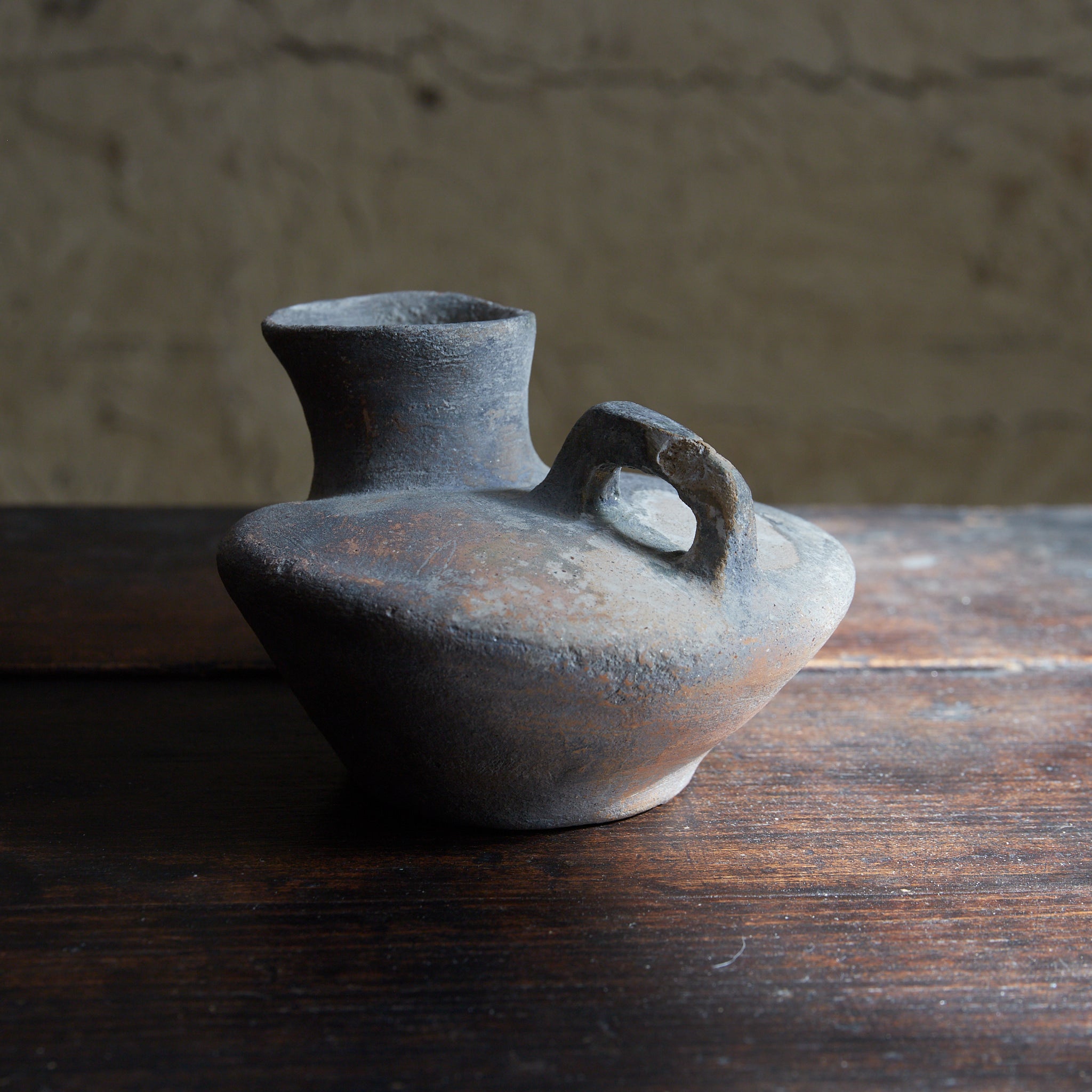
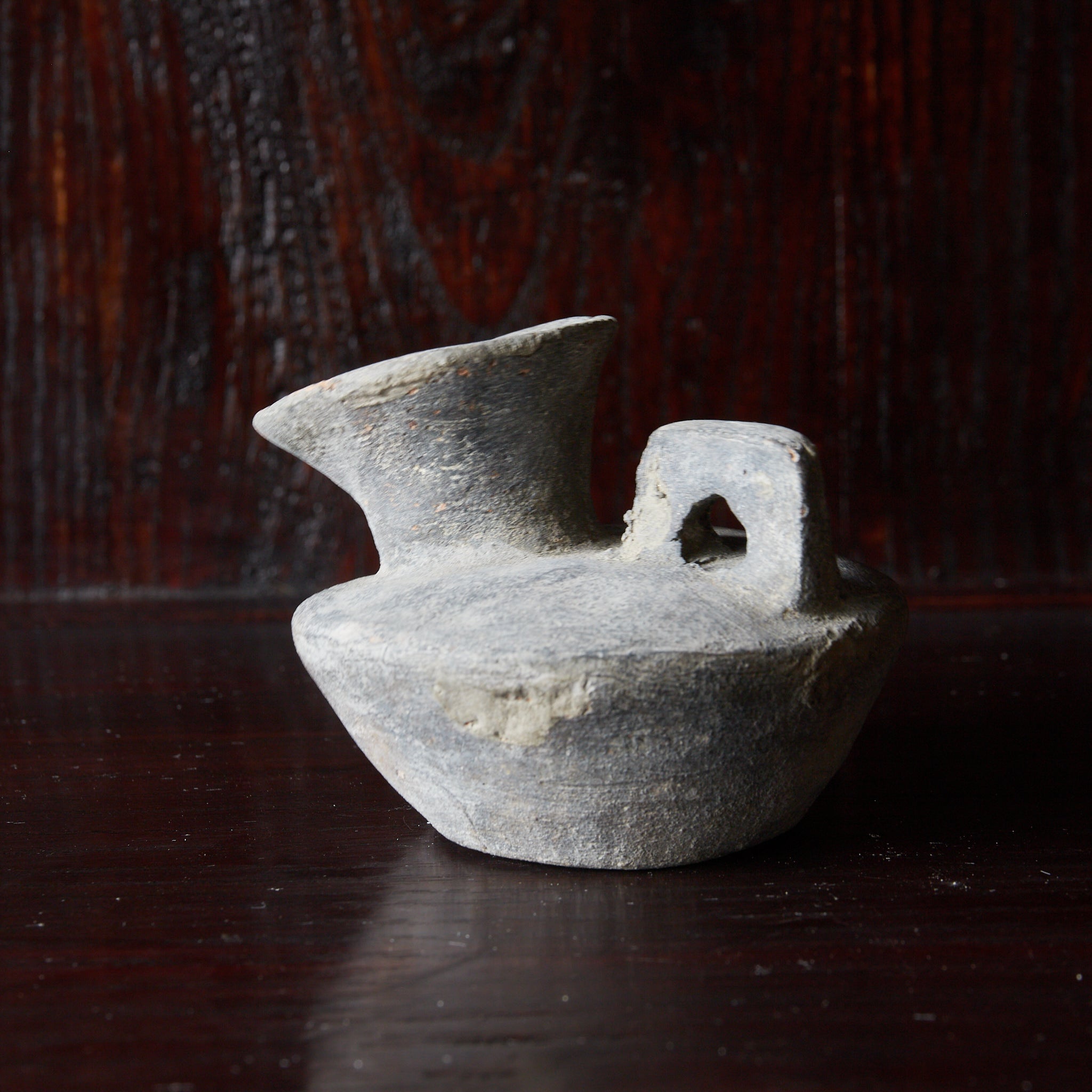
唐代–宋代 青釉瓜稜形双耳壺(618–1279CE)唐代–宋代 青釉瓜稜形双耳壺(618–1279CE)
NEW
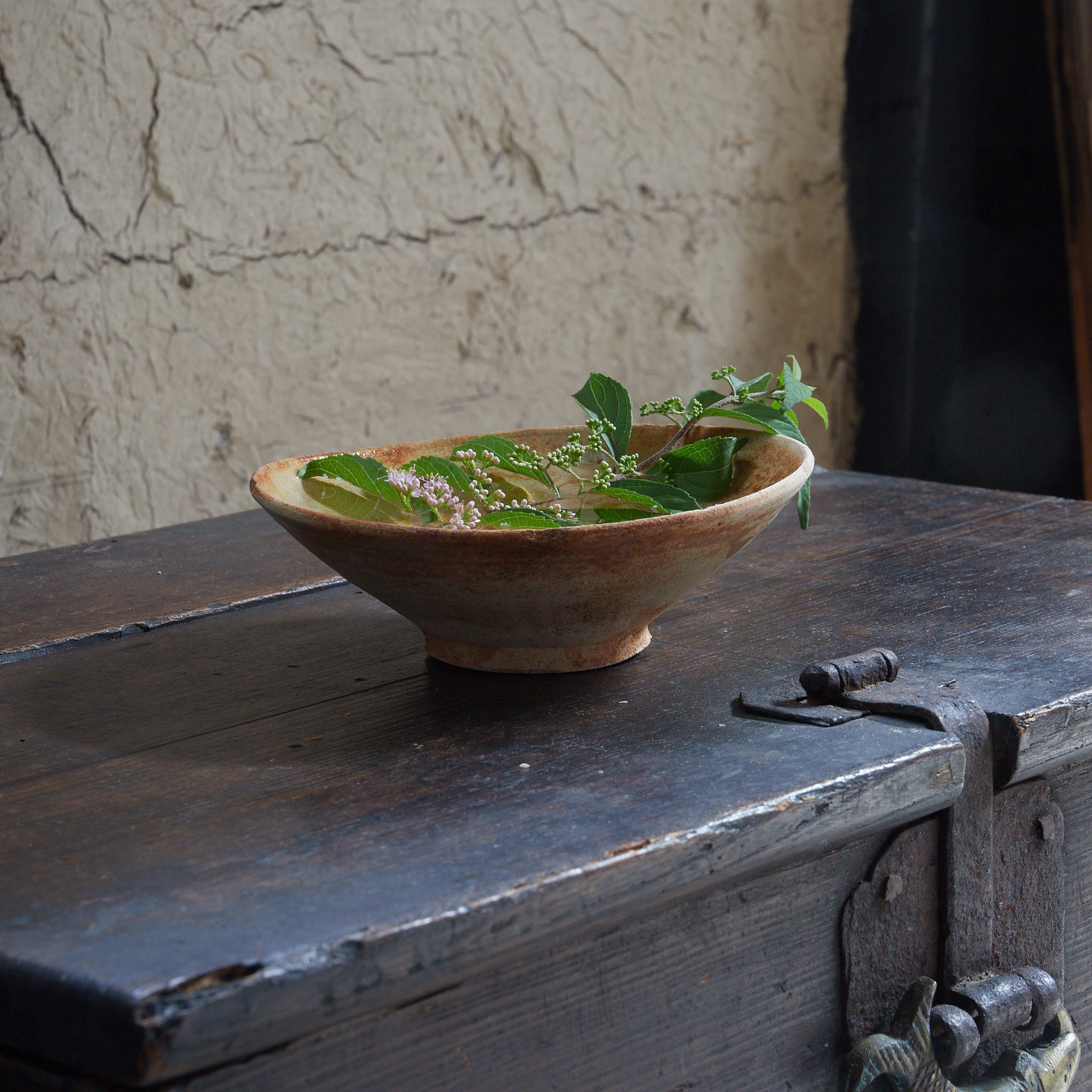
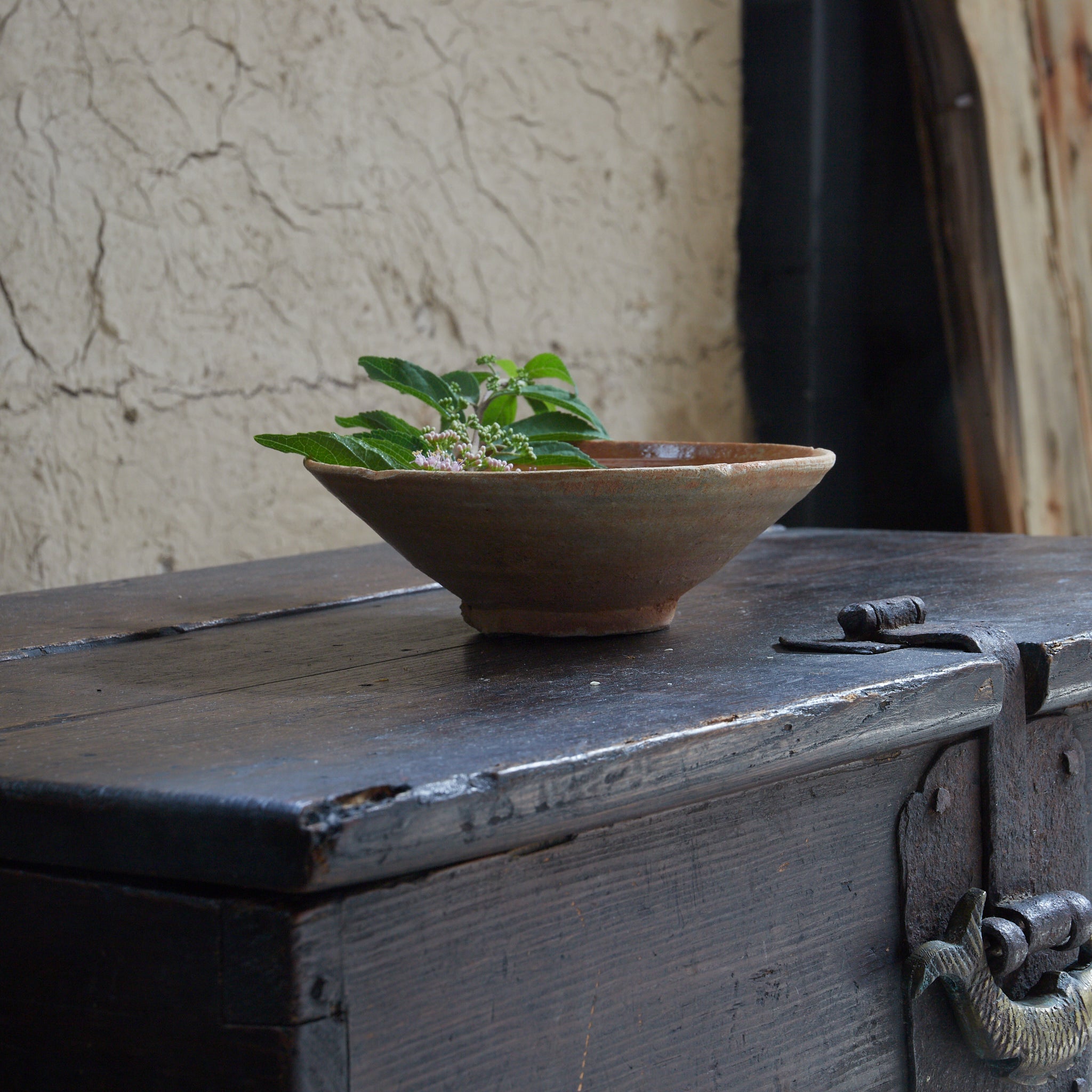
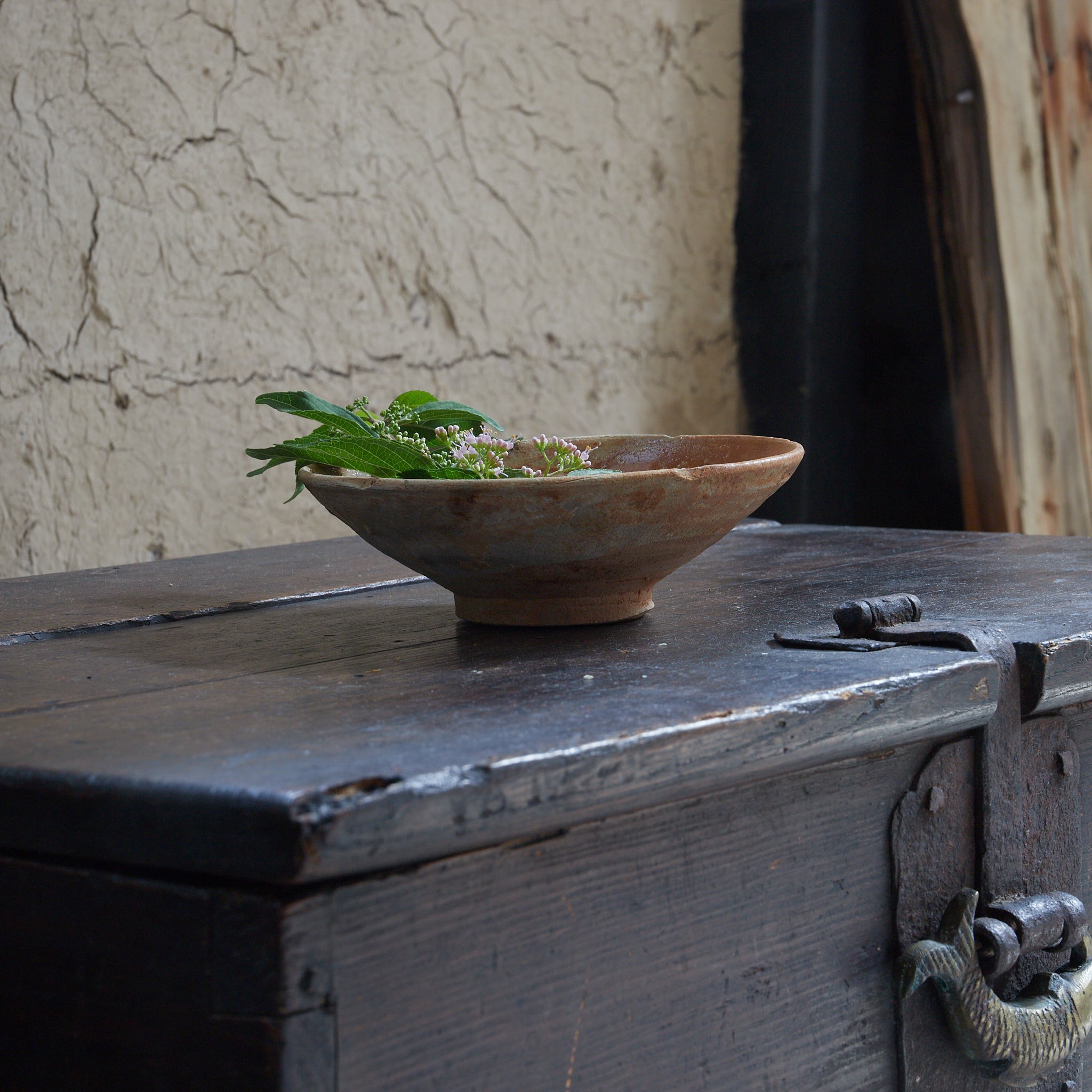
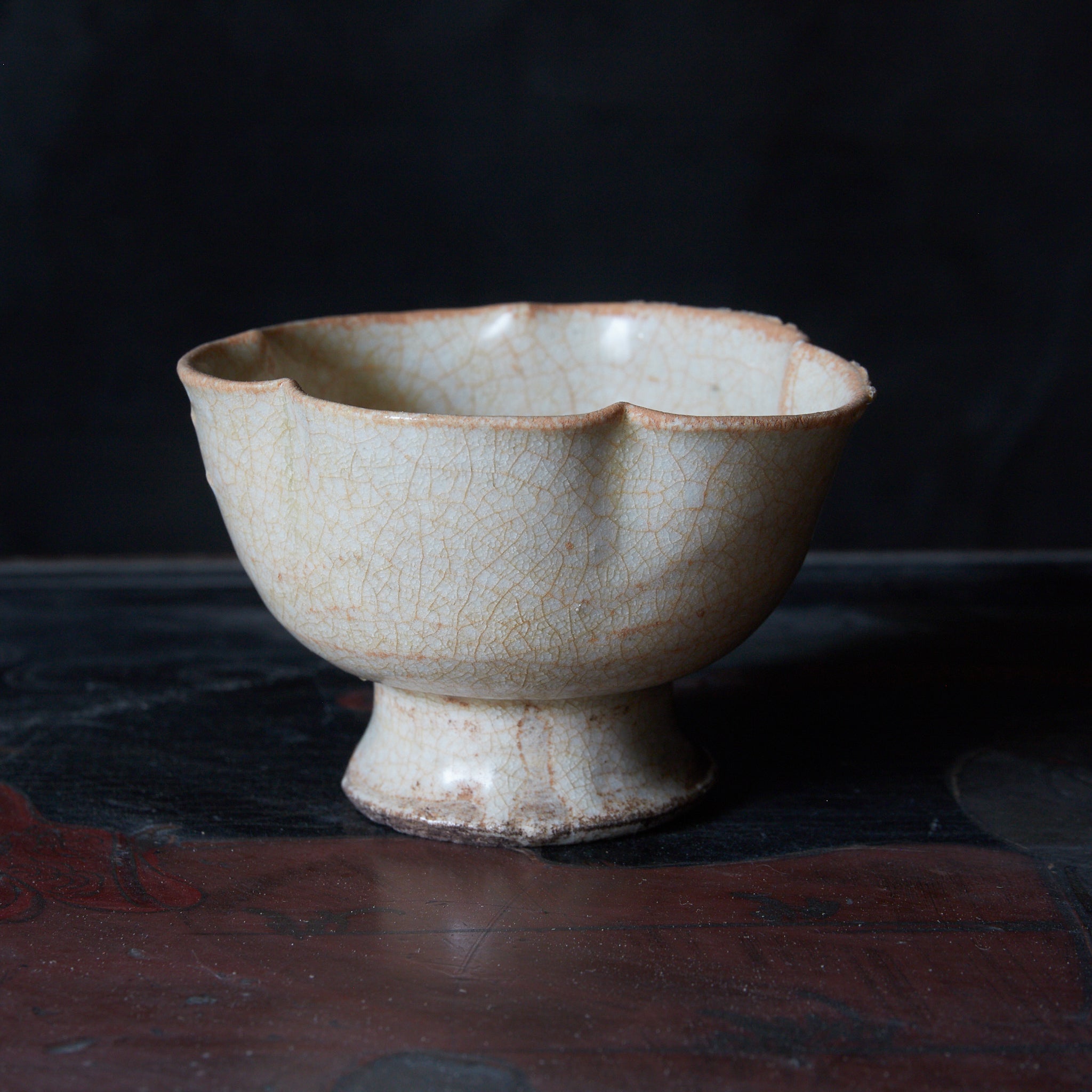
BOL EN FLEUR LOBÉE, Céladon qingbai, c, Dynastie Song (960–1279 apr. J.-C.) – Vase à fleurs
NEW
BOL EN FLEUR LOBÉE, Céladon qingbai, b, Dynastie Song (960–1279 apr. J.-C.) – Vase à fleurs
NEW
BOL EN FLEUR LOBÉE, Céladon qingbai, a, Dynastie Song (960–1279 apr. J.-C.) – Vase à fleurs
NEW
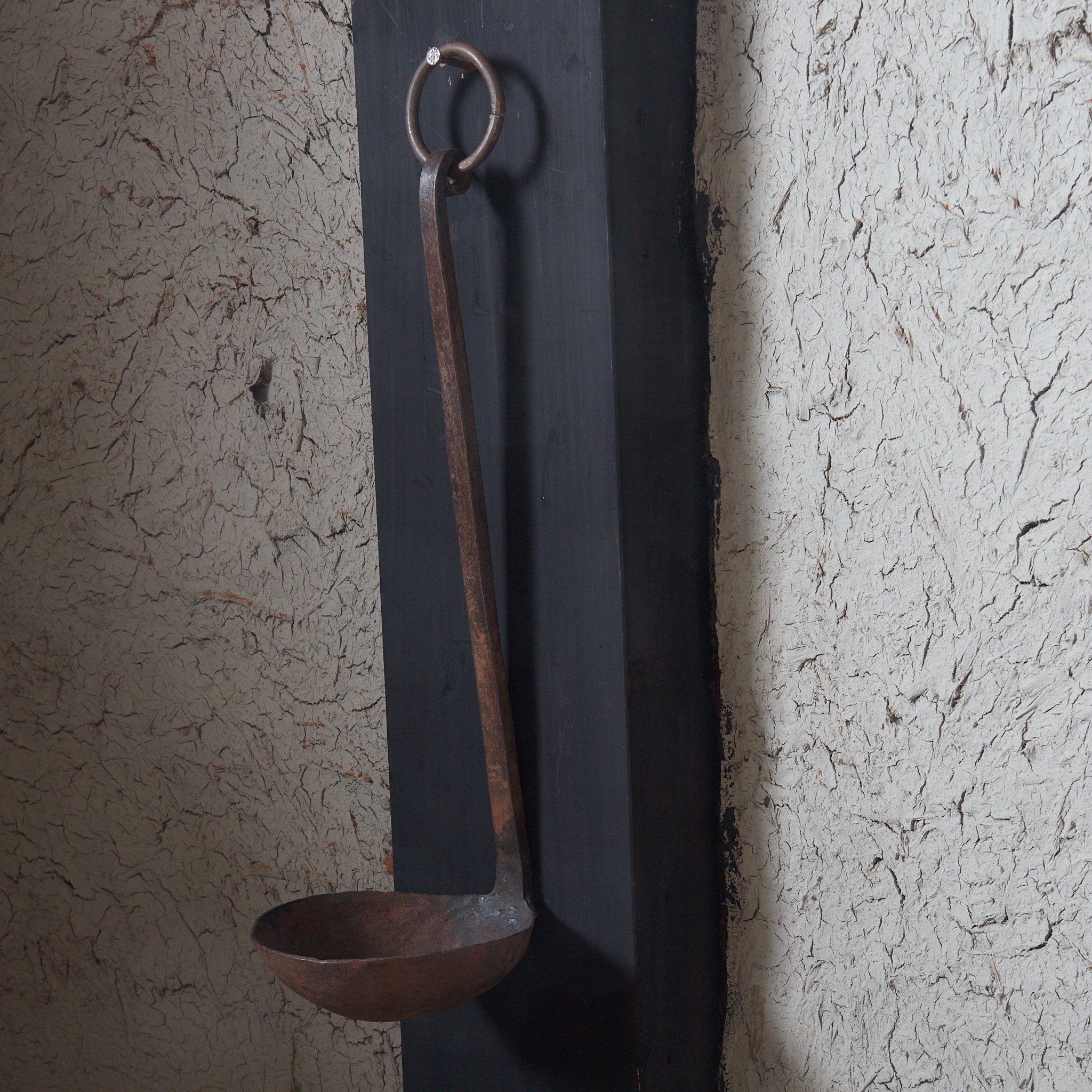
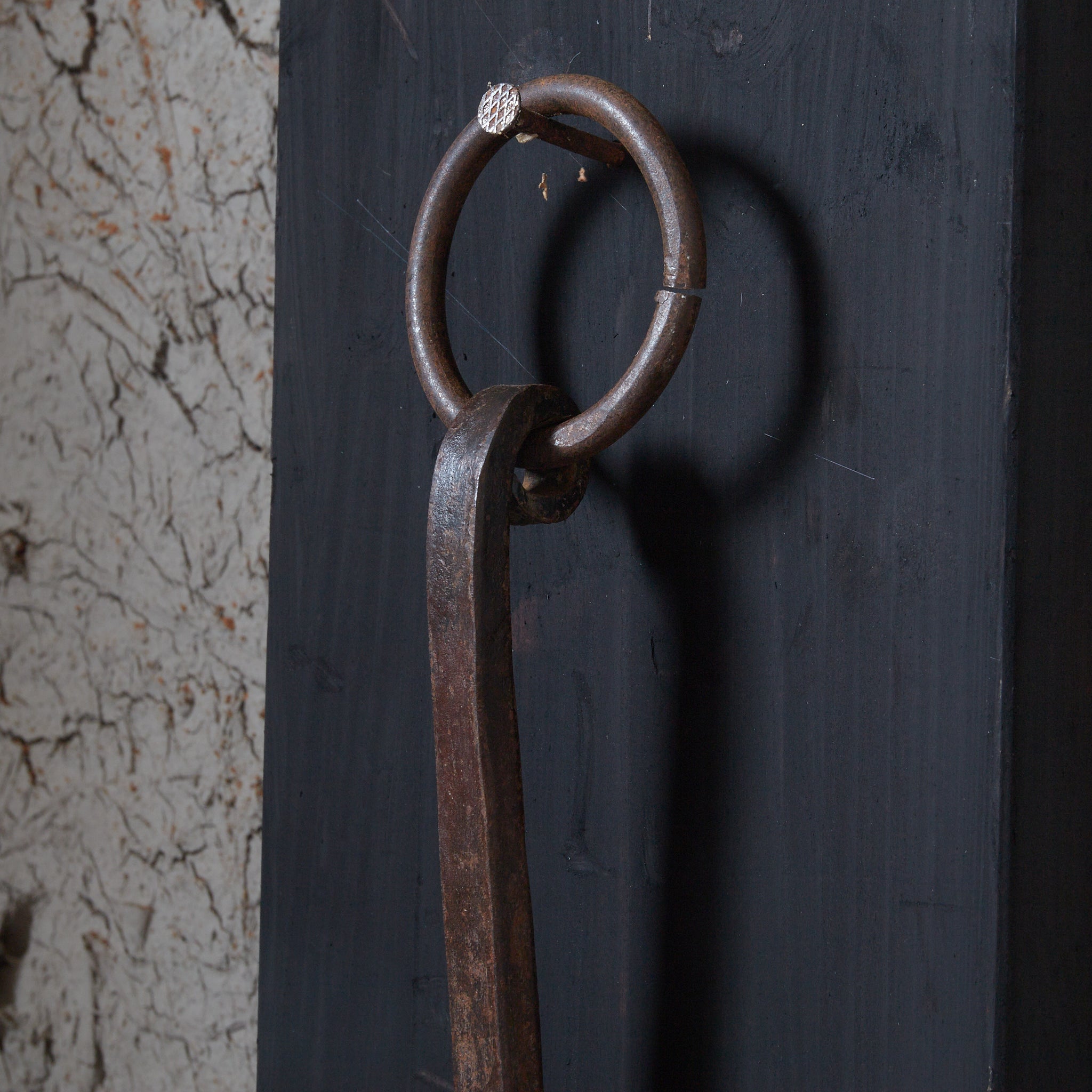
LOUCHE EN FER, Antiquité indienne, Période moderne précoce (XVIe–XIXe siècle)LOUCHE EN FER, Antiquité indienne, Période moderne précoce (XVIe–XIXe siècle)
NEW
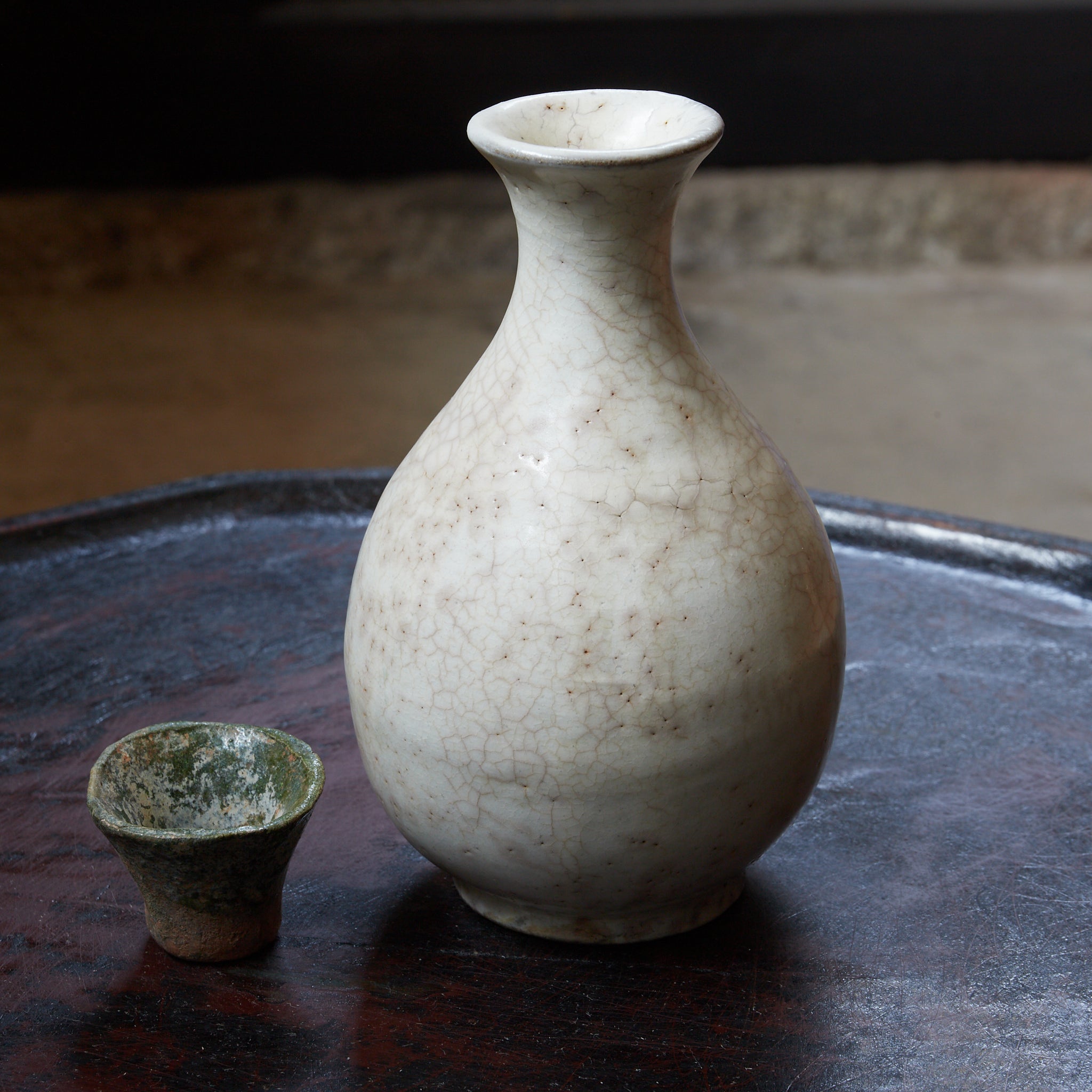
TOKKURI, Céramique Buncheong avec engobé motif de coups de pinceau, Dynastie Joseon (1392–1897 apr. J.-C.) – Vase à fleurs
NEW
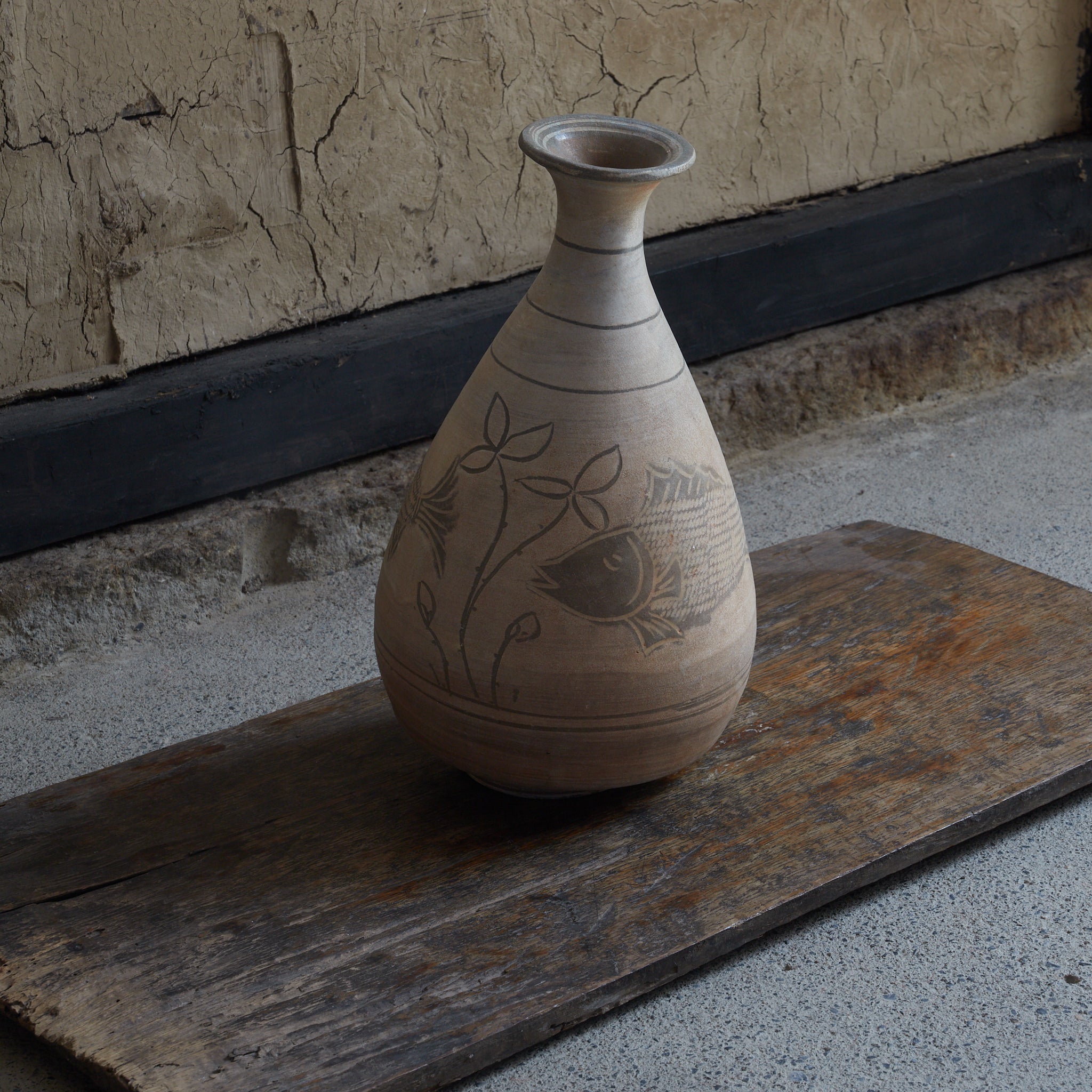
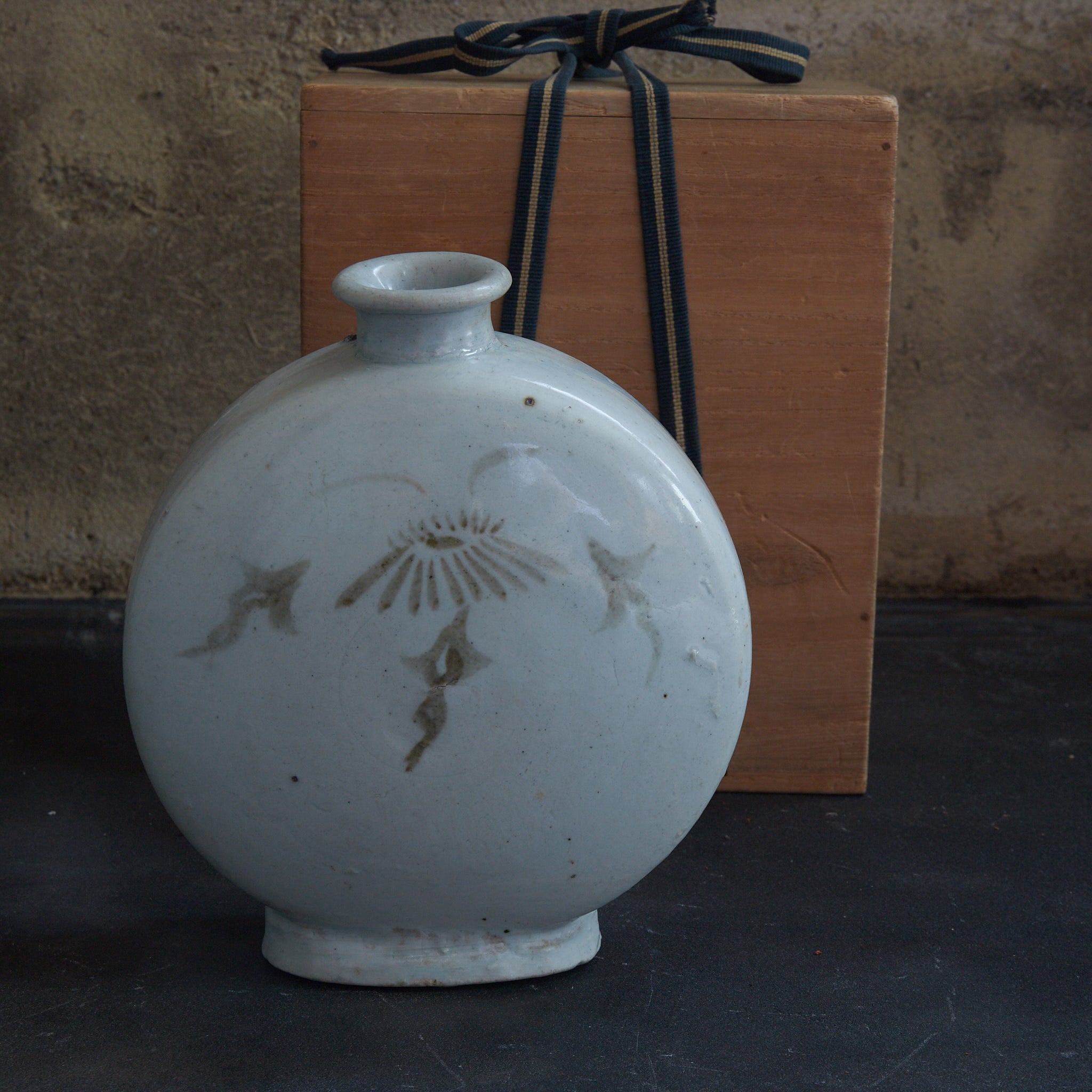
BOUTEILLE, Céramique Buncheong avec en sgraffito motif de deux poissons, Avec boîte en bois, Dynastie Joseon (1392–1897 apr. J.-C.) – Vase à fleurs
NEW
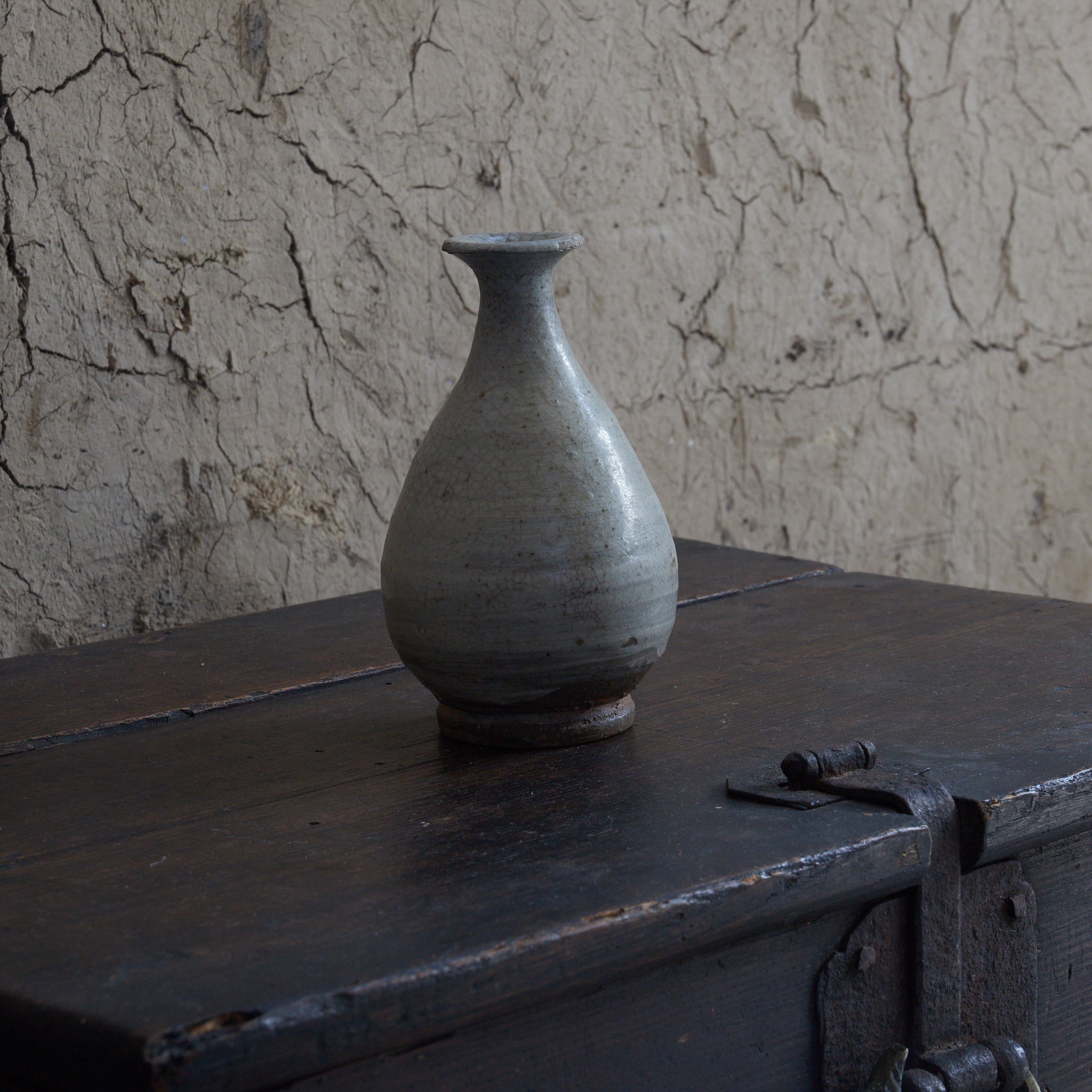
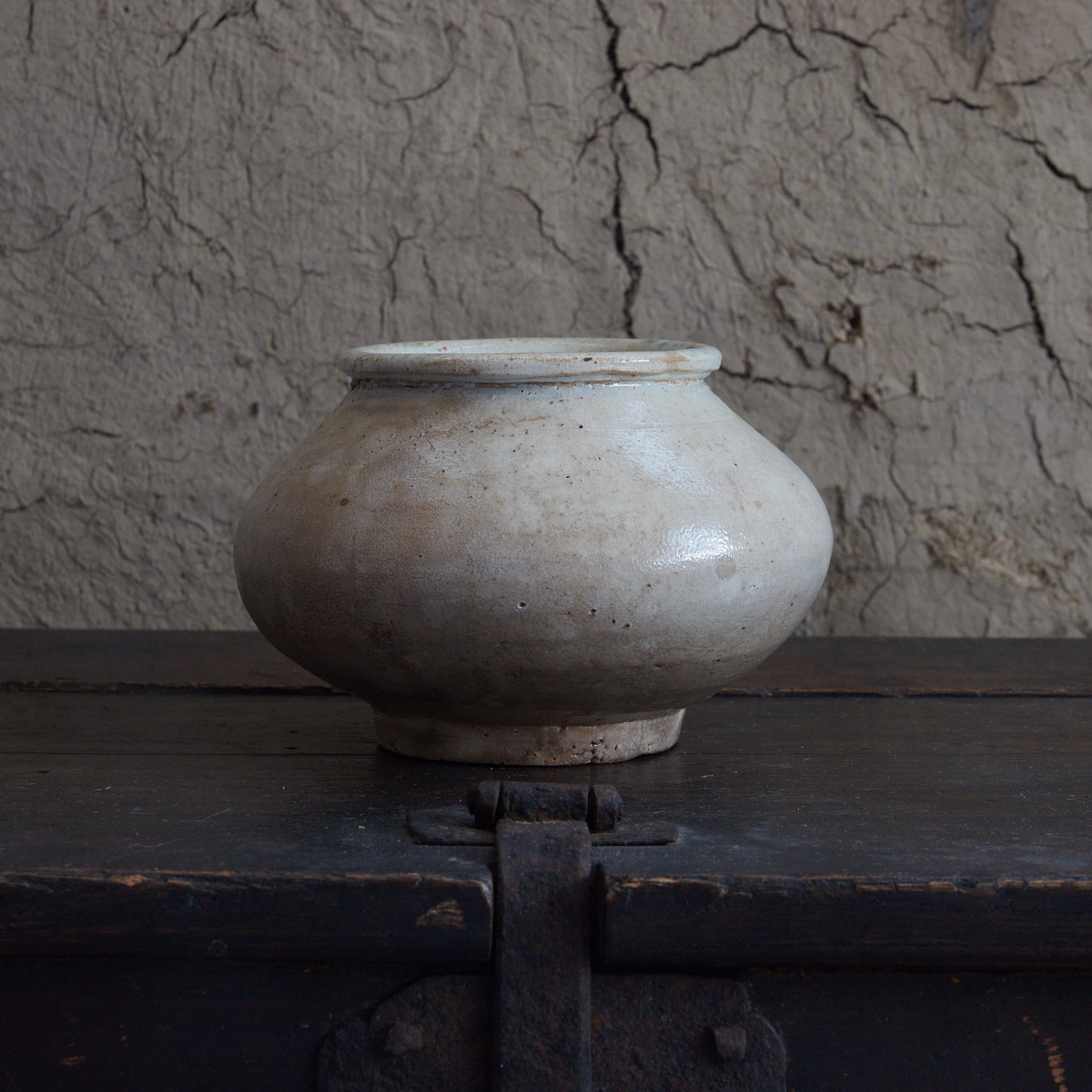
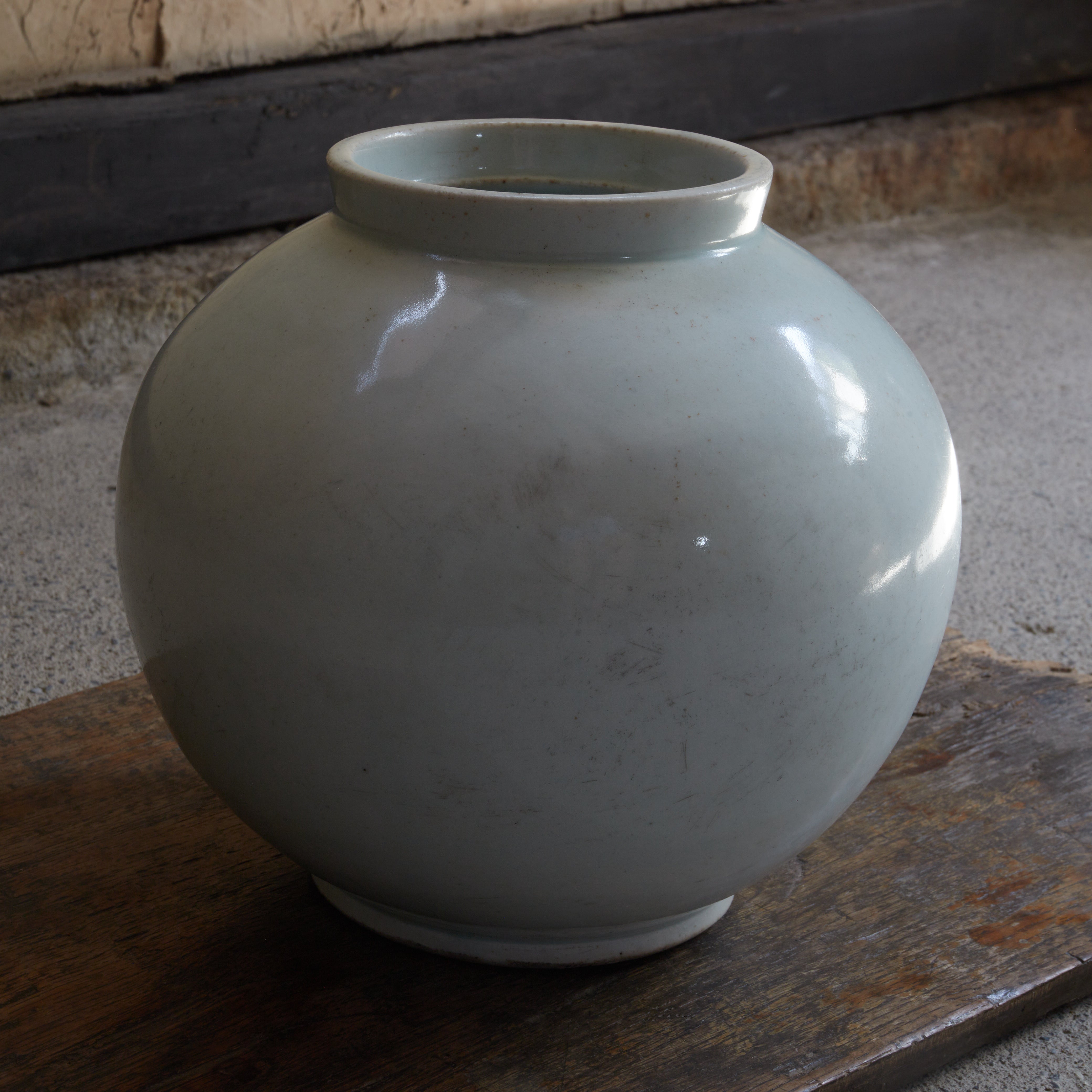
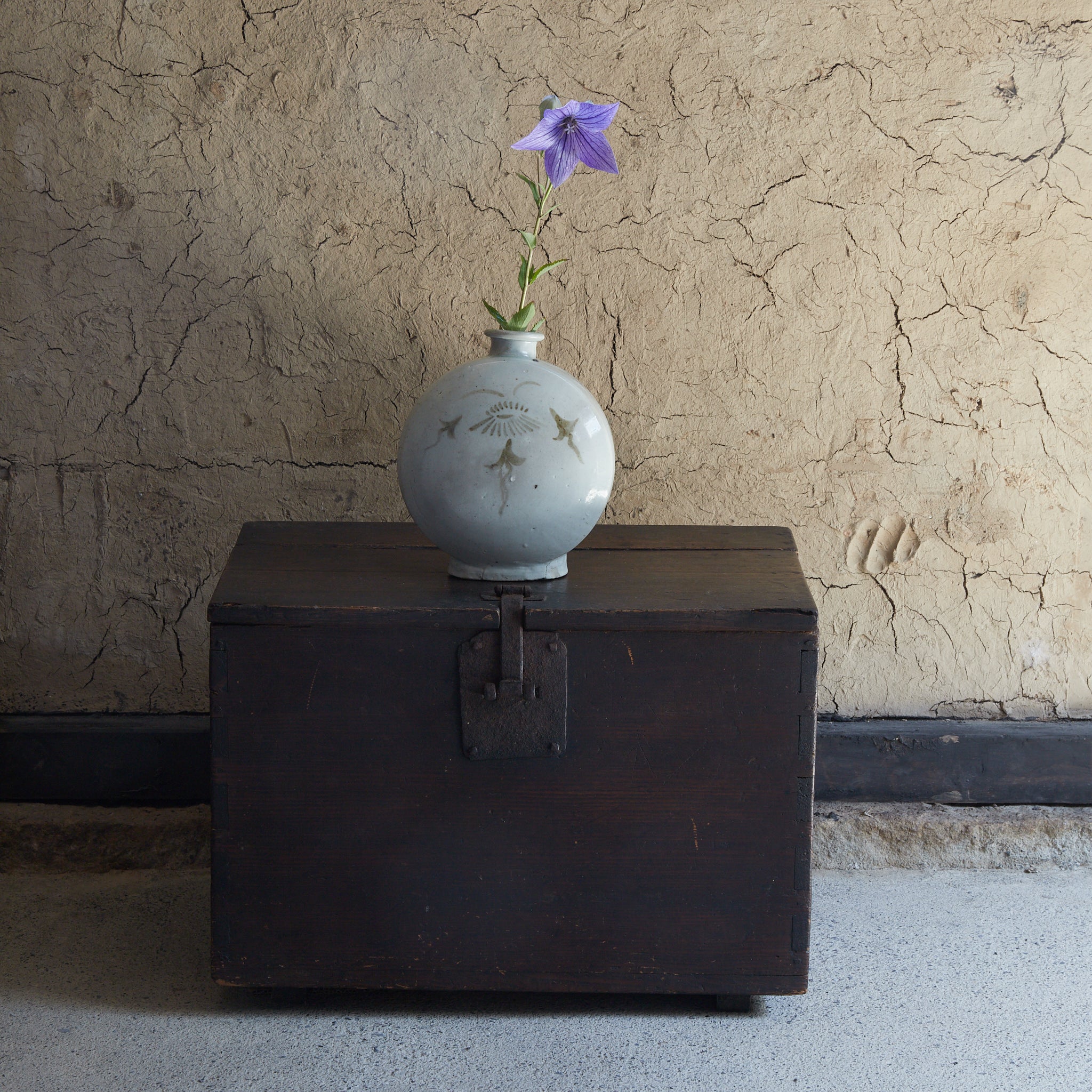
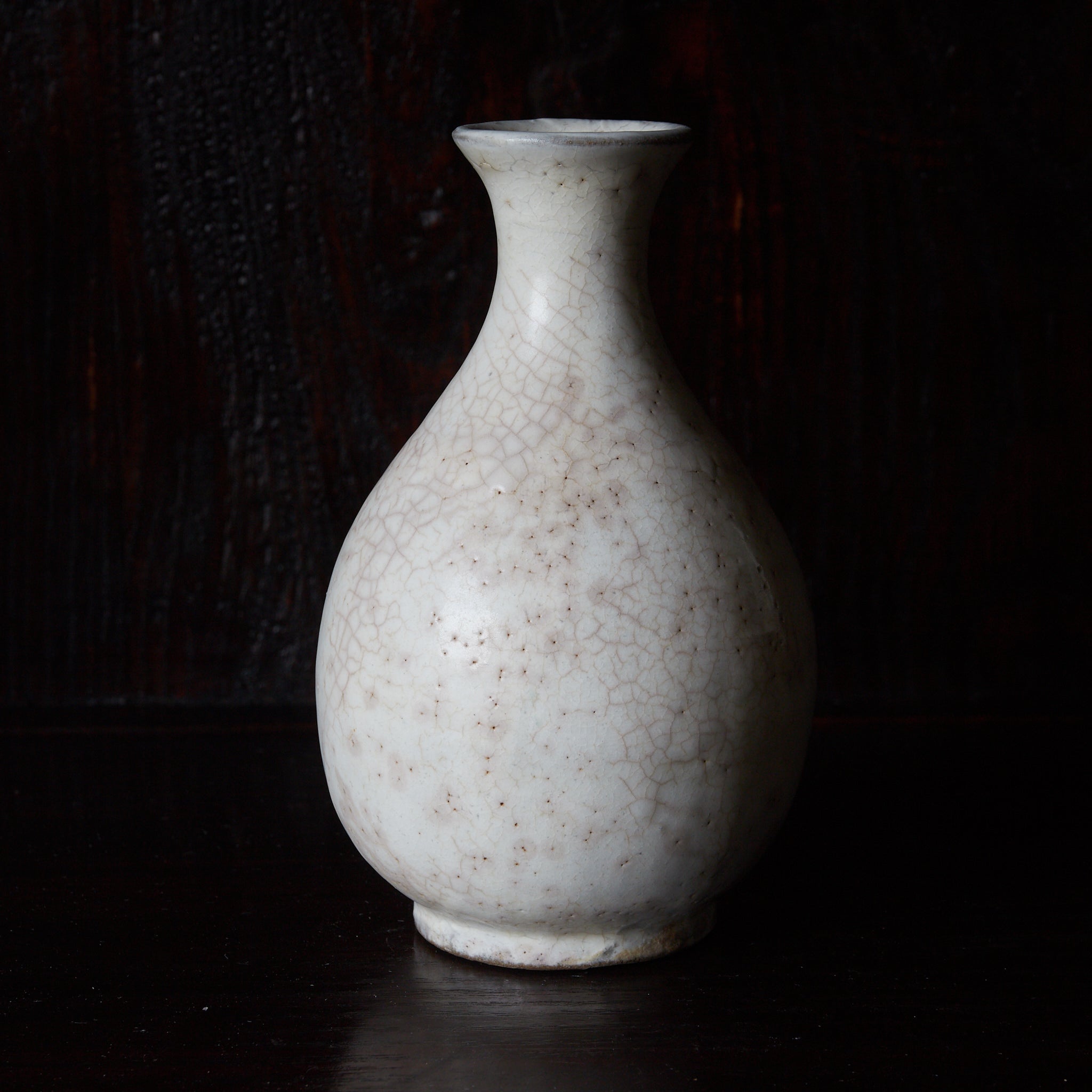
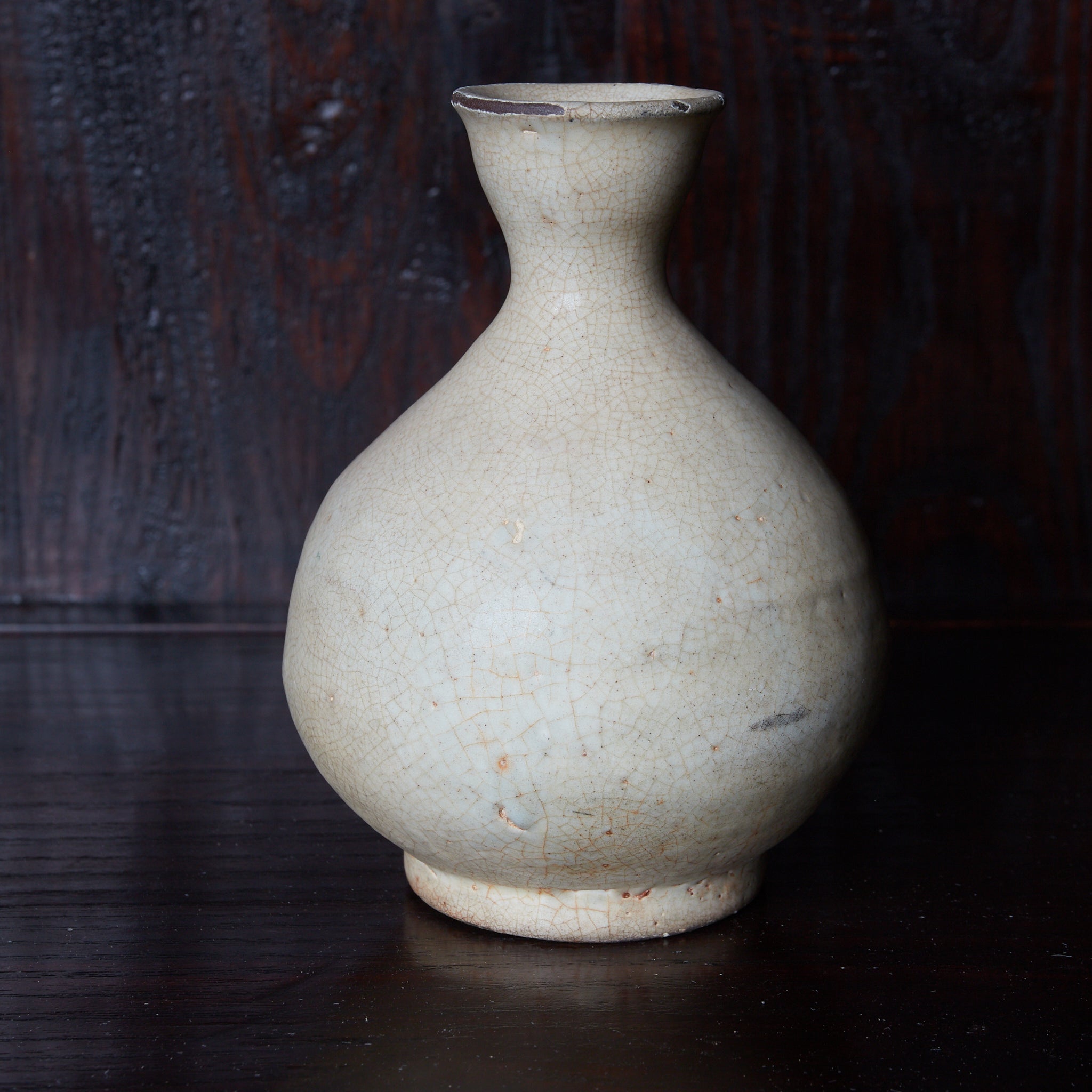
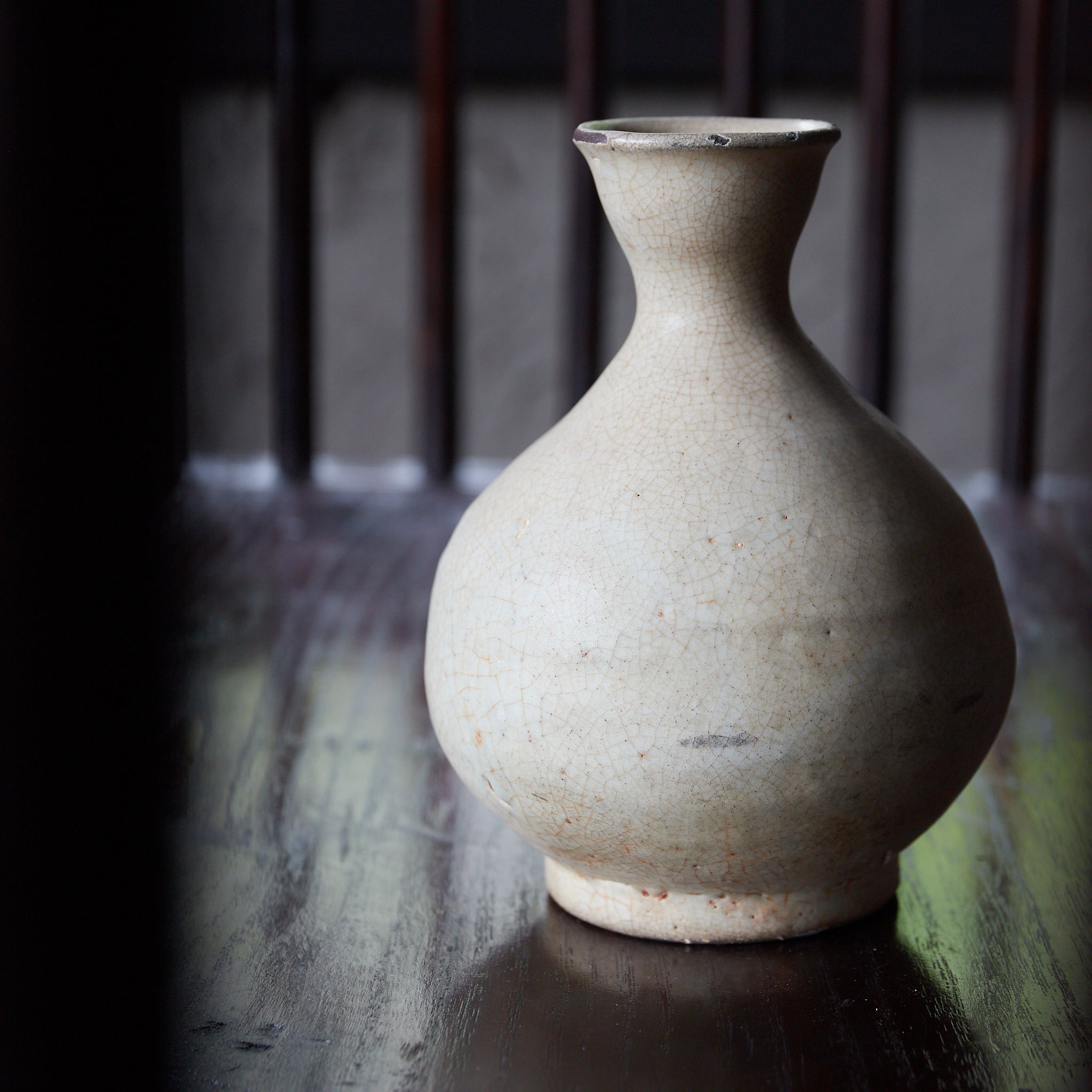
POT GLOBULAIRE, Porcelaine blanche, Dynastie Joseon (1392–1897 apr. J.-C.) – Vase à fleurs
NEW
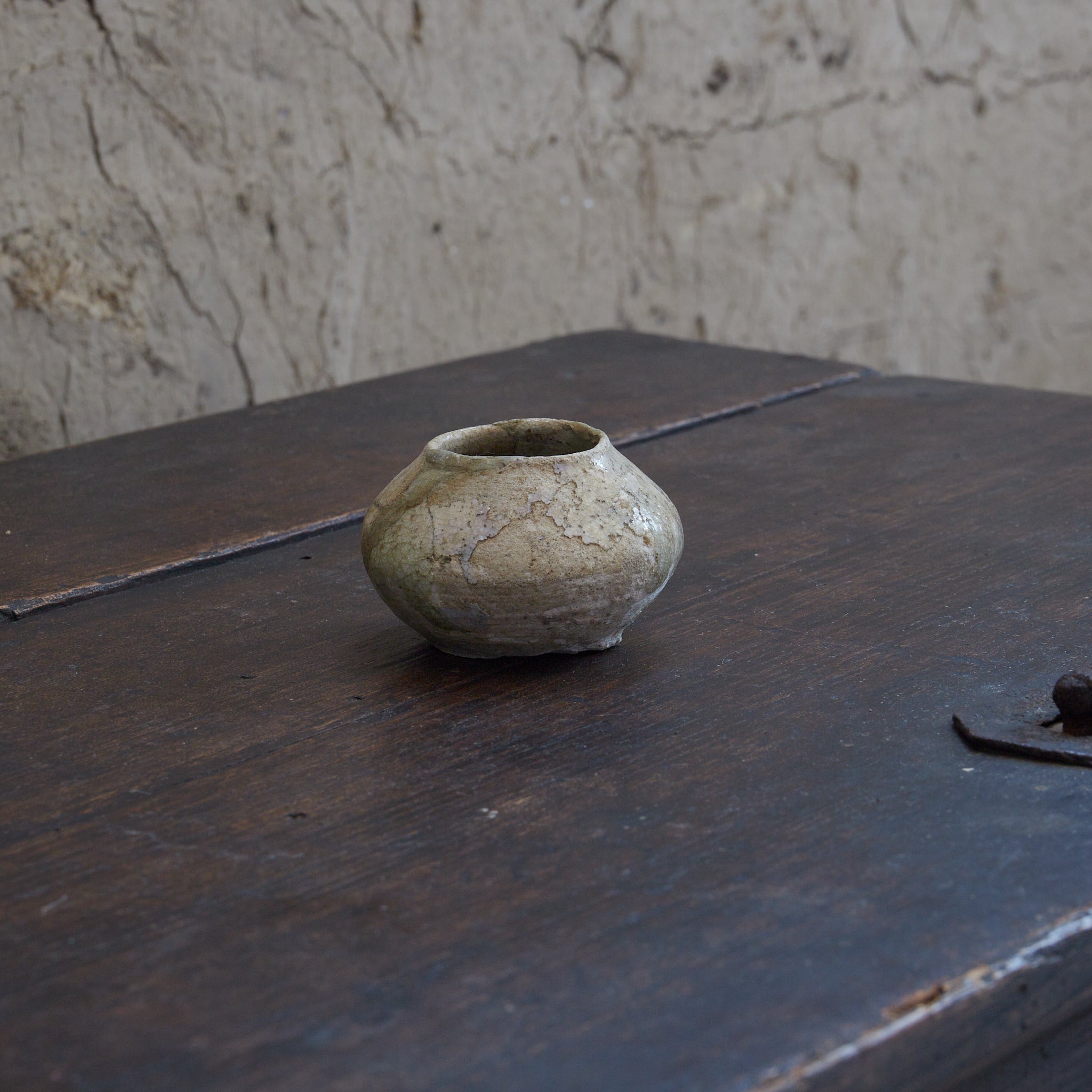
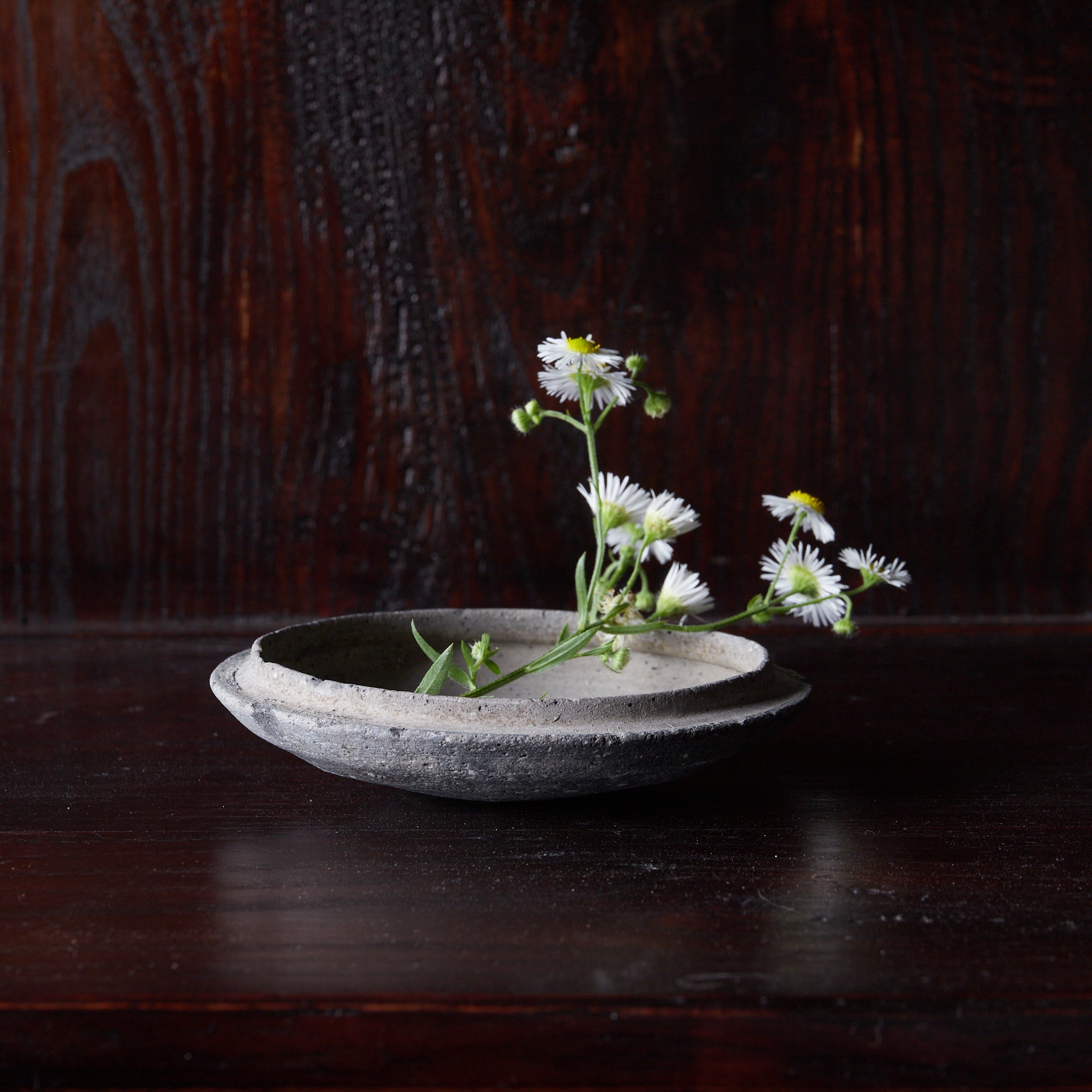
BASE DE PETITE BOÎTE COUVERTE, Ko-Seto, à glaçure de cendre, Période Kamakura (1185–1333 apr. J.-C.) – Vase à fleurs
NEW
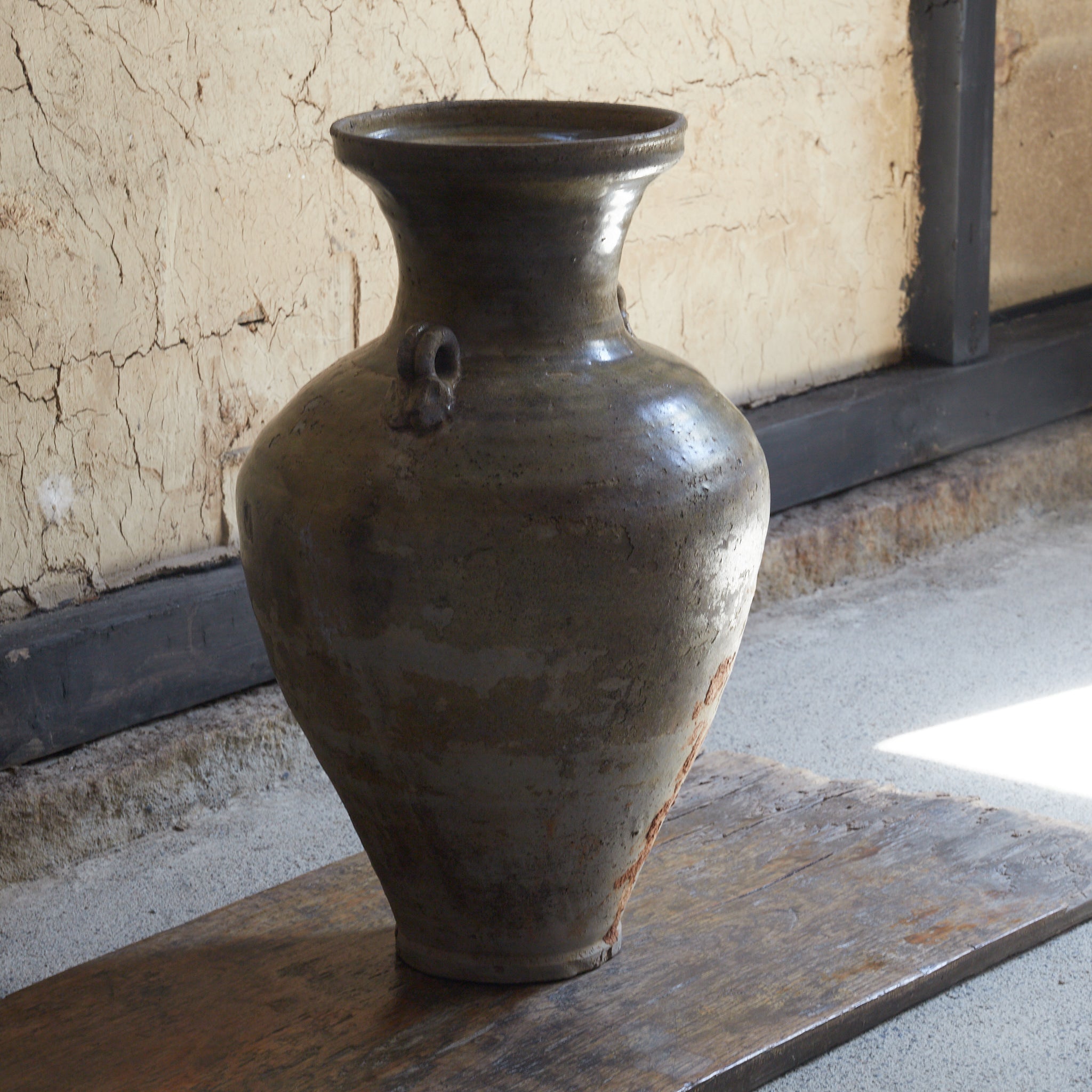
VASE À QUATRE ANSES, Ko-Seto, à glaçure de cendre, Période Kamakura (1185–1333 apr. J.-C.) – Vase à fleurs
NEW
JARRE À DEUX ANSES, four Cizhou, Dynastie Song (960–1279 apr. J.-C.)JARRE À DEUX ANSES, four Cizhou, Dynastie Song (960–1279 apr. J.-C.)
NEW
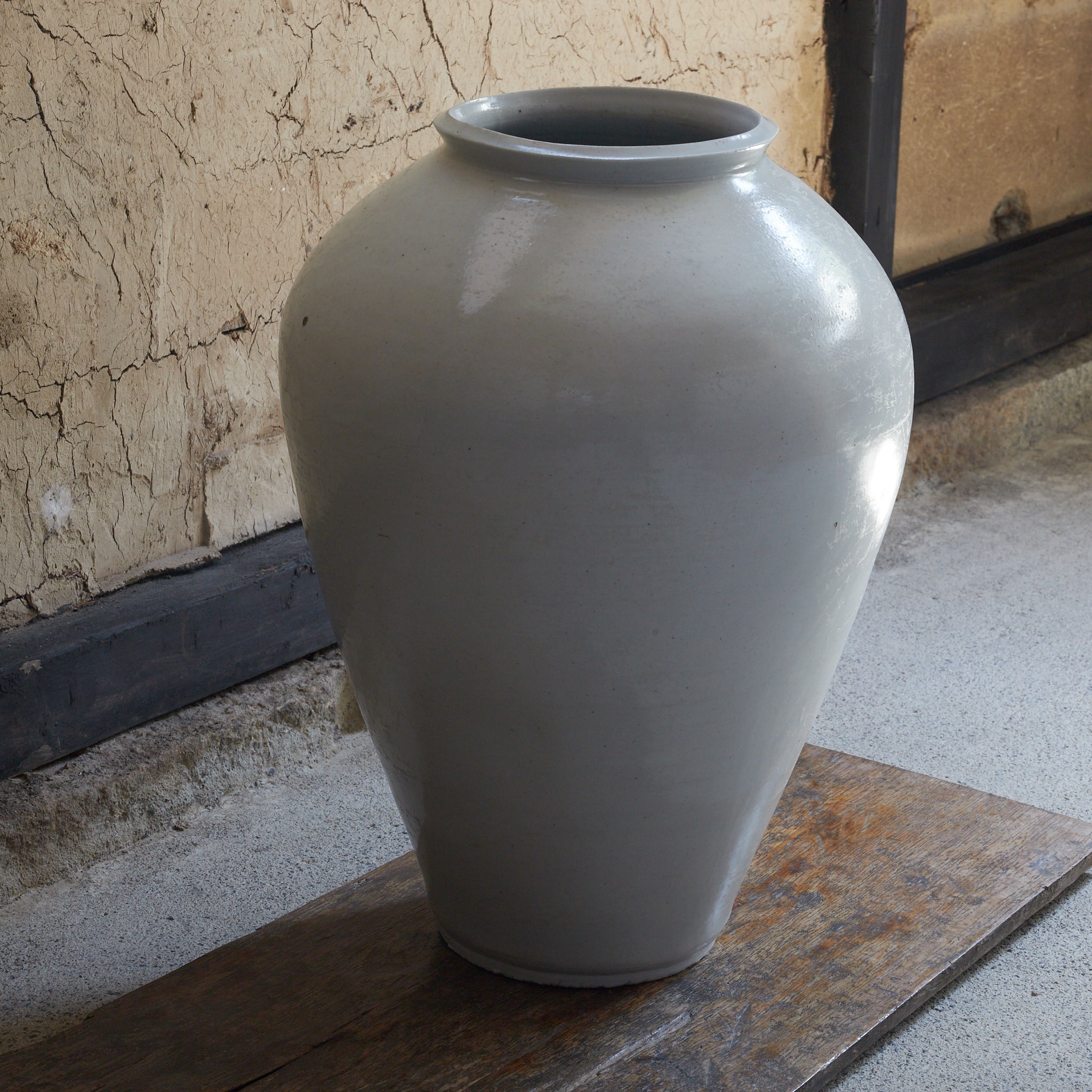
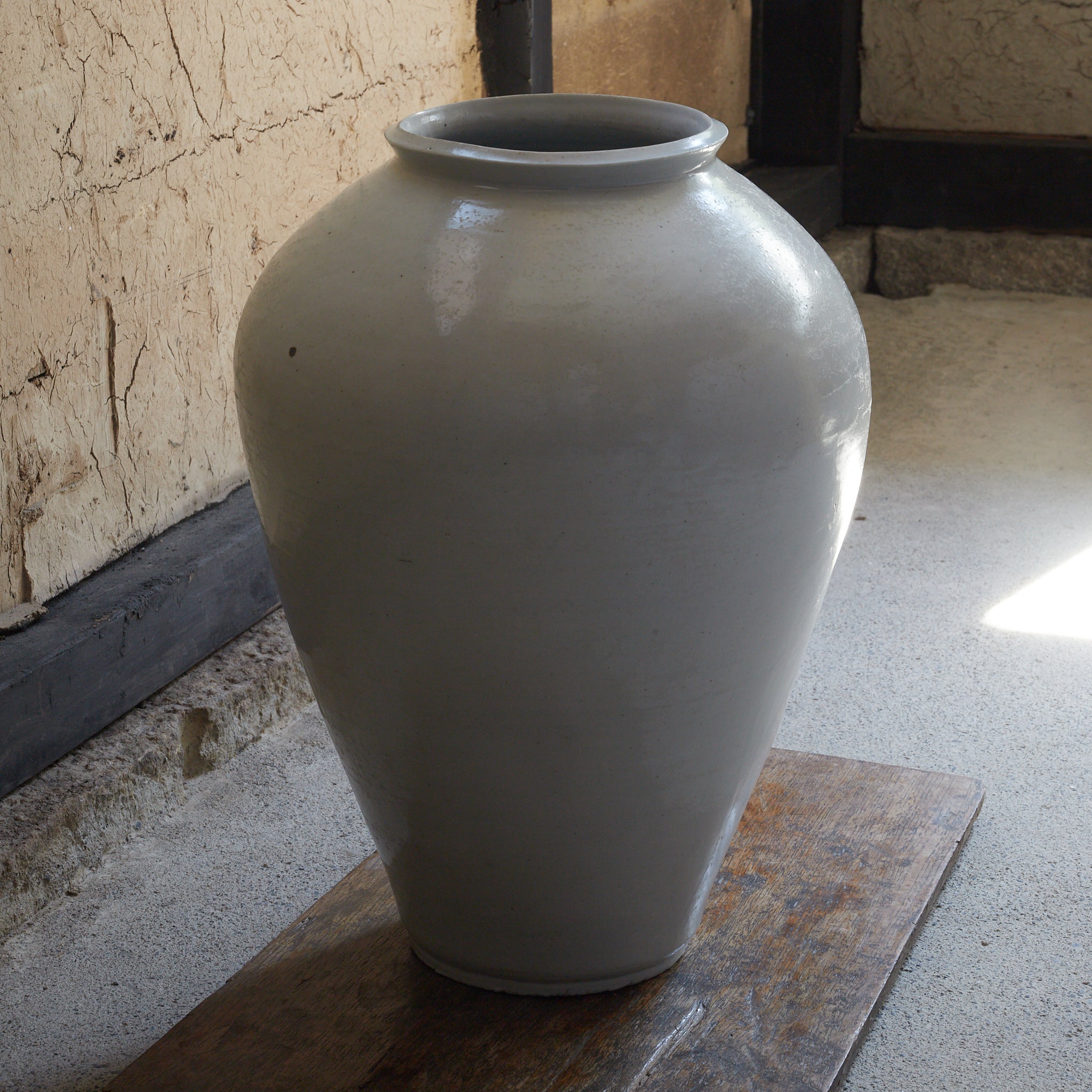
JARRE, Porcelaine blanche, Dynastie Joseon (1392–1897 apr. J.-C.)JARRE, Porcelaine blanche, Dynastie Joseon (1392–1897 apr. J.-C.)
NEW
JARRE, Porcelaine blanche, Dynastie Joseon (1392–1897 apr. J.-C.) – Vase à fleurs
NEW
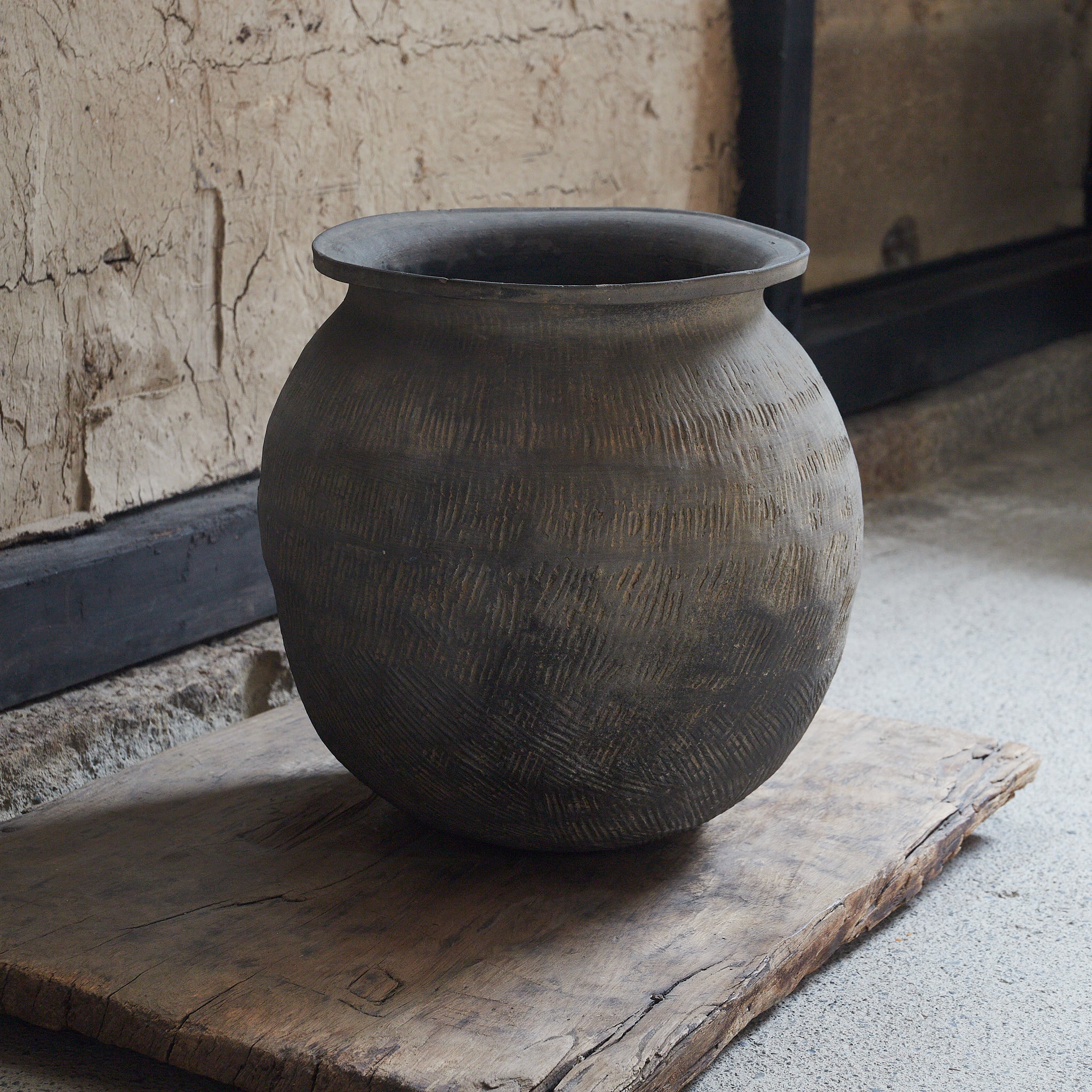
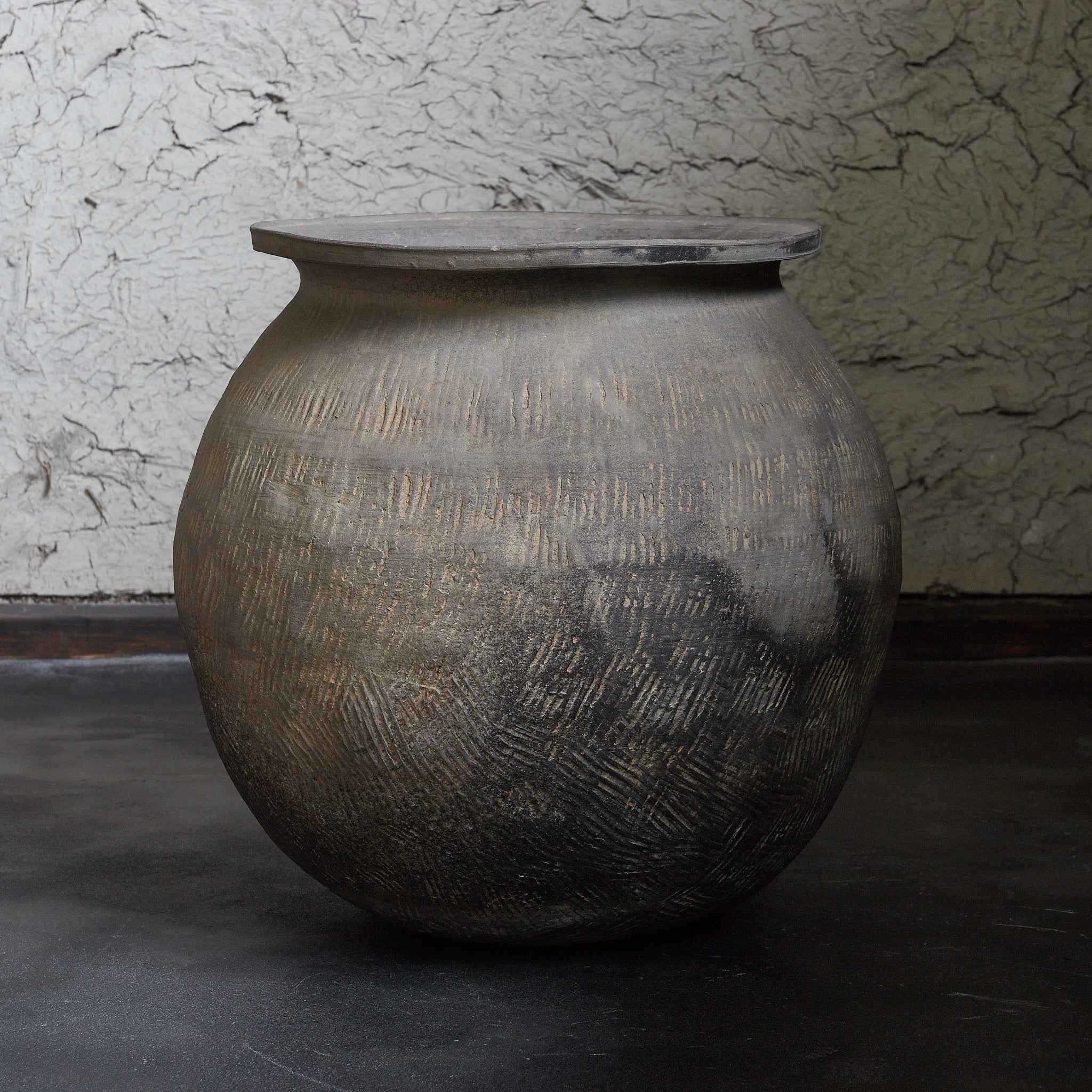
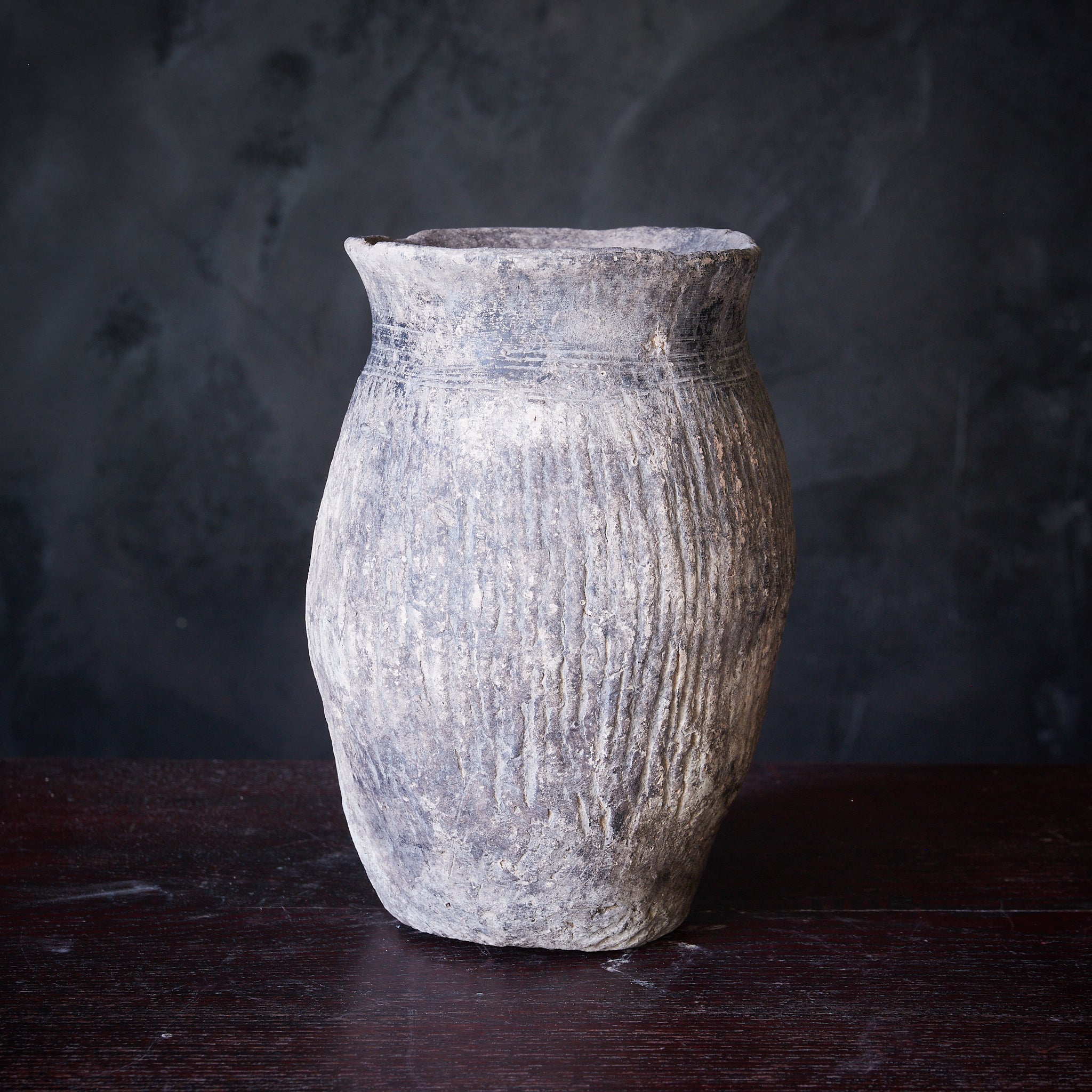
POTERIE NOIRE / TERRE CUITE / JARRE À BOUCHE LARGE, Ban Chiang, avec lignes incisées, Avec boîte en bois, Antiquité (IIIe–XIIe siècle)POTERIE NOIRE / TERRE CUITE / JARRE À BOUCHE LARGE, Ban Chiang, avec lignes incisées, Avec boîte en bois, Antiquité (IIIe–XIIe siècle)
NEW
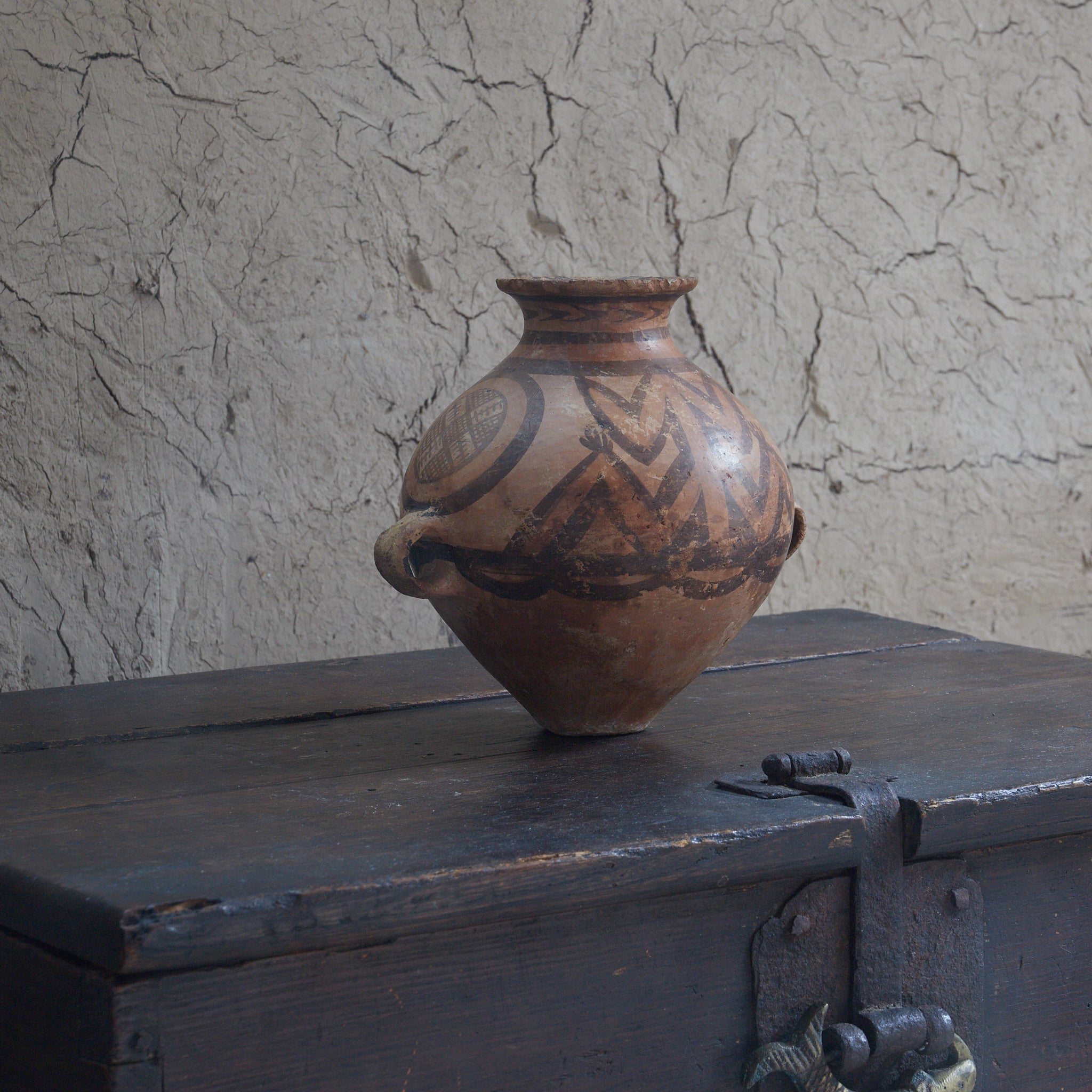
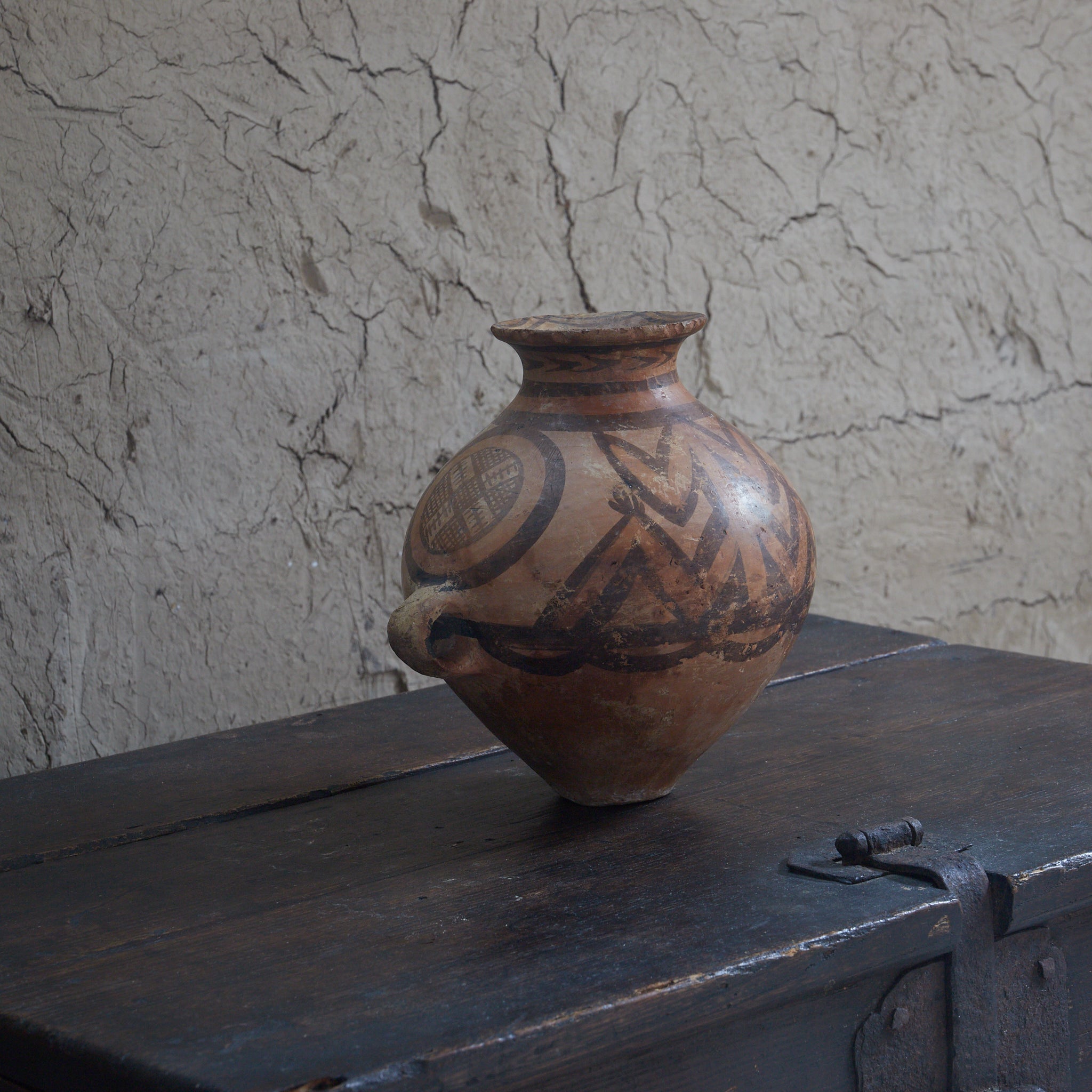
JARRE À DEUX ANSES, Céramique peinte, avec motif géométrique, Avec boîte en bois, Culture de Majiayao (3300–2050 av. J.-C.)JARRE À DEUX ANSES, Céramique peinte, avec motif géométrique, Avec boîte en bois, Culture de Majiayao (3300–2050 av. J.-C.)
NEW
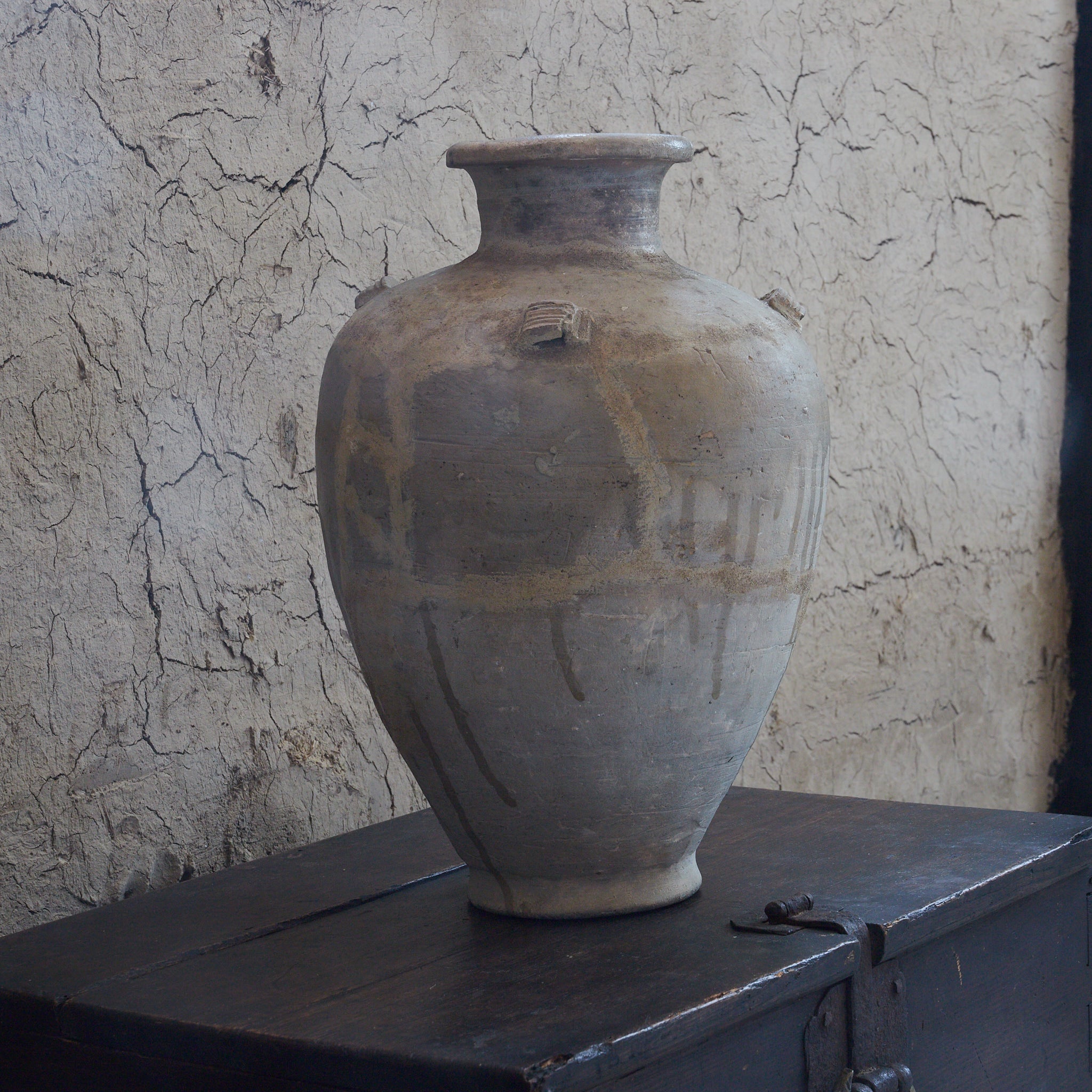
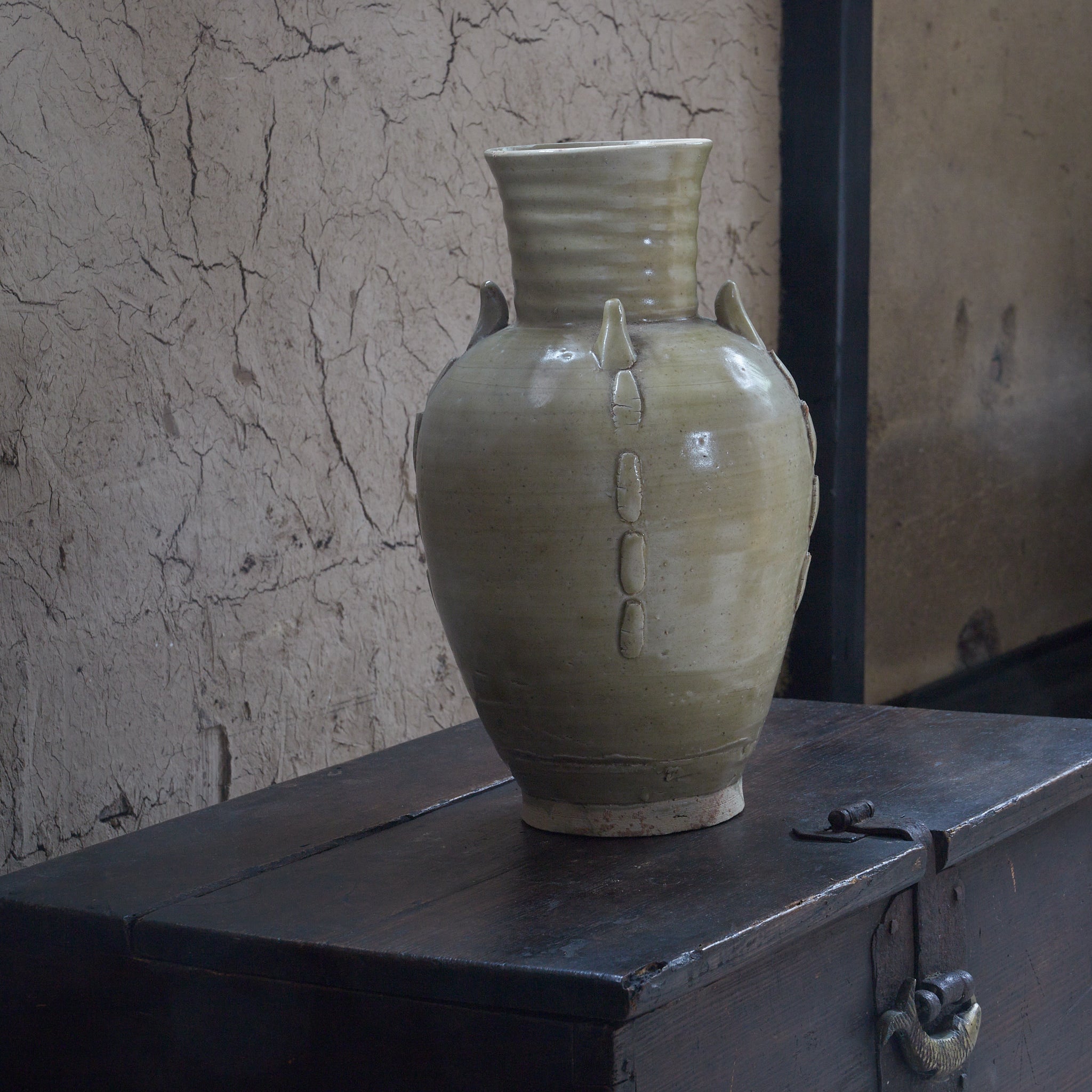
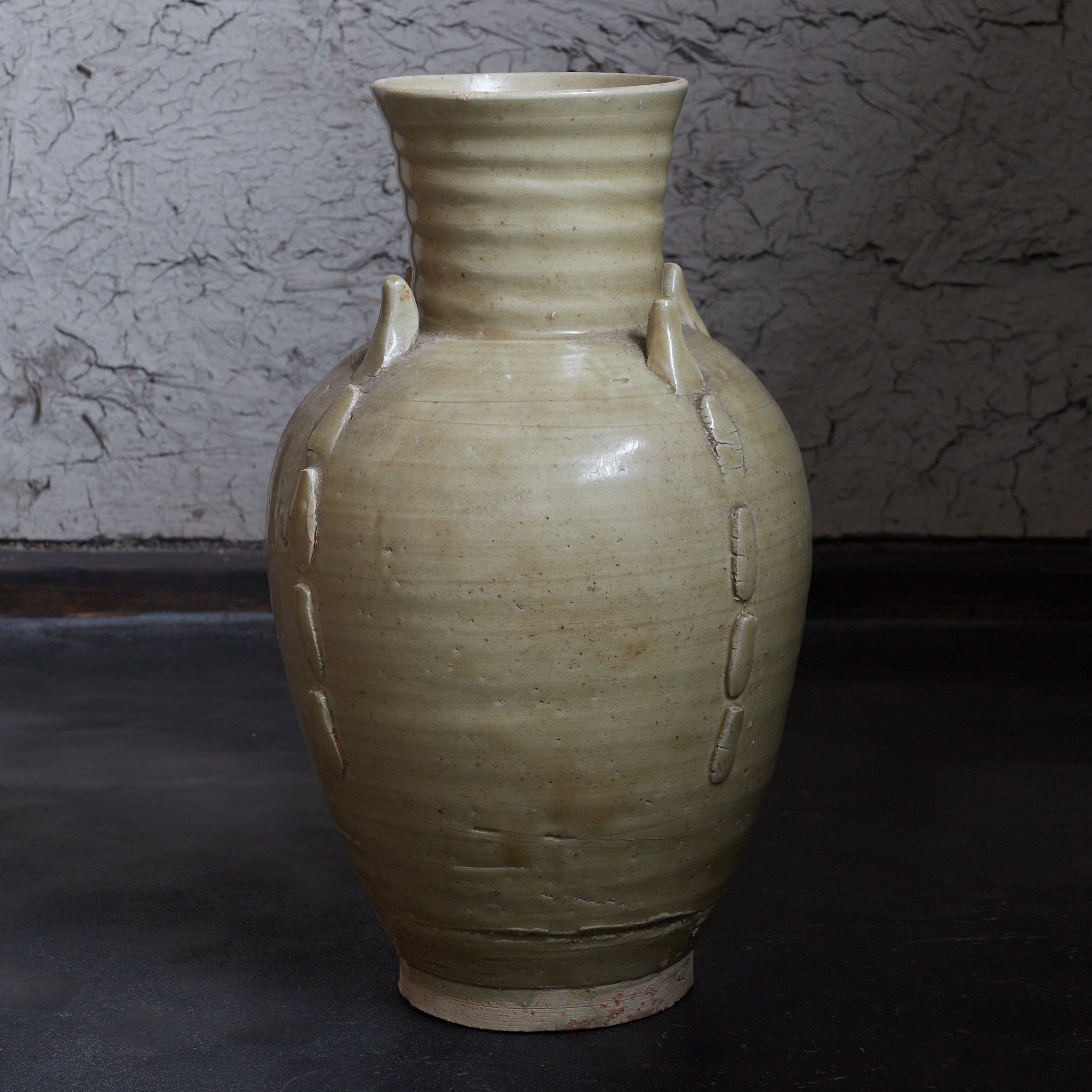
BOUTEILLE, four Cizhou, céladon avec décor appliqué, Dynastie Song (960–1279 apr. J.-C.)BOUTEILLE, four Cizhou, céladon avec décor appliqué, Dynastie Song (960–1279 apr. J.-C.)
NEW
JARRE, Suzu, avec décor imprimé, Période Kamakura (1185–1333 apr. J.-C.)JARRE, Suzu, avec décor imprimé, Période Kamakura (1185–1333 apr. J.-C.)
NEW
BOUTEILLE PLATE, Céramique Sue, Période Nara–Heian (710–1185 apr. J.-C.)BOUTEILLE PLATE, Céramique Sue, Période Nara–Heian (710–1185 apr. J.-C.)
NEW
POT GLOBULAIRE, Style Gimhae, porcelaine blanche, Dynastie Joseon (1392–1897 apr. J.-C.)POT GLOBULAIRE, Style Gimhae, porcelaine blanche, Dynastie Joseon (1392–1897 apr. J.-C.)
NEW
BOUTEILLE, À glaçure de cendre, peinte au fer sous couverte avec motif d'herbe, Dynastie Goryeo (918–1392 apr. J.-C.)BOUTEILLE, À glaçure de cendre, peinte au fer sous couverte avec motif d'herbe, Dynastie Goryeo (918–1392 apr. J.-C.)
NEW
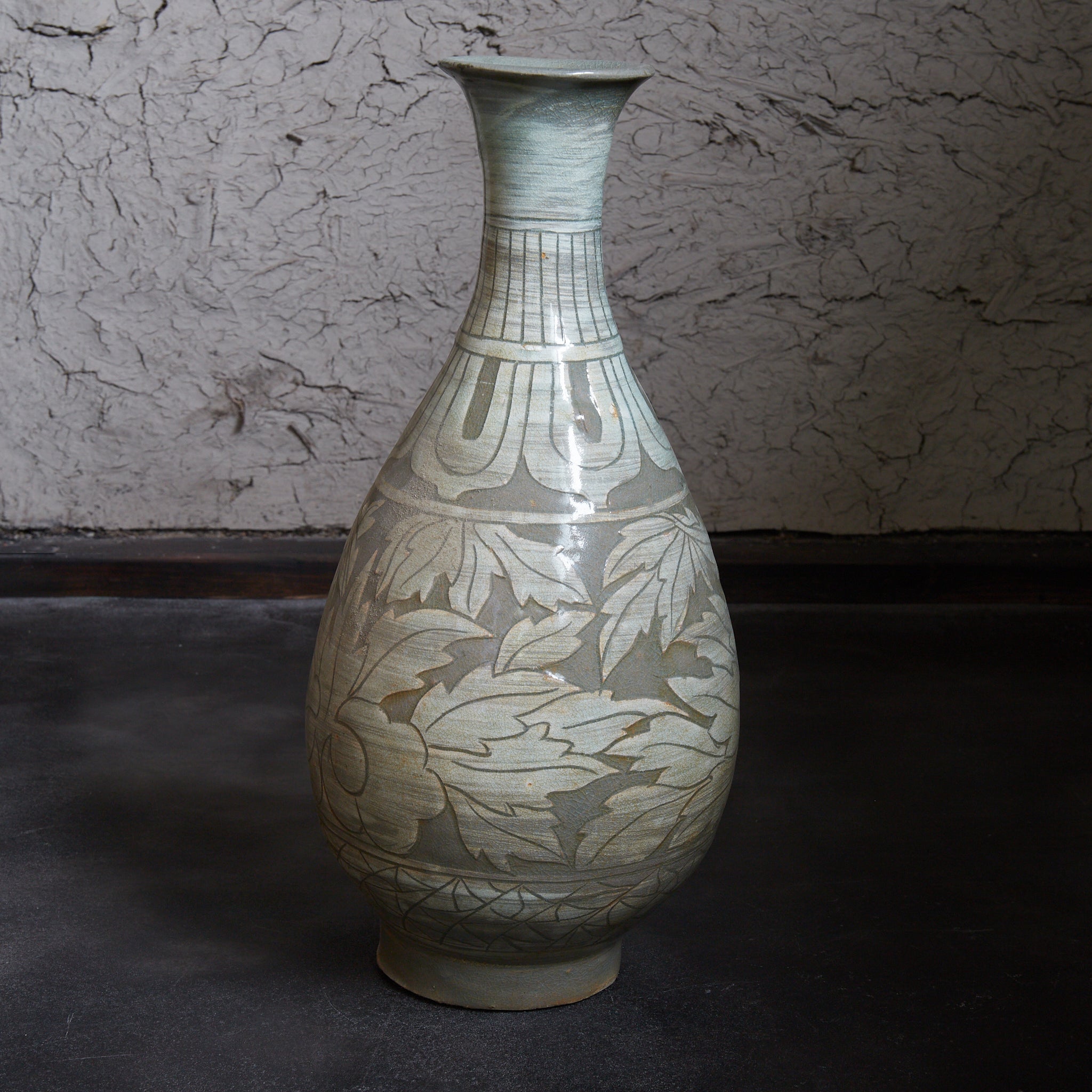
BOUTEILLE, Céramique Buncheong avec motif de pivoine, Dynastie Joseon (1392–1897 apr. J.-C.)BOUTEILLE, Céramique Buncheong avec motif de pivoine, Dynastie Joseon (1392–1897 apr. J.-C.)
NEW
VASE APLATI, Céramique Buncheong avec en sgraffito motif de feuilles de bashō, Avec boîte en bois, Dynastie Joseon (1392–1897 apr. J.-C.)VASE APLATI, Céramique Buncheong avec en sgraffito motif de feuilles de bashō, Avec boîte en bois, Dynastie Joseon (1392–1897 apr. J.-C.)
NEW
VASE APLATI, Porcelaine blanche avec fer sous couverte motif floral et végétal, Avec boîte en bois, Dynastie Joseon (1392–1897 apr. J.-C.)VASE APLATI, Porcelaine blanche avec fer sous couverte motif floral et végétal, Avec boîte en bois, Dynastie Joseon (1392–1897 apr. J.-C.)
NEW
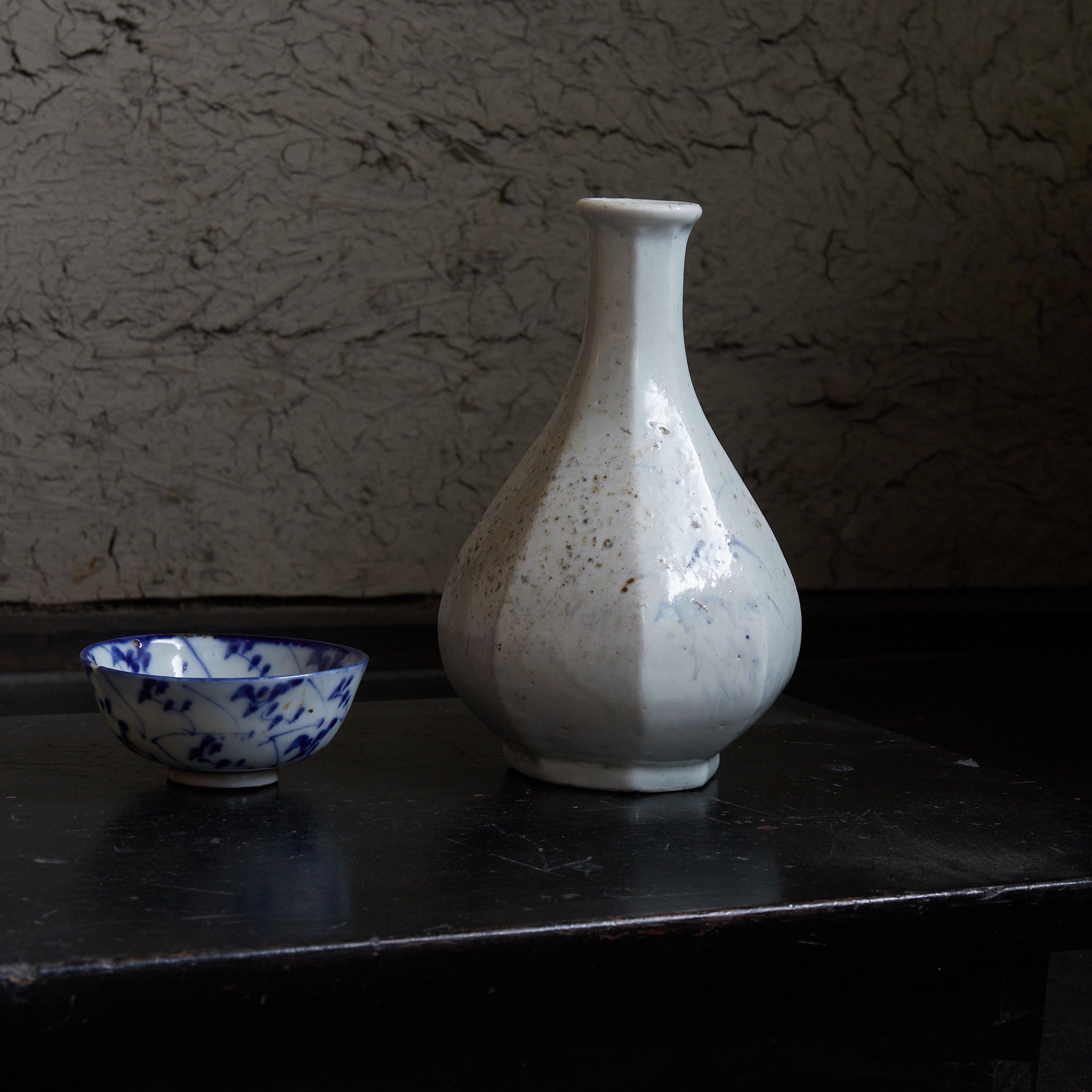
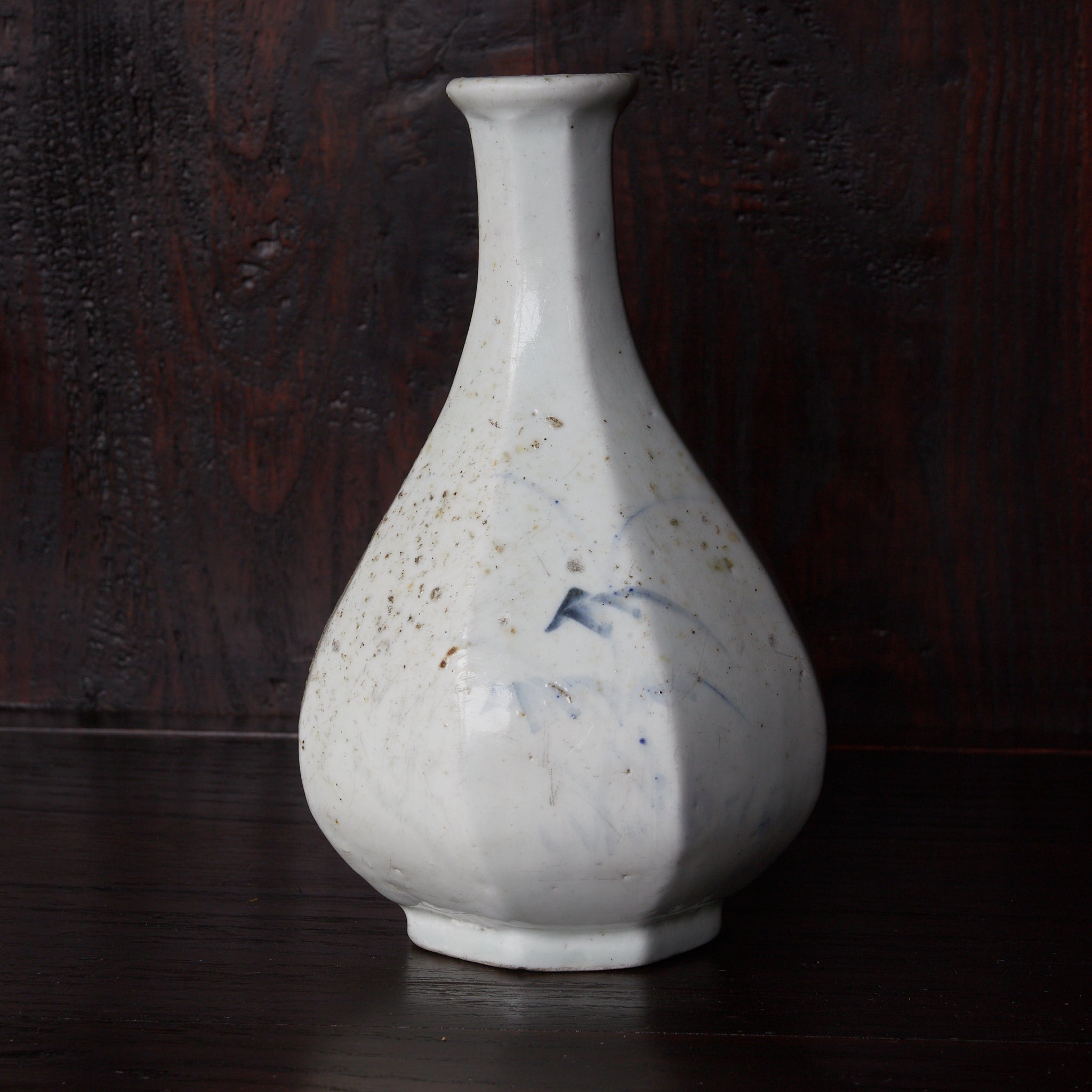
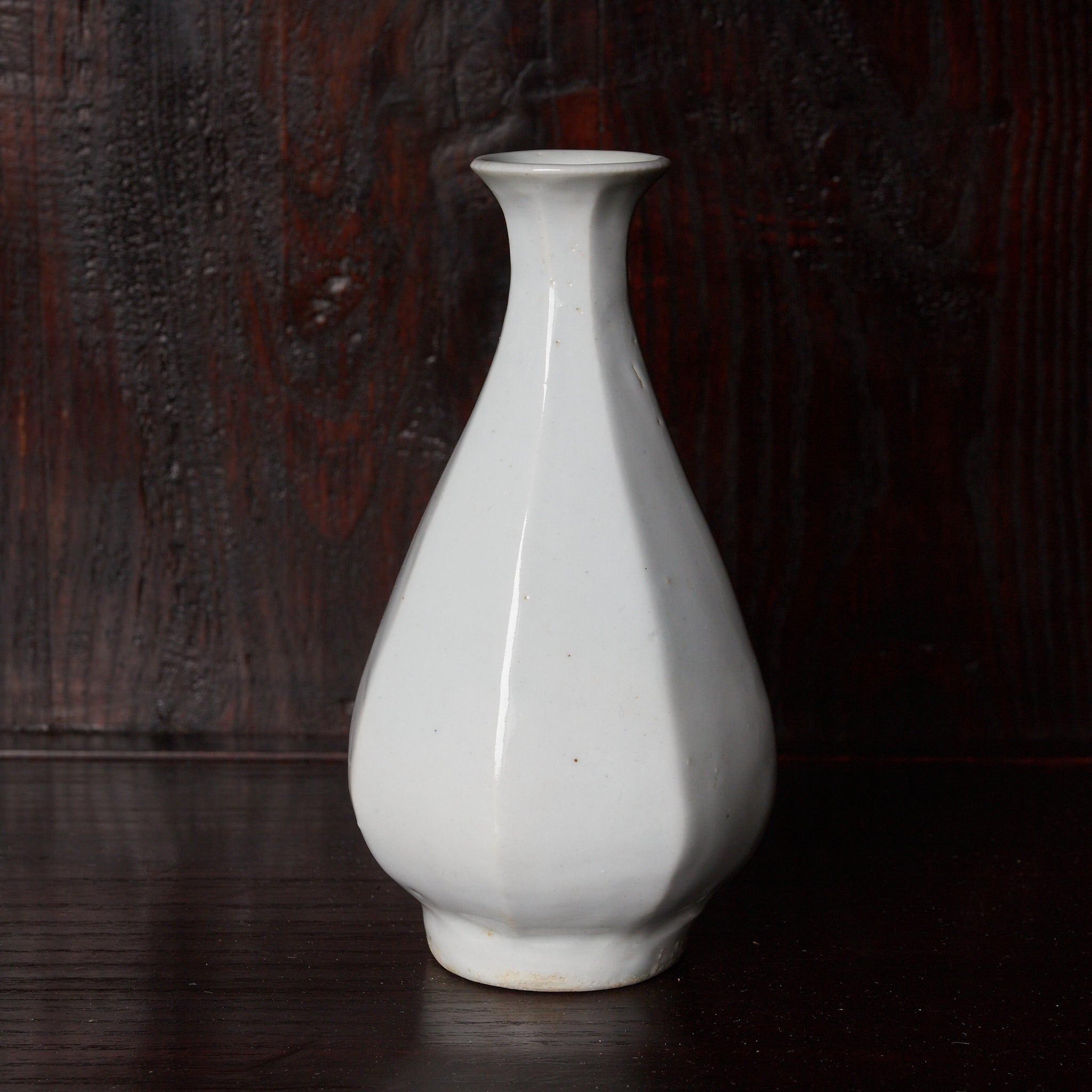
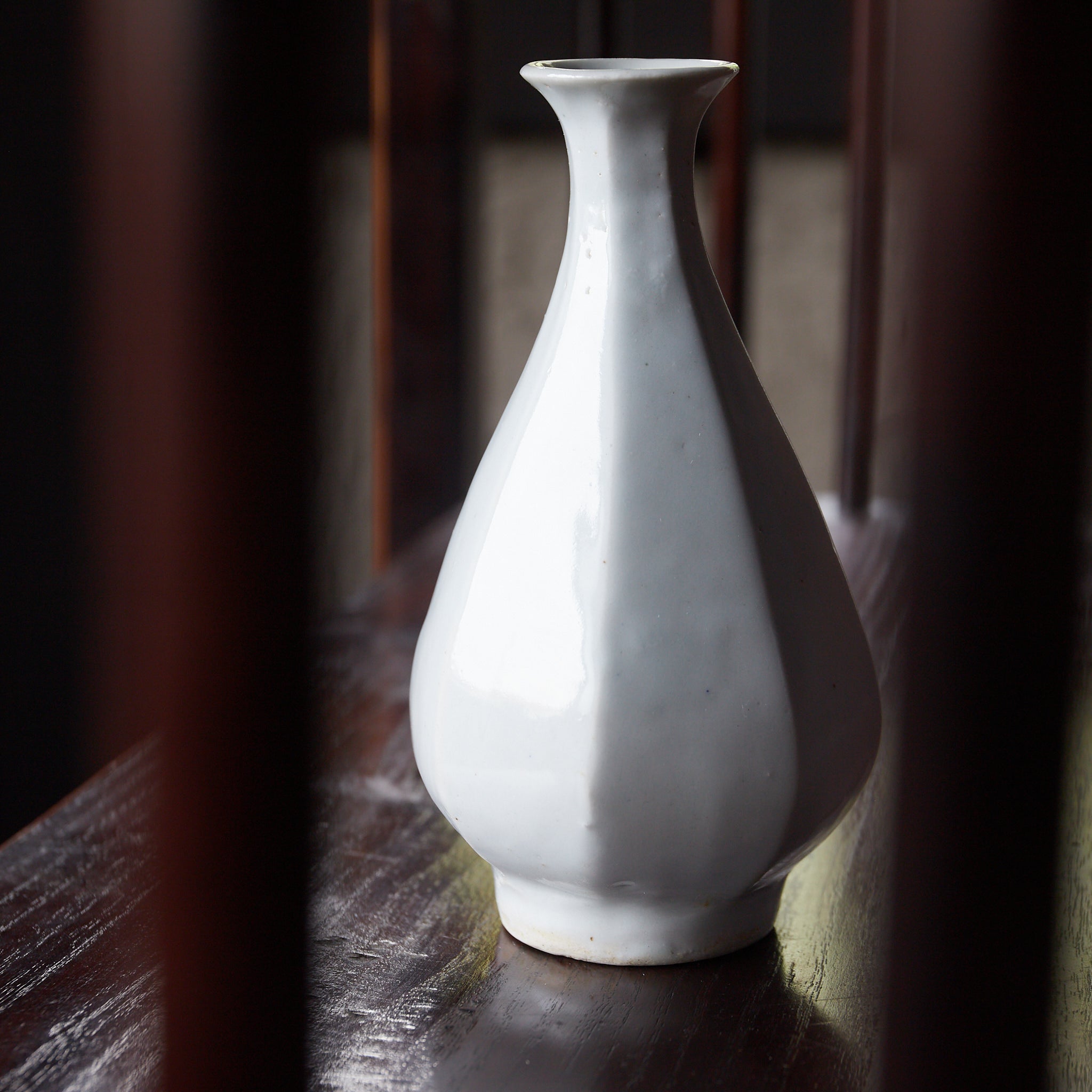
BOUTEILLE BISEAUTÉE, Porcelaine bleu et blanc avec motif de graminée de bambou, Dynastie Joseon (1392–1897 apr. J.-C.)BOUTEILLE BISEAUTÉE, Porcelaine bleu et blanc avec motif de graminée de bambou, Dynastie Joseon (1392–1897 apr. J.-C.)
NEW
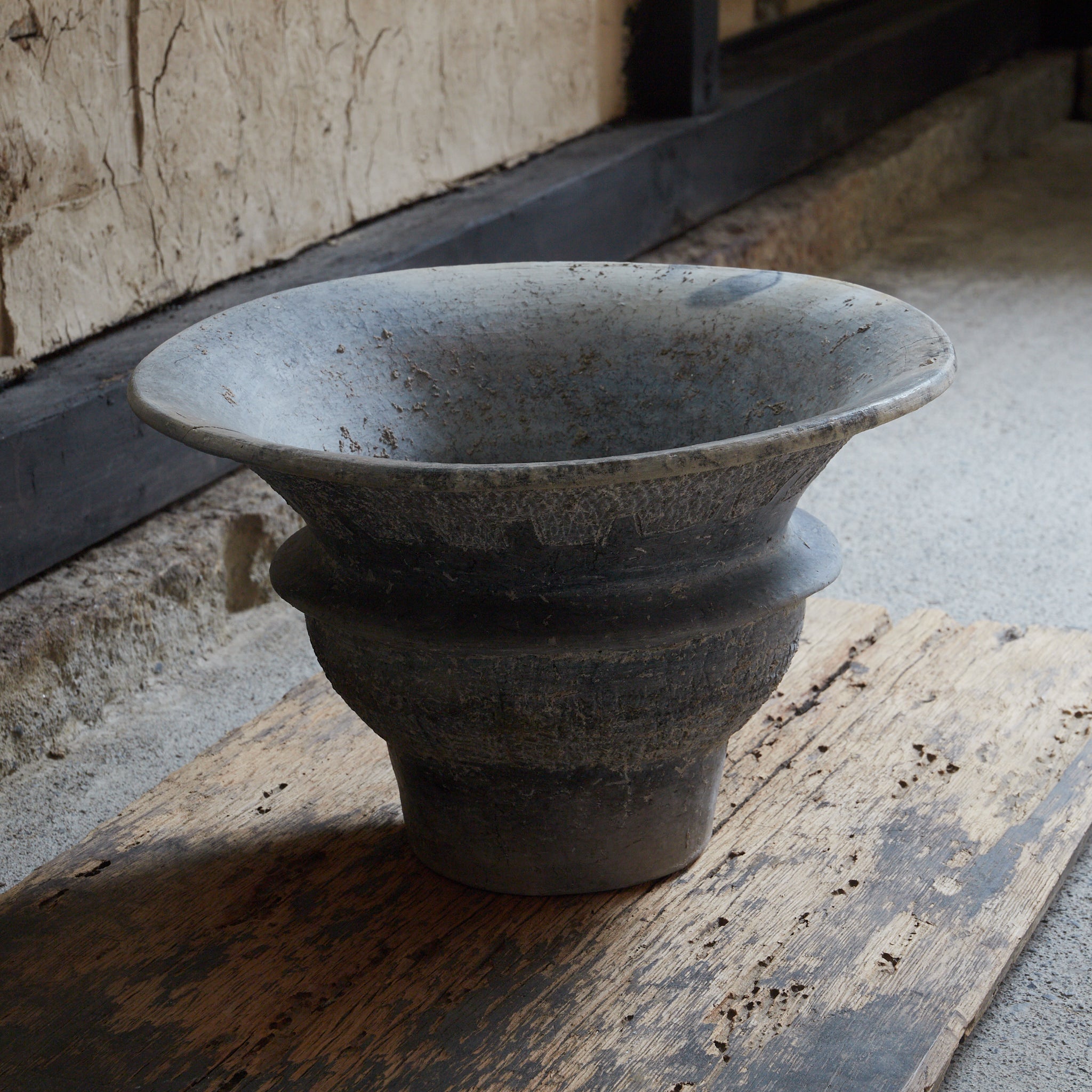
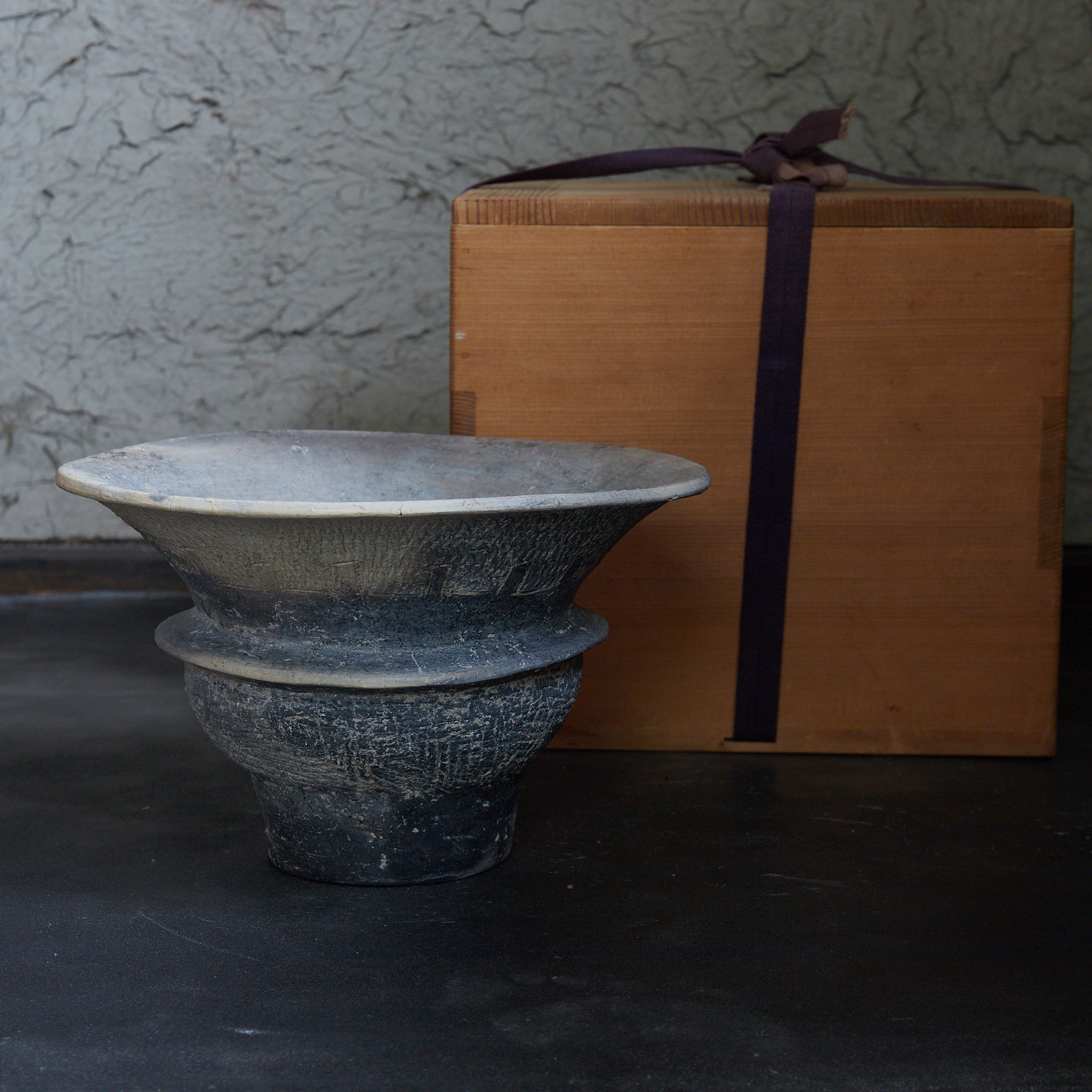
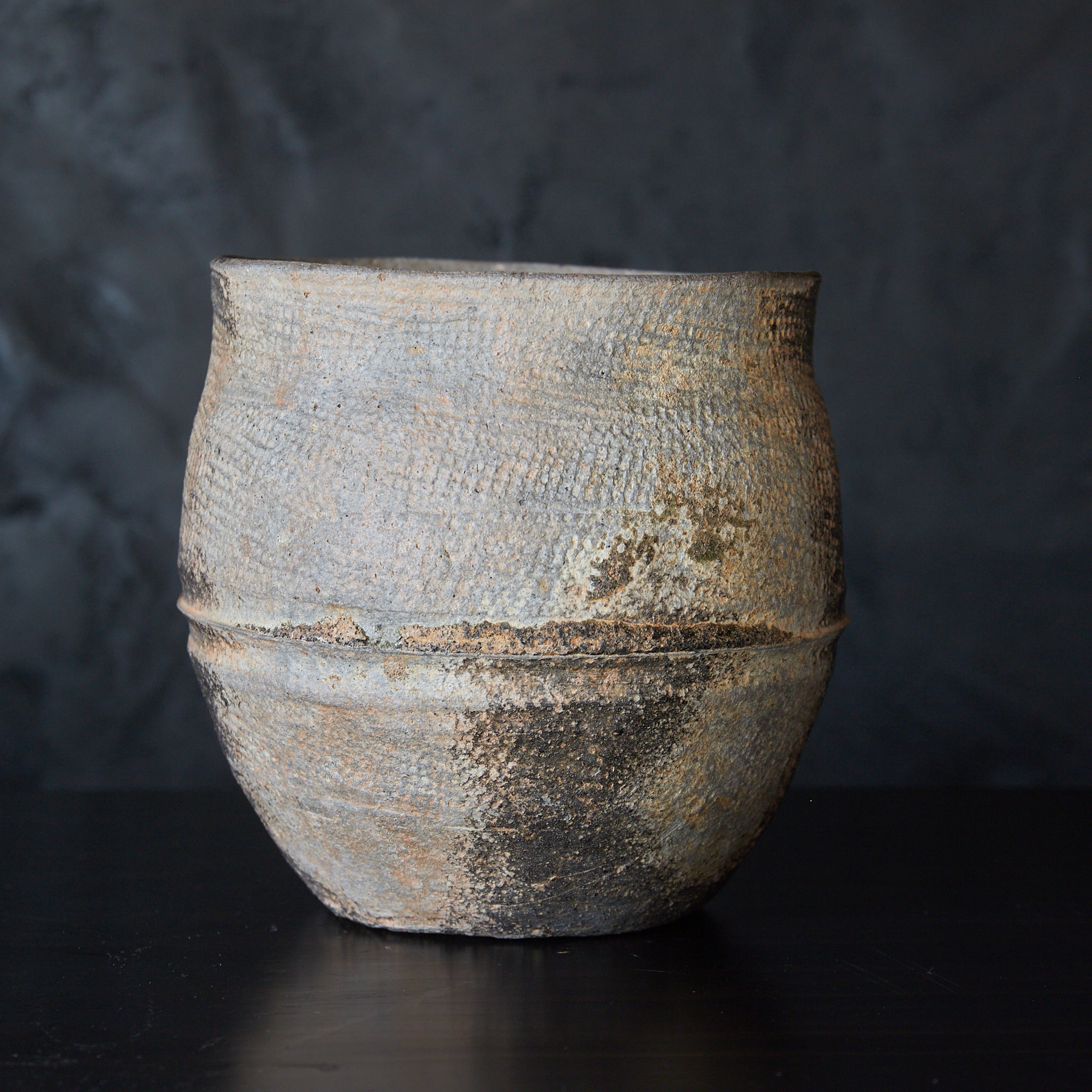
GOBELET, Céramique Sue, Période Kofun (250–581 apr. J.-C.)GOBELET, Céramique Sue, Période Kofun (250–581 apr. J.-C.)
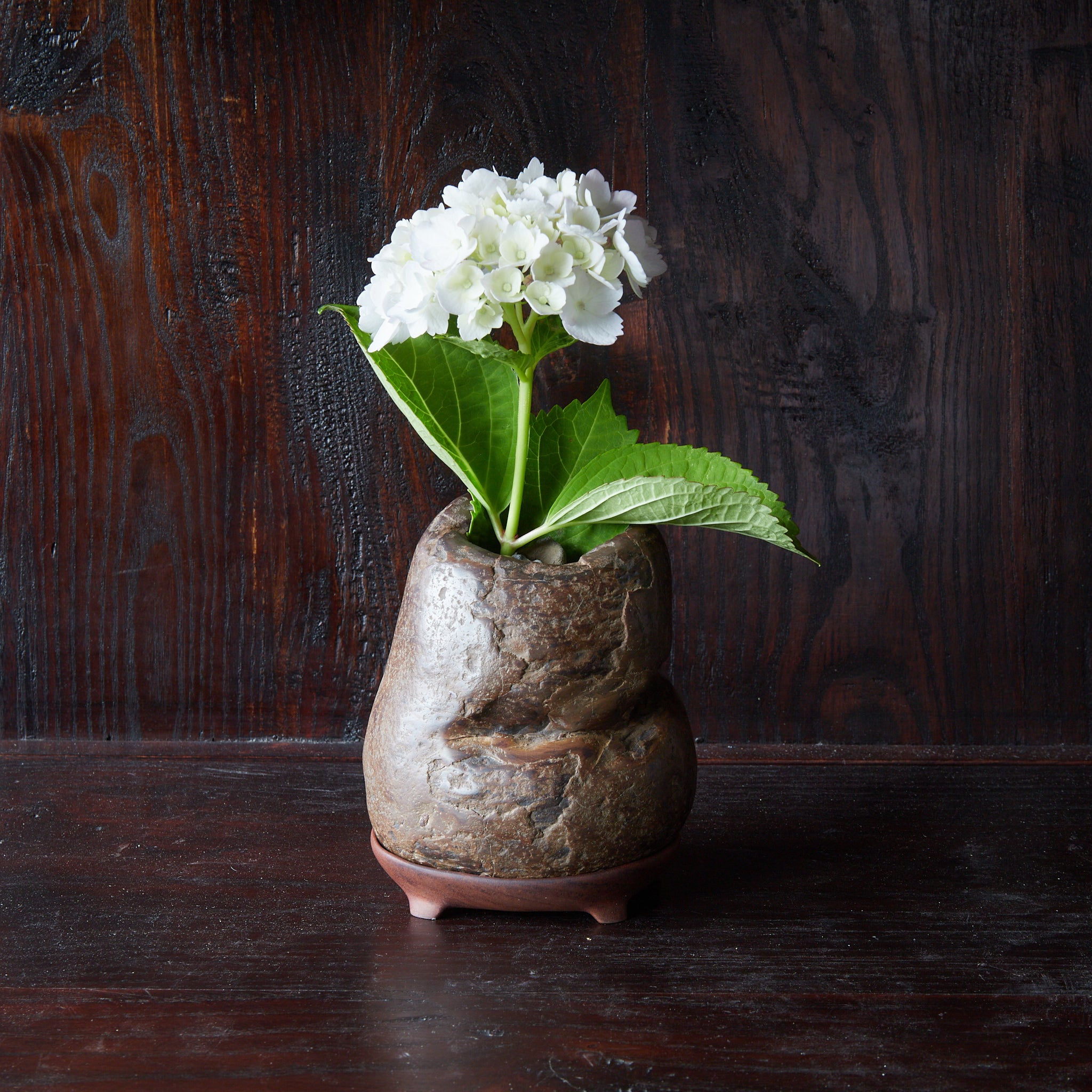
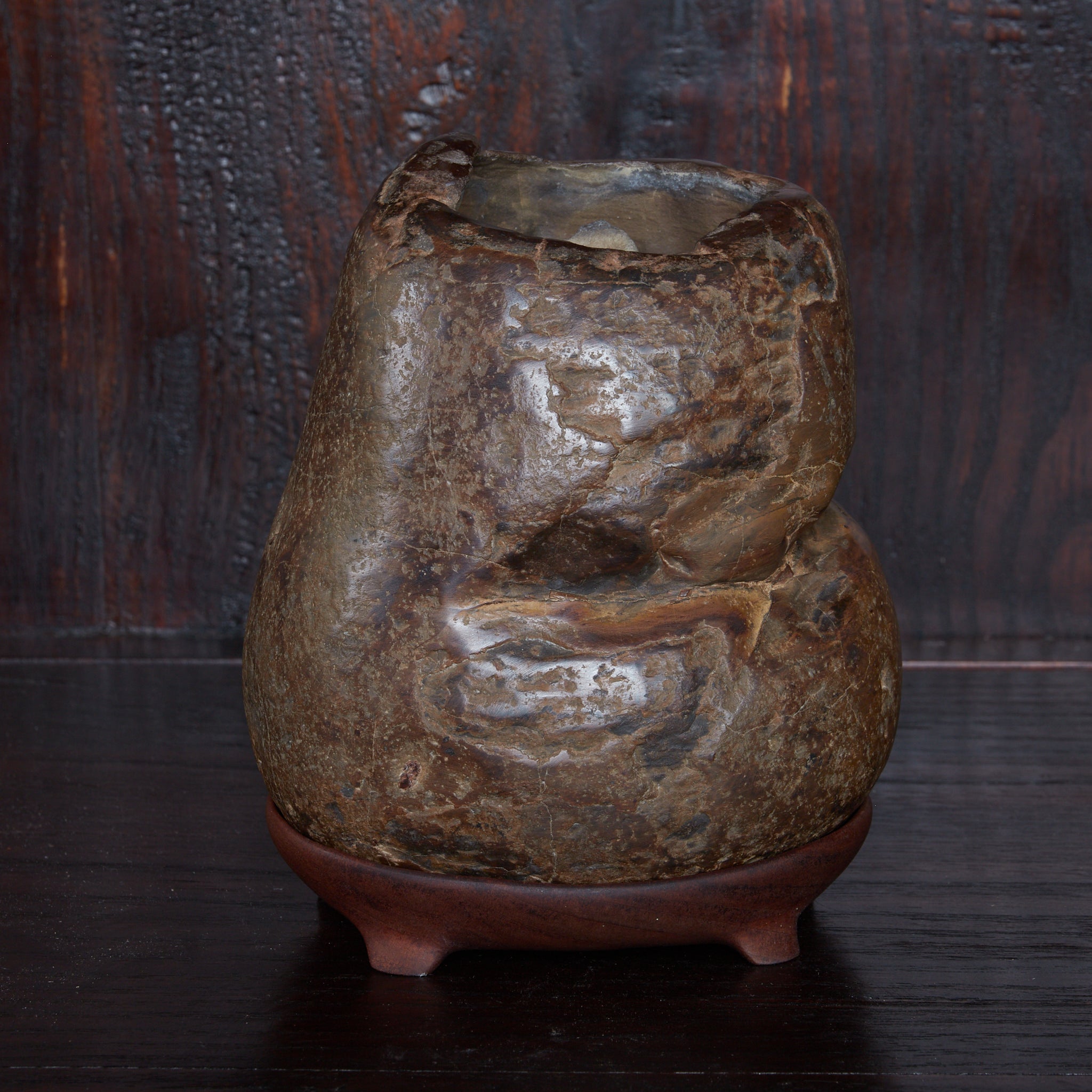
JARRE EN PIERRE EN FER À CHEVAL, Objet naturel (datation inconnue)JARRE EN PIERRE EN FER À CHEVAL, Objet naturel (datation inconnue)
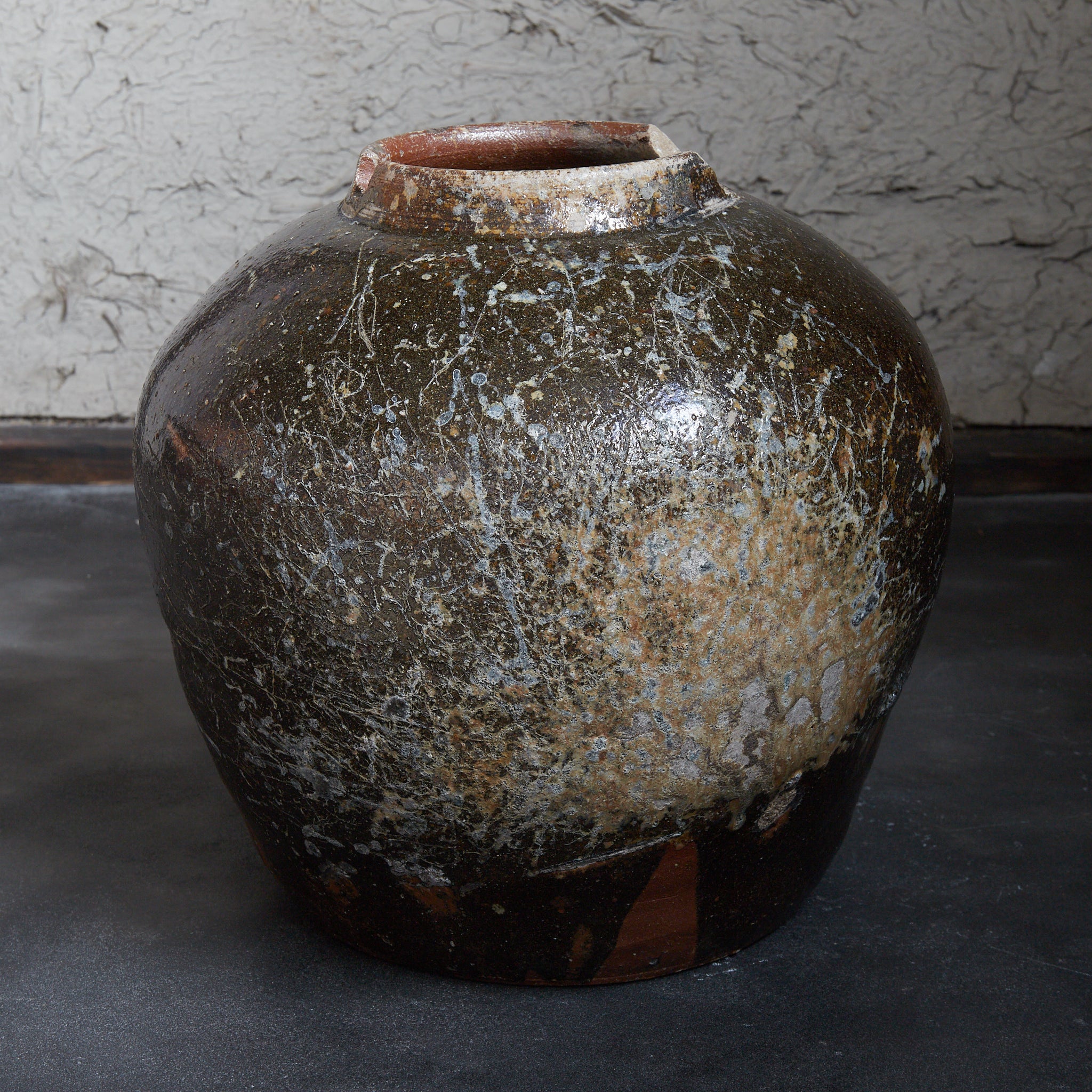
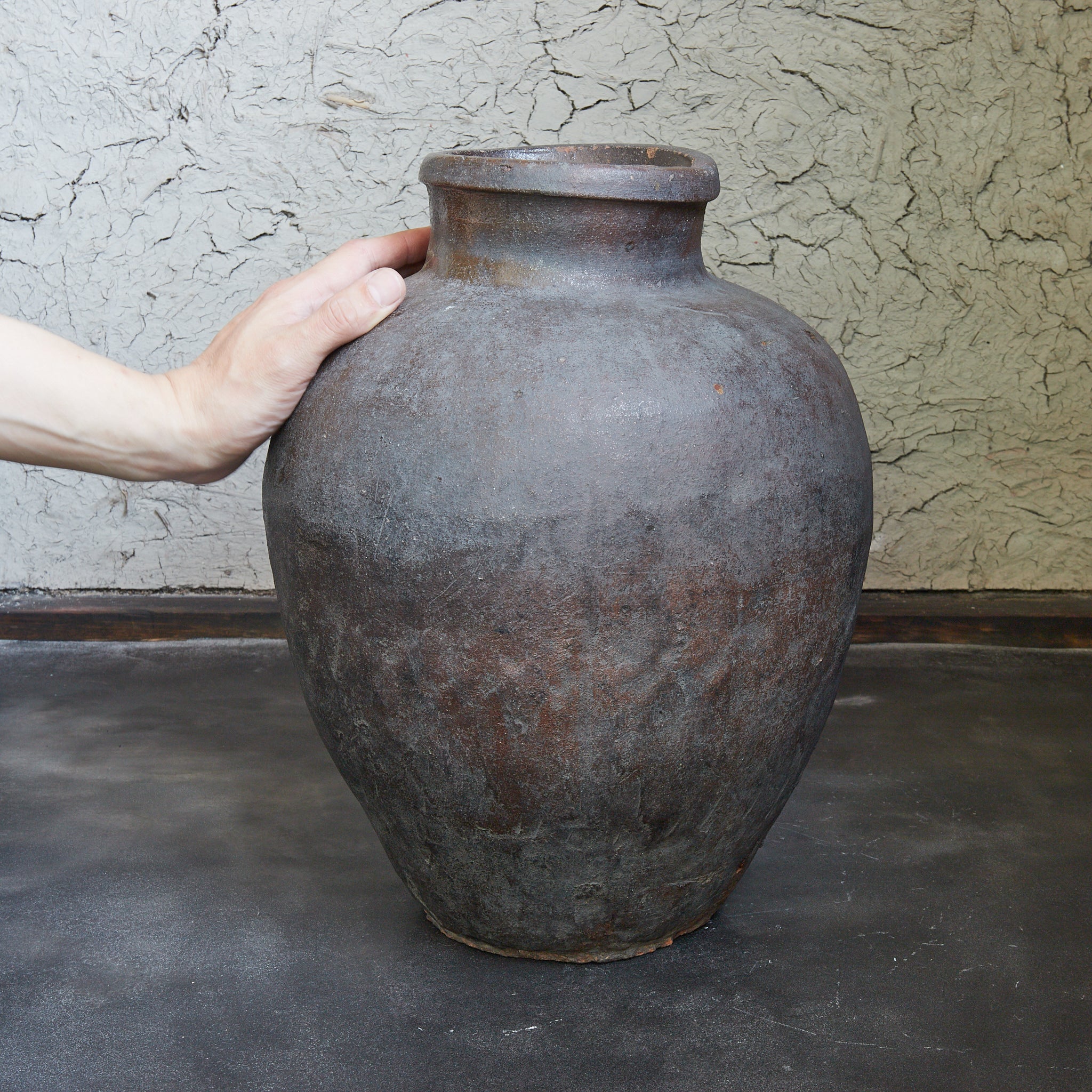
ANCIEN JARRE, Tamba, Période Edo (1603–1867 apr. J.-C.)ANCIEN JARRE, Tamba, Période Edo (1603–1867 apr. J.-C.)
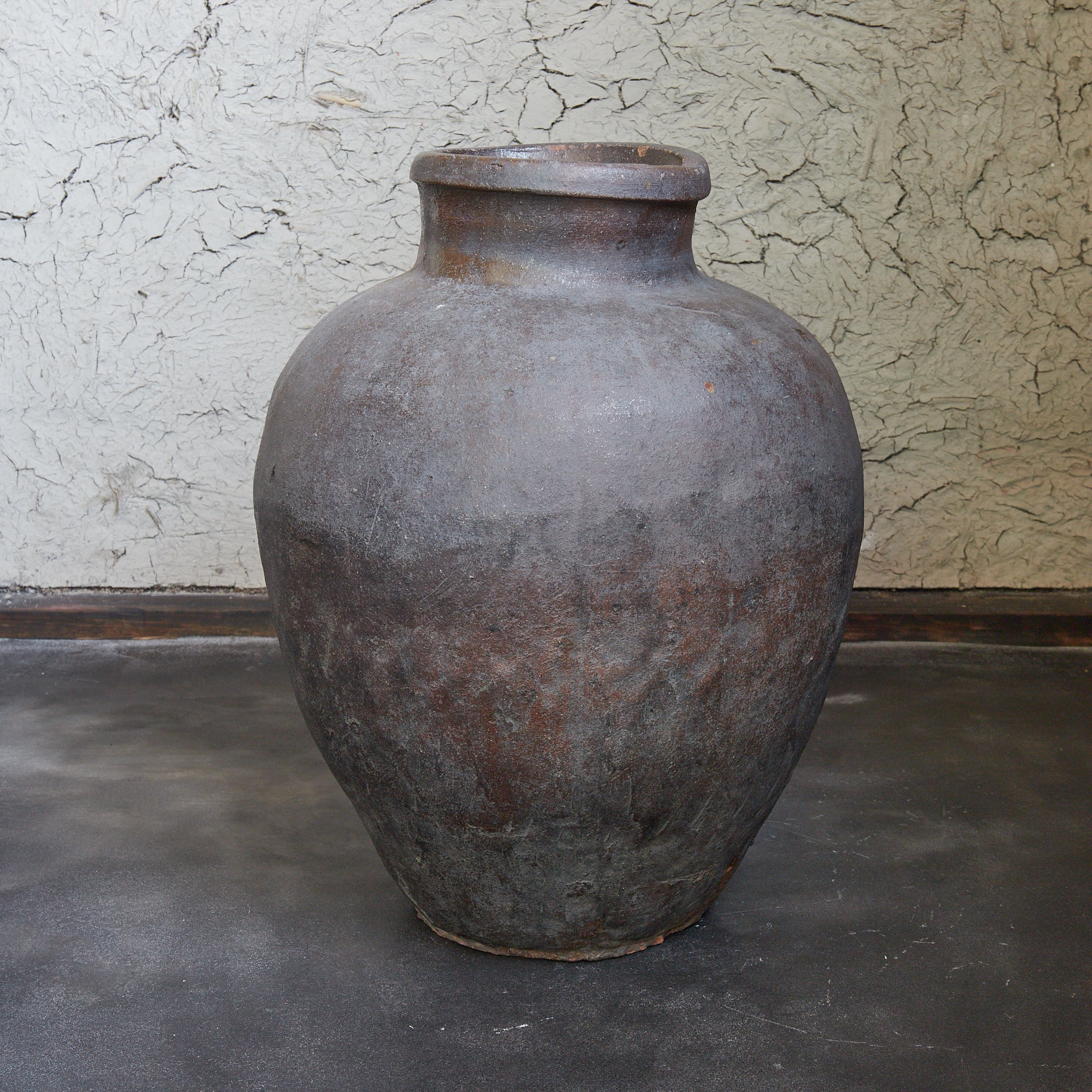
GRAND JARRE, Ko-Echizen, Période Muromachi (1336–1573 apr. J.-C.)GRAND JARRE, Ko-Echizen, Période Muromachi (1336–1573 apr. J.-C.)
JARRE, Céramique Sue, Période Nara–Heian (710–1185 apr. J.-C.)JARRE, Céramique Sue, Période Nara–Heian (710–1185 apr. J.-C.)
JARRE, Porcelaine blanche, Avec boîte en bois, Dynastie Joseon (1392–1897 apr. J.-C.)JARRE, Porcelaine blanche, Avec boîte en bois, Dynastie Joseon (1392–1897 apr. J.-C.)
AVEC INCRUSTATION BLANCHE BOUTEILLE / TOKKURI, Céramique Buncheong, Dynastie Joseon (1392–1897 apr. J.-C.)AVEC INCRUSTATION BLANCHE BOUTEILLE / TOKKURI, Céramique Buncheong, Dynastie Joseon (1392–1897 apr. J.-C.)
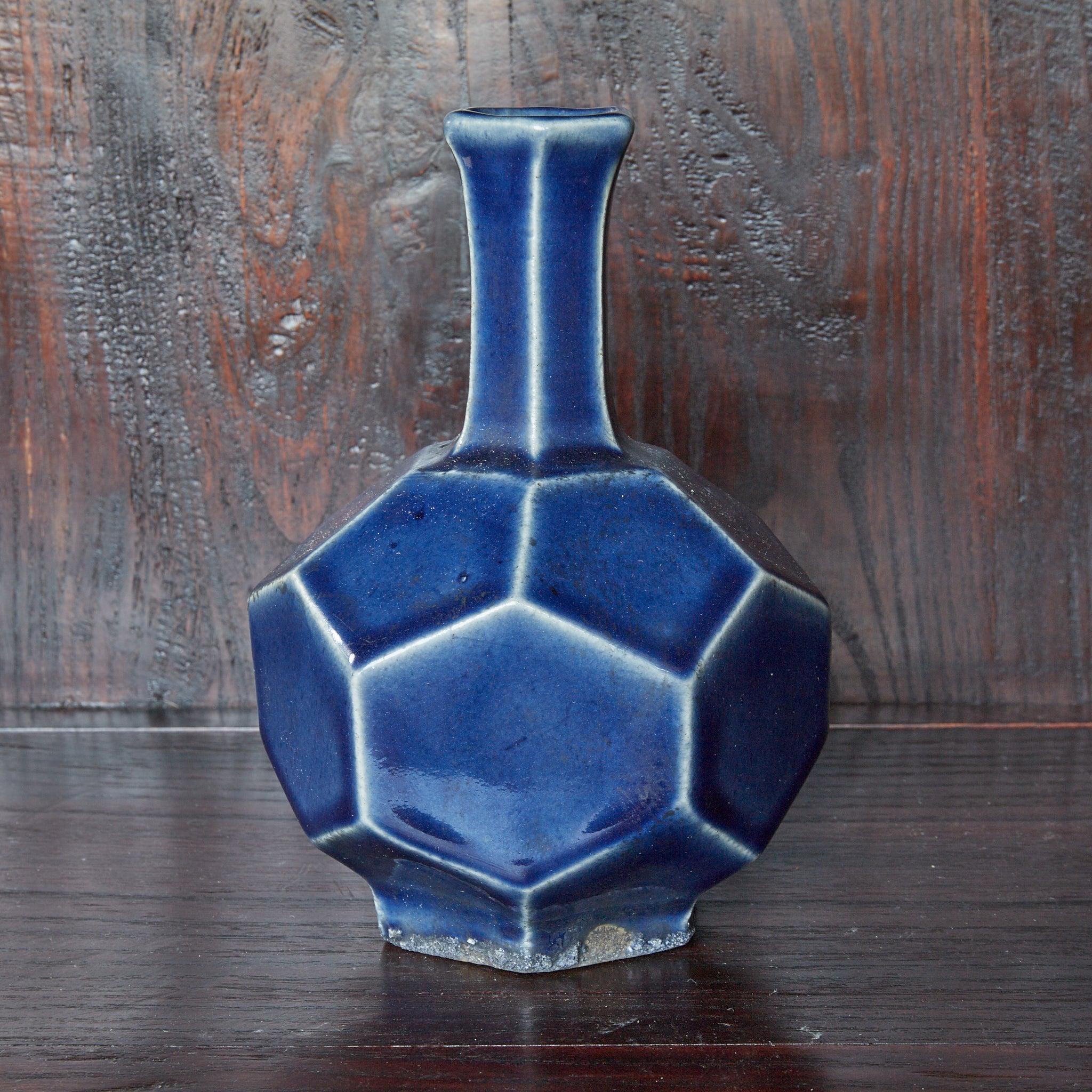
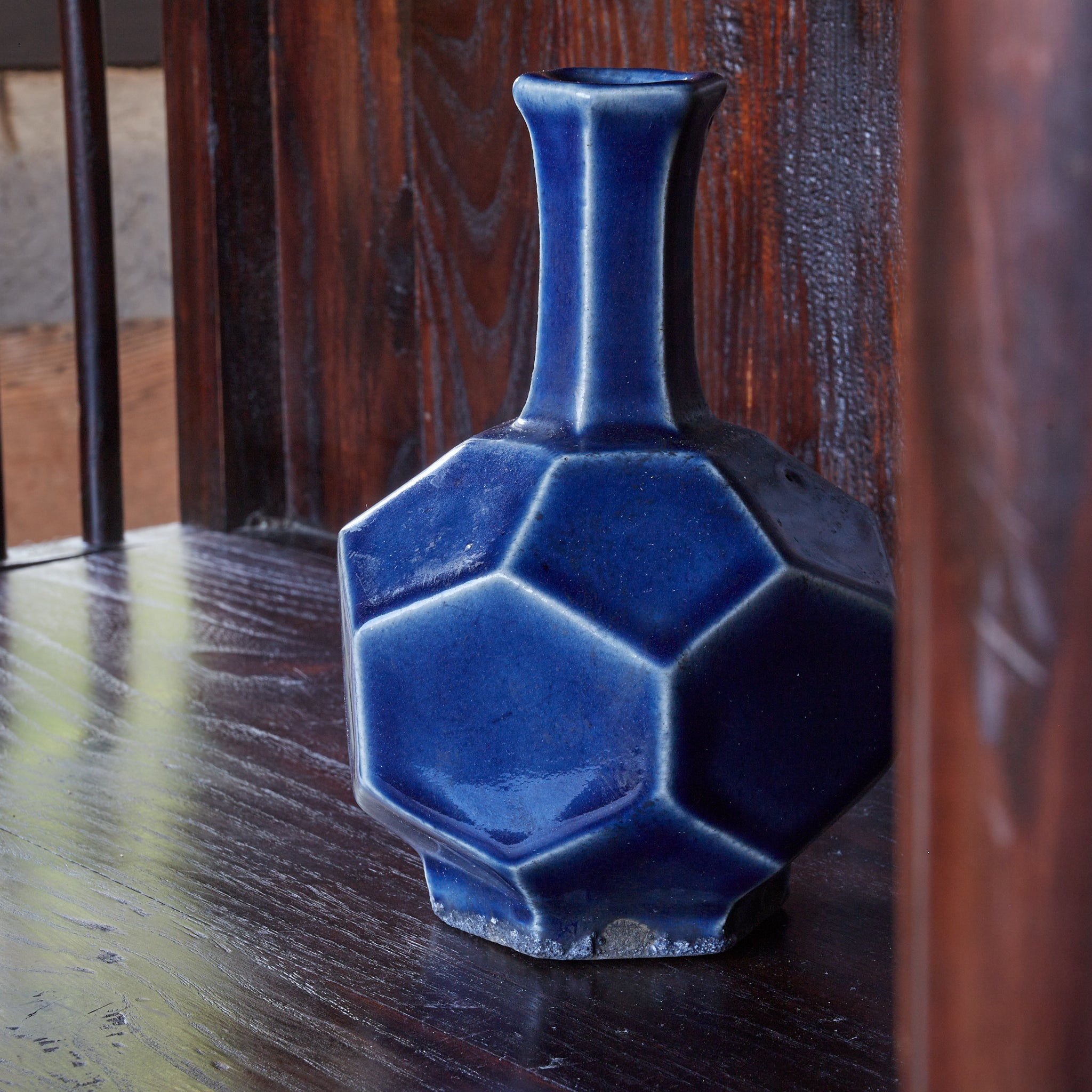
BOUTEILLE CARRÉE, À glaçure lapis, Dynastie Joseon (1392–1897 apr. J.-C.)BOUTEILLE CARRÉE, À glaçure lapis, Dynastie Joseon (1392–1897 apr. J.-C.)
JARRE, Ko-Tokoname, Période Muromachi (1336–1573 apr. J.-C.)JARRE, Ko-Tokoname, Période Muromachi (1336–1573 apr. J.-C.)
PETIT JARRE, Ko-Sometsuke, avec motif poissons, Avec boîte en boisPETIT JARRE, Ko-Sometsuke, avec motif poissons, Avec boîte en bois
ENGOBÉE BOUTEILLE / TOKKURI, Amamori, céramique buncheong, Dynastie Joseon (1392–1897 apr. J.-C.)ENGOBÉE BOUTEILLE / TOKKURI, Amamori, céramique buncheong, Dynastie Joseon (1392–1897 apr. J.-C.)
ENGOBÉE BOUTEILLE / TOKKURI, Céramique Buncheong, Dynastie Joseon (1392–1897 apr. J.-C.)ENGOBÉE BOUTEILLE / TOKKURI, Céramique Buncheong, Dynastie Joseon (1392–1897 apr. J.-C.)
BOUTEILLE BISEAUTÉE / TOKKURI, Porcelaine blanche, Dynastie Joseon (1392–1897 apr. J.-C.)BOUTEILLE BISEAUTÉE / TOKKURI, Porcelaine blanche, Dynastie Joseon (1392–1897 apr. J.-C.)
BOUTEILLE PLATE, Céramique Sue, Période Nara–Heian (710–1185 apr. J.-C.)BOUTEILLE PLATE, Céramique Sue, Période Nara–Heian (710–1185 apr. J.-C.)
BOL À THÉ ENDOMMAGÉ À LA CUISSON AVEC ADHÉRENCE, Ko-Seto, Période Muromachi (1336–1573 apr. J.-C.)BOL À THÉ ENDOMMAGÉ À LA CUISSON AVEC ADHÉRENCE, Ko-Seto, Période Muromachi (1336–1573 apr. J.-C.)
JARRE, Suzu, avec décor imprimé, Période Kamakura (1185–1333 apr. J.-C.)JARRE, Suzu, avec décor imprimé, Période Kamakura (1185–1333 apr. J.-C.)
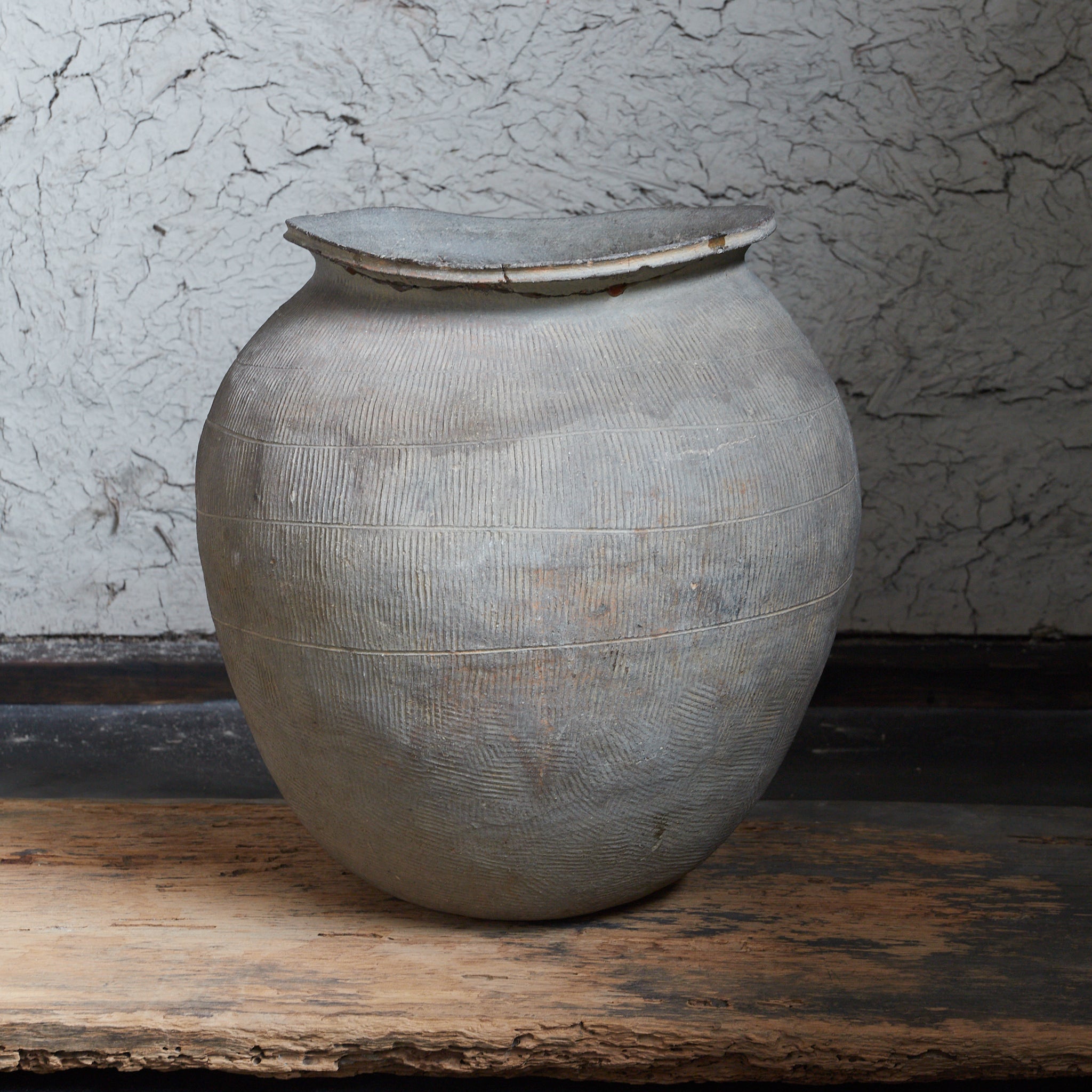
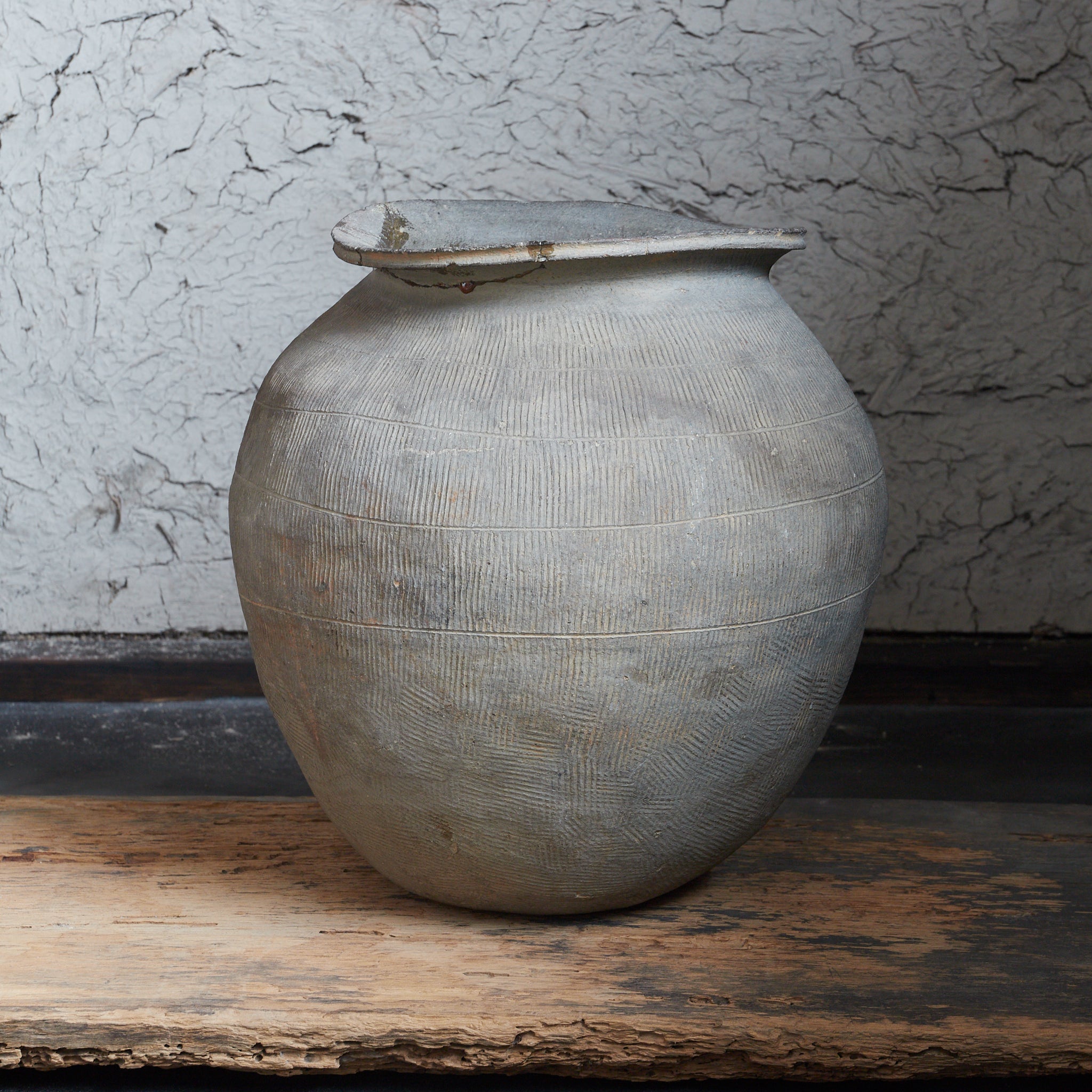
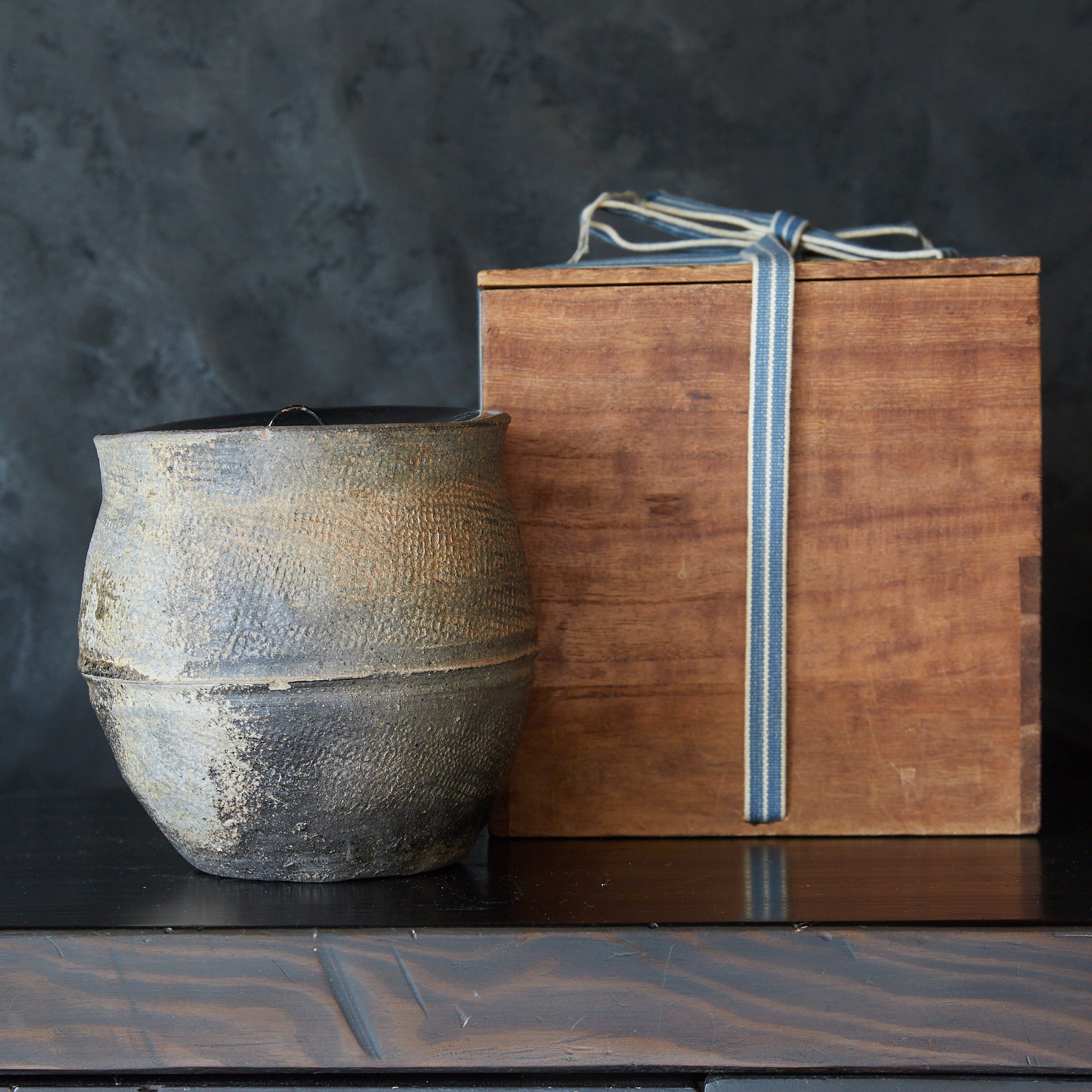
JARRE, Grès, avec motif d’empreinte textile, Avec boîte en bois, Mitate (mizusashi), Période des Printemps et Automnes–Royaumes combattants–Han (770 av. J.-C.–220 apr. J.-C.)JARRE, Grès, avec motif d’empreinte textile, Avec boîte en bois, Mitate (mizusashi), Période des Printemps et Automnes–Royaumes combattants–Han (770 av. J.-C.–220 apr. J.-C.)
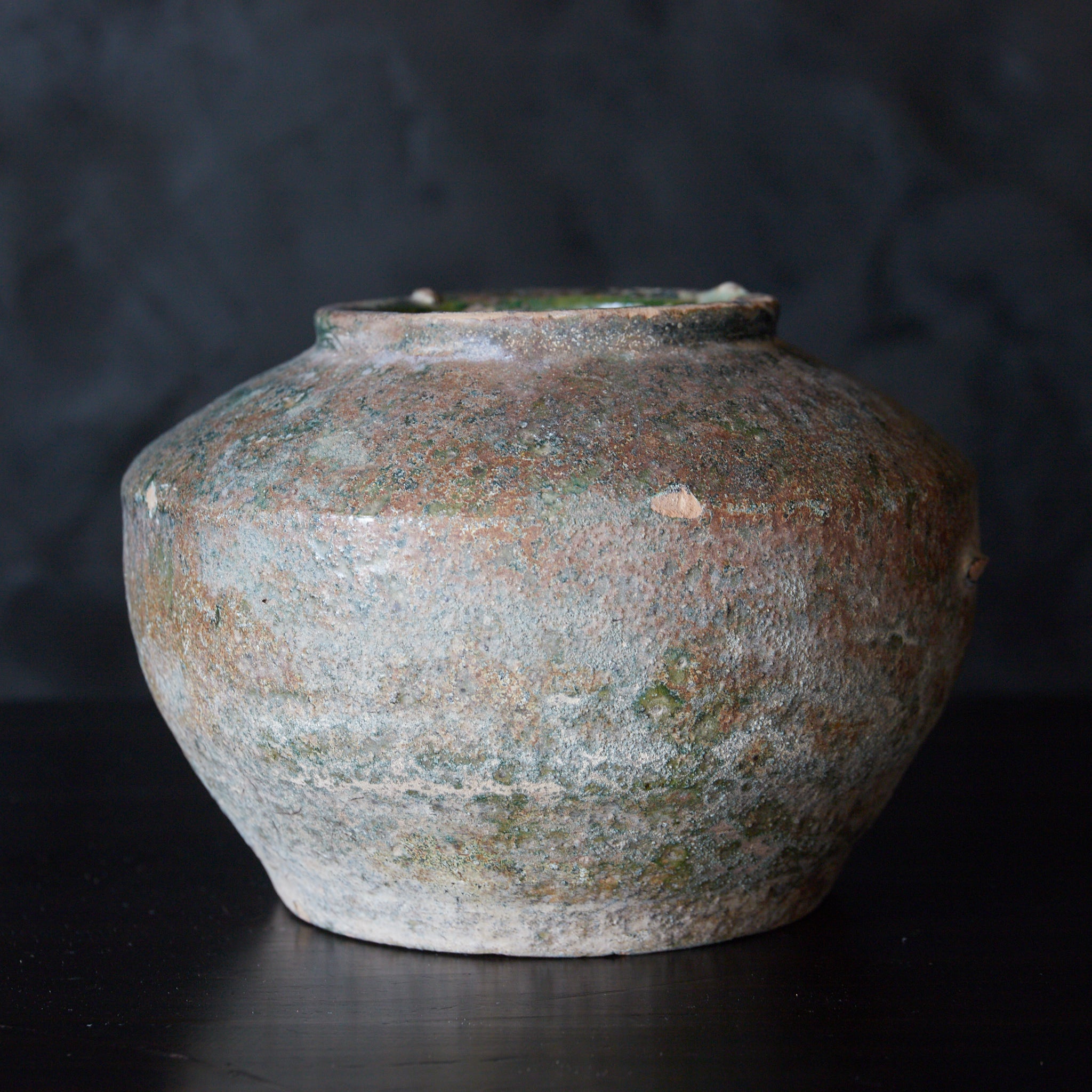
PETIT JARRE, À glaçure verte iridescente, Dynastie Han (206 av. J.-C.–220 apr. J.-C.)PETIT JARRE, À glaçure verte iridescente, Dynastie Han (206 av. J.-C.–220 apr. J.-C.)
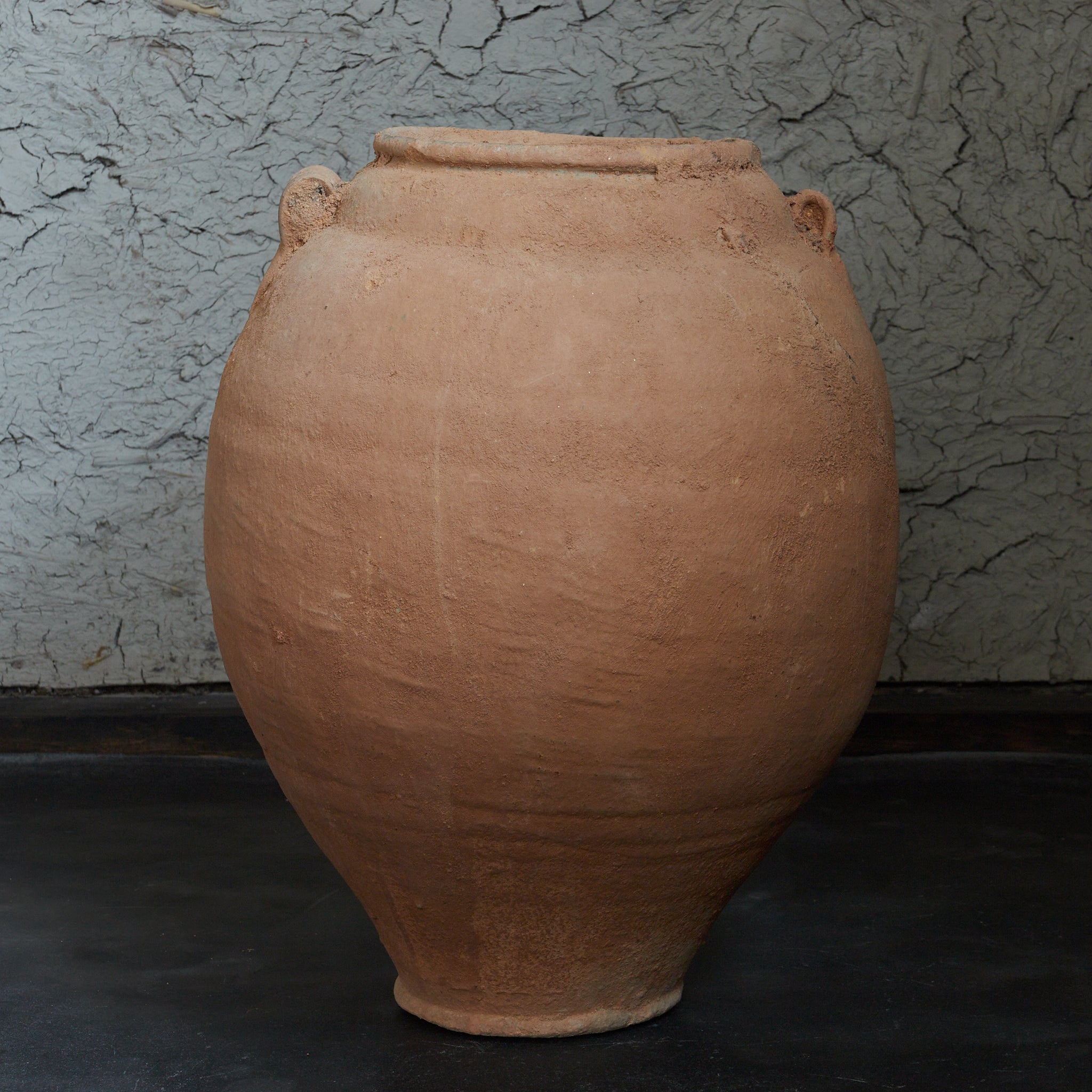
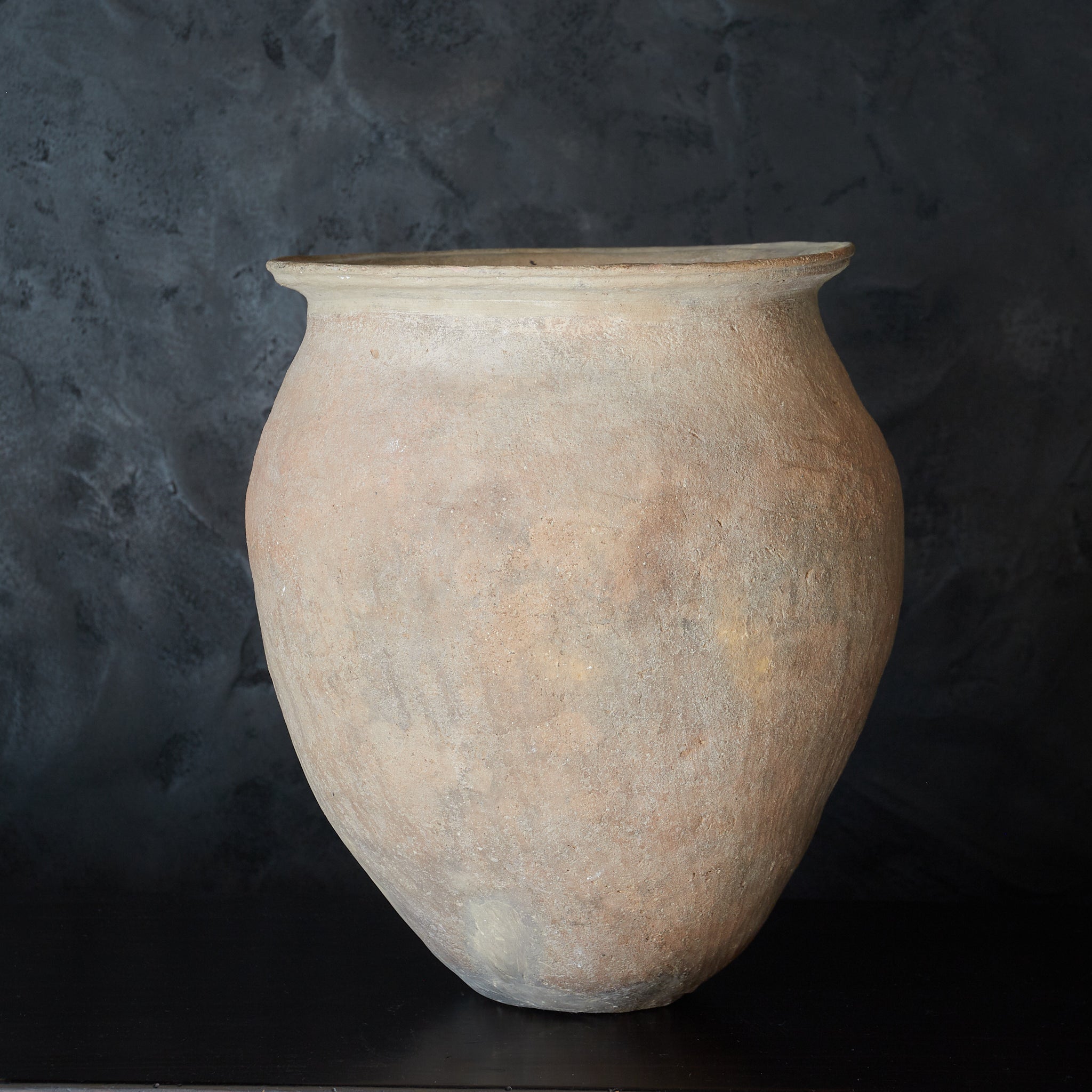
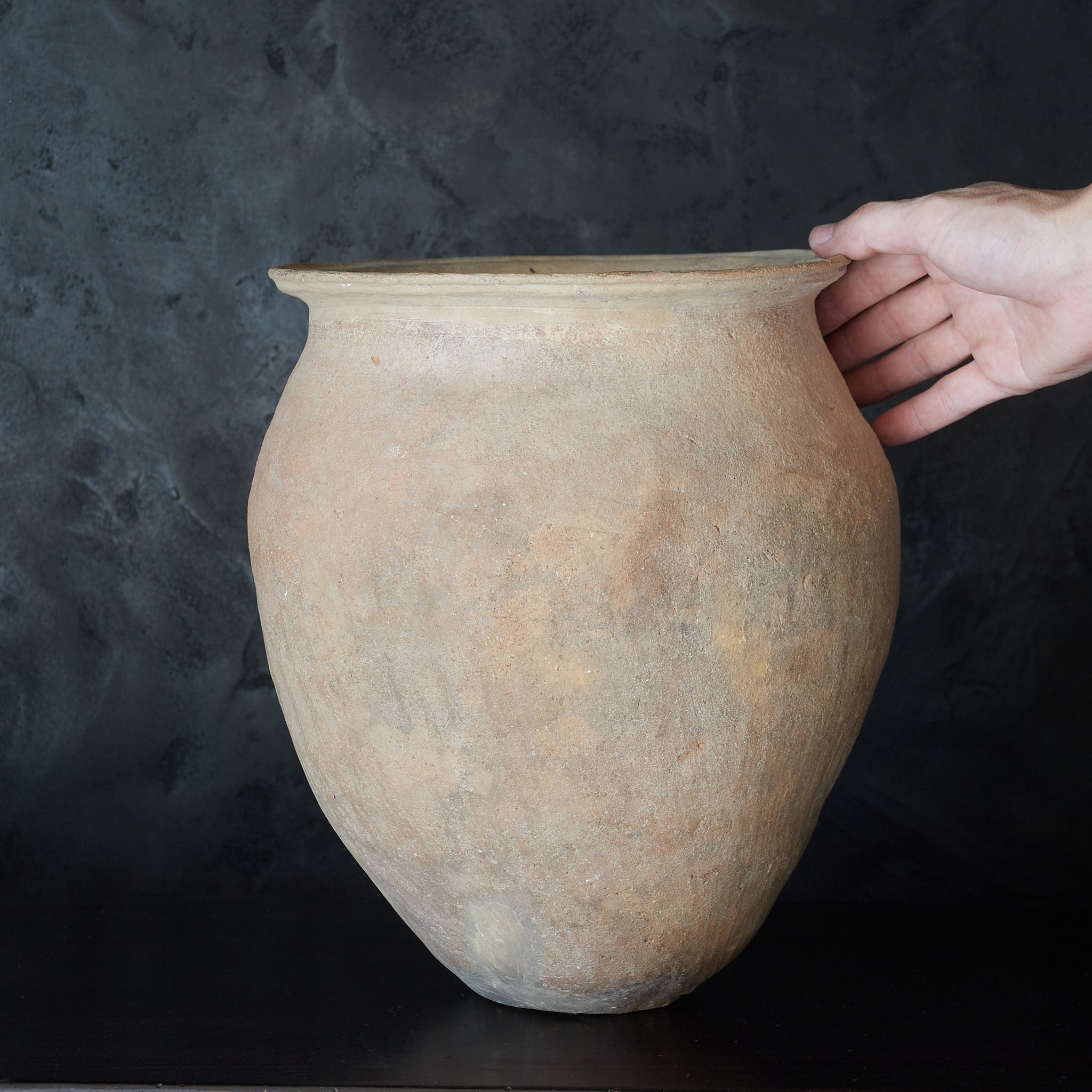
GRANDE JARRE À LARGE OUVERTURE, Terre cuite, Période Yayoi (300 av. J.-C.–250 apr. J.-C.)GRANDE JARRE À LARGE OUVERTURE, Terre cuite, Période Yayoi (300 av. J.-C.–250 apr. J.-C.)
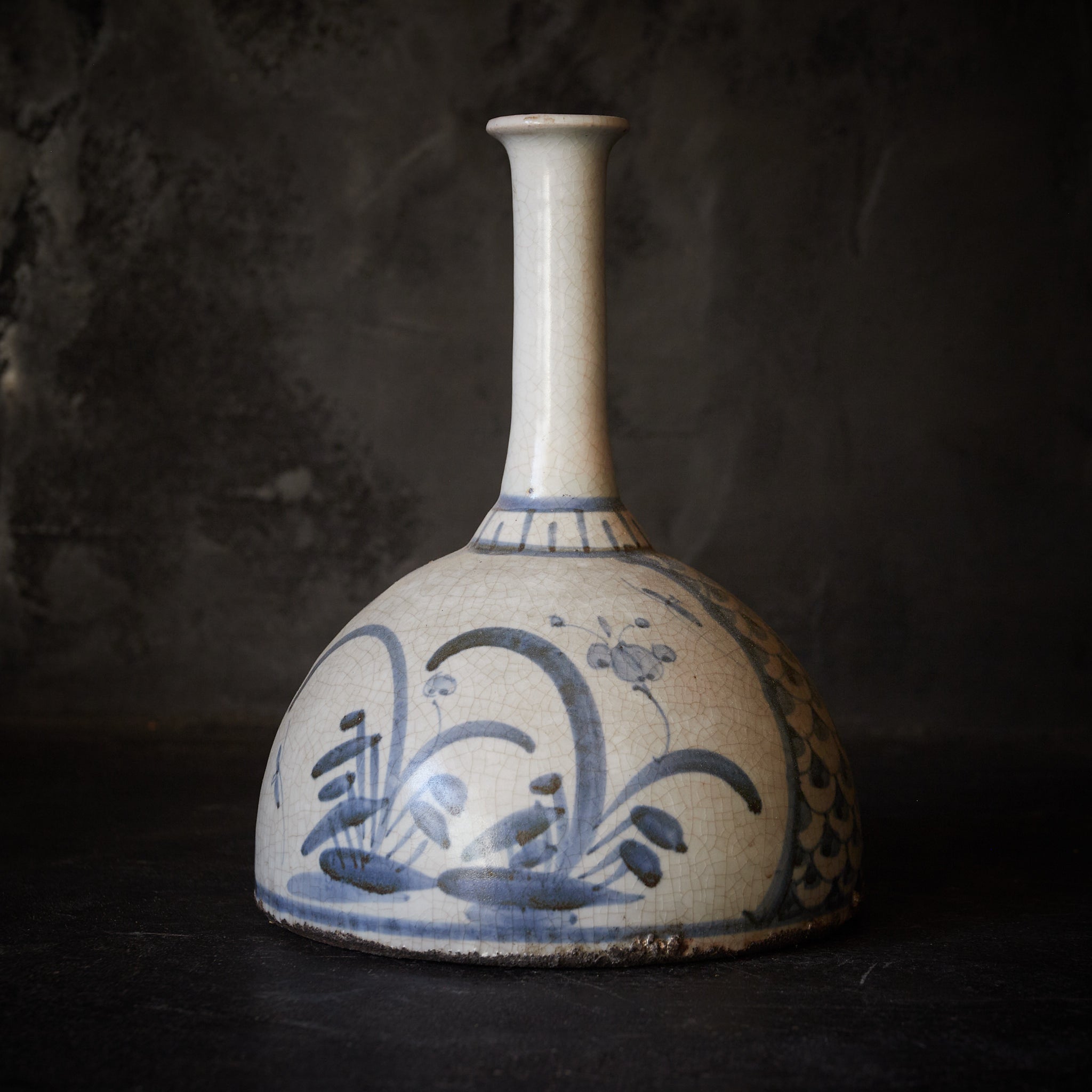
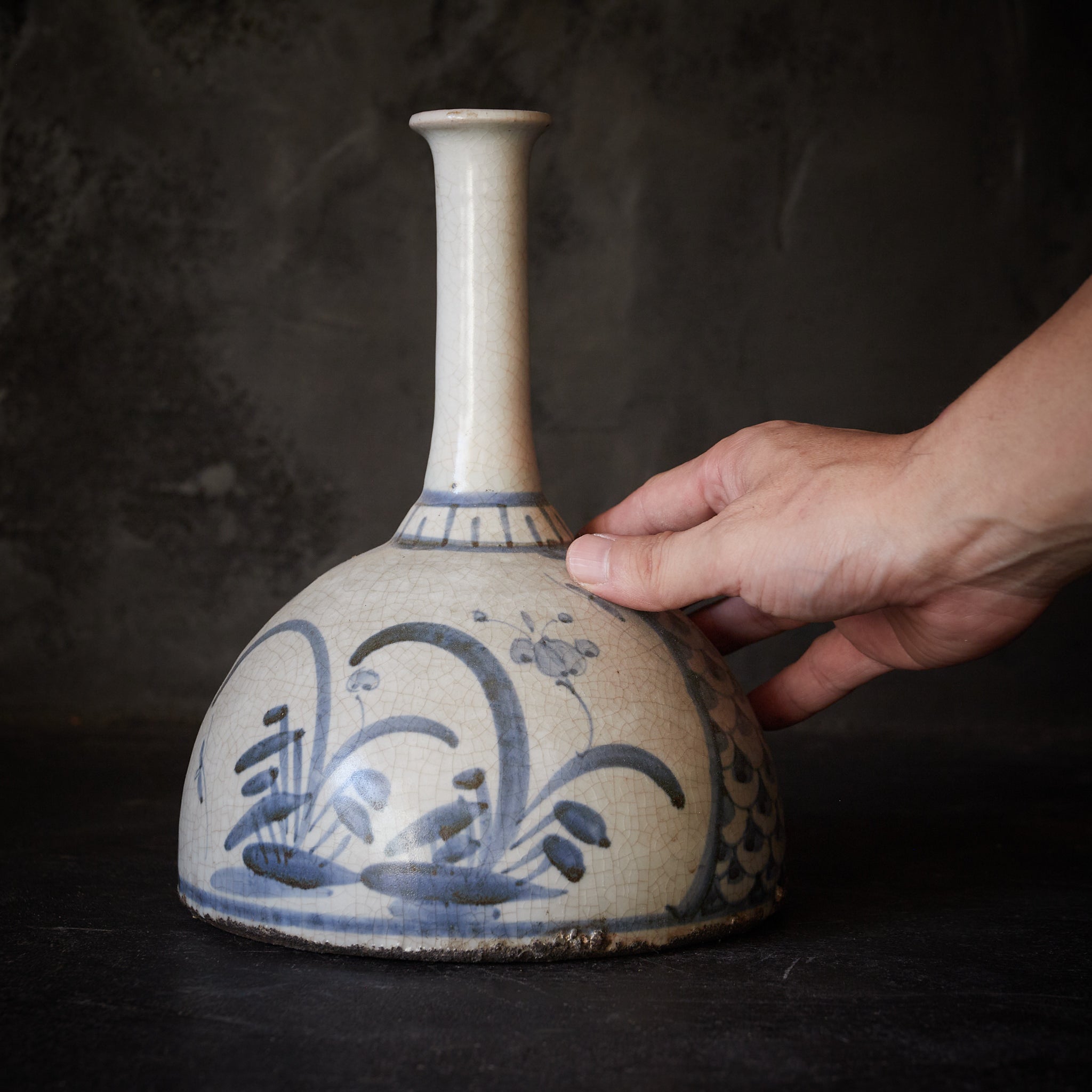
FIASQUE À SAKÉ, Ko-Imari, bleue sous couverte avec motif de libellule et de fleur, Période Edo (1603–1867 apr. J.-C.)FIASQUE À SAKÉ, Ko-Imari, bleue sous couverte avec motif de libellule et de fleur, Période Edo (1603–1867 apr. J.-C.)
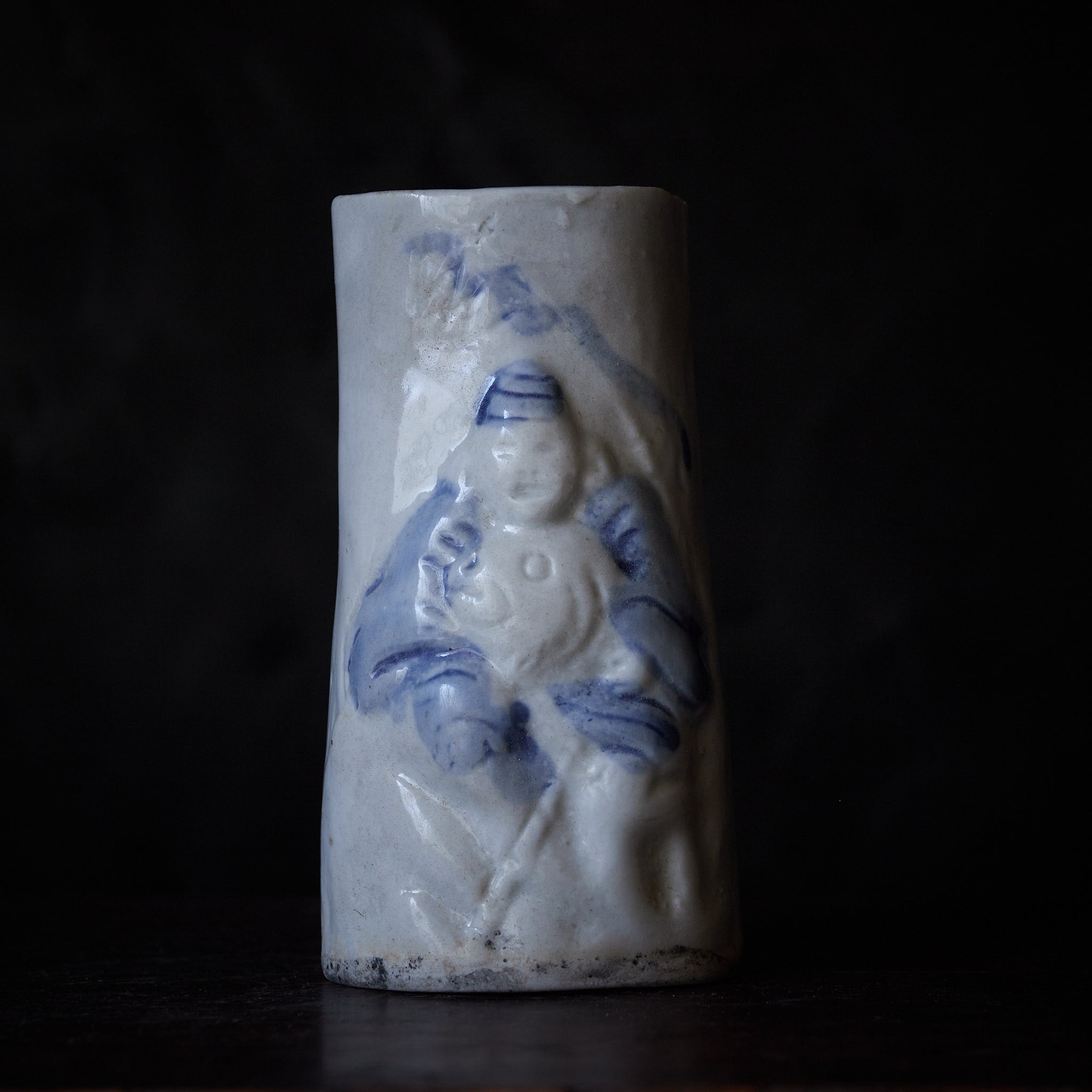
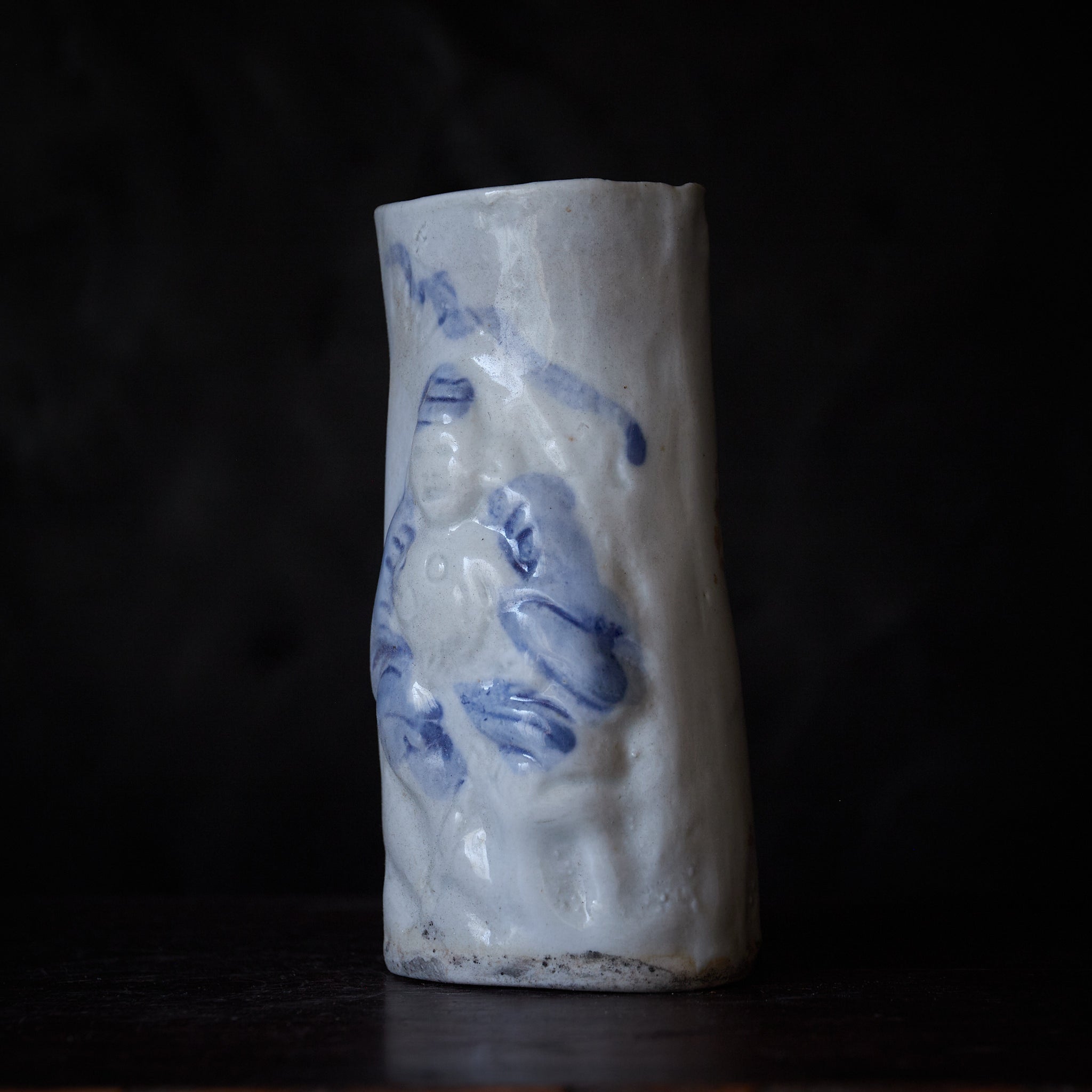
VASE À SUSPENDRE EN FORME DE HOTEI, Ko-Imari, Période Edo (1603–1867 apr. J.-C.)VASE À SUSPENDRE EN FORME DE HOTEI, Ko-Imari, Période Edo (1603–1867 apr. J.-C.)
JARRE, Céramique Sue, avec décor imprimé, Période Nara–Heian (710–1185 apr. J.-C.)JARRE, Céramique Sue, avec décor imprimé, Période Nara–Heian (710–1185 apr. J.-C.)
TERRE CUITE, Terre cuite grise, Culture de Qijia (2200–1600 av. J.-C.)TERRE CUITE, Terre cuite grise, Culture de Qijia (2200–1600 av. J.-C.)